
Views: 222 Author: Tomorrow Publish Time: 12-17-2025 Origin: Site


Content Menu
● Understanding Dishwasher Pods
>> Key Components of Dishwasher Pods
● Why Some Dishwasher Pods Leave a Taste
>> 3. Overuse or Double-Podding
>> 5. Scented and Fragranced Additives
● How to Prevent Dishwasher Pod Taste Residue
>> Step-by-Step Prevention Guide
>> Bonus Tip: Rinse with Vinegar
● Comparing Different Types of Dishwasher Pods
● Additional Causes of Aftertaste on Dishes
>> Dishwasher Interior Build-Up
● Ingredients Impacting Flavor and Residue
● Consumer Sensitivity and Perception
● Environmental and Health Factors
● Troubleshooting Common Dishwasher Pod Problems
● Tips from Experts for Taste-Free Results
● The Science of “Taste Transfer”
● Future Innovations in Detergent Design
● FAQ
>> 1. Why do my dishes taste like soap after washing?
>> 2. Can hard water make dishwasher pods taste worse?
>> 3. Are fragrance-free dishwasher pods better for taste?
>> 4. How can I ensure my pod dissolves completely?
>> 5. Are pods that leave a slight scent still safe?
Dishwasher pods are among the most practical cleaning innovations for today's busy households. Compact, pre-measured, and wrapped in dissolvable film, they make dishwashing effortless and consistent. However, many users have recently raised an interesting concern: do all dishwasher pods have a taste?
The idea might sound odd — after all, dishes cleaned in a machine shouldn't carry any flavor. Yet, countless users report noticing a faint chemical, soapy, or plasticky taste, especially when drinking from freshly washed glasses. While quality dishwasher pods are designed to be residue-free, several factors — from water hardness to dishwasher maintenance — can affect whether your dishes end up perfectly neutral or strangely flavored.
This article explores the chemistry, design, and use of dishwasher pods, why some leave a taste behind, how to prevent it, and how to choose the right product for a truly clean and taste-free finish.
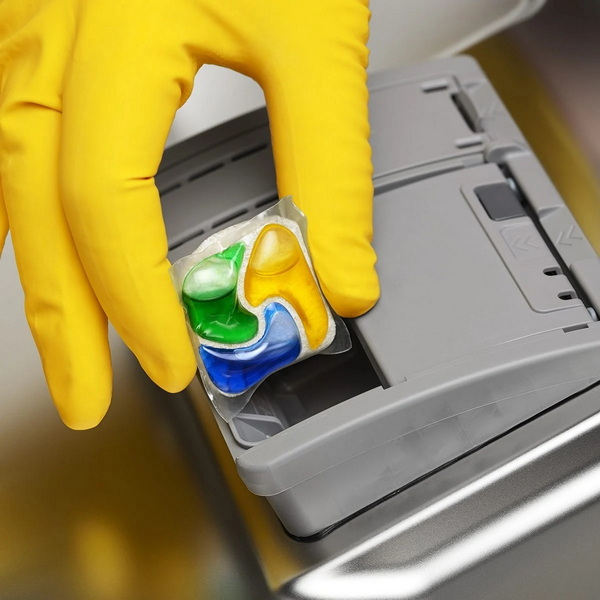
Dishwasher pods, sometimes called tablets, packs, or capsules, are single-use containers that dissolve during a dishwasher cycle to release cleaning agents. They combine detergent, enzymes, and rinse aids in precise proportions, taking the guesswork out of measuring liquids or powders.
- Detergents and surfactants: Break down grease, oils, and stuck-on food residues.
- Enzymes: Biologically derived cleaners that target protein-based and carbohydrate-based food remains.
- Bleaching agents: Such as sodium percarbonate, to lift stains from tea, coffee, and sauces.
- Rinse aids: Improve drying performance and reduce water spots.
- Water-softening agents: Bind minerals in hard water, preventing build-up.
- Soluble film (PVA): Encases the pod and dissolves completely in water, releasing contents gradually.
Despite their design for optimal performance, variations in ingredients, dishwasher efficiency, and water chemistry can cause differences in cleaning results — including any leftover taste.
If you notice that your sparkling dishes still have a peculiar aftertaste, it's usually not your imagination. That taste may be a residue of detergent components that didn't completely rinse off. The problem is typically mechanical or chemical, not toxic, and can usually be resolved with proper use.
A dishwasher pod that does not dissolve fully may release uneven amounts of detergent. Pods failing to dissolve are often the result of:
- Water that isn't hot enough (below 120°F / 49°C).
- Dishwasher arms blocked by dishes or utensils.
- Excessive loading preventing water circulation.
Partially dissolved detergent can stick to glassware and cutlery, leaving a chemical taste.
Hard water contains high concentrations of calcium and magnesium. These minerals react with detergent components, producing a thin, filmy residue. That film can trap microscopic detergent particles or affect taste perception. Even top-quality pods can struggle in extremely hard water environments without a built-in softener.
“More detergent equals cleaner dishes” is a common misconception. Modern dishwashers use significantly less water than older ones, meaning there's less liquid available to rinse away excess detergent. One pod is precisely formulated for a standard load — using more can cause residue and taste.
Rinse cycles are vital. A clogged filter, spray arm, or restricted drain can result in insufficient rinsing. Over time, these issues compound, leading to repeated residue buildup that causes taste or odor.
Manufacturers often include fragrance compounds — like citrus, ocean breeze, or floral notes — to make clean dishes smell pleasant. However, those same compounds can artificially “flavor” drinking glasses or utensils, producing a faint perfumed taste.
While dishwasher pod taste issues are frustrating, they are easily solvable through correct usage and periodic maintenance.
1. Read the product instructions carefully. Always use one pod per full cycle; more isn't better.
2. Ensure the water is hot enough. Before starting a cycle, run the tap until the water feels hot.
3. Load dishes strategically. Avoid blocking the detergent dispenser or spray arms. Face the dirtiest surfaces inward.
4. Rinse large food chunks only. Modern pods work best when enzymes can break down some food residue — over-rinsing prevents activation.
5. Regularly clean filters and spray arms. At least once every two weeks, remove trapped particles or calcium build-up.
6. Run a monthly deep-clean. Use dishwasher cleaning tablets or run an empty hot cycle with white vinegar.
7. Check for proper storage. Keep pods sealed, dry, and away from moisture or humidity to prevent premature film softening.
Once a month, pour one cup of distilled white vinegar into the top rack and run a short hot cycle. Vinegar neutralizes alkaline residues and removes odors, leaving dishes and the machine refreshed.
Not all dishwasher pods are created equal. Their ingredients, formulation, and design can influence cleanliness, residue, and overall taste neutrality.
| Type | Description | Pros | Chance of Taste Residue |
|---|---|---|---|
| Standard detergent pods | Contain base cleaning enzymes and surfactants | Affordable, effective | Moderate, depends on water type |
| All-in-one pods | Include rinse aids and salt action | Comprehensive cleaning in one use | Low |
| Eco-friendly pods | Plant-based and biodegradable | Gentle on environment, no harsh chemicals | Very low |
| Fragrance-free pods | No scents or dyes | Ideal for sensitive users | Minimal |
If you're sensitive to taste or smell, eco-friendly or fragrance-free pods are your best choice. They eliminate unnecessary additives while offering comparable cleaning power.
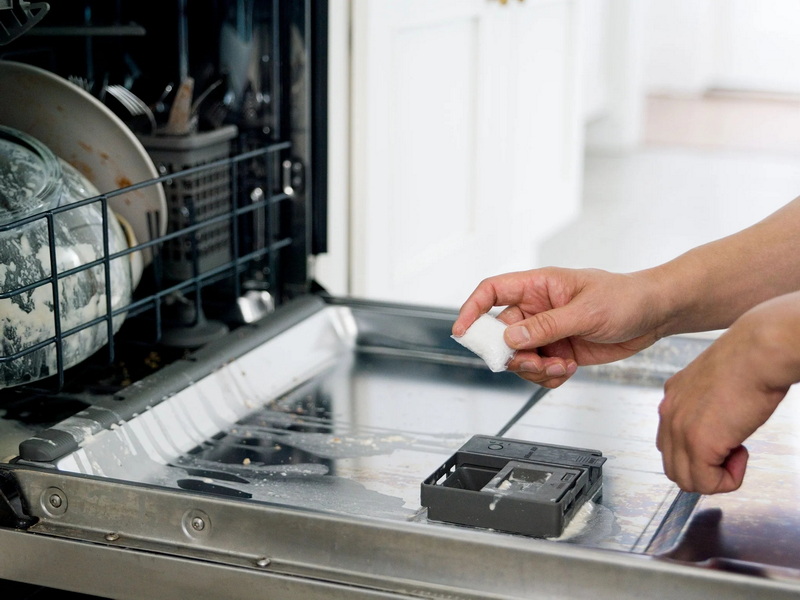
Sometimes the problem lies outside the detergent altogether.
Mold, residual grease, or trapped debris in the dishwasher's filter can re-circulate during cycles. Cleaning the interior regularly ensures no film coats your dishes afterward.
Dishwashers need consistent heat to dissolve detergent efficiently. If your water heater is set too low, detergent particles remain undissolved, leaving a noticeable aftertaste.
Old or low-quality rinse aid may break down and cause streaks or film. Empty the reservoir, rinse it out, and refill with a fresh, reliable brand.
Plastics, especially softer kinds, tend to absorb odors and flavors from detergents or food. Switching to glass or stainless-steel storage can reduce lingering detergent taste.
To understand taste residue, one must look at the chemistry inside each pod.
- Sodium carbonate (washing soda) neutralizes acidity but can leave a light chalky film.
- Sodium percarbonate acts as a bleach, releasing oxygen during cleaning. Leftover traces may taste bitter.
- Nonionic and anionic surfactants reduce surface tension for cleaning but can taste slightly soapy if not rinsed properly.
- Citric acid helps remove limescale but can leave a tangy residue when overconcentrated.
- Polyvinyl alcohol film (PVA) is water-soluble and generally tasteless — unless it fails to dissolve completely.
Responsible manufacturers design pods to dissolve at a range of temperatures, but cheaper brands may cut corners with lower-quality surfactants or film materials.
Taste and smell sensitivity differ among individuals. Some people detect faint chemical notes that others don't notice. This difference also depends on dishware material and prior dishwashing habits.
- Glassware makes taste and odor more obvious because it's nonporous.
- Ceramic and porcelain hold flavors slightly, but less than glass.
- Plastic absorbs and retains detergent smells for longer.
If sensitivity is an issue, try switching to unscented pods, performing double rinses, or storing washed dishes open-air for a few minutes before using them.
Health-conscious consumers often worry about ingesting detergent residues through dishwasher-pod-touched dishes. Fortunately, most major brands are rigorously tested for safety and are designed to be non-toxic after rinsing. The taste issue doesn't signify harm, but rather incomplete rinsing or contact with lingering compounds.
Environmentally, eco-friendly pods offer clear benefits. These use ingredients derived from renewable resources, such as coconut-based surfactants, and are wrapped in biodegradable PVA film. Additionally, they tend to omit dyes and perfume, reducing overall waste and minimizing chemical exposure.
When purchasing pods, check certifications such as:
- EPA Safer Choice
- EU Ecolabel
- Cruelty-Free or Vegan-certified symbols
Such certifications indicate safer formulas with less chance of aftertaste.
| Issue | Possible Cause | Solution |
|---|---|---|
| Bitterness or soapy taste | Residue or fragrance | Switch to fragrance-free pods, run extra rinse |
| Cloudy film | Hard water buildup | Use rinse aid and water softener |
| Undissolved pod | Blockage or low water temp | Run hot water first, clean spray arms |
| White specks on dishes | Too much detergent or scale | Reduce load of pods, use vinegar clean cycle |
| Dull silverware | Lack of rinse aid or residue | Refill rinse aid compartment and polish utensils |
Regular maintenance eliminates most of these problems long-term.
1. Check your dishwasher manual. Certain models require specific detergent or cycles.
2. Preheat your dishwasher water. Start the kitchen faucet on hot for 30 seconds before running the dishwasher.
3. Don't mix detergent types. Combining pods with liquid detergent confuses dosage systems.
4. Avoid washing aluminum utensils inside dishwashers — they may react and contribute to strange taste or grayish films.
5. Air-dry instead of heat-dry if you suspect a smell from heated plastic components.
6. Use stainless-steel-safe cleaner to polish the dishwasher's interior once a month.
Following manufacturer instructions and maintaining basic cleanliness nearly always eliminates taste issues.
Even though dishwasher detergent shouldn't produce flavor, humans are extremely sensitive to trace compounds. Studies show people can detect parts-per-billion levels of certain chemicals. If detergent or fragrance molecules remain, they interact with saliva, activating taste buds. Common descriptors include “chemical,” “bitter,” or “soapy,” similar to alkaline mineral water.
Heat drying may even amplify perception by volatilizing residues into the air immediately before dish contact. That's why *air drying or towel drying* can sometimes yield a cleaner sensory result.
The evolution of dishwasher pods continues. Manufacturers are now experimenting with:
- Enzyme-only cleaners eliminating synthetic surfactants.
- Plastic-free pods using natural biodegradable wrapping.
- Smart-dosing dishwashers that sense load size and soil level with integrated detergent cartridges.
These new technologies promise more efficient cleaning with fewer residues — meaning even taste-sensitive users can soon enjoy perfectly neutral dishes after every cycle.
Not all dishwasher pods have a taste, but a few may leave subtle residues depending on ingredients, water hardness, or appliance performance. Taste issues almost always stem from incomplete rinsing, improper water temperature, or excessive detergent. Choosing fragrance-free, eco-friendly pods and keeping your dishwasher clean are the most reliable ways to achieve residue-free, neutral-tasting results.
In essence, a pod's “taste” is less about the product itself and more about how it interacts with your machine and water. When properly maintained and correctly used, any modern dishwasher pod should leave your dishes tasting just as they should — pure, clean, and without a trace of chemicals.
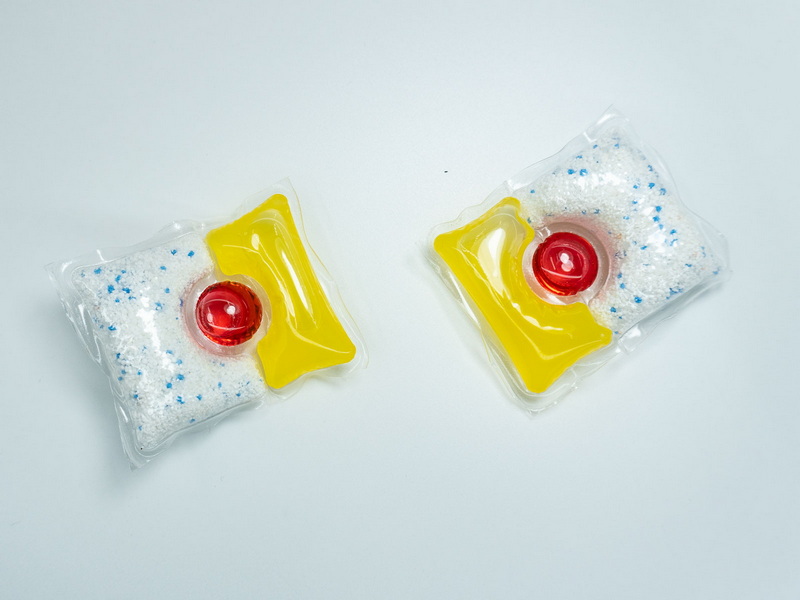
This taste comes from detergent residue that failed to rinse away completely. Causes include overloading, hard water, or low water temperature. Cleaning the filters and running an extra rinse often solves it.
Yes. Hard water interferes with detergent breakdown and leaves mineral film on dishes. Using a water softener or pods made for hard water can minimize taste and cloudiness.
Absolutely. Fragrance-free pods eliminate perfume compounds responsible for artificial odors or flavors, making them ideal for sensitive users or those seeking pure taste results.
Start the dishwasher with hot water, avoid overloading, and make sure the dispenser drawer isn't blocked. If residue remains, increase temperature or use a longer cycle.
Yes. Minor scent isn't harmful, but persistent taste means detergents aren't rinsing fully. Adjust cycle settings, clean the dishwasher, or switch to a different brand.


