
Views: 222 Author: Tomorrow Publish Time: 12-15-2025 Origin: Site


Content Menu
● Understanding Dishwasher Detergents
>> Key features of dishwasher pods:
● The Big Question: Can You Use Powder Detergent on Dishwasher Pods?
● Pros and Cons of Powder Detergent
>> Advantages:
● Pros and Cons of Dishwasher Pods
>> Advantages:
● Which Cleans Better: Pods or Powder?
● Environmental Impact: Pods vs. Powder
● The Science Behind Water Hardness and Detergents
● When to Contact a Technician
● Modern Alternatives and Innovations
● Common Mistakes When Using Dishwasher Detergents
● FAQ
>> 1. Can I pour powder detergent directly into the dishwasher?
>> 2. What happens if I accidentally mix pods and powder?
>> 3. Which detergent works best in hard water?
>> 4. Are dishwasher pods safe for septic systems?
>> 5. How do I switch from pods to powder detergent?
Dishwashers have become a kitchen essential for many households, offering an easy and efficient way to keep dishes spotless. However, detergent selection can still confuse many users. Among the many questions people ask, one common concern stands out: Can you use powder detergent on dishwasher pods? The answer is more complex than a simple yes or no. Understanding how detergent types differ and interact helps ensure the best cleaning performance while preventing potential damage to your machine.
In this article, we'll explore the science behind dishwasher detergents, compare pods and powders, and clarify whether combining or substituting them is ever a good idea.
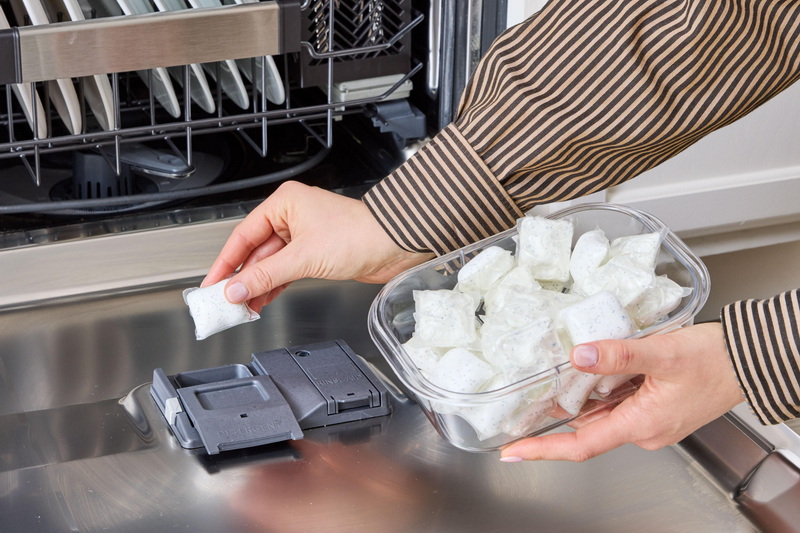
Dishwasher detergents are not the same as dishwashing liquids or soaps used for hand washing. They are engineered to withstand high temperatures and specific water pressures inside the appliance. These detergents contain surfactants, alkaline builders, and enzymes that break down fats, proteins, and starches — all without creating foamy bubbles that could flood the machine.
There are four main detergent forms:
- Powder detergent: A traditional, cost-effective form where the user measures the amount manually.
- Gel detergent: Smooth and viscous, similar to liquid dish soap but designed for dishwashers.
- Tablet detergent: Compressed solid forms, often including multiple cleaning agents.
- Pod detergent: A modern, pre-measured form sealed in a dissolvable film for convenience and precision.
Understanding how these formulas behave inside your dishwasher helps you decide which is best for your needs.
Dishwasher pods, also known as capsules or packs, were designed to make the dishwashing process simpler and more consistent. Each pod contains a carefully measured dose of detergent — often a combination of powder and gel — wrapped in a water-soluble polyvinyl alcohol (PVA) film. When your dishwasher begins its cycle, the film dissolves, releasing the concentrated cleaning agents at the ideal stage.
1. Pre-measured dose: Ensures consistent results without overuse.
2. Multi-action formula: Most pods combine detergent, rinse aid, and sometimes a water softener.
3. Timed release: Designed to dissolve gradually at specific washing stages.
4. Mess-free design: You never touch or inhale powdered detergent particles.
Pods' efficiency depends on proper water temperature (generally above 50°C or 120°F) and full spray circulation. Using cold or short cycles may prevent complete dissolution, leaving pieces of film or detergent residue.
Powder detergents, although less trendy today, remain a favorite for those who want flexibility. The main ingredients—oxygen-based bleach, sodium carbonate, and enzymes—activate quickly when they come in contact with water. Unlike pods, powders dissolve immediately and release cleaning components right at the start of the wash cycle.
Powder detergents allow control over dosage. If you have a light load, use less; for greasy cookware, add more. That ability suits households that wash varying load sizes. However, overuse can cause cloudy glasses, while underuse might result in greasy pans. Proper measurement is key to achieving optimal cleaning results.
Another advantage is long shelf life. Powder detergents can last for months if stored in a dry, cool location. Moisture is the biggest enemy, as it can cause clumping and uneven distribution during washing.
It's critical to clarify what this question means. If you're asking whether you can place powder detergent in the same compartment where you'd normally put a pod, the answer is yes. But if you mean mixing or using both at the same time, the answer changes — absolutely not.
Here's why combining them is not recommended:
1. Chemical reaction risks: The concentrated ingredients of both formulas could react unpredictably, leading to foaming, residue, or soap film.
2. Overdosing and inefficiency: Too much detergent won't improve cleaning. It can leave streaks, dull surfaces, and even harm your dishwasher seals over time.
3. Release timing conflict: Pods are designed to dissolve at a specific stage, while powders activate immediately. Mixing them disrupts this controlled release pattern.
4. Waste and cost: Doubling detergents not only wastes money but also increases rinse cycles to remove residue.
In short, while you can use either one independently inside the detergent compartment, you should not use powder detergent *on top of* or *together with* dishwasher pods during the same wash cycle.
- Cost-effective for large households or frequent washing.
- Flexible dosing lets users adjust based on load size and soil level.
- Ideal for heavily soiled dishes or pots with starch buildup.
- Easy to find refillable and eco-friendly packaging with minimal plastic.
- Errors in measurement can lead to poor results or residue.
- Sensitive to humidity — clumping affects solubility.
- Requires manual handling and cleanup of the detergent drawer.
- Might not include rinse aid unless added manually.
- Foolproof portion control — no guessing the right amount.
- Visually appealing and convenient to handle.
- Contain multiple functions (cleaning, rinsing, deodorizing) in one pack.
- Produce consistent outcomes suitable for busy lifestyles.
- Higher cost per load than powder or gel detergents.
- May not fully dissolve in quick cycles or cold water.
- Non-resealable packaging can let moisture in once opened.
- PVA film biodegradation can vary based on wastewater conditions.
Pods are generally optimized for average washing conditions. They clean effectively in most cases and deliver reliable results for families who want simple, effortless operation. The pre-set dose suits standard water hardness levels and medium-to-heavy soil.
In contrast, powder detergents grant users greater control. You can increase the dose for greasy cookware or adjust it during hard water conditions. Powder performs exceptionally well for deep cleaning cycles and in high-temperature settings.
Verdict:
Use pods for convenience and consistent daily cleaning.
Use powder when flexibility, customization, and cost-efficiency matter most.
For the best of both worlds, some brands now offer hybrid pods containing both powder and gel layers. These provide the power of powder with the precision of pods — eliminating guesswork entirely.
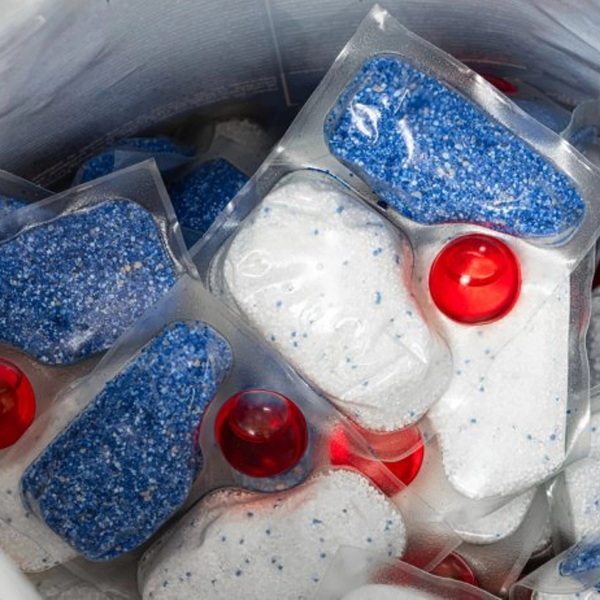
Eco-conscious consumers often question which detergent type is better for the planet. Both have pros and cons from an environmental standpoint.
- Comes in recyclable cardboard boxes, reducing plastic waste.
- Lasts longer in storage, meaning fewer shipping emissions.
- Easier to produce with minimal packaging layers.
- Packaged in plastic containers or resealable bags, though some are recyclable.
- Polyvinyl alcohol films are claimed to be biodegradable, but actual degradation rates in cold water or landfill conditions remain uncertain.
- Pre-measured doses prevent overdosing, indirectly saving water and energy during rinses.
If sustainability is your top priority, powdered detergents in paper packaging or concentrated eco-pods made from plant-based materials are your best options.
Water hardness plays a crucial role in dishwasher performance. Hard water contains calcium and magnesium ions that can react with detergents, forming insoluble films. Powder detergents often include sodium tripolyphosphate (STPP) or modern substitutes to counteract this effect.
Dishwasher pods typically include built-in water softeners but are calibrated for average municipal water conditions. If your water supply is exceptionally hard, powdered detergent gives you more control to increase dosage or add a dedicated softener.
To maintain spotless dishes, periodically check your dishwasher's salt reservoir if your model uses one, and clean filters to ensure unobstructed spray arms.
1. Measure carefully: Always refer to your product label or dishwasher manual.
2. Maintain dryness: Keep powder detergent sealed tightly to prevent clumping.
3. Avoid mixing formulas: Using pods and powder simultaneously confuses the appliance's programmed cycles.
4. Run hot water: Start the dishwasher with hot water to dissolve detergents fully.
5. Clean monthly: Use washing-machine cleaners or vinegar cycles to prevent buildup.
6. Separate delicate items: Hand wash silver, wood, and delicate china to prevent corrosion or fading.
Following these habits can extend both the life of your dishwasher and your detergent's performance.
Detergent alone isn't always to blame for poor washing results. If residue, odors, or persistent cloudiness persist even after switching detergents, the cause may be mechanical:
- The detergent dispenser could be malfunctioning or blocked.
- The spray arms might be clogged with limescale.
- The heating element may not reach proper temperatures for dissolving pods.
- The filters could be full of debris.
When these problems arise, professional servicing ensures that your appliance's parts are working harmoniously to make any detergent — pod or powder — effective again.
The detergent industry continually evolves. New eco-conscious formulas and packaging continue changing how we clean dishes. Powder and pod formulas are both receiving improvements:
- Enzyme-rich biodegradable powders are replacing phosphate-heavy versions.
- Dissolvable paper pods are being developed to replace PVA plastics.
- Concentrated powder packs provide the convenience of pods without extra materials.
- Smart dishwashers with automatic detergent dispensers now detect soil level and water hardness to adjust detergent release dynamically.
These innovations demonstrate that cleaning power doesn't have to compromise environmental responsibility or convenience.
Avoiding errors ensures you get the most from either detergent type:
1. Using too much detergent: More doesn't mean cleaner — it can leave streaks and residue.
2. Running cold cycles: Low temperatures fail to dissolve detergent fully.
3. Placing pods incorrectly: Pods go into the main detergent drawer, not at the bottom of the tub.
4. Overloading dishes: Prevent spray blockage by leaving space between plates.
5. Ignoring manufacturer instructions: Each machine model can vary in detergent requirements.
A few small adjustments can significantly improve washing outcomes and save long-term costs.
So, can you use powder detergent on dishwasher pods? The definitive answer: you may use powder *instead* of pods, but you should never mix them. Each type of detergent is designed with different water solubility rates, chemical balances, and timing mechanisms. Pods provide convenience and controlled dosing, while powder detergents offer flexibility, cost-efficiency, and environmental advantages.
When used correctly, both clean dishes perfectly. The key is to remain consistent, avoid product mixing, and maintain your dishwasher's cleanliness. Choose the detergent that best suits your household's washing habits and let your dishwasher do the rest efficiently and safely for years to come.

Yes. Always place powder detergent into the detergent drawer, not on the dishes or the tub bottom. This ensures it dispenses at the correct stage.
It can cause excessive sudsing, leave residues, and even clog parts of the machine. Stop the wash, clean the compartment, and rerun a rinse cycle.
Powder detergents generally allow for dosage adjustment, making them more reliable in hard water conditions. You can also add dishwasher salt to further soften the water.
Most modern pods are phosphate-free and safe for septic systems. However, double-check the label for eco and septic-safe certification to avoid disrupting bacterial balance in the tank.
Finish your current pods, clean the compartment to remove any film residue, and begin using the recommended measure of powder detergent according to your dishwasher's manual.


