
Views: 222 Author: Tomorrow Publish Time: 12-17-2025 Origin: Site


Content Menu
● Understanding What's Inside Cascade Dishwasher Pods
● Do Cascade Dishwasher Pods Actually Freeze?
● The Science Behind Freezing in Dishwasher Pods
● What Happens When Cascade Pods Freeze?
● Ideal Storage Temperatures for Cascade Pods
● What to Do If Your Cascade Pods Have Frozen
● Long-Term Storage Tips to Prevent Freezing
● Can You Still Use Frozen Cascade Pods?
● How Humidity and Air Exposure Affect the Pods
● Environmental and Safety Considerations
● How Freezing Affects Cleaning Quality
● FAQs About Frozen Cascade Dishwasher Pods
>> 1. Can I still use Cascade pods after they've been frozen?
>> 2. Will freezing ruin the detergent's chemical composition?
>> 3. Are dishwasher pods safe if the film cracks from freezing?
>> 4. How can I prevent Cascade pods from freezing during the winter?
>> 5. What is the best container to store Cascade pods in?
Dishwasher pods have revolutionized the way many people approach kitchen cleaning. They are efficient, easy to measure, and reduce mess compared to traditional powders or gels. Among the most recognized brands, Cascade is a top choice for millions of households because of its proven efficiency, strong formulation, and convenient pre-measured design. Yet, despite their reliability, one question arises during winter: Do Cascade Dishwasher Pods freeze?
This article offers a complete look at how temperature affects Cascade pods, what to do if they freeze, and how to store them properly to maintain their cleaning power. By understanding the science behind their composition and the environment they thrive in, you can ensure every washing cycle runs smoothly, no matter the season.
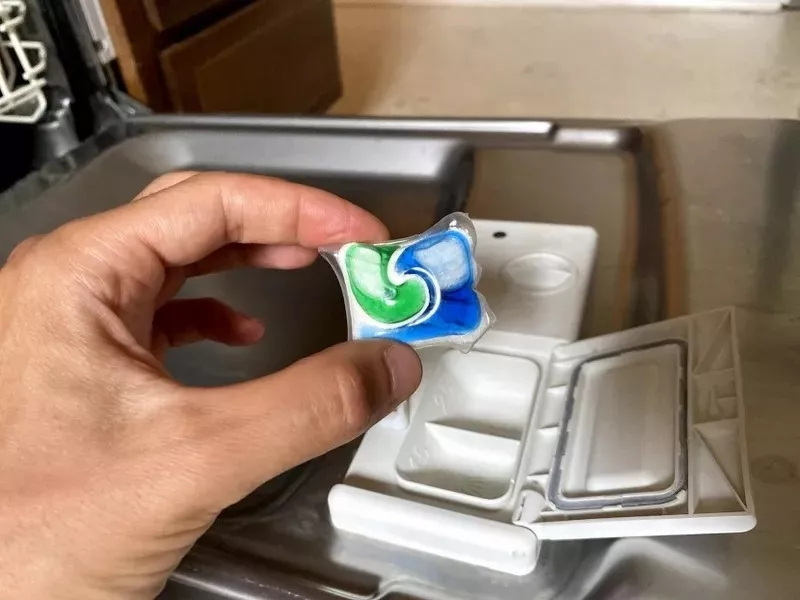
Before analyzing how freezing impacts these pods, it helps to understand what they are made of. Cascade dishwasher pods are compact, multi-chamber detergent capsules designed to dissolve completely during a dishwashing cycle. Their formula includes a precise blend of ingredients engineered to handle tough grime and hard water.
The major components include:
- Surfactants, which break up grease and hold residues in suspension.
- Enzymes, which digest organic materials such as proteins and starch.
- Builders, which soften water and enhance performance.
- Oxygen bleach, which removes stains and brightens dishes.
- Water-soluble PVA film, which seals and dissolves in contact with water.
These ingredients are stable under normal household conditions but sensitive to external factors such as temperature and humidity. When exposed to extreme cold, certain reactions can occur within the pod that influence its function.
Yes, Cascade dishwasher pods can freeze if exposed to subfreezing temperatures for extended periods. Although the pods do not freeze in the same way as pure water, their liquid detergent and gel segments contain moisture, which can solidify or partially crystalize when temperatures dip below 32°F (0°C).
The extent of freezing depends on several factors:
- Duration of exposure to cold conditions.
- Ambient humidity in the storage environment.
- Presence of any airflow, which may accelerate cooling.
Frozen pods typically become semi-rigid or develop grainy textures inside. The gel may separate into layers, causing inconsistent detergent concentration. In some cases, the outer PVA film feels stiff or brittle, making it more susceptible to cracks when handled.
Despite this, frozen Cascade pods rarely become completely unusable. Once thawed gently, they often retain enough cleaning capacity for normal use, though results may vary slightly.
Understanding why freezing occurs helps explain the visible changes in pods. The cleaning solution inside each pod contains water, surfactants, and soluble compounds. When temperatures drop, ice crystals begin forming in the water phase first. This process pushes dissolved detergents, enzymes, and salts into remaining liquid pockets, potentially creating uneven concentrations.
When thawed, the mixture reconnects but not always evenly, sometimes leading to streaking or incomplete rinsing performance. Moreover, the polyvinyl alcohol film enclosing the liquid becomes less elastic in the cold. PVA remains chemically stable but physically stiffens, meaning that once the pod is handled, it may crack if pressure is applied.
These effects make it essential not just to thaw pods properly but to store them in conditions that prevent freezing from the start.
When Cascade pods freeze, they experience both physical and chemical alterations:
1. Textural changes – The smooth consistency of gel or liquid detergent may become grainy or crystallized.
2. Film rigidity – The outer shell turns brittle, increasing the chance of breakage.
3. Reduced solubility – Frozen or partially frozen films sometimes take longer to dissolve completely.
4. Enzyme deactivation – Some sensitive enzymes lose activity due to cold-induced stress, reducing cleaning performance.
5. Imbalanced dispersion – When thawed, ingredient layers may not remix evenly, causing less efficient cleaning.
Although most of these effects are reversible, long-term freezing or repeated cycles of freezing and thawing can lead to permanent degradation.
To keep Cascade pods performing optimally, proper storage is key. The manufacturer recommends storing detergent pods in a cool, dry place at room temperature, typically between 50°F (10°C) and 77°F (25°C).
Avoid the following storage conditions:
- Freezing environments such as garages, basements, or outdoor utility rooms.
- Areas near heat sources like ovens, dishwashers, or water heaters.
- High-humidity locations such as under-sink cabinets without ventilation.
Maintaining a stable environment prevents condensation from affecting the pod's water-soluble wrapper and ensures both film and detergent remain intact.
If you live in a region with cold winters, store the pods inside a pantry or upper cabinet. A simple move from the garage shelf to the kitchen can prevent unnecessary damage.
Accidents happen—sometimes pods freeze when storage areas unexpectedly drop below freezing. Fortunately, there are safe steps to take to salvage them:
1. Let them thaw naturally. Move the pods indoors and allow several hours at room temperature for them to return to their normal consistency.
2. Avoid heating devices. Do not use microwaves, ovens, or hair dryers; these can melt the film prematurely, releasing detergent.
3. Inspect carefully. Check each pod for cracks, leaks, or ruptured seals. Discard any damaged ones.
4. Test performance. Run a single dishwasher load to evaluate if the thawed pods dissolve and clean properly.
5. Use soon after thawing. Avoid storing thawed pods in damp areas, as moisture may cause clumping or premature film dissolving.
These careful recovery practices prevent waste and ensure safety while maximizing the product's usable lifespan.
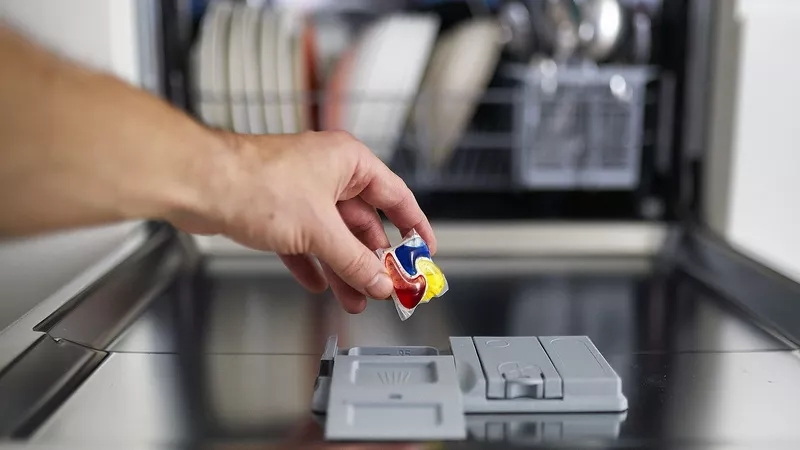
If you typically buy pods in bulk, implementing robust storage strategies matters even more. Below are several guidelines to keep Cascade pods fresh and freezer-safe:
- Use airtight containers or jars. They reduce exposure to air and moisture.
- Add moisture absorbers. A small silica gel packet in the container can help maintain dryness.
- Monitor room temperature. Avoid storing near walls exposed to exterior conditions.
- Keep containers elevated. Avoid floors that transmit more cold, especially in basements.
- Rotate inventory. Always use the oldest pods first to prevent degradation over time.
Smart organization boosts efficiency, saves money, and ensures the pods remain useful throughout the year.
Yes, in most cases, you can use frozen Cascade pods once they have thawed properly. However, results depend on several factors, such as how long they were frozen and whether the film remained intact.
If the pod looks intact—no cracks, leaks, or crystallized residue—it should still dissolve during the wash. Yet, if you notice partial dissolving, lingering detergent on dishes, or cloudy glassware, discard that batch. It's better to replace compromised pods than risk poor cleaning results or residue buildup inside your dishwasher.
To maintain effectiveness after thawing:
- Run a hot water cycle to help the pod dissolve fully.
- Avoid overloading the dishwasher, allowing proper detergent distribution.
- Wipe away residue from previous cycles before starting a new one.
These adjustments make up for any mild performance loss after freezing.
Besides temperature, moisture in the air can also affect Cascade pods significantly. If pods are left in open containers or damp environments, the PVA film may begin to soften or dissolve slightly, causing pods to stick together. When combined with freezing temperatures, this can lead to clumps of hardened detergent that are difficult to separate.
To prevent this:
- Keep pods sealed tightly at all times.
- Avoid storing near kitchen sinks or dishwashers where steam collects.
- Regularly inspect for signs of moisture absorption, such as slight tackiness on the surface.
Humidity control is often the missing factor in preserving pod quality over long periods.
Cascade pods are engineered to be eco-friendly and safe for most wastewater systems. However, improper handling during freezing can increase waste or create safety hazards.
- Cracked pods can spill detergent, which may cause irritation if touched or inhaled.
- Improper disposal can lead to chemical concentration in trash or drains.
- Exposure to children or pets may rise if frozen pods crack open or leak.
To minimize risks, always store pods in their original packaging or childproof containers, far from accessible shelves or drawers. Dispose of damaged pods according to local household chemical guidelines.
Also, consider environmental responsibility by buying quantities you can store safely during winter months. This approach minimizes waste from unused or spoiled detergent products.
When frozen, dishwasher pods may underperform because of enzyme suppression. Enzymes work optimally at warm temperatures, and prolonged freezing damages their molecular structure. Even if thawed, they might not react properly during cleaning.
In addition, uneven thawing can cause ingredients to clump, making the pod dissolve inconsistently. This may leave detergent residue on dishes or film on glassware. If this happens, wipe dishes manually and run an empty dishwasher cycle with vinegar to remove lingering detergent buildup.
Monitoring how your dishes look after a thawed pod cycle gives a reliable performance indicator.
Cascade dishwasher pods are convenient, effective, and designed for modern kitchens—but like most cleaning materials, they are sensitive to extreme conditions. Yes, they can freeze, especially when stored below 32°F (0°C), which may change their texture, slow dissolution, or slightly reduce cleaning effectiveness.
To ensure ideal performance, always store them in temperatures between 50°F and 77°F, in a dry, sealed environment away from outdoor walls and direct heat. If freezing occurs, don't panic—thaw pods carefully at room temperature and inspect before use.
Proper storage is the simplest and most effective way to extend the lifespan and reliability of Cascade dishwasher pods all year long.
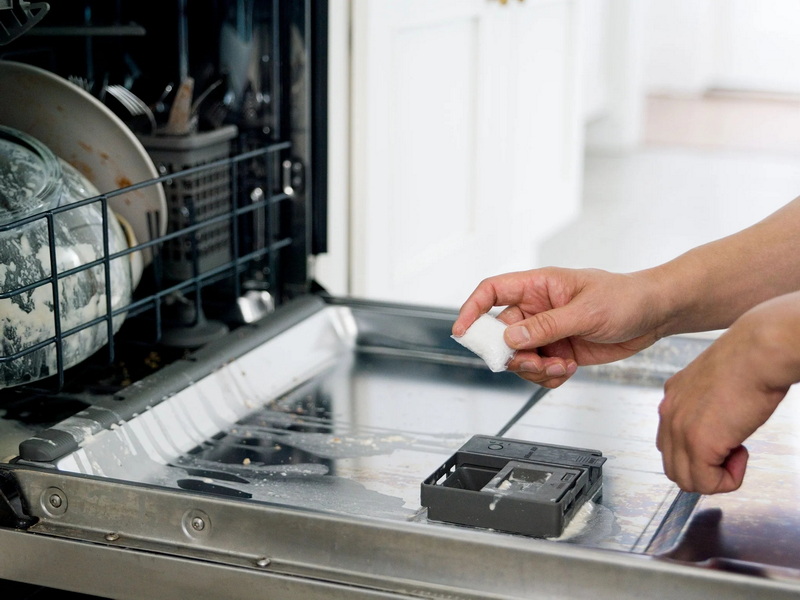
Yes, as long as the pod isn't cracked or leaking, it can be used once thawed. Allow them to warm gradually at room temperature. If properly intact, they should dissolve normally and clean dishes effectively.
Not entirely, but extremely cold conditions can cause partial separation of ingredients, especially enzymes and surfactants. Repeated freezing and thawing cycles may reduce cleaning strength noticeably over time.
No. Cracked or broken films expose concentrated detergent and create a risk of skin irritation or equipment damage. Discard any pods showing visible ruptures, clumps, or leaks to maintain safety.
Store them indoors in a temperature-stable space away from exterior walls, such as a kitchen cabinet or pantry. Use airtight containers, and avoid unheated basements, garages, or attics during cold months.
An airtight, opaque plastic bin or glass jar works best. Avoid metal containers that may collect condensation. Always keep the pods dry, sealed, and out of reach of children and pets.


