
Views: 222 Author: Tomorrow Publish Time: 12-14-2025 Origin: Site


Content Menu
● Understanding How Laundry Pods Work
● Common Reasons Laundry Pods Don't Dissolve
>> 4. Poor Water Quality and Hardness
>> 5. Weak Water Flow or Pressure
>> 6. Short or Eco Wash Cycles
>> 7. Old or Improperly Stored Laundry Pods
● How to Prevent Laundry Pods from Not Dissolving
● Environmental and Wash Setting Considerations
● Troubleshooting Residue after Washing
● How Different Machine Types Affect Pod Dissolution
>> High-Efficiency (HE) Washers
● When to Contact a Professional
● Environmental Impact and Pod Materials
● FAQ
>> 1. Why do pods sometimes stick to clothes?
>> 2. Can I use laundry pods in cold water?
>> 3. What should I do if a pod doesn't dissolve completely?
>> 4. Are laundry pods safe for high-efficiency machines?
>> 5. Do expired pods lose their dissolving ability?
Laundry pods were designed to make life easier — just toss one in, run your washer, and enjoy clean clothes with no mess or overpouring. But sometimes, that convenience becomes a frustration when the pod doesn't fully dissolve. You might open your washer to find half-melted plastic-like residue on your garments or slimy remains inside the drum.
If you've asked yourself, “Why does my laundry pod not dissolve?”, you're far from alone. This issue occurs in countless homes, often for simple and preventable reasons. In this article, we'll dive deep into the science of how pods work, uncover the main reasons they might fail, and provide practical solutions so you can enjoy a spotless wash every single time.
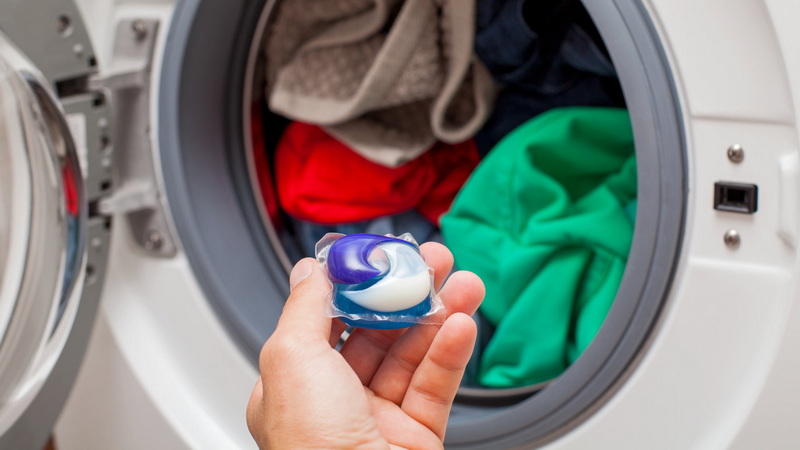
Laundry pods are small, pre-measured packets containing detergents, stain removers, and sometimes fabric softeners. What makes them unique is their outer film made of polyvinyl alcohol (PVA) — a biodegradable, water-soluble material. When the pod comes in contact with water, that film dissolves and releases its contents evenly into the wash.
However, for PVA to dissolve properly, certain environmental and mechanical conditions must be met: the right water temperature, pressure, and flow, accompanied by sufficient drum movement. If these aren't balanced, pods can clump together, stick to clothing, or partially dissolve, leaving a gooey residue.
Let's break down the most frequent culprits, one by one.
Many people prefer cold-water cycles to save energy and prevent fabric damage, but cold water lacks the heat needed to dissolve PVA film quickly. When temperatures dip below 30°C (86°F), pods struggle to dissolve completely, especially in short cycles.
Solutions:
- Use warm or hot water settings (30–40°C) for pod-activated washes, particularly for towels or bedding.
- For cold washes, look for brands labeled “cold water formula” or bio-enzymatic pods designed for low temperatures.
- Drop the pod into the drum before adding clothes, ensuring direct water exposure.
If your washer is too full, water can't circulate effectively. This limits movement, meaning pods get trapped between layers of fabric, unable to contact enough water to dissolve completely.
Solutions:
- Reduce load sizes. Fill the drum only three-quarters full.
- Separate bulky items such as comforters or jackets from regular laundry.
- Allow clothes enough room to tumble freely.
Placing pods incorrectly is a surprisingly common mistake. Many users toss pods on top of laundry or even into detergent dispensers — both can prevent full contact with water at the start of the cycle.
Solutions:
- Always place pods directly in the drum first, before clothes.
- Never put pods in the detergent drawer.
- If using a top-loader without an agitator, push the pod slightly below the first clothing layer for optimal water contact.
Hard water, rich in calcium and magnesium, reduces detergent efficiency and interferes with pod dissolution. The minerals can bind to PVA films, creating stubborn patches that won't rinse away.
Solutions:
- Test your water hardness using a kit or digital meter.
- Use a water softener or install a whole-house softening system.
- Choose detergent pods formulated specifically for hard water environments.
Laundry pods dissolve best with consistent water flow washing over them. If your washer suffers from low pressure, clogs, or restricted hoses, the pod may remain stuck in one area and never fully dissolve.
Solutions:
- Inspect water inlet hoses and clean the filter screens every few months.
- Ensure both cold and hot valves are open.
- Run a maintenance cycle monthly to clear potential blockages.
Short cycles save energy but reduce time and water exposure necessary for pods to dissolve. In many cases, the washer doesn't even reach the optimal dissolving temperature during an eco setting.
Solutions:
- For heavily soiled clothes, use standard or heavy-duty cycles instead.
- Save eco settings for small, lightly soiled loads or delicates.
- Combine eco washing with detergent sheets or liquids for better dispersion.
Storage conditions matter more than most people realize. Moisture, humidity, or heat exposure can cause pods to fuse together, lose integrity, or partially dissolve inside the container.
Solutions:
- Keep pods in their original airtight containers.
- Store in a cool, dry place, ideally between 10–25°C (50–77°F).
- Avoid leaving containers on top of the washer, near vents, or under sinks.
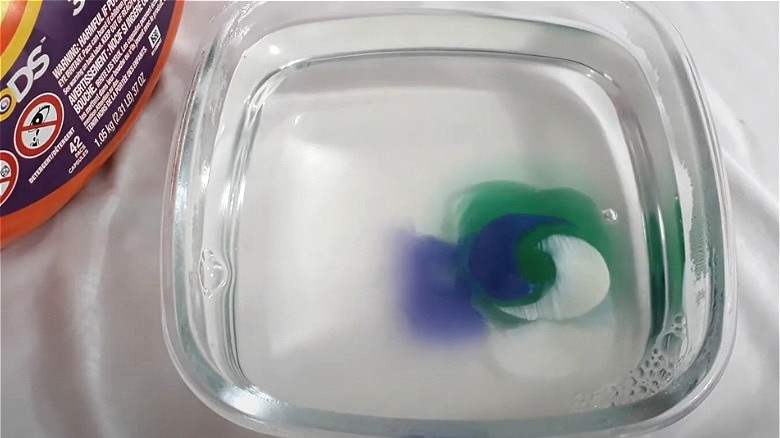
With just a few habit changes, you can guarantee that your detergent pods dissolve flawlessly.
Best practices include:
- Add before clothes: Always drop the pod in before adding laundry.
- Avoid overcrowding: Leave enough space for movement.
- Use the right cycle length: Long enough for proper detergent dispersion.
- Choose suitable temperature: Warm or hot water dissolves pods efficiently.
- Maintain your machine: Keep filters and dispensers clean and unclogged.
- Store correctly: Protect pods from moisture exposure.
- Check expiration: Replace old pods that have hardened or stuck together.
Following these steps ensures not only proper dissolution but also cleaner, fresher-smelling laundry and a healthier washing machine.
Besides mechanical causes, room temperature and humidity can affect pod dissolution. Laundry rooms tend to trap moisture, especially in basements or tight utility areas. Constant humidity exposure can soften or pre-activate the pod film, making it behave unpredictably during washing.
Practical storage advice:
- Keep pods off the floor and away from dryers, which emit heat.
- Store in a sealed box with a desiccant packet if humidity exceeds 60%.
- Close pod bags immediately after every use.
Moreover, some modern washing machines use low-water efficiency systems that limit detergent dispersion. If your washer uses limited water, you might see more frequent dissolving issues. In this case, adding a small amount of water manually at the start may help pods dissolve more effectively.
If you still find pod residue after a wash, don't panic. It's usually easy to fix.
1. Rewash affected clothes using warm water and no detergent.
2. Clean the drum using a damp cloth with a few drops of vinegar to break down sticky film.
3. Run a hot empty cycle with washing machine cleaner monthly to clear buildup.
4. Switch pod brands or test small cycles to find one suited to your water type.
5. Check temperature sensors in modern washers — incorrect readings may cause persistent dissolving issues.
After adjusting your routine, most users report cleaner loads with no residue after just a few washes.
Front-loaders are more efficient but use less water. This limited water exposure makes correct pod placement critical. Always put the pod first, close to the drum bottom, so early water contact triggers proper dissolution.
Top-loaders, especially those without central agitators, may require subtle placement adjustments. Push the pod near the center for maximum tumbling contact. If using heavy or dense laundry items, consider using two smaller pods instead of one large one to distribute detergent better.
HE machines consume less water overall but maintain higher mechanical action. Always use pods labeled “HE-compatible” to avoid oversudsing and ensure proper film breakdown.
If you've already adjusted your habits—water temperature, pod placement, and load size—but the problem persists, it might be time for a professional inspection.
Persistent pod dissolving issues could indicate:
- Faulty water inlet valves restricting pressure.
- Malfunctioning heating elements never reaching target temperatures.
- Accumulated buildup in internal hoses or detergent channels.
A technician can recalibrate temperature sensors, replace worn seals, and test flow consistency. These checks not only solve pod issues but also help your washer last longer and perform more efficiently.
Most modern pods are designed to be eco-friendly. Their PVA wrapping is biodegradable and dissolves into natural compounds. However, incomplete dissolution—often due to cold cycles or poor washing conditions—can contribute to residue entering wastewater.
Proper use doesn't just improve washing results; it also protects the environment. By ensuring full pod dissolution, you reduce microplastic residues and detergent waste.
To stay sustainable:
- Always wash full loads, not half loads.
- Use cold-water-optimized pods rather than generic ones.
- Store pods correctly to prevent premature degradation.
Laundry pods make washing more convenient, but they require the right environment to perform well. When they fail to dissolve, it's usually due to cold water, overfilled machines, poor placement, hard water, or machine inefficiencies.
By focusing on proper washing practices—adequate water temperature, balanced load sizes, direct placement, and regular maintenance—you can prevent most dissolving issues. Each small adjustment ensures cleaner clothes, fresher scents, and no residue surprises.
Your laundry pods should work for you, not against you. With the guidance in this article, you'll be well on your way to achieving flawless wash results every time.
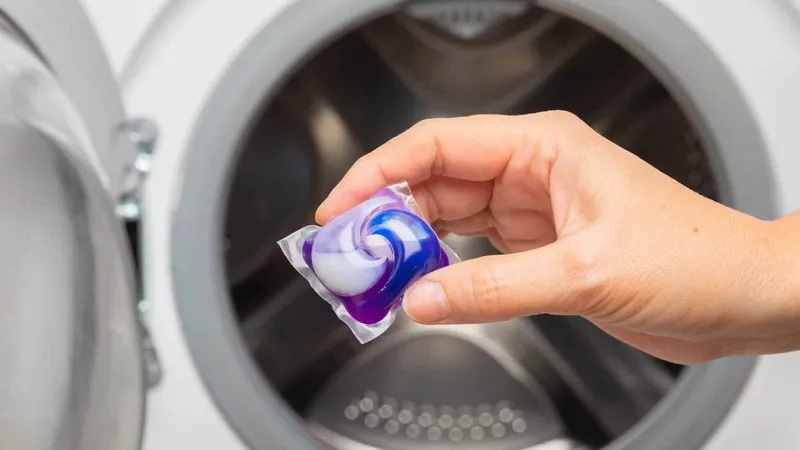
Pods may stick when trapped between layers of wet fabric before dissolving. Always place them at the bottom of the drum and avoid overloading your washer.
Yes, but performance depends on the brand. Choose cold-water compatible pods or extended cycles to ensure full dissolution.
Remove residue, rewash with warm water, and check your machine settings. Avoid using eco or quick cycles for large loads.
Absolutely. Many are specifically engineered for HE washers. Just make sure the packaging says “HE safe” or “HE compatible.”
Yes. Over time, PVA film hardens or clumps under moisture exposure. Always check expiration dates and keep pods in an airtight container.


