
Views: 222 Author: Tomorrow Publish Time: 12-16-2025 Origin: Site


Content Menu
● What Are Laundry Detergent Pods?
● Can Laundry Detergent Pods Actually Freeze?
● Effects of Freezing on Cleaning Performance
● Ideal Storage Conditions for Laundry Detergent Pods
● What To Do If Your Pods Have Frozen
● Manufacturer Innovations to Prevent Freezing
● The Role of Humidity and Condensation
● Do Cold Laundry Cycles Affect Frozen Pods?
● Environmental Impacts and Waste Considerations
● Myths and Misconceptions About Frozen Pods
● FAQs
>> 1. Do laundry detergent pods go bad if they freeze?
>> 2. Can I put frozen pods directly into the washing machine?
>> 3. Where should I store detergent pods in winter?
>> 4. How do I know if pods have gone bad?
>> 5. Are there special pods for cold or freezing climates?
Laundry detergent pods have become a modern solution for simplifying household chores. Compact, convenient, and pre-measured, they eliminate the guesswork of using traditional liquid or powder detergents. Their tidy design and powerful cleaning formula make them increasingly popular. Yet many people living in colder climates wonder: Will laundry detergent pods freeze? Understanding how temperature influences these small but effective cleaning capsules can help you make the most of them year-round.

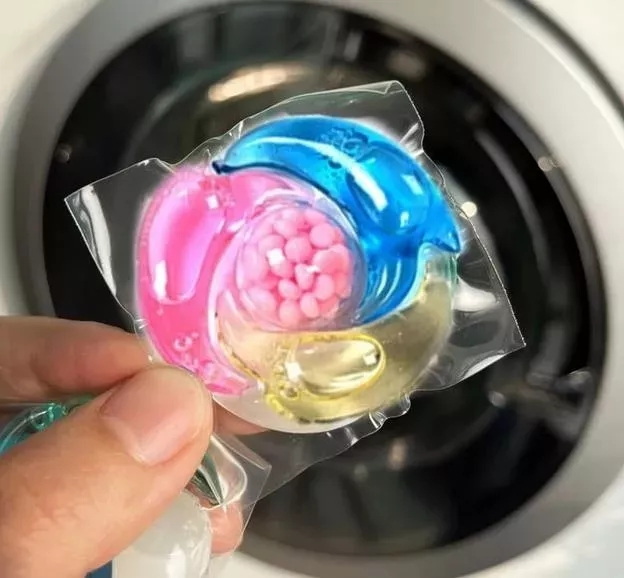
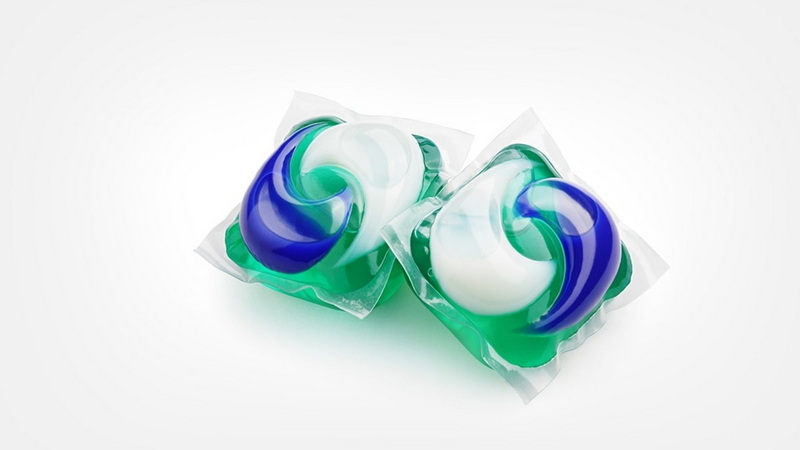
Laundry detergent pods, sometimes called laundry packs or capsules, are single-use cleaning doses encased in a water-soluble film. Inside each pod lies a concentrated mix of detergent, stain removers, brighteners, and sometimes even fabric softeners or scent boosters. When placed in water during a wash cycle, the film quickly dissolves and releases the contents evenly into the load.
The key material in the pod's outer layer is polyvinyl alcohol (PVA)—a biodegradable, water-soluble polymer. It safeguards the liquid inside from humidity and physical damage while ensuring complete dissolution once exposed to water. Because of their formulation, pods are sensitive not just to excessive water but also to temperature fluctuations, both of which can affect their texture and performance.
To understand why and when laundry detergent pods freeze, it helps to look at their chemical composition. The main ingredients—surfactants, water, enzymes, and solvents—combine to create a balanced mixture that removes dirt efficiently. Water, an essential component of many detergent liquids, naturally freezes at 32°F (0°C). While detergent contains other chemicals that lower its freezing point somewhat, it can still solidify under prolonged exposure to cold.
When the internal liquid of a pod cools too much, its viscosity increases, turning the once-fluid detergent into a semi-solid gel or hard mass. The PVA film, although durable, can become brittle when frozen. If cracked, the pod may leak detergent, leading to clumps or residue formation, especially if stored next to other pods.
In essence, detergent pods do not always freeze completely solid like ice, but they can stiffen or crystallize in low temperatures. This is enough to impair their function when used immediately in the washing machine.
Yes, under extremely cold conditions, laundry detergent pods can freeze or at least become semi-solid. Homeowners who store their pods in garages, sheds, or laundry rooms without heating often encounter this issue during winter. You might notice the pods appear rigid, discolored, or slightly separated inside.
Fortunately, this type of freezing rarely ruins them permanently. Once they return to room temperature, the viscosity generally returns to normal. The key factor is *duration*—a short freeze rarely harms them, but weeks or months of exposure to sub-zero temperatures might cause ingredients to separate or degrade. A thawed pod that looks swollen, sticky, or oddly shaped should be discarded.
Freezing can impact laundry detergent pods in multiple ways:
- Loss of consistency: A frozen pod may not dissolve fully, leaving detergent spots or residue on fabric.
- Compromised film integrity: Extreme cold can weaken or crack the PVA film, making it prone to leakage.
- Reduced enzyme activity: Some enzymes in detergents become less effective after freezing and thawing cycles, decreasing their ability to break down stains.
- Clumping together: When moisture and cold combine, pods may stick to one another, tearing the film and causing product waste.
These issues compromise cleaning results, detergent efficiency, and the overall appearance of clothing. Therefore, maintaining stable storage conditions is vital for both product preservation and washing performance.
Manufacturers carefully design pods to perform best within certain environmental ranges. The ideal storage temperature is between 50°F (10°C) and 85°F (29°C). This range ensures that the detergent liquid remains balanced while the PVA film retains flexibility and strength.
Here are best practices for storage:
- Keep pods indoors: Avoid garages, sheds, or basements that experience freezing or fluctuating humidity levels.
- Store away from direct sunlight: UV exposure may cause the film to degrade or the detergent to thicken.
- Seal after use: Always close containers tightly to prevent air and moisture infiltration.
- Use the original packaging: Pod manufacturers design these containers to protect from moisture and temperature variation.
- Avoid placing near heaters: Excessive warmth may soften or partially dissolve the pods.
Consistent, room-temperature storage will prevent freezing or premature degradation, ensuring long-term effectiveness.
If you find that some pods have become stiff or icy, don't panic. You can often restore them by letting them warm naturally.
1. Move to room temperature: Bring the pods indoors and keep them at a steady, moderate temperature for several hours.
2. Avoid direct heat sources: Refrain from microwaving, heating, or exposing them to sunlight—this could melt or rupture the film.
3. Inspect once thawed: If any pods have sticky surfaces, visible leaks, or cracks, dispose of them safely.
4. Conduct a test load: Before washing a full load, use one pod to confirm it dissolves completely.
If only a portion of the batch froze, mix thawed pods thoroughly before resuming regular use to ensure even detergent performance.
Recognizing that many households operate in variable climates, detergent manufacturers have improved formulations. Some brands incorporate mild anti-freeze agents—such as propylene glycol or ethanol derivatives—to lower the freezing point of the detergent mix. These additives allow the liquid interior to stay flexible even in moderately cold conditions. Other brands use thicker film coatings that resist cracking at lower temperatures.
Despite these advancements, no pod is entirely immune to freezing. For this reason, even cold-resistant products include clear storage guidelines on labels or packaging inserts, advising users to avoid exposure to sub-freezing environments.
When temperatures drop, simple preventive measures can protect your detergent supply:
- Store pods in a kitchen cabinet rather than a laundry room near outdoor walls.
- Place them inside an airtight plastic container for insulation.
- Add a small packet of silica gel to prevent moisture buildup.
- Keep the container on a shelf away from concrete floors, which can transfer cold.
- Periodically check for signs of clumping or cracking during winter months.
These basic precautions maintain detergent quality and prevent waste. For households relying on outdoor or detached laundry spaces, consider bringing both detergent and fabric softeners indoors after each use.
Cold environments aren't the only problem. Moisture is an equally serious concern for detergent pod integrity. Sudden temperature changes—like bringing cold pods into a warm room—can create condensation inside their container. Tiny water droplets can initiate premature dissolution of the PVA film, causing pods to stick together or leak.
To minimize this issue, allow cold containers to reach room temperature before opening. If pods are stored in humid regions, airtight plastic bins or moisture-absorbing packs can help maintain stable conditions.
Many people wonder if washing clothes in cold water compounds the problem of frozen detergent pods. When using frozen or partially stiff pods in low-temperature wash cycles, the film may not dissolve completely, leading to undissolved residue on fabrics.
To counter this, always ensure that pods have fully thawed before use. Placing pods directly in the drum before loading clothes (rather than in the detergent drawer) improves dissolution, especially in colder washes. Some detergent formulas are specifically optimized for cold water and perform well even under less-than-ideal conditions, but proper storage remains the best safeguard.
Discarding pods damaged by freezing isn't just wasteful—it also raises environmental concerns. The PVA film, although biodegradable, requires proper disposal processes. If large numbers of pods deteriorate due to freezing, this translates into unnecessary manufacturing and packaging waste.
To reduce your environmental footprint:
- Buy detergent pods in quantities that suit seasonal demand.
- Use airtight containers to extend shelf life.
- Store detergent responsibly to avoid product spoilage.
These small actions conserve resources while ensuring your laundry stays fresh and clean without harming the environment.
Misunderstandings about laundry pods in cold weather are common. Here are a few clarified truths:
- Myth: Detergent pods can't freeze because they contain chemicals.
Truth: While additives lower the freezing point, extreme cold can still thicken or harden the liquid.
- Myth: Once a pod freezes, it's unusable.
Truth: Thawed pods often work fine if the film remains undamaged.
- Myth: Keeping pods near a heater is the best prevention.
Truth: Excessive heat can also ruin pods; moderate storage is key.
Recognizing these facts helps consumers make informed decisions and avoid wasteful mistakes.
So, will laundry detergent pods freeze? Yes—if exposed to freezing temperatures for extended periods. Yet freezing doesn't always ruin them permanently. As long as the protective film remains intact and the product is properly thawed, it should function normally once brought back to room temperature.
The best solution lies in prevention. Store pods indoors, in sealed containers, and away from direct heat or moisture. By maintaining stable temperatures, you'll safeguard their cleaning power, extend shelf life, and reduce waste. With some simple precautions, laundry detergent pods work brilliantly even through the harshest winters.
Freezing may temporarily alter texture or performance but doesn't always spoil them. If a pod dissolves completely and the film is intact, you can use it safely.
Not ideally. Allow them to thaw naturally at room temperature before use; otherwise, they may not dissolve fully, leaving detergent residue on fabrics.
Store in a dry, indoor place with temperatures above 50°F (10°C), away from unheated areas or direct sunlight.
Spoiled pods appear clumped, sticky, discolored, or leaking. They may also have a sour chemical smell—throw them out if this occurs.
Yes. Some brands produce cold-resistant pods containing stabilizers and anti-freeze elements that help them remain effective even in chilly environments.


