
Views: 222 Author: Tomorrow Publish Time: 12-17-2025 Origin: Site


Content Menu
● Understanding Dishwasher Pods
● What Happens If You Use a Dishwasher Pod in Laundry?
>> Excessive Residue on Clothing
>> Chemical Irritation on Skin
>> Damage to the Washing Machine
>> Safety Concerns When Mixing Products
● Key Differences Between Dishwasher and Laundry Detergents
>> Comparison of Formulas and Functions
>> How Surfactants Behave on Fabric
● The Science Behind Detergent Formulas
>> Enzymes and Bleaching Systems
● What to Do If You Accidentally Used a Dishwasher Pod
● Safe Alternatives When You're Out of Laundry Detergent
● Environmental and Health Considerations
>> Wastewater and Chemical Load
>> Pod Confusion and Visual Similarity
● FAQ
>> 1. Can you use dishwasher pods for handwashing clothes?
>> 2. What happens if my clothes smell like detergent after using a pod?
>> 3. Are dishwasher pods ever safe for any fabric type?
>> 4. Can using dishwasher pods void a washing machine warranty?
>> 5. What's the best emergency laundry substitute?
When you discover an empty bottle of laundry detergent on laundry day, the temptation to improvise hits fast. You scan your shelves and spot a tub of dishwasher pods. They clean dishes, so can they clean clothes too? Many people ask the same question: can you wash laundry with a dishwasher pod?
At first glance, it sounds like a clever, money-saving hack. Both products are detergents, both come in pod form, and both promise powerful cleaning. However, below the surface, they are fundamentally different. Using dishwasher pods in your washing machine carries risks that most people never consider until something goes wrong.
This article explains why dishwasher pods are not suitable for laundry, what can happen if you use them anyway, what to do if you already made the mistake, and which safe alternatives you can turn to when you run out of laundry detergent.
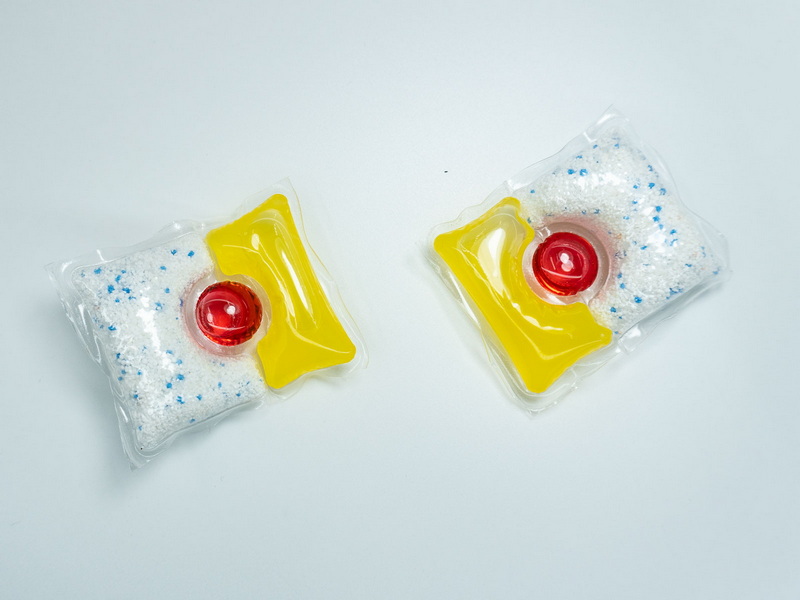
Dishwasher pods are pre-measured packets that contain a mixture of cleaning agents, enzymes, and additives engineered specifically for dishwashers. They usually include:
- Strong alkalis to break down baked-on food.
- Enzymes that target proteins and starches.
- Rinse aids that reduce spotting and filming on glassware.
- Water softeners to combat mineral buildup.
These formulations work in an environment where:
- Water gets very hot.
- Spray arms blast water directly at hard surfaces.
- There is no concern about fabric softness or skin contact.
Laundry, in contrast, involves flexible, porous materials that absorb chemicals and retain moisture. Clothes then spend hours in contact with your skin. Because of this, laundry detergents use gentler surfactants and often include fabric-care ingredients such as brighteners and conditioners.
The look of dishwasher pods and laundry pods may be similar, but their intended use, chemistry, and safety profiles are very different.
Using a dishwasher pod in your washing machine will not typically cause an instant disaster, but it can introduce several subtle and not-so-subtle problems.
Dishwasher detergents are highly concentrated and optimized for spray action and high-temperature water. In a washing machine, especially on cold or eco settings, a pod may not dissolve completely. This can leave:
- White or chalky streaks.
- A stiff, scratchy feel on fabric.
- Invisible film that traps odors instead of removing them.
Over time, residue can accumulate, making clothes look dull or feel uncomfortable even after multiple washes.
Dishwasher detergents are not formulated with prolonged skin contact in mind. Any remaining detergent trapped in fabric fibers can cause:
- Itching.
- Red patches or rashes.
- Irritation on sensitive areas like underarms or waistlines.
For infants, people with eczema, or those with sensitive skin, these residues can be especially problematic.
Dishwasher pods are designed to dissolve in a different water-flow pattern and may not break down as expected in a washer. This can lead to:
- Gumming up of the detergent drawer or dispenser.
- Build-up on hoses, filters, or the drum.
- Extra wear on rubber seals and gaskets due to harsher chemicals.
While one accidental use is unlikely to destroy a machine, repeated misuse can shorten its life and increase the need for repairs.
Some people try to “boost” cleaning by combining dishwasher pods with laundry detergents or bleach. This is risky, because:
- Strong alkalis and oxidizers may react unpredictably.
- Fragrance and additive mixtures can create irritating fumes in enclosed spaces.
- The combined load can be harder to rinse properly, leaving even more residue.
In short, while your clothes might look somewhat cleaner after a cycle with a dishwasher pod, the potential consequences for fabrics, skin, and appliances make this a bad idea.
Understanding the differences at a glance helps clarify why substitution is unsafe.
- Dishwasher pods emphasize degreasing and stain removal from hard, non-porous surfaces.
- Laundry detergents emphasize fabric care, stain removal, and safety for skin contact.
Dishwasher products are closer to industrial cleaners, while laundry detergents are closer to personal-care products in their safety and testing profile.
Surfactants in dishwasher pods are designed to rinse off glass, metal, and ceramic without leaving streaks. On fabrics, however, these surfactants can:
- Penetrate deeply into fibers.
- Bind more strongly and resist rinsing.
- Alter the feel and drape of materials.
Laundry surfactants, by contrast, are balanced with water conditioners and sometimes softeners so they wash away more easily while still lifting soil.
Both dishwasher and laundry detergents rely heavily on surfactants, builders, and enzymes. The difference lies in which ingredients are chosen and at what concentration.
Dishwasher detergents often use powerful builders to soften water and enhance cleaning in high-heat conditions. They create a highly alkaline environment meant to strip away food deposits. Fabrics, dyes, and elastic fibers do not respond well to this harsh environment and can weaken or fade over time.
Laundry detergents generally keep the pH more moderate, balancing cleaning power with fabric preservation. Many are specially formulated for dark colors, delicate garments, or baby clothes, reflecting the need for gentleness.
Dishwasher pods may contain strong oxygen-based bleaches and enzymes that focus on starchy and protein-based residues like egg or cheese. These can be too aggressive for certain dyes and delicate fibers.
Laundry detergents use a different mix of enzymes to break down sweat, body oils, and common fabric stains while minimizing color loss and fiber damage.
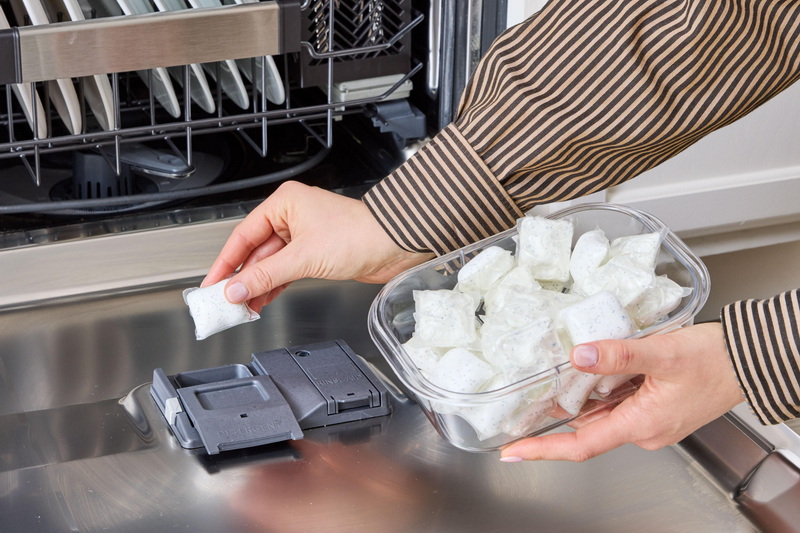
If you have already washed a load of clothes with a dishwasher pod, acting quickly can reduce damage.
1. Remove the Laundry Immediately
Do not let the clothes sit in the washer for long. Standing water holds a high concentration of detergent chemicals.
2. Run an Extra Rinse Cycle
Place the clothes back in the washer and run at least one full rinse cycle with no additional detergent. If the clothes still feel slimy, slick, or heavily scented, repeat the rinse.
3. Inspect Clothes Carefully
Check for:
- Fading or color changes.
- Rough or stiff texture.
- White spots or streaks.
If damage appears minor, additional rinses may help. For delicate or expensive items, consider hand-rinsing in warm water.
4. Clean the Washing Machine
After removing the clothes, run an empty hot cycle with:
- A washing-machine cleaner, or
- A cup of white vinegar in the detergent tray.
This helps flush out lingering detergent and prevents buildup or odors.
5. Monitor Skin Reactions
If you wear any garments from that load and notice itching or rashes, remove the clothing and rewash it with proper detergent, followed by an extra rinse.
One accidental wash does not guarantee disaster, but taking these steps can help restore both your laundry and your machine.
If you truly cannot get to the store, several safer options exist that are far better than turning to dishwasher pods.
- Baking soda
Add around half a cup directly into the drum. It helps neutralize odors and gently lifts some soils.
- White vinegar
Use half to one cup in the fabric softener compartment. It can soften fabric and help rinse out light dirt and detergent residues.
- Mild liquid Castile soap
Use a small amount (1–2 teaspoons) in the detergent drawer. It works best in soft or moderately hard water and on lightly soiled loads.
- Dishwasher pods or powder
Not fabric-safe, not skin-safe for prolonged contact, and hard to rinse out.
- Regular dish soap for handwashing dishes
It creates too many suds, which can overwhelm modern high-efficiency machines and cause leaks or sensor errors.
- Household cleaners or disinfectants
These may contain bleach, ammonia, or solvents that can permanently damage fabrics and are unsafe against the skin.
Using minimalist, gentle alternatives for a single emergency load is far better than risking your washer and wardrobe with the wrong type of detergent.
How and where you use detergents also affects the environment and indoor air quality.
When products are misused, more of their chemicals end up partially rinsed and discharged into wastewater systems. Dishwasher pods are already highly concentrated; using them for laundry means:
- Extra surfactants and builders reaching waterways.
- A higher chemical load for municipal treatment plants.
- Potential stress on septic systems in rural homes.
Laundry detergents are at least tested with fabric loads, rinse patterns, and expected dilution levels in mind.
Leftover detergent in clothing can slowly release fragrances and other volatile compounds as you wear them. With dishwasher formulations, these compounds were not necessarily evaluated for constant skin contact or all-day inhalation in close proximity.
Choosing the correct detergent reduces both your personal exposure and your household's overall chemical footprint.
Despite the drawbacks, the idea of using dishwasher pods for laundry continues to spread.
Visually, laundry pods and dishwasher pods often:
- Use bright colors.
- Feature segmented designs with multiple chambers.
- Come in similar plastic tubs or bags.
Without reading labels, it is easy to grab the wrong container, especially in a hurry. Some accidental uses begin with simple mix-ups rather than intentional experimentation.
Short videos and posts sometimes promote dramatic shortcuts without context, safety notes, or long-term testing. A single “it worked for me once” clip can reach millions of viewers and create a sense that the method is safe or clever, even if it is destructive over time.
Critical thinking and understanding basic chemistry go a long way in filtering out bad advice. When in doubt, following manufacturer instructions for both machines and detergents remains the safest strategy.
So, can you wash laundry with a dishwasher pod? From a purely mechanical standpoint, the answer is that your washer will likely run and your clothes may look somewhat clean. However, from a safety, fabric-care, and machine-health perspective, the answer is a clear no.
Dishwasher pods are engineered for hard surfaces, high temperatures, and quick rinses, not for fabrics that remain in close contact with your skin. Using them can cause residue buildup, skin irritation, fabric damage, and stress on your washing machine. Even if nothing obvious goes wrong after one cycle, repeated use compounds the risks.
If you run out of laundry detergent, rely on safer household stand-ins like baking soda, vinegar, or mild soaps designed for personal or fabric use. Reserve dishwasher pods for what they do best—cleaning dishes in the dishwasher—and treat your clothes with products specifically made to keep them clean, soft, and comfortable.
No. Dishwasher pods are too harsh for handwashing clothes and for your skin. They can cause irritation if they come into direct contact with your hands and may not rinse thoroughly from fabric when used in a sink or basin. If you must handwash, choose a gentle liquid soap, a small amount of laundry detergent, or a dedicated handwashing detergent.
If your clothes have a strong chemical or perfume smell after washing with a dishwasher pod, it likely means detergent residue remains in the fibers. To fix this, rewash or rinse the items with clean water, preferably using a proper laundry detergent and one or two extra rinse cycles. Continue until the scent is noticeably milder and the fabric feels free of residue.
No. Dishwasher pods are not designed or tested for use on any kind of textile, whether natural (cotton, wool, linen) or synthetic (polyester, nylon). Their high alkalinity and strong cleaning agents can weaken fibers, fade dyes, and alter fabric texture over time. Even tough fabrics like denim or workwear can gradually degrade if exposed repeatedly.
Yes, it can. Many washing machine manufacturers specify in their manuals that only appropriate laundry detergents should be used. If it is determined that damage or malfunction was caused by an unsuitable detergent such as a dishwasher pod, the warranty claim may be denied. Misuse of cleaning agents is often categorized as user error, which is not covered.
The best emergency substitutes are mild, fabric-safe options you may already have at home. Baking soda can help with odor control, while white vinegar assists with rinsing and softening. A small amount of liquid Castile soap or a gentle body wash can serve for lightly soiled loads. These choices are far safer for your clothes, skin, and washing machine than using dishwasher pods.


