
Views: 222 Author: Tomorrow Publish Time: 12-14-2025 Origin: Site


Content Menu
● What Are Laundry Pods Made Of?
>> Additives and Specialty Layers
● Common Reasons Laundry Pods Don't Dissolve
>> 1. Water Temperature Problems
>> 2. Overloading the Washing Machine
● Environmental and Appliance Factors
● Behavioral Factors and Usage Habits
● The Science Behind Dissolution
● Troubleshooting Residue Problems
● The Role of Machine Detergent Sensors
● How to Ensure Pods Dissolve Perfectly
● Future Innovations in Laundry Pods
● FAQ
>> 1. Why do my laundry pods leave residue on clothes?
>> 2. Can I use laundry pods for hand washing or soaking?
>> 3. Are undissolved pods bad for my washing machine?
>> 4. How should I store laundry pods correctly?
>> 5. Do all brands of pods dissolve the same way?
Laundry pods have become a modern convenience in households around the world. Designed to simplify the washing process, these small, pre-measured detergent capsules eliminate the need for measuring cups or pouring liquid soap. However, many consumers still experience a frustrating issue: the pods do not always dissolve completely during the wash cycle. This can leave sticky detergent residues on clothing, and sometimes even inside washing machine drums.
Understanding why this happens requires exploring both the physical and chemical aspects of laundry pods, as well as usage habits that affect their performance. Factors such as water temperature, machine type, hardness level, and storage conditions play significant roles in determining whether a pod dissolves properly.
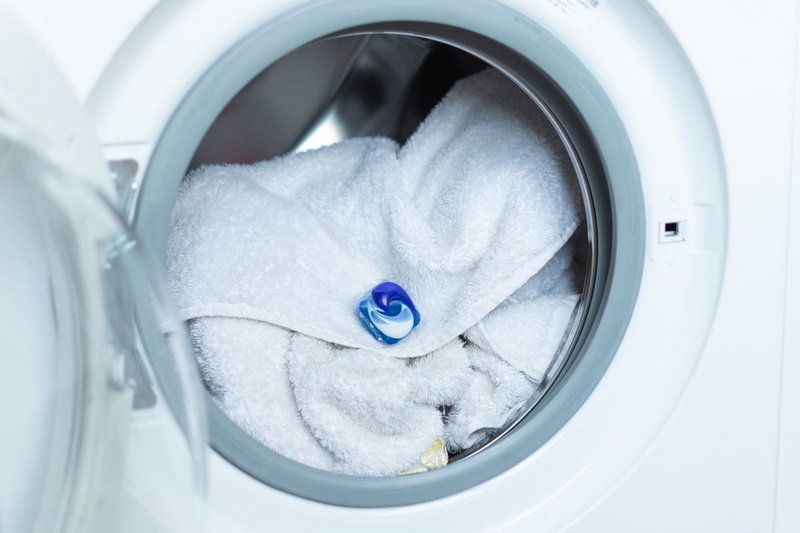
Laundry pods are compact, multi-compartment detergent packages specifically engineered for ease of use and consistent cleaning performance.
At the center of each pod lies a concentrated mix of cleaning agents—typically surfactants, enzymes, brighteners, and solvents.
- Surfactants break down oils and lift dirt from fabrics.
- Enzymes target protein-based stains such as sweat, blood, and food.
- Optical brighteners amplify whiteness and brightness.
This blend is carefully balanced for efficiency, allowing the pod to replace traditional powders or liquids without measurement errors.
The pod is encased in a biodegradable film made primarily of polyvinyl alcohol (PVA). PVA is a synthetic polymer that dissolves upon contact with water. When exposed to moisture, the polymer chains separate, enabling the detergent inside to disperse evenly throughout the drum.
However, this reaction relies heavily on specific environmental conditions. If water is too cold or the pod is trapped between fabrics, the film may not fully break down, leaving residue.
Some modern pods include multiple liquid chambers—one for detergent, another for stain remover, and a third for fabric softener. These layers dissolve sequentially to maximize cleaning efficiency. The film's design must therefore balance strength for storage stability and reactivity for solubility.
Even though laundry pods are designed for convenience, misuse or environmental factors can cause partial dissolution. Understanding these issues can prevent frustrating cleaning results.
The solubility of PVA film depends strongly on temperature. While most pods are labeled “cold water compatible,” extremely cold water—below 15°C (59°F)—can slow down or halt dissolution.
In colder climates, this issue is especially common during winter months. The film becomes less flexible at low temperatures, reducing its ability to dissolve fully. Clothes washed under these conditions may show white streaks or sticky patches.
Solution: When using cold cycles, consider pre-running your washer with warm water for 30 seconds to slightly raise the drum's temperature. Alternatively, switch to a warm setting for heavily soiled loads.
Overfilled washing machines create physical barriers. When a pod is buried under heavy or bulky clothes (like blankets or jeans), it doesn't come into direct contact with enough water to dissolve. The outer layer of fabric absorbs the water instead, leaving the pod trapped.
Solution: Leave at least one-quarter of the drum empty to allow proper water circulation. A good rule is to load only two-thirds of the washer's capacity.
Placing pods incorrectly is another frequent cause of dissolution failure. The pod should always go into the drum itself—not the detergent drawer or fabric softener compartment.
In top-load washers, drop the pod first, then load clothes on top so the incoming water flow hits the pod directly.
In front-load washers, placing the pod toward the back or bottom ensures it meets the strongest water stream during the initial intake.
Water hardness refers to the concentration of calcium and magnesium ions in tap water. Hard water interferes with detergents and slows PVA dissolution. Over time, it can create mineral buildup in machine components, compounding the problem.
Solution: Use a water softener or select pods rated for hard water. Some brands incorporate chelating agents that neutralize metal ions and enhance solubility.
Moisture and heat can damage pods long before they enter the washer. If exposed to humidity, the PVA film can partially pre-dissolve or clump together, reducing its ability to react properly during washing.
Solution: Store pods in an airtight container in a cool, dry environment. Keep them away from direct sunlight, bathroom shelves, or laundry room moisture sources like dryers or steamers.
Different washing machine models use varying amounts of water and mechanical energy.
- Front-load washers are efficient but use less water, which sometimes reduces contact between the pod and water.
- Top-load machines generally fill more water, enabling better pod dissolution but consuming more energy.
Running a maintenance cycle once a month with hot water and no laundry helps clear any remaining detergent buildup, enhancing machine performance.
To address these challenges, manufacturers have refined pod compositions through improved polymer science. New-generation pods include advanced films that dissolve across broader temperature ranges—some even dissolve in water as cold as 5°C (41°F).
These films often feature hydrophilic agents to draw in water more quickly and pH-sensitive materials that degrade faster under alkaline conditions typical of laundry detergent solutions.
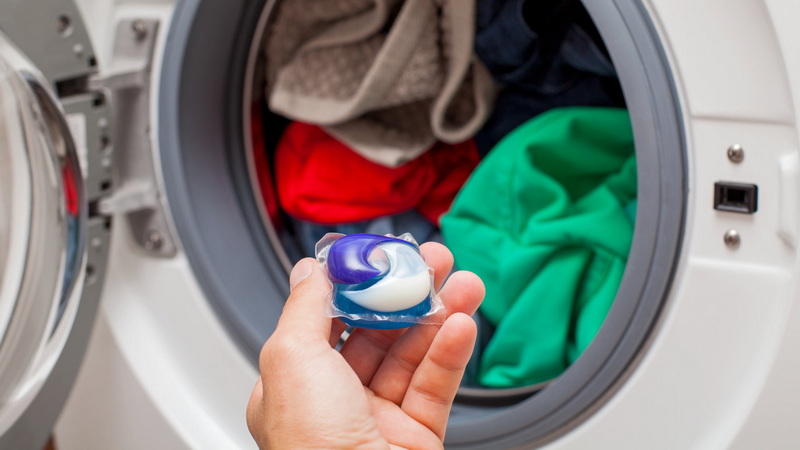
Beyond environmental conditions, consumer habits greatly influence pod performance. Using pods incorrectly or combining them with liquid or powder detergents can create competition between cleaning agents, leading to incomplete dissolution.
Additionally, leaving pods in the drum too long before starting the machine allows moisture from damp clothes to soften the film prematurely.
Best Practice: Load the washing machine, add the pod, and start the cycle immediately. Avoid pre-soaking pods or allowing them to sit in standing water.
When the washing machine fills, the water activates the PVA film surrounding the detergent. A chemical process known as hydration begins, in which water molecules penetrate and weaken the molecular bonds of the film.
As agitation continues, friction between the clothes and drum causes the softened film to rupture, releasing the concentrated detergent. The detergent then disperses through the water, forming micelles—tiny molecules that encapsulate oils and grease, pulling them away from fabrics.
If this sequence is interrupted (for example, by low water flow, restricted movement, or cold temperature), the process halts and leaves undissolved residue.
If you frequently find undissolved pods in your laundry, you can take several steps to fix the issue:
1. Check washer maintenance. Clogged spray nozzles or dispensers reduce water distribution. Clean them regularly.
2. Switch to smaller loads. This ensures that water flows freely and pods dissolve evenly.
3. Try a hotter rinse cycle. Warm water encourages the polymer film to disintegrate fully.
4. Use a mesh laundry bag. Some consumers find that placing a pod in a small net bag helps water circulate around it evenly.
5. Explore brand alternatives. Not all pod designs are equal; testing a few may reveal better results.
While PVA is biodegradable, its breakdown rate depends on water temperature, pH level, and microbial activity. Incomplete dissolution may reduce environmental sustainability because undissolved fragments can travel into wastewater systems before fully degrading.
Manufacturers are addressing this concern by developing eco-optimized PVA films made from renewable starch sources and bio-based polymers. As awareness of microplastic pollution grows, such innovations are essential for sustainable home care solutions.
Some smart washing machines now incorporate detergent sensors or automatic dosing systems. These sensors detect whether detergent residue remains in the drum after the wash cycle and advise users to adjust load size or rinse settings.
In the near future, pod-compatible machines may automatically detect when a pod has failed to dissolve fully, reintroduce rinse water, or adjust temperature in real time.
To consistently achieve clean, residue-free laundry, follow these guidelines:
1. Place the pod in first. Add it before loading clothes into the machine.
2. Keep loads moderate. Avoid filling the machine more than two-thirds full.
3. Choose the proper cycle. Normal or heavy-duty cycles offer more agitation than quick washes.
4. Select warmer water when possible. Especially for large or heavily soiled loads.
5. Dry and store responsibly. Keep pods sealed and away from humidity.
By implementing these steps, users eliminate most causes of undissolved pods and enhance cleaning results.
Undissolved pods can affect not only the quality of the wash but also skin health. Traces of detergent can cling to fabrics, causing irritation or allergic reactions, particularly in individuals with sensitive skin.
Running an extra rinse cycle or switching to hypoallergenic pods minimizes such risks. It's also wise to wear gloves when handling pods to prevent prolonged skin contact with concentrated chemicals.
Innovations are reshaping laundry technology to address current limitations. Research and development departments are focusing on:
- Temperature-adaptive polymers that dissolve instantly regardless of water temperature.
- Plant-based films made from starch blends offering faster biodegradation.
- Adjustable time-release layers that synchronize detergent activation with the wash cycle's motion pattern.
- Smart pod recognition systems in washing machines that detect and monitor dissolution progress.
Together, these improvements promise a future of efficient, residue-free washing that aligns with both performance and environmental goals.
Laundry pods fail to dissolve for numerous reasons—incorrect use, cold water, overpacked machines, mineral-heavy tap water, or improper storage. Their water-soluble polymer coatings need sufficient temperature and motion to release detergent properly. By understanding the science behind pod dissolution and adopting best washing practices, consumers can eliminate residue issues and optimize machine performance.
The industry continues to enhance film solubility, eco-friendliness, and detergent delivery systems. With better awareness and technological refinement, the average household can enjoy the full convenience these pods were designed to provide—cleaner clothes, less waste, and simpler laundry routines.
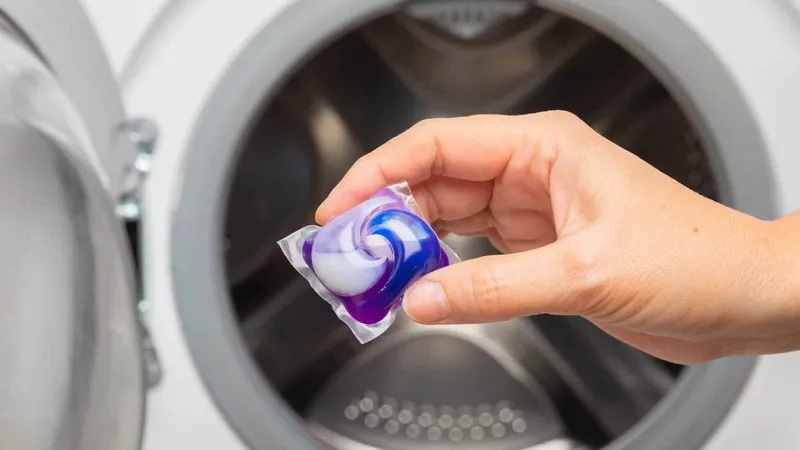
Residue remains when the pod doesn't meet enough water or agitation. Common causes include cold water, overloading, or inserting the pod in the wrong place. Always start the cycle immediately after adding the pod for best results.
No. Pods are designed for machine use, and their film may not dissolve properly in still or limited water. For hand washing, opt for liquid or powder detergents instead.
Yes. Detergent buildup can obstruct filters, pipes, and dispensers over time. Run periodic maintenance cycles with hot water and machine cleaner to prevent blockages and odor.
Store pods in a cool, dry, sealed container. Avoid humid storage areas or extreme temperatures. Proper storage protects the integrity of the water-soluble film and ensures consistent performance.
No. Each manufacturer uses slightly different film formulations. Premium or newer-generation pods typically have improved solubility across various temperatures and water types.


