
Views: 222 Author: Tomorrow Publish Time: 12-15-2025 Origin: Site


Content Menu
● Understanding How Cascade Pods Work
● What Happens If You Use Two Cascade Pods
>> 1. Excess Suds and Overflow
>> 2. Cloudy Glassware and Residue
>> 3. Shortened Appliance Lifespan
● Factors That Influence Detergent Efficiency
>> 2. Load Size and Arrangement
● How to Enhance Dishwasher Cleaning Without a Second Pod
● Situations Where Two Pods Might Be Considered
● Common Mistakes to Avoid When Using Cascade Pods
● Environmental and Cost Considerations
● Cascade Pod Variants and Their Purpose
● FAQs
>> (1) Will two Cascade pods make my dishes cleaner?
>> (2) What should I do if one pod doesn't seem enough?
>> (3) Can using two pods damage my dishwasher?
>> (4) How can I make my dishwasher clean better without extra pods?
>> (5) Are all Cascade pods equally strong?
For millions of households, the dishwasher has become an indispensable appliance that saves time, water, and effort. Among the most trusted detergent brands is Cascade, known for its powerful cleaning pods. These convenient, single-use capsules promise sparkling dishes with minimal effort. Still, a common question arises among users: Can you use two Cascade pods in your dishwasher?
Many people think adding more detergent ensures better cleaning results, especially after large family meals or when dealing with greasy pans. However, dishwashers and detergents are carefully calibrated for balance. Doubling up on pods may seem like an easy fix, but it can actually do more harm than good. This article will explore how Cascade pods work, what happens if you use two, and practical tips to enhance dishwashing performance safely and effectively.
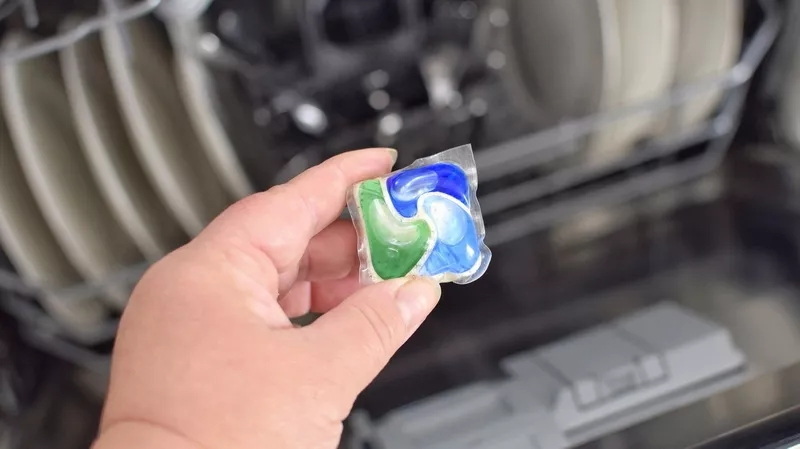
Cascade ActionPacs are engineered with precise measurements of powerful cleaning agents, enzymes, and rinse aids. Each component serves a specific function:
- Surfactants break down grease and lift food particles.
- Enzymes target proteins and starches for deeper cleaning.
- Rinse aids reduce water spots by speeding up the drying process.
- Oxygen bleach brightens dishes and helps sanitize surfaces.
When the pod is placed in the detergent compartment, it dissolves during the cycle's wash phase, releasing ingredients at the correct time. Every element is balanced to work under typical conditions—a full load, normal water hardness, and average soil levels.
Using more than one pod disrupts that balance, resulting in waste, residue, or even dishwasher damage over time.
At first, doubling up might seem logical—more detergent should mean cleaner dishes, right? Unfortunately, that's not how dishwashers or detergents function. Here's what really happens when you use two pods:
Dishwashers aren't designed for high-suds formulas. When too much detergent enters the wash, it produces excess foam, which the machine cannot handle. This may lead to leaks, dripping from the door seals, or detergent residue left behind after the rinse cycle.
An overload of detergent doesn't rinse off easily, particularly on glass and silverware. Once the cycle is complete, you might notice streaks, white films, or cloudy coatings on dish surfaces. Hard water intensifies this effect by reacting with the detergent's chemicals.
Excessive detergent can lead to internal buildup around filters and spray arms, reducing water flow efficiency. Over time, this can cause mechanical strain or clogging, potentially shortening your dishwasher's lifespan.
Cascade pods are more concentrated than liquid or powder detergents. Using two pods doubles cost without enhancing results. In most cases, you're simply washing your money down the drain.
In essence, two pods don't equal double cleanliness—they create double trouble.
Often, poor dishwashing results are not caused by “too little detergent” but by other hidden factors. Understanding these helps you get spotless results with just one pod.
Hard water impacts detergent efficiency by neutralizing cleaning agents and leaving mineral residue on dishes. If you notice chalky marks or dull glasses, the problem lies in your water quality—not the detergent amount. Installing a water softener or using a rinse aid helps significantly.
Proper loading allows water to circulate freely. Overcrowding dishes blocks spray arms and prevents detergent from reaching every surface. Conversely, small loads can lead to detergent overconcentration. Keep a balanced load for best results.
Different cycles are optimized for distinct cleaning levels. A “Light” or “Quick” cycle may not give enough time for the detergent to work fully, especially with hard or greasy residue. If your dishes are heavily soiled, use the “Heavy” or “Intensive” cycle with one pod instead of doubling detergent.
Dirty filters or clogged spray arms restrict water pressure and cleaning power. Regular maintenance—such as cleaning the filter weekly and running a dishwasher cleaner monthly—can drastically improve cleaning performance.
Always insert the pod into the correct dispenser compartment rather than tossing it into the bottom of the tub. This ensures that the pod dissolves at the right point in the wash cycle for maximum efficiency.
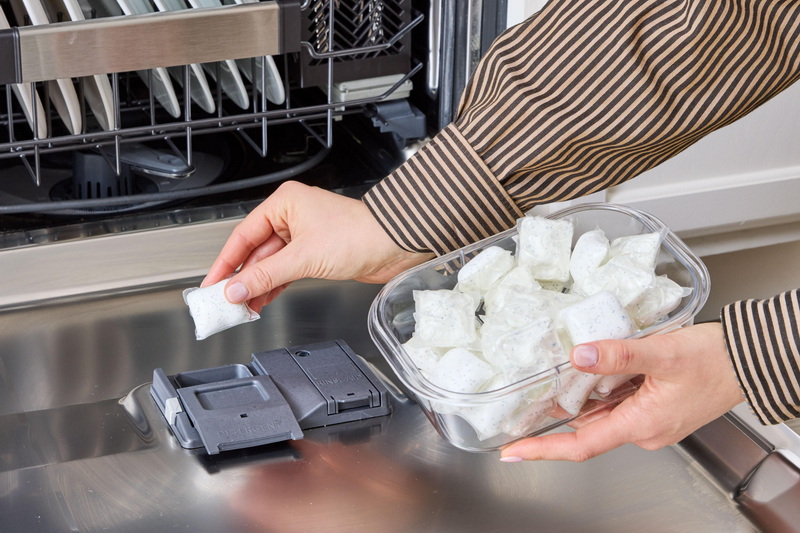
Each Cascade pod is meticulously formulated to handle a standard dishwasher load. Inside, the amount of concentrated detergent is already calibrated to dissolve grease, remove food particles, and leave dishes streak-free. Using an additional pod doesn't strengthen this effect; instead, it overloads the cleaning chemistry.
In internal tests by detergent manufacturers, results showed that adding more detergent beyond the recommended dose did not improve cleanliness. Instead, it left behind visible residue and reduced drying efficiency. Dishes may appear filmy and dull, especially glassware.
Think of it like cooking: adding more salt doesn't always make a dish taste better—it ruins the recipe. Likewise, one pod contains the perfect “recipe” for sparkling dishes.
If your dishes aren't coming out spotless, there are other strategies to boost cleaning power safely:
1. Pre-rinse large debris – Scrape off food scraps before loading, but avoid fully pre-washing as modern detergents need some soil to activate enzymes.
2. Run hot water first – Start the tap until the water is hot to ensure optimal washing temperature inside the dishwasher.
3. Use rinse aid – Especially in areas with hard water, a rinse aid improves water sheeting and drying performance, preventing cloudy marks.
4. Clean filters and spray arms regularly – Clogs reduce spray pressure, limiting detergent efficiency.
5. Select the right cycle – Use “Heavy Duty” or “Pots & Pans” settings for heavily soiled dishes, allowing longer contact time with detergent.
6. Use vinegar for descaling – Running an empty cycle with vinegar can remove mineral buildup and improve overall performance.
Although not generally recommended, a few situations might justify the temporary use of two Cascade pods:
- Oversized or commercial-grade dishwashers that have much higher capacity than residential models.
- Extremely greasy cookware from deep-frying, roasting, or baking sessions.
- Hard water conditions when neither a water softener nor rinse aid is available.
Even in these special cases, it's smarter to run two separate wash cycles using one pod each instead of putting two pods in one cycle. This ensures optimal cleaning with minimal residue risk.
Making the most of your dishwasher depends not just on pod quantity but also on proper use and care. Here are mistakes many users make:
- Mixing pods with other detergents. Never combine Cascade pods with liquid or powder detergent—they aren't formulated to mix.
- Placing the pod at the bottom of the machine. It may dissolve too early and wash away before the cleaning cycle begins.
- Using cold water. Cascade pods need hot water (at least 120°F / 49°C) to dissolve and activate effectively.
- Ignoring manufacturer guidelines. Each brand and appliance model may have unique instructions for detergent type and cycle settings.
Avoiding these mistakes helps you maximize performance while preventing damage or detergent waste.
Choosing the correct dosage isn't just a matter of performance—it's also an environmental responsibility. Doubling detergent increases the chemical load in wastewater, impacting treatment systems and local ecosystems.
Additionally, since Cascade pods are single-use products, using more than necessary adds to plastic film waste and household costs. By sticking to one pod and running full loads, you conserve resources and reduce detergent consumption without sacrificing cleanliness.
Environmentally conscious consumers might also explore Cascade's Eco-Friendly lines, which use biodegradable ingredients and recyclable packaging. Combined with proper dosing, these products maintain both efficiency and sustainability.
Cascade offers a range of pod types, each suited for specific washing needs:
- Cascade Complete: Designed for standard dishwashing with tough food residues.
- Cascade Platinum: Features stronger grease-fighting power for heavily soiled loads.
- Cascade Platinum Plus: Enhanced enzymes and degreasers for commercial-quality cleaning.
- Cascade Free & Clear: Dye-free and phosphate-free for sensitive households.
If one pod from a regular version doesn't deliver desired results, switching to Cascade Platinum Plus usually provides a better cleaning boost than adding an extra regular pod.
So, can you use two Cascade pods in your dishwasher? Technically yes—but it's not advisable. Doubling detergent doesn't improve cleaning results; it often worsens them by creating suds, residue, or even long-term appliance issues. One pod is scientifically engineered for optimal cleaning power, and using more interferes with this precision.
Instead of adding more detergent, focus on proper dishwasher maintenance, water temperature control, and cycle selection. In most cases, improving these factors achieves the sparkling clean you want without any excess product. Remember, when it comes to dishwashing, more isn't better—just smarter cleaning is.
No. The extra detergent won't improve performance and may leave streaks or cloudy residue on dishes.
Start by cleaning your dishwasher's filter and spray arms. Try the “Heavy Wash” setting or add a rinse aid before considering more detergent.
Yes. Over time, excess detergent causes buildup and may clog internal parts, reducing efficiency or leading to repairs.
Use hot water, keep filters clean, add rinse aid, and avoid overcrowding the racks. These small steps often make a big difference.
No. Cascade offers multiple varieties, including Complete, Platinum, and Platinum Plus. The stronger versions clean better without needing extra pods.


