


Content Menu
● Understanding What Laundry Pods Are
● The Chemistry Behind Freezing
● What Happens if Laundry Pods Freeze?
● Factors That Influence Freezing
● Do Frozen Laundry Pods Still Work?
● How to Store Laundry Pods During Winter
● Reviving Frozen or Hardened Pods
● Comparing Laundry Pod Stability With Other Detergents
● Alternative Storage Solutions in Cold Regions
● Impact of Freezing on Cleaning Performance
● Safety and Environmental Tips
● The Role of Packaging Design
● Common Myths About Laundry Pods and Cold Weather
● Seasonal Care Tips for Laundry Supplies
● Can Cold Water Washing Affect Pods?
● FAQ
>> 1. What temperature do laundry pods freeze at?
>> 2. Can I still use laundry pods after they freeze?
>> 3. Why do laundry pods get sticky in cold weather?
>> 4. Will freezing ruin the detergent inside pods?
>> 5. How should I store laundry pods in winter?
Laundry pods have become one of the most convenient inventions in modern household cleaning. Pre-measured, portable, and easy to use, these brightly colored capsules pack powerful detergent and stain-fighting ingredients into a small, dissolvable pouch. However, when winter arrives and temperatures drop significantly, many people begin asking the same practical question: Will laundry pods freeze?
Understanding how cold weather affects these products is important not only for maintaining cleaning performance but also for ensuring safe and effective use. Let's explore the science behind laundry pods, what happens when they're exposed to freezing temperatures, and how you can protect them from the cold.
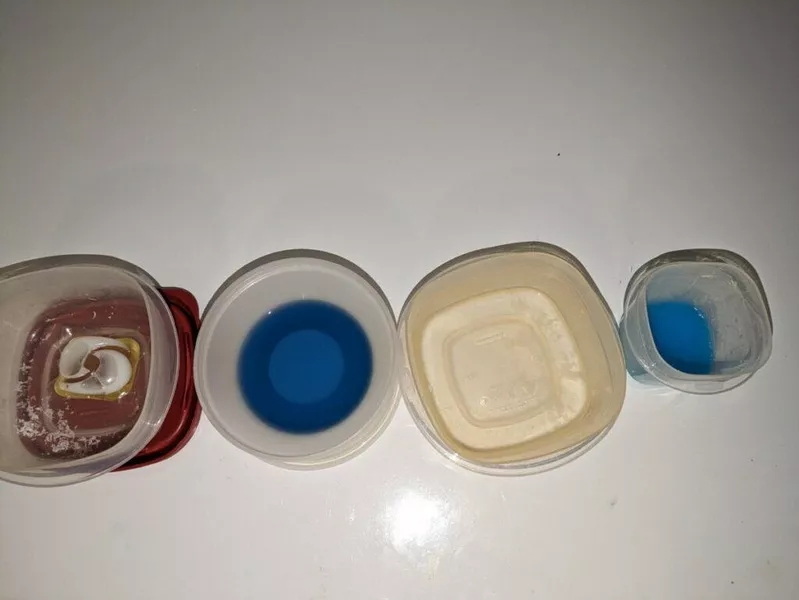
Before examining whether laundry pods can freeze, it helps to understand what they are made of and how they work. Laundry pods, sometimes called detergent packs or capsules, are single-dose cleaning products designed for convenience. Each pod usually contains:
- A water-soluble outer film: Made from polyvinyl alcohol (PVA), this film dissolves completely when it contacts water.
- Concentrated liquid detergent: The main cleaning agent that breaks down dirt, grease, and stains.
- Additives: Depending on the brand, these can include brighteners, fabric softeners, enzymes, and fragrance boosters.
Once tossed into the washing machine, the film dissolves and releases detergent evenly throughout the wash cycle. Because of the concentrated formula, laundry pods clean effectively without requiring liquid pouring or measuring — ideal for busy households.
Laundry pods contain detergent mixed with water, surfactants, and other chemical agents. Since detergent has a lower freezing point than pure water, pods rarely freeze completely under normal cold conditions.
The freezing point of any solution depends on its *composition* — the more dissolved substances it contains (in this case, detergents, solvents, and surfactants), the lower the freezing temperature becomes. For most laundry pods, this threshold lies between 10°F (-12°C) and 20°F (-6°C).
This means that in mildly cold environments, laundry pods might feel thicker or more gel-like, but they usually won't become rock solid unless exposed to extreme cold for prolonged periods.
If laundry pods are left in freezing temperatures — for example, stored in an unheated garage or in a delivery truck during winter — several changes can take place:
1. The outer film becomes brittle: PVA hardens and may crack when frozen, risking leaks.
2. The detergent thickens: As the liquid inside reacts to cold, its viscosity increases, making it slower to dissolve in water.
3. Uneven performance: The detergent's enzymes and surfactants may lose activity, leading to uneven cleaning results.
4. Residue problems: Frozen or semi-frozen pods can leave detergent streaks or spots on clothing if they don't dissolve fully.
While pods often return to a usable state after thawing, chemical and structural changes might lower their effectiveness. The longer they remain frozen, the more likely these issues become.
Several elements determine whether and how quickly laundry pods might freeze:
- Ambient temperature: Lower temperatures naturally make freezing more likely.
- Humidity and moisture levels: Moisture affects both freezing risk and film integrity. Pods stored in humid air may absorb moisture, making the film sticky.
- Packaging quality: Pods stored in sealed, insulated containers are less affected by cold.
- Duration of exposure: Brief exposure to cold may cause mild thickening, while prolonged exposure risks structural damage.
Proper handling during both transport and home storage can prevent most freezing problems.
In many cases, yes — frozen laundry pods can still work after thawing if they weren't severely damaged. However, slight performance loss is common. Once the structural integrity of the pod's film changes or the detergent ingredients separate, dissolution may become inconsistent.
If a thawed pod feels sticky, misshapen, or has visible crystallization inside, it's best not to use it. Even if it dissolves, the ratio of active ingredients might have shifted, leading to subpar results or residue on clothes.
Proper storage is the key to preventing freezing and extending the shelf life of your pods. Here are best practices to follow, especially in colder months:
1. Keep them indoors: Store pods in a room-temperature environment, ideally between 50°F and 77°F (10°C–25°C).
2. Use airtight containers: Resealable plastic boxes, jars, or bags prevent moisture absorption.
3. Avoid unheated areas: Basements, garages, and sheds often drop below freezing in winter.
4. Minimize light and air exposure: Both can degrade detergent and soften the film.
5. Label the storage container: If multiple detergent types are stored together, clear labeling ensures you always know what you're using.
Following these steps helps maintain the quality of pods across the seasons, even in areas with harsh winters.
If your laundry pods have been exposed to extreme cold, don't panic — they can often be saved. Follow these simple steps to restore them:
1. Bring them indoors: Move the container to a room with stable temperature.
2. Allow slow thawing: Let them return to room temperature naturally (avoid heating). Rapid temperature changes can cause the film to rupture.
3. Check for damage: Look for tears, leaks, or stickiness. Discard damaged pods.
4. Test one first: Try washing a small load to ensure proper dissolving and cleaning.
Avoid refreezing or repeatedly changing their temperature conditions; that cycle can reduce the detergent's strength and film elasticity.
It's helpful to compare laundry pods with liquid or powder detergents to understand why temperature affects them differently:
| Type of Detergent | Freezing Risk | Response to Temperature | Recommended Storage |
|---|---|---|---|
| Pods | Moderate | Can thicken or crack in cold; dissolve issues in freezing weather | Room temperature, sealed container |
| Liquid detergent | Low to moderate | May separate or become cloudy in cold weather | Indoors, stable temperature |
| Powder detergent | Very low | Absorbs moisture but does not freeze | Dry, airtight container |
From this comparison, it's clear that powder detergent offers better stability in freezing environments. However, liquid pods still hold an advantage in convenience and dosing accuracy when stored properly indoors.
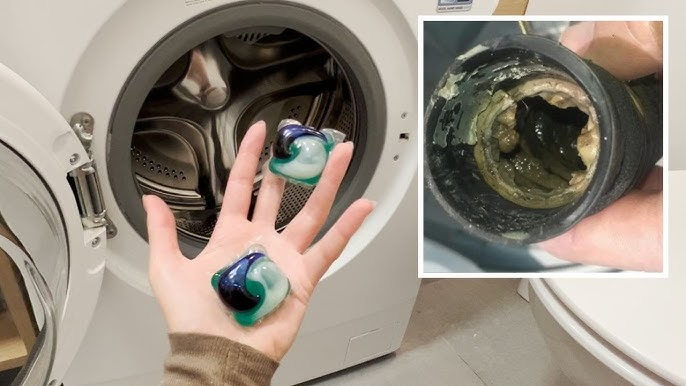
When the thin outer shell of a pod breaks or leaks, it exposes concentrated detergent that can irritate skin or eyes. Sticky residue left inside the container can also lead to multiple pods sticking together — a sign of compromised quality. In these cases:
- Do not try to separate stuck pods by force.
- Avoid touching leaking detergent with bare hands.
- Discard pods that are clumped, broken, or give off unusually strong odors.
Safety should always take priority, especially in households with children or pets.
If you live in an area where winter temperatures regularly stay below freezing, consider these storage alternatives:
- Use a small insulated box: Keeps pods slightly warmer than surrounding air.
- Bring pods indoors after delivery: If packages arrive cold, thaw them before storage.
- Store pods in a linen closet: An interior cabinet away from exterior walls often maintains stable temperature.
- Use zip-top bags with desiccants: Silica packets help control moisture and prevent stickiness.
In very cold climates, switching to powder detergent during winter may be the simplest and most reliable choice.
Laundry pods rely heavily on active enzymes and surfactants to remove stains efficiently. Freezing can disrupt these chemical agents in several ways:
- Enzyme deactivation: Enzymes that digest proteins or oils may lose activity after freezing.
- Phase separation: The detergent may separate into layers, affecting homogeneity.
- Reduced dissolution: Frozen detergent may clump instead of dispersing evenly in the wash.
As a result, clothes may come out duller, stiffer, or with visible detergent marks. Even if the difference isn't dramatic, consistent temperature control ensures better results and longer-lasting cleanliness.
Laundry pods offer amazing convenience but require mindful handling. Always keep these safety practices in mind:
- Store them out of reach of children and pets. Their bright colors may look like candy.
- Never pierce or cut pods. The detergent inside is highly concentrated.
- Keep your hands dry when handling, since moisture can trigger premature dissolving.
- Dispose of expired or damaged pods properly — don't wash them down the drain.
Environmentally, laundry pods are designed to reduce waste because their film dissolves completely. However, damaged or discarded pods lead to unnecessary waste and potential contamination. Proper storage helps you avoid both waste and pollution.
Manufacturers have improved packaging to help prevent freezing damage. Many brands use containers with multi-layer insulation and moisture-locking lids, which help stabilize internal temperature. Some even use packets designed to resist sticking under condensation.
Still, no packaging is perfect against deep-freeze conditions. When ordering laundry pods online during winter, consider delivery timing. Bringing shipments indoors quickly ensures the pods' integrity remains intact from factory to laundry room.
Let's debunk a few myths frequently circulating online:
1. “Pods don't freeze at all.”
They can — just less easily than water. Extreme cold can still affect them.
2. “Freezing makes pods last longer.”
False. Cold slows chemical activity but can damage the outer film.
3. “You can microwave or heat frozen pods to fix them.”
Never. Heat can melt or burst pods, releasing detergent that can harm skin or surfaces.
4. “Pods stuck together still work fine.”
They might contain leaks or contamination. Use separate, intact pods only.
Understanding these points helps you maintain safe and efficient laundry habits.
Winter isn't the only time temperature matters. Seasonal changes affect all detergents differently. For year-round care:
- Winter: Keep pods inside, away from freezing conditions.
- Summer: Store them in a dry, cool place to avoid softening from humidity.
- Spring/Fall: Check for residue buildup or packaging wear. Refresh supply if needed.
Routine checks each season ensure you always have reliable detergent in top condition.
Another interesting point is how laundry pods behave when used with cold water cycles. While they are designed to dissolve even in cool water, very low temperatures (below 60°F or 15°C) may slow dissolution, especially if pods were already chilled.
If you experience undissolved residue, try:
- Tossing the pod directly into the drum before adding clothes.
- Choosing a “warm” setting instead of “cold.”
- Avoiding overloading the washer.
Balancing water temperature ensures optimal dissolving and cleaning power.
Laundry pods can freeze under extremely cold conditions, but they don't often turn solid thanks to their detergent-based composition. Still, cold exposure may cause the film to harden, ingredients to separate, or cleaning power to weaken. To protect your investment and ensure reliable results, always store laundry pods in a dry, temperature-controlled environment indoors.
Avoid frequent freezing and thawing cycles, discard damaged pods, and check packaging integrity regularly. With a bit of care, laundry pods will continue to serve as a clean, efficient, and mess-free solution for your laundry routine — no matter how cold it gets outside.

Laundry pods begin to thicken around 20°F (-6°C) and may freeze solid below 10°F (-12°C), depending on the specific formula.
Yes, but inspect them first. If they are intact and not leaking, allow them to thaw naturally before using them.
Condensation in cold air increases humidity, which softens the PVA film and causes pods to stick together. Airtight storage prevents this.
Potentially. Low temperatures can inactivate enzymes and damage surfactants, resulting in weaker or uneven cleaning performance.
Keep pods indoors at room temperature in sealed containers. Avoid garages, unheated sheds, or areas exposed to moisture.


