
Views: 222 Author: Tomorrow Publish Time: 12-16-2025 Origin: Site


Content Menu
● How Laundry Pods Can Clog Drains
● Signs of Laundry Pod Residue in Drains
● Steps to Prevent Drain Clogs While Using Laundry Pods
>> 1. Choose the Right Detergent Type
>> 2. Use Adequate Water Volume
>> 3. Load the Washer Correctly
>> 5. Flush the System Periodically
● Environmental and Chemical Considerations
● Addressing Existing Blockages
>> Step 2: Vinegar and Baking Soda
>> Step 3: Mechanical Cleaning
>> Step 4: Professional Inspection
● Alternative Detergent Options
● Long-Term Plumbing Maintenance Habits
● When to Replace or Upgrade Your Washer
● Professional Perspective: What Plumbers Say
● FAQ
>> 1. What temperature is best for dissolving laundry pods?
>> 2. Can I use laundry pods with a septic system?
>> 3. How can I tell if my laundry pod didn't dissolve properly?
>> 4. Is the plastic film in laundry pods safe for the environment?
>> 5. What steps should I take if my washer's drain clogs from pods?
Laundry pods have revolutionized how many households do laundry, offering precise detergent portions without measuring or spilling. Each capsule contains a mix of concentrated detergent, fabric softener, and sometimes stain removers, all within a water-soluble film that breaks down in the wash. However, even with their convenience, some people worry about one potential downside: can laundry pods clog drains?
The short answer—it's uncommon but possible. Laundry pods are designed to dissolve completely, but under specific conditions, parts of the pod can remain intact. When that happens repeatedly, it may lead to slower drainage, buildup, or even full clogs. Understanding how pods behave in your washer, how detergents interact with water and pipes, and what maintenance habits to adopt can help you avoid these issues entirely.
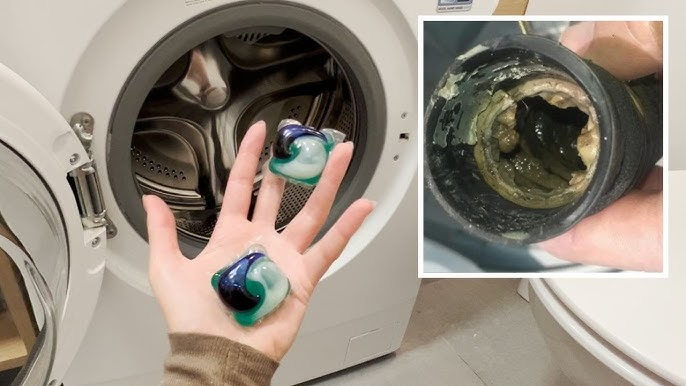
Laundry pods rely on a water-soluble film known as polyvinyl alcohol (PVA), which encapsulates a concentrated liquid detergent. Once the pod comes in contact with water, the film dissolves, releasing its contents. This process depends on three main factors: water temperature, water pressure, and agitation.
- Temperature: Warm or hot water speeds up film breakdown. Cold water, especially below 50°F (10°C), can slow or prevent complete dissolution.
- Water pressure: Sufficient water agitation ensures the pod doesn't get trapped between clothes or adhere to the drum.
- Cycle duration: Short or delicate cycles might not last long enough for all detergent to rinse away fully.
This interplay determines whether the pod fully dissolves or leaves behind undissolved residue. That residue can attach to fabrics, coat internal washing components, or stick inside drain pipes.
Laundry pods are safe for most washing machines and plumbing setups when used correctly. Problems mainly emerge due to incomplete dissolution or excess soap accumulation. Over time, these residues can cling to parts of your washer and drain system, attracting lint, dirt, and even hard-water minerals.
Here are common scenarios where laundry pods can contribute to clogs:
1. Using pods in cold water all the time. Cold water doesn't fully break down the PVA film, leaving behind jelly-like clumps that stick inside pipes.
2. Adding multiple pods per load. More detergent doesn't equal cleaner laundry — it increases residue risk.
3. Overloading the washer. When the drum is packed, pods don't circulate freely or dissolve uniformly.
4. Low-efficiency washers. Older models or those with poor rinsing can struggle to flush detergent remnants away.
5. Lack of maintenance. Without periodic cleaning, leftover soap and lint become adhesive layers that tighten around drains.
In such cases, small quantities of residue can accumulate over multiple washes, forming blockages that restrict water flow. The initial symptoms might be subtle but worsen over time.
You can often detect potential clogging early by paying attention to how your washer and drains behave. Warning signs include:
- Standing water inside the drum after completion.
- Gurgling sounds or bubbles in the standpipe or nearby sink.
- Persistent musty or chemical odors near the drain.
- Slower water exit during spin cycles.
- Residual slimy buildup at the washer door seal.
These symptoms might not always trace directly to laundry pods — lint buildup, soap scum, or hard-water scaling can produce similar effects. Even so, the detergent film in poorly dissolved pods can act as the binding surface that accelerates the clogging process.
Avoiding clogs while still enjoying the convenience of laundry pods is entirely achievable through proper usage and cleaning practices.
Not all pods behave the same way. Look for high-efficiency (HE) certified pods if your machine uses less water. Choose cold-water compatible pods if you mostly wash delicates or light loads under 60°F (15°C). These versions dissolve faster and more completely in low-temperature settings.
High-efficiency washers rely on low water consumption, but certain cycles may use too little water to dissolve pods efficiently. When possible, select cycles with moderate or higher water levels to ensure complete dispersal.
The placement of the pod is vital. Add the pod before placing clothes into the drum. This ensures direct contact between the pod and incoming water flow. When pods get trapped among dense fabrics, they fail to disperse evenly.
Every 4–6 weeks, clean your washer thoroughly. Use a dedicated cleaning cycle, a mixture of vinegar and baking soda, or manufacturer-recommended cleaning tablets. Regular cleaning eliminates detergent film, lint, and bacteria that might cling inside hoses or seals.
Run a hot-water cycle without clothes once or twice monthly to flush out any remaining detergent traces. This simple maintenance habit prevents clog-causing buildup inside your washer's drainpipe.

While laundry pods are safe when used properly, environmental concerns arise regarding PVA film biodegradability and chemical residue runoff. Studies indicate that although PVA is water-soluble, full biodegradation depends on specific microbial activity and conditions not always present in regular wastewater systems.
To minimize ecological impact:
- Choose brands that certify full biodegradability of their pods.
- Avoid pods with unnecessary dyes or strong synthetic fragrances.
- Use the smallest quantity recommended for your load size.
- Prefer cold-water-compatible formulas to conserve energy.
Additionally, households with septic systems should monitor waste discharge carefully. Excess detergent can alter bacterial balance within the tank, reducing overall system effectiveness. Opting for septic-safe pods is important.
If laundry pods have already contributed to slow drainage or full clogs, simple home remedies can often restore flow before costly professional intervention becomes necessary.
Run a hot-water cycle in your washer with no clothes inside. The heat helps soften and dissolve any remaining detergent film along the internal hoses and outlet pipe.
Pour one cup of baking soda into the drain followed by one cup of white vinegar. Let it sit for 15–30 minutes, then pour boiling water to rinse. This chemical reaction helps loosen organic residue and mild detergent deposits.
If slow flow persists, use a plumbing snake or auger to remove collected debris. Always unplug and disconnect your washer before attempting manual cleaning.
Persistent backflow, gurgles, or no drainage at all means deeper clogs or damaged pipes may exist. A licensed plumber can identify buildup using a camera inspection and professionally clear lines without damaging plumbing integrity.
While pods are convenient, they aren't the only option. Depending on your preferences and plumbing setup, the alternatives below might provide better compatibility.
- Liquid detergents: Dissolve instantaneously and distribute evenly, especially effective for cold-water cycles.
- Powder detergents: More economical but require thorough mixing with water before use to prevent residue.
- Detergent sheets or strips: Lightweight, eco-friendly, and dissolve completely — ideal for soft water conditions.
- Homemade detergents: Some households create their own using soap flakes and baking soda, though these may not perform well in high-efficiency washers.
Choosing between these options often depends on washing frequency, water hardness, machine type, and environmental priorities.
Even if you use pods properly, consistent plumbing care ensures a long-lasting, clog-free system. Consider these long-term habits:
- Inspect standing pipes annually for buildup.
- Use mesh filters on laundry drains to trap lint.
- Don't pour grease, oils, or heavy cleaners down laundry sinks.
- Schedule a plumber's inspection every 18–24 months.
- Keep the washer in a well-ventilated area to avoid mold from detergent residue.
A preventive outlook saves both money and frustration over time.
Sometimes, drainage and detergent problems stem not from your detergent but from the washer itself. Older machines might have rough, residue-coated hoses or inefficient spin cycles that fail to rinse properly. If your washer:
- Leaves detergent marks on clothes,
- Uses too little water during rinse phases,
- Produces standing water repeatedly,
then the issue likely lies in your washer's internal design rather than in your pods. Modern high-efficiency front-loaders usually manage detergent dispersion better when matched with HE-rated pods.
Water hardness significantly impacts how detergent behaves. Hard water, which contains extra calcium and magnesium ions, reacts with soap molecules, reducing their cleaning capability and leaving residues behind. Softened water, meanwhile, enhances soap dissolution, preventing buildup.
If you live in a hard-water region, consider installing a water softener or using a laundry additive that neutralizes minerals. This will help your pods dissolve faster and wash more efficiently, minimizing leftover film buildup.
Plumbers generally agree that laundry pod misuse accounts for a small but growing percentage of minor clogs. Most cases aren't immediate but occur gradually through residue layering combined with lint and hard-water deposits. Their common advice includes:
1. Avoid continuous cold cycles with pods.
2. Run one hot cycle a week to maintain drain health.
3. Keep the washer's drain filter clean.
4. Limit pod usage to one per load, regardless of size.
Following these expert guidelines not only prevents clogs but also extends your washing machine's life span.
Laundry pods are efficient, safe, and practical when used correctly. However, if the pods fail to dissolve completely—particularly during cold washes or short cycles—they can leave detergent traces that accumulate and attract other debris. Over time, this residue forms layers inside pipes, eventually impeding drainage flow.
You can avoid clogs by using the correct water temperature, placing pods properly, cleaning your washer regularly, and flushing the system periodically with hot water cycles. Selecting biodegradable, cold-water-compatible pods further ensures environmental and plumbing safety. In short, responsible usage and regular maintenance will let you enjoy the convenience of laundry pods without worrying about drain blockages.
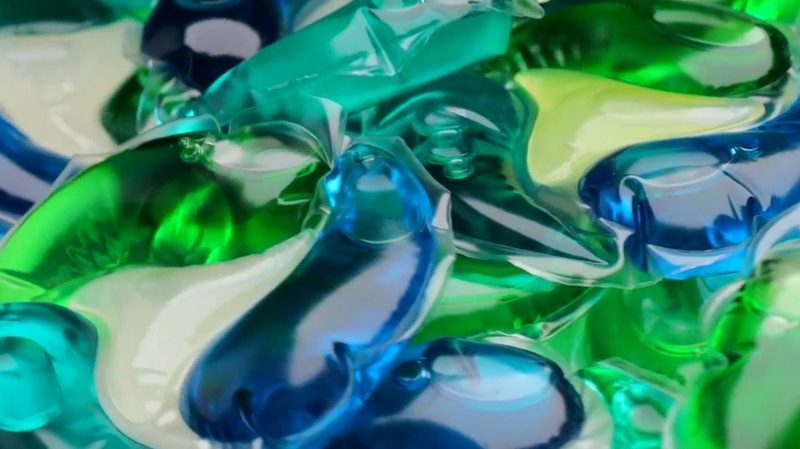
Laundry pods dissolve best in warm or hot water, typically above 60°F (15°C). Cold-water-compatible pods are formulated to dissolve efficiently in lower temperatures, even in eco-cycles.
Yes. Most pods are septic-safe if used correctly. Choose biodegradable or EPA-approved pods to ensure they break down fully within your septic tank's microbial environment.
If you find detergent spots or slippery residue on clothes or inside the drum after washing, the pod didn't dissolve completely. Increase water temperature or use fewer clothes per load next time.
The PVA film is water-soluble and generally biodegradable under proper conditions, though some wastewater systems may not digest it fully. Choosing brands with verified eco-certifications ensures minimal impact.
Start with a hot-water rinse cycle. If the clog remains, pour a vinegar and baking soda solution down the drain. Persistent blockages may need mechanical cleaning or a plumber's assistance.


