
Views: 222 Author: Tomorrow Publish Time: 12-14-2025 Origin: Site


Content Menu
● What Are Laundry Pods and How They Work
● Common Reasons Why Laundry Pods Leave Residue
>> 1. Water Temperature Problems
>> 2. Overloading the Washing Machine
>> 4. Low Water Levels in High-Efficiency Washers
>> 6. Cold Water and Hard Water Effects
● How to Remove Laundry Pod Residue from Clothes
● Preventive Tips for Cleaner Laundry Results
● When to Switch Detergent Types
● Environmental and Seasonal Factors
● The Science Behind Pod Dissolution
● Maintenance Best Practices for Long-Term Washer Health
● Environmental Benefits and Responsible Usage
● FAQs
>> 1. Why do laundry pods stick to my clothes?
>> 2. Can I use laundry pods in cold water?
>> 3. How many pods should I use per load?
>> 4. Why is residue worse in high-efficiency washers?
>> 5. How can I prevent residue permanently?
Laundry pods have changed how we wash clothes — no messy pouring, no measurement errors, and no bulky bottles. But if you've pulled clothes from the washer only to find sticky spots or white streaks, you're not alone. The culprit is often detergent residue left behind by laundry pods that didn't dissolve properly.
While this problem might seem small, it can lead to bigger issues: dull fabrics, skin irritation, and shortened clothing lifespan. Understanding why laundry pods sometimes leave residue can help you correct the problem and prevent it from happening again.
This article explores the major causes behind pod residue, how to fix existing issues, and proven ways to achieve cleaner, brighter laundry every time.
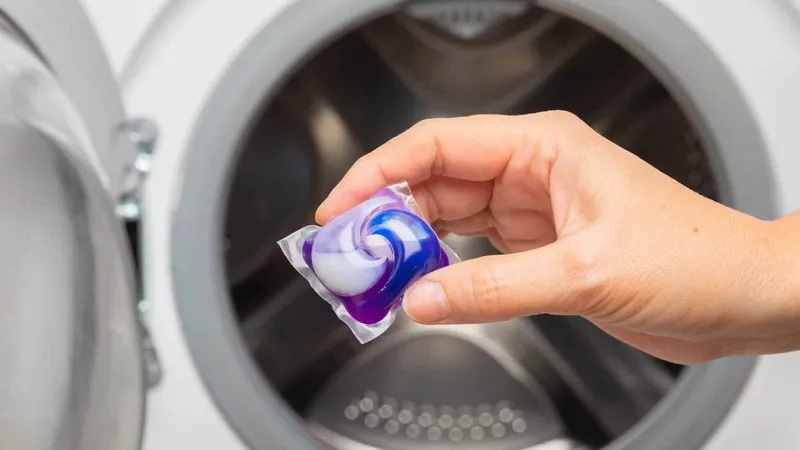
Laundry pods (also called detergent capsules or packs) are single-use cleaning units containing concentrated detergent, softener, and sometimes stain removers. They're encased in a water-soluble film, typically made of polyvinyl alcohol (PVA). When exposed to water, this thin film dissolves, releasing the detergent into the wash.
Their convenience lies in their precision: you use just the right amount of detergent each time, minimizing waste. However, their success depends on specific conditions — enough water, proper temperature, and adequate agitation. When these conditions aren't met, the pod may not dissolve completely, leaving patches or clumps of detergent on clothes.
Pod residue happens for many reasons related to your machine, habits, or even your water quality. Let's explore these in detail.
One of the most common causes of residue is too low water temperature. Pods are formulated to dissolve best within a certain temperature range. If the water is too cold, especially during winter, the pod's film doesn't fully dissolve and may cling to fabrics.
How to fix it:
- Use warm or hot water cycles when possible, especially for heavily soiled items or dense fabrics like towels.
- In colder months, run your hot tap for a few seconds before starting the washer to prime the water temperature.
- If you prefer cold washes to save energy, use cold water-specific pods, as they have films that dissolve faster at low temperatures.
When you pack the washer too tightly, there's not enough room for water or detergent to circulate. The pod may get trapped between layers of clothing, failing to dissolve properly.
How to fix it:
- Load your washer about two-thirds full for optimal water movement.
- Distribute thick items like blankets or jeans evenly.
- If you're washing bulky loads, add a second rinse to ensure detergent residue is completely cleared.
Where you place the pod can make or break your wash results. Tossing the pod on top of clothes often prevents it from contacting enough water at the start of the cycle.
How to fix it:
- Always place the pod at the bottom of the drum, not in the detergent drawer or on top of clothing.
- Add clothes after placing the pod so water flows directly onto it once the wash starts.
High-efficiency (HE) washers use less water to conserve energy. While that's environmentally friendly, it can interfere with how pods dissolve, particularly when clothes absorb most of the available water.
How to fix it:
- Enable the Deep Fill or Extra Rinse setting on your HE washer.
- Don't overload the machine — allow enough space for water and detergent to circulate properly.
- Occasionally run a cycle with higher water levels to help rinse away any old residues.
Adding extra pods doesn't guarantee cleaner laundry. Too much detergent oversaturates the water, leaving residue after rinsing.
How to fix it:
- Use one pod per standard load.
- For extra-large or heavily soiled loads, use two pods only if your washer has enough water capacity.
- Too much detergent can also cause an unpleasant film inside the drum, affecting future washes.
Cold water slows down the pod's dissolving process, while hard water (water with high mineral content) interacts poorly with detergent ingredients. The minerals in hard water can cause the soap to clump and adhere to clothes.
How to fix it:
- If you have hard water, consider installing a water softener or using hard water-compatible detergent pods.
- For cold-water washing, select pod types labeled “Cold Dissolve” or “Cold Water Formula.”
Quick or “Eco” cycles may not give pods enough time to dissolve fully and rinse off fabrics. This is especially true for thick materials or full loads.
How to fix it:
- Choose a regular-length or heavy-duty cycle for better agitation and rinsing.
- For smaller or lightly soiled loads, liquid detergent may be a better option since it dissolves faster than pods.
Like any appliance, washing machines need regular upkeep. Soap scum, lint, and mineral buildup can disrupt the flow of water, reducing how effectively detergent dissolves and rinses.
How to fix it:
- Run a cleaning cycle once a month using white vinegar, baking soda, or a commercial washer cleaner.
- Wipe down the drum, gasket, and door seal regularly.
- Clean the detergent drawer and drain filter if your machine has one.
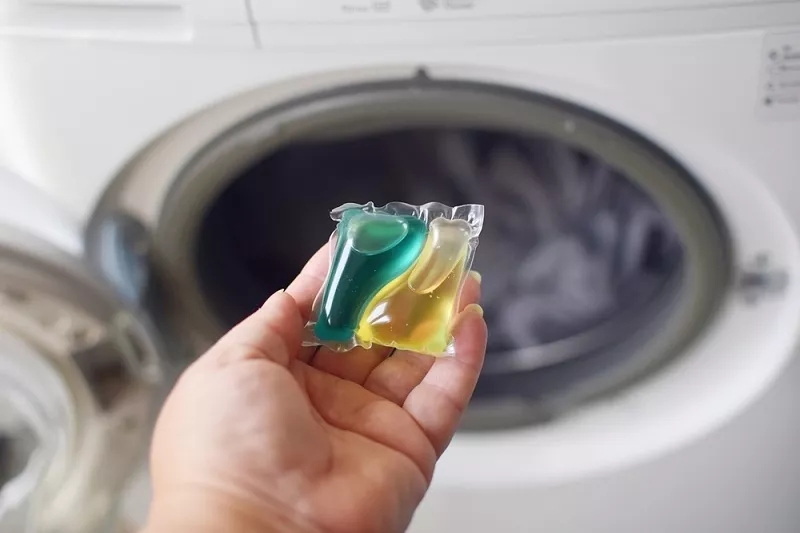
If you find detergent residue after a wash, avoid throwing the clothes straight into the dryer — heat can set the stains permanently. Instead, follow these simple steps:
1. Soak the affected clothes in warm water for 10–15 minutes.
2. Rinse thoroughly or run a short wash cycle without detergent.
3. Add white vinegar (½ cup) to the rinse water to break down any leftover film.
4. Air-dry to check if residue remains before machine-drying.
This simple process should remove most residue without damaging fabrics.
Making small adjustments to your washing routine can eliminate pod residue altogether:
- Place pods first, then add laundry.
- Use the correct water temperature.
- Avoid overloading your washer.
- Choose longer wash cycles for heavy loads.
- Store pods in a cool, dry location to prevent the casing from weakening.
- Regularly clean your washer to prevent buildup.
- Use pods according to manufacturer recommendations for both machine type and load size.
If you've corrected your loading, temperature, and water level habits yet still encounter residue, the problem could be the detergent composition. Different pods contain different dissolving agents and active cleaning ingredients.
You might want to try:
- Liquid detergent, ideal for quick or cold water cycles.
- Powder detergent, which performs best in hot water and is excellent for large loads.
- Cold water pods, specifically designed to dissolve at low temperatures.
Switching detergent types is often the simplest and most immediate fix.
Laundry success often depends on where you live. Seasonal temperature changes can influence your washer's water temperature. During winter, incoming pipes may deliver water that's below optimal dissolving range for pods.
Humidity also plays a significant role. Storing pods in humid environments can weaken their protective film, causing them to stick together or become partially dissolved before use.
To mitigate this:
- Store pods in their original sealed container.
- Keep them away from humidity and heat sources.
- During winter, consider running a brief warm fill at the start of each load to preheat the washer drum.
Understanding your local water conditions and adjusting accordingly can make a substantial difference in wash quality.
Laundry pod performance is guided by science. The water-soluble PVA film requires a combination of temperature, motion, and time to break down effectively. When one component is lacking, the pod may fail to release its contents evenly.
1. Temperature affects how fast the film dissolves.
2. Mechanical motion (tumbling and agitation) breaks apart the film and distributes detergent.
3. Time allows cleaning agents to activate and rinse properly.
That's why quick cycles, low water, or overcrowded drums interfere with the pod's chemical design.
Residue problems often indicate the start of internal buildup. Regular machine maintenance helps not only with detergent dissolution but also with odor prevention and energy efficiency.
- Run a monthly cleaning cycle with hot water and a washer cleaner.
- Remove and rinse detergent drawers every few weeks.
- Wipe the door seal and inner drum after every few uses.
- Check hoses and filters for lint or mineral deposits.
Clean machines help pods dissolve consistently and extend your washer's lifespan.
Laundry pods, when used correctly, can reduce waste. Because each pod contains pre-measured detergent, they prevent overuse and decrease chemical runoff. However, their environmental benefits depend on proper disposal and minimal residue.
Here's how to ensure eco-friendly laundering:
- Always run full loads to conserve water and energy.
- Avoid unnecessary re-washing due to residue.
- Use eco-certified pods that biodegrade more easily.
- Pair pods with efficient wash cycles at appropriate temperatures.
When used responsibly, laundry pods can be both convenient and sustainable.
Laundry pods have simplified washing, but they rely on specific water, temperature, and loading conditions to perform perfectly. Residue on clothes usually results from incorrect placement, low water temperature, overloaded machines, or poor washer maintenance.
Fortunately, the solutions are straightforward — use warm water, load moderately, place the pod first, and clean your washer regularly. By understanding the science of how pods dissolve and adjusting your habits accordingly, you'll achieve brighter, fresher laundry with every wash.
With a few tweaks, you'll never have to deal with sticky patches or white streaks again — only clean, soft, and wonderfully fresh clothes.

Pods stick when they don't fully dissolve, often due to cold water or overloading. Always place pods first, use enough water, and avoid overstuffing your washer.
Yes, but only if the pod is labeled cold water compatible. Regular pods may not fully dissolve in very cold conditions, leaving residue.
Use one pod for a regular load. Only use two for extra-large or very dirty loads, ensuring there's sufficient water flow for both to dissolve.
HE washers use less water, which can prevent pods from dissolving evenly. Select higher water settings or an extra rinse to help.
Place pods first, use warm water, pick longer cycles, and clean your washer monthly. Follow manufacturing instructions closely for your detergent and machine.


