
Views: 222 Author: Tomorrow Publish Time: 12-17-2025 Origin: Site


Content Menu
● Understanding Dishwasher Detergents
● What Are Dishwasher Pods and Bricks?
● How Pods and Bricks Work During Wash Cycles
● Dishwasher Compatibility with Pods and Bricks
● Benefits of Using Pods and Bricks
● How to Use Pods or Bricks Properly
● Are Pods Suitable for All Dishwasher Brands?
● Pods vs. Bricks vs. Traditional Detergents
● Environmental Considerations
● Maintenance and Cleaning Tips
● When to Avoid Pods or Bricks
● Troubleshooting Pod-Related Issues
● FAQ
>> 1. Are pods better than powder detergents?
>> 2. Can I use two pods for extra dirty dishes?
>> 3. Do pods dissolve in eco or low-temperature modes?
>> 4. Are dishwasher pods environmentally safe?
>> 5. Why does the pod remain undissolved after a wash?
Dishwashers have revolutionized kitchen cleaning, turning tedious manual scrubbing into an automated process that saves time, water, and effort. But as dishwasher designs evolve, so do detergents. Modern options such as pods and bricks (tablets) have become incredibly popular due to their convenience and efficiency. Many users, however, still ask an important question: Do all dishwashers work with pods or bricks?
In this article, we'll explore how dishwasher pods and bricks function, discuss compatibility issues across different models, outline best usage practices, and analyze their pros and cons compared to traditional detergents. By understanding how these cleaning agents interact with your appliance, you can make smarter choices for better results and machine longevity.
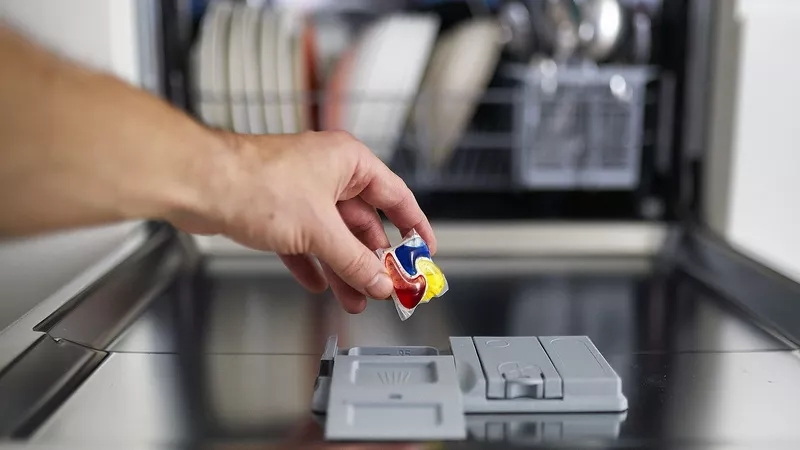
Dishwasher detergents are specialized formulas that tackle grease, food particles, stains, and mineral deposits. They work in synergy with your dishwasher's spray arms, water jets, and heat cycles to achieve spotless dishes. Broadly, detergents come in the following forms:
1. Powder detergent – The classic option. Flexible in dosage but requires careful measurement to avoid residues or waste.
2. Liquid or gel detergent – Easy to pour and quickly dissolves but may sometimes leave streaks.
3. Pods or bricks – Pre-measured solid forms wrapped in a water-soluble film that release detergent automatically during washing.
While modern dishwashers are engineered to support all types, not every model achieves the same results with pods. Factors such as dispenser design, heating elements, and cycle length greatly affect detergent performance.
Dishwasher pods and bricks—often marketed as tablets—are concentrated cleaning units containing detergent, rinse aid, and sometimes water-softening salts. Wrapped in a dissolvable film, they're meant to simplify dishwashing by combining multiple agents in one step.
- Pods usually have a soft, flexible casing with multiple chambers—for example, one for detergent and another for rinse aid.
- Bricks are solid rectangular tablets designed for slow, consistent dissolution, often suitable for longer cycles.
These detergents eliminate the guesswork of measuring the right dosage while ensuring consistent cleaning results. Their chemical composition typically includes surfactants, enzymes, and oxygen-based bleaching agents, all released at targeted wash stages.
When the dishwasher starts, water enters the machine and moves through its spray arms. The detergent compartment opens automatically during the main wash stage, exposing the pod or brick to hot water. The film dissolves, and the detergent disperses into the water to remove grease and residues.
Key elements in the process:
- Enzymes target starches and proteins.
- Bleaching agents eliminate stains caused by coffee, wine, or tea.
- Surfactants help water spread evenly over surfaces for spotless results.
- Rinse aid components promote faster drying and minimize water spots.
For optimal performance, the detergent must dissolve entirely before rinsing begins. That's why water temperature and spray force are so important.
Most dishwashers manufactured in the last decade are fully compatible with pods or bricks. However, performance can vary due to:
1. Dispenser design – Some compartments are small or partially shielded, preventing full water contact early in the cycle.
2. Water temperature – Pods typically need hot water (above 50°C / 122°F). Machines with eco settings or cold-water cycles might not dissolve them fully.
3. Cycle timing – Short cycles can end before a pod completely dissolves, leaving residue.
4. Water hardness – Hard water can hinder detergent performance unless the pod contains salts or you use water-softening agents.
Always consult your dishwasher's manual for detergent recommendations. Even small design differences—like dispenser shape—can affect pod performance.
There are multiple reasons users switch from powders or gels to pods:
- Ease of use: No measuring or spilling; just drop one pod into the dispenser.
- Consistent cleaning quality: Pre-set doses ensure optimal detergent quantity every time.
- Enhanced formula: Many pods include rinse aid, degreasers, and glass protection agents.
- Reduced waste: Controlled portions minimize detergent overuse, saving resources.
- Long shelf life: Individually sealed pods stay fresh and dry between uses.
Pods simplify dishwashing routines and are ideal for busy lifestyles where convenience and consistency matter.
While pods seem perfect, there are limitations:
- Cost per load: They're pricier than powder or liquid detergents.
- Incomplete dissolution: In low heat or quick cycles, pods may leave detergent streaks.
- Over-dosage risk: You can't adjust the amount for small or lightly soiled loads.
- Plastic waste: Though films are water-soluble, outer packaging may not always be recyclable.
- Machine sensitivity: Some older dishwashers may experience dispenser blockages.
Understanding these drawbacks helps balance cost, performance, and environmental considerations.
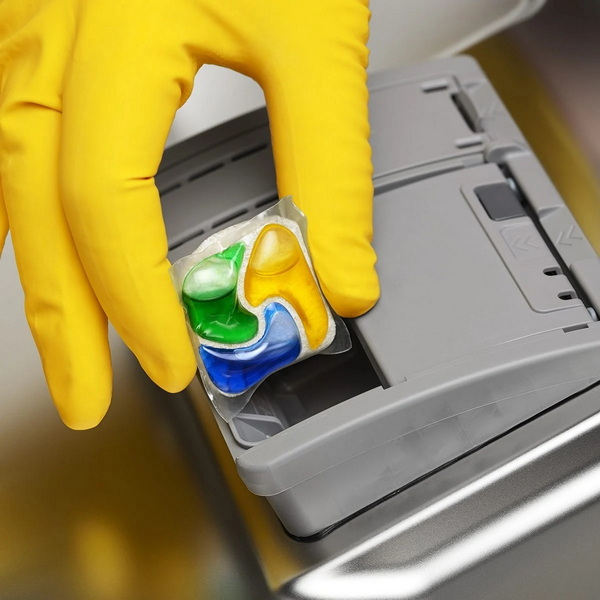
Proper usage ensures cleaner results and fewer mechanical issues:
1. Place the pod or brick in the main detergent dispenser, not on the bottom rack.
2. Dry your hands before handling; moisture can prematurely dissolve the film.
3. Run the dishwasher on a hot or normal wash cycle to activate all cleaning agents.
4. Avoid using more than one pod—extra detergent doesn't improve results.
5. Keep pods in airtight containers away from humidity to maintain quality.
For lightly soiled loads or quick wash cycles, liquid or powder detergents might be more efficient alternatives.
Most dishwashers from brands like Bosch, Whirlpool, GE, KitchenAid, LG, and Miele support pods or tablets. However, variations in heater design, wash arm positioning, and dispenser mechanisms may alter results slightly.
For instance, Bosch recommends using tablets for cycles over one hour, while advising powder for faster eco modes. Meanwhile, Whirlpool promotes pod compatibility but emphasizes proper water heating. Always follow brand-specific care instructions to protect your appliance and maintain warranty coverage.
| Feature | Pods | Bricks | Powder | Liquid/Gel |
|---|---|---|---|---|
| Ease of use | Excellent | Very good | Moderate | Good |
| Cost efficiency | Moderate | Moderate | High | Moderate |
| Adjustability | None | None | Full | Partial |
| Dissolution rate | Fast | Medium | Fast | Fast |
| Best suited cycles | Normal / Heavy | Long / Intensive | Any | Short or Light |
| Residue risk | Low (if hot water) | Medium | Low | Medium |
| Storage | Compact | Compact | Larger | Medium |
Pods and bricks offer modern convenience, whereas powder remains favored by users wanting flexibility and control.
Sustainability-conscious consumers often question whether pods are eco-friendly. While many detergent brands now use biodegradable films, environmental impact also depends on production processes and packaging materials. Look for:
- Phosphate-free detergents to reduce water pollution.
- Minimal packaging or recyclable materials.
- Concentrated formulas requiring less chemical transport volume.
If sustainability is a priority, explore eco-sensitive brands like Ecover, Seventh Generation, or Finish Power Eco variants.
Even when using top-quality pods, routine maintenance ensures consistent performance:
- Clean spray arms and filters monthly to prevent clogs.
- Use a dishwasher cleaner every few weeks to remove limescale buildup.
- Check the dispenser flap to confirm it opens freely.
- Load dishes properly—avoid blocking the pod dispenser with large utensils or trays.
- Run hot cycles occasionally to flush detergent residues.
Good maintenance extends both your dishwasher's life and detergent effectiveness.
Some dishwashers and usage cases are unsuitable for pods or bricks:
- Compact or countertop dishwashers may not heat water sufficiently.
- Short-cycle programs may end before full dissolution.
- Soft-water areas can lead to over-sudsing if you use powerful pods.
- Older machines lacking heated drying may leave soapy residues on dishes.
Switching to powder detergent in these scenarios can help achieve better cleaning with less waste.
If you experience poor cleaning or leftover detergent, check the following:
- Is the water temperature above 50°C (122°F)? If not, switch to a longer cycle.
- Is the dispenser blocked by utensils or misloaded dishes?
- Are filters and spray arms clean and unobstructed?
- Is the pod placed correctly in the detergent compartment?
Addressing these small issues usually restores normal cleaning performance.
Not all dishwashers work equally well with pods or bricks, though most modern units are designed for them. The key factors influencing performance include water temperature, cycle length, dispenser design, and maintenance. Pods and bricks remain the most convenient and reliable detergent options for users seeking effortless, consistent cleaning—provided the machine supports them fully.
For older or compact dishwashers, however, traditional powder or liquid detergents may still be the smarter choice. By using your detergent type appropriately, maintaining your appliance, and selecting the right cycle, you can enjoy cleaner dishes, improved efficiency, and reduced detergent waste.
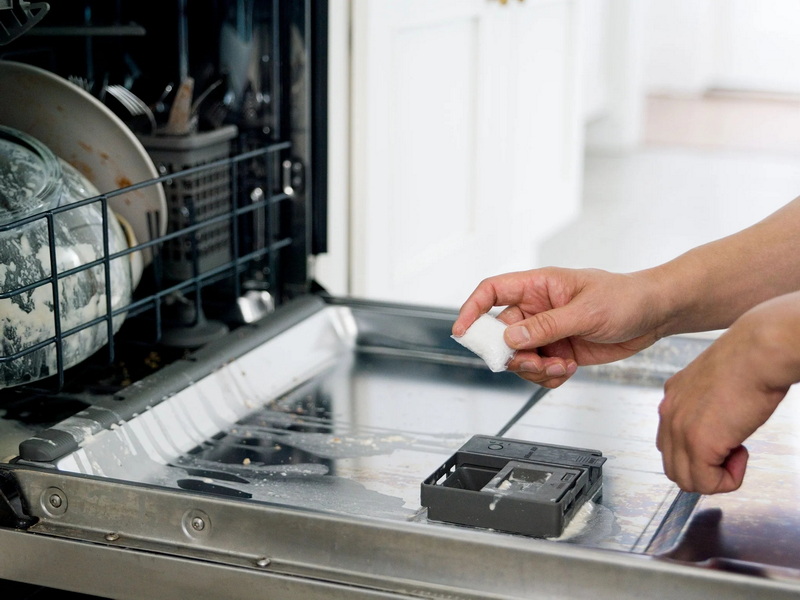
Pods are convenient and accurately dosed, but powders are more cost-effective and flexible. Choose based on your dishwasher model and washing habits.
No. Using two pods may cause over-sudsing, residue buildup, and potential machine strain. Instead, choose a stronger cycle or pre-rinse heavily soiled dishes.
Not always. Pods need warm-to-hot water. If your dishwasher uses cool water, opt for powder or liquid detergents to ensure full cleaning.
Most reputable brands use biodegradable coatings. However, check labels for phosphate-free and minimal-plastic packaging for best sustainability.
The cause might be a blocked dispenser, low water pressure, or cool water. Clean spray arms, check heating elements, and use a longer cycle.


