
Views: 222 Author: Tomorrow Publish Time: 12-15-2025 Origin: Site


Content Menu
● Understanding Dishwasher Pods
● The Compatibility of Pods with Powder Dishwashers
>> Factors That Affect Compatibility
● Potential Issues When Using Pods in Powder Dishwashers
● How to Use Pods Correctly in a Powder Dishwasher
● Pros and Cons of Using Pods in Powder Dishwashers
>> Advantages
● Best Alternatives for Powder Dishwashers
● Maintenance Tips to Improve Pod Performance
● Eco-Friendly and Safety Considerations
● Common Reasons Pods May Fail
● FAQ
>> 1. Are dishwasher pods safe for all appliances?
>> 2. Why is my pod not dissolving completely?
>> 3. Can I put the pod directly in the bottom of the dishwasher?
>> 4. Do pods clean better than powders?
>> 5. How can I prevent residue or film from pods?
Modern dishwashers offer an impressive range of detergent choices — from traditional powders and liquid gels to compact pods and tablets. Many households that have older or powder-based dishwashers wonder if they can safely and effectively use pods instead. The short answer is yes, in most cases, pods can be used in machines originally intended for powder detergent. However, to make the switch successfully, it's essential to understand how pods work, how powder dishwashers operate, and what adjustments ensure the best cleaning results.
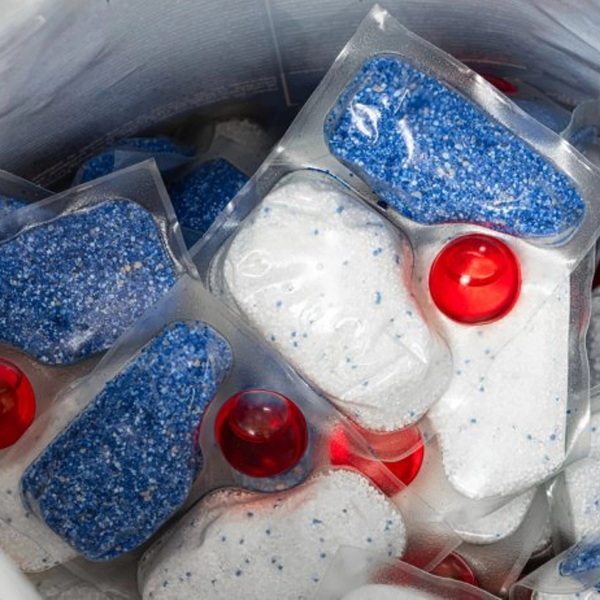
Dishwasher pods, sometimes referred to as tablets, pacs, or capsules, are small, pre-measured units that contain several cleaning components in one package. They're wrapped in a thin, water-soluble film designed to dissolve completely during a wash cycle. Inside each pod, detergent manufacturers carefully balance surfactants, enzymes, and rinsing agents to perform specific cleaning tasks.
- Detergents: These are the main cleaning agents that remove oil, grease, and stubborn food particles.
- Enzymes: Biological compounds that break down proteins and starches from food residues.
- Rinse aids: Help water flow off dishes smoothly to prevent streaks and spots.
- Bleaching agents: Often included to disinfect and brighten glassware.
- Water softening salts: Reduce the effects of hard water, which can cause cloudy buildup on dishes.
This multi-layered structure ensures that ingredients are released at different times in the cycle, enabling a more efficient, comprehensive clean than basic powder detergent can sometimes provide.
Dishwashers designed for powdered detergent rely on simple physics and chemistry to clean. The appliance fills with water, heats it to an optimal temperature, and sprays it under high pressure through rotating arms. When the cleaning cycle begins, the detergent door opens, releasing the powder into the hot water stream.
The water activates alkaline agents and enzymes in the powder, which break down grease, oils, and food residues. Rinse water then clears away detergent and residue, leaving the dishes clean and dry.
Older dishwashers were primarily engineered with powdered detergents in mind because powder was the standard option for decades. Their dispensers are sometimes smaller or shaped differently, which can limit how detergent pods fit or dissolve. That's the main reason some users hesitate to make the switch.
Most modern detergent pods are designed to be universal, meaning they can dissolve and perform effectively in nearly all dishwashers, even those originally built for powder detergent. The key factor is water heat and distribution. Since pods are sealed in a dissolvable film, they need consistent water flow and sufficient heat to melt properly.
When used correctly, pods can often outperform powders in convenience and cleaning consistency. However, their performance can vary depending on a few technical conditions.
- Detergent compartment size — If your powder dishwasher has a small dispenser, ensure the pod fits easily without forcing the door closed.
- Water temperature — Pods dissolve best in water above 45°C (113°F). Cold water cycles might leave undissolved residue.
- Spray arm performance — Properly functioning spray arms ensure the pod dissolves fully and disperses evenly throughout the wash chamber.
- Cycle selection — Extended or normal wash cycles are ideal for pods, as they provide adequate time for activation.
When these conditions are met, pods work wonderfully even in older powder-based dishwashers, delivering efficient, spotless results.
Despite their universal design, pods are not always flawless when paired with older dishwashers. There are a few common challenges users may encounter:
1. Incomplete Dissolution: If your dishwasher doesn't reach the right water temperature or if the pod is trapped in a poorly ventilated compartment, it may not dissolve completely. This can lead to detergent residue on dishes or a chalky film.
2. Dispenser Door Jamming: Some pods expand slightly as they absorb moisture. If your detergent door is small or sticky, the pod might get stuck, preventing it from releasing.
3. Excessive Suds: Pods tailored for high-efficiency systems may over-foam in traditional units, especially if water levels or temperatures differ.
4. Water Film or Cloudiness: Hard water combined with incompatible rinse aid performance can cause a cloudy sheen on glassware.
5. Sensor Misreadings: Rarely, detergent residue can accumulate around sensors, leading to inaccurate cycle readings or rinse performance issues.
Most of these issues are avoidable with regular cleaning, high-temperature washes, and proper pod positioning.
Transitioning from powder to pods isn't complicated, but a few best practices can make a big difference in results.
1. Consult your manual. Check for any recommendations or warnings about detergent types.
2. Place the pod properly. Always put the pod in the main detergent dispenser — never directly on the bottom unless necessary.
3. Run hot water first. Before starting the dishwasher, run your kitchen tap until the water feels hot. This ensures the machine starts with optimal temperature levels.
4. Use standard or heavy cycles. Avoid short or low-temperature cycles unless your pods are labeled as “quick-dissolving.”
5. Do not unwrap the pod. The casing is water-soluble and designed to dissolve automatically.
6. Keep pods dry. Moisture can cause premature softening or sticking in the dispenser tray.
7. Load dishes properly. Arrange plates and bowls so that spray jets can reach all surfaces evenly.
Following these steps ensures efficient detergent dispersion and thorough rinsing, improving both cleaning performance and appliance longevity.

- Consistent dosage: Each pod contains precisely measured detergent, eliminating guesswork and waste.
- Convenience: Pods are easy to handle, mess-free, and storage-friendly.
- Advanced formulas: Many pods feature 2-in-1 or 3-in-1 systems that combine detergent, rinse aid, and degreaser in one unit.
- Improved cleanliness: Their controlled release of ingredients can remove stubborn stains more effectively than older powder types.
- Eco-friendly options: Biodegradable pod casings and phosphate-free formulas are widely available.
- Higher cost per load: Pods can cost two to three times as much as powder detergent.
- Incomplete dissolution in cold water: Older dishwashers with limited heating capability may not dissolve pods fully.
- Lack of flexibility: You can't easily adjust the detergent amount for smaller loads.
- Residue risk: Improper water pressure or dispenser design may leave leftover material on dishes.
- Storage sensitivity: Pods can clump or stick together if exposed to humidity.
Overall, pods are extremely convenient but require proper usage and conditions to deliver consistent results.
If pods don't perform as expected in your specific machine, there are several reliable alternatives.
- Traditional powder detergent: Versatile, inexpensive, and fully compatible with any machine setting.
- Dishwasher gels: Dissolve quickly and are ideal for short or eco cycles.
- Concentrated eco powders: Environmentally friendly and highly effective in low-water systems.
- Dual-action powders: Blended with rinse agents to combine multiple cleaning steps in one formula.
- Custom detergent doses: If you want adjustable cleaning strength, powders offer more flexibility than fixed-size pods.
Choosing the right detergent often depends on your dishwasher's age, water quality, and the type of dishes you clean most frequently.
Proper maintenance is key to maintaining consistent results regardless of detergent type. A clean and efficient dishwasher allows pods to dissolve properly and perform their intended chemical reactions.
- Clean the filter monthly. Remove trapped debris that can block detergent circulation.
- Wipe down spray arms. Use a toothbrush or toothpick to clear blocked holes that reduce water pressure.
- Descale periodically. Use vinegar or a specialized descaling solution to remove mineral deposits in hard-water areas.
- Inspect the detergent dispenser. Wipe it clean and ensure the latch isn't stiff or obstructed.
- Run a maintenance cycle. Once a month, run the dishwasher empty on a hot cycle with dishwasher cleaner to remove grease and soap film buildup.
Consistent care ensures detergents — pods or otherwise — can work at maximum efficiency.
Today's dishwasher pods increasingly cater to sustainability and safety. Many brands use plant-derived enzymes, recyclable packaging, and biodegradable films. If you're concerned about environmental impact, consider choosing eco-certified detergent pods.
Keep these safety notes in mind:
- Store pods out of reach of children and pets. Their colorful appearance can attract curiosity.
- Always use dry hands when handling. Moisture can trigger partial dissolution.
- Avoid mixing different detergent types in one cycle; interactions may reduce performance or create residue.
These practices not only enhance results but also ensure a safer and more responsible kitchen environment.
Sometimes, even with proper installation, pods may underperform. The most frequent causes include:
1. Hard water: Minerals can neutralize detergent efficiency. Use a rinse aid or water softener.
2. Short or cool cycles: Restricting time or temperature prevents full activation.
3. Overcrowding: Dishes stacked too tightly block detergent circulation.
4. Old dishwasher models: Machines manufactured before the 1990s may lack water pressure or temperature control for pod use.
5. Detergent age: Pods lose potency over time when exposed to air, moisture, or sunlight.
Recognizing these issues can help you fine-tune detergent selection and cycle choice for consistently cleaner dishes.
Using pods in a powder dishwasher is both possible and practical, provided you account for key factors such as water heat, dispenser size, and wash duration. Pods simplify dishwashing, deliver consistent dosing, and often include multiple cleaning agents in a single dissolvable package. However, they require proper handling and may not perform optimally in every situation.
To maximize cleaning results, ensure adequate temperature settings, maintain your dishwasher regularly, and avoid overloading dishes. If pod residue persists or cleaning quality drops, try switching to a high-grade powder detergent or dishwasher gel better suited for your specific model. With a little experimentation, you'll find the detergent type that gives your dishes a brilliant, streak-free finish — even in older powder-based machines.

Yes. Most dishwasher pods are formulated for all major brands and models. However, very old machines may not reach the ideal temperatures needed for complete pod dissolution.
Pods usually fail to dissolve due to low water temperature, short wash cycles, or detergent compartment blockages. Running a longer, hotter cycle typically solves this issue.
Yes, but only when the dispenser is faulty or too small. Be aware that the pod may dissolve early in the cycle, which can slightly reduce cleaning performance.
Not always. Pods provide consistent dosing and added enzymes, but high-quality powder detergents can achieve excellent results, especially in older or high-hardness-water environments.
Ensure that you run hot water before starting the dishwasher, avoid overloading, and clean filters regularly. Using a rinse aid also helps eliminate any leftover film.


