
Views: 222 Author: Tomorrow Publish Time: 02-02-2026 Origin: Site


Content Menu
● What Is Homemade Laundry Soap vs. Real Laundry Detergent?
>> Homemade Laundry Soap: What People Actually Mix
>> Commercial Laundry Detergent: How It Is Engineered
● Key Focus: Why Homemade Laundry Soap Is Bad in 2026
● 1. Poor Cleaning Performance and Residue Buildup
>> 1.1 Lack of Modern Surfactants and Enzymes
>> 1.2 Soap Scum and Fabric Buildup
● 2. Damage to Washing Machines and System Components
>> 2.1 Clogged Drums, Hoses, and Drainage
>> 2.2 High-Efficiency (HE) Machines: A Special Risk
● 3. Hygiene and Health Concerns Consumers Often Overlook
>> 3.1 Limited or No Antimicrobial Performance
>> 3.2 Skin Irritation from Harsh Alkalinity and Residue
● 4. Environmental Impact: Why Homemade Laundry Soap Is Not Automatically “Green”
>> 4.1 Extra Rinsing Means More Water and Energy
>> 4.2 Non-Optimized Ingredients and Waste
● 5. Cost Reality: Is Homemade Laundry Soap Really Cheaper?
>> 5.1 Hidden Costs Users Do Not Calculate
>> 5.2 Brand Risk for Retailers and OEM Buyers
● 6. Quick Comparison: Homemade Laundry Soap vs. Professional Detergent
● 7. Where Visuals and Charts Can Boost Engagement
● 8. Practical Checklist: How to Explain to Customers Why Homemade Laundry Soap Is Bad
● 9. Why Laundry Brands Should Partner With a Professional OEM Manufacturer
>> 9.1 Technical and Regulatory Advantages
>> 9.2 Product Portfolio Flexibility for Your Market
● 10. Step-by-Step: How a Brand Should Transition Away from Homemade Laundry Soap Concepts
● Conclusion: Why Serious Laundry Brands Avoid Homemade Laundry Soap in 2026
● Call to Action: Build Your Own Professional Laundry Detergent Line
● FAQs About Homemade Laundry Soap and Professional Detergent
>> FAQ 1: Is homemade laundry soap really that bad for washing machines?
>> FAQ 2: Can homemade laundry soap ever be as effective as commercial detergent?
>> FAQ 3: Is homemade laundry soap safer for sensitive skin?
>> FAQ 4: Is homemade laundry soap better for the environment?
>> FAQ 5: What should professional laundry brands use instead of homemade formulas?
Homemade laundry soap is trending among consumers who want eco-friendly and budget options, but for professionals and serious laundry brands it can quietly damage fabrics, machines, and reputations. In 2026, regulations, fabric technology, and user expectations around hygiene have all tightened, which means relying on DIY-style laundry soap is no longer acceptable for any brand that wants consistent quality and safety.
For OEM and private-label buyers in particular, understanding why homemade laundry soap performs poorly versus modern detergent formulations will help you choose science-based laundry products that protect both your end-users and your equipment.

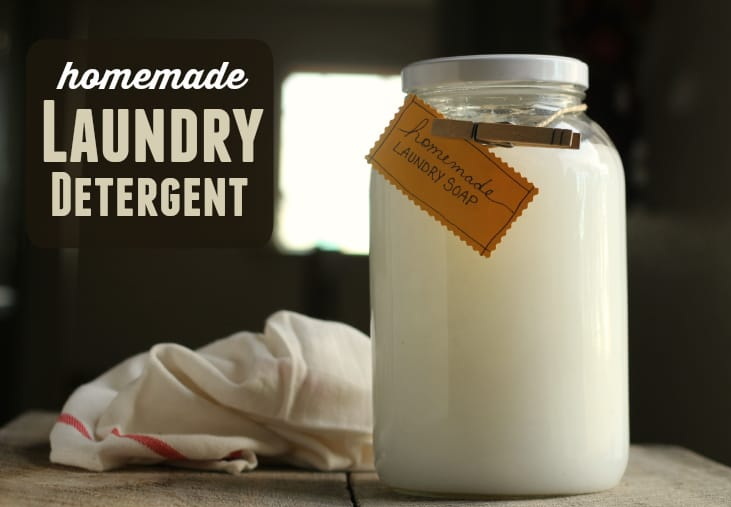
Most homemade laundry “detergent” recipes are actually soap-based mixtures, not true detergents. Typical DIY formulas usually include grated bar soap, washing soda, borax, baking soda, and sometimes essential oils.
These ingredients may dissolve visible dirt, but they lack the optimized surfactant systems, enzymes, and builders that industrial detergents use to suspend soils and rinse them away effectively.
Modern commercial detergents are carefully formulated blends of surfactants, enzymes, builders, anti-redeposition agents, and stabilizers, calibrated to work in a wide range of water qualities and machine types. These components are tested for cleaning performance, fabric safety, rinsability, and compatibility with high-efficiency (HE) washing machines.
For OEM brands, this means you can offer laundry products that consistently deliver deep cleaning, color protection, and hygiene, backed by lab data rather than trial-and-error kitchen experiments.
The core reason why homemade laundry soap is bad is that it behaves like soap in hard water: it reacts with minerals, leaves residue, and cannot provide the high-level soil removal or hygiene that today's users expect. In 2026, with more households using HE machines, sensitive fabrics, and performance sportswear, these weaknesses become even more obvious and costly.
Homemade laundry soap lacks high-performance surfactants and targeted enzymes, so it struggles with oily stains, body soils, sunscreen, and modern synthetic fibers. Without these ingredients, dirt and oils are only partially removed and can be re-deposited back onto the fabric during the rinse.
This leads to clothes that may look acceptable after a fresh wash but become gray, dull, and stiff over time, a common complaint from users who switch from DIY recipes back to commercial detergent.
Because homemade formulas are soap-based, they react with calcium and magnesium in hard water to form insoluble soap scum. This scum sticks to fabric fibers, causing:
- Rough, stiff hand-feel even on soft cotton or towels.
- Dingy or yellowish appearance instead of bright whites and colors.
- Residual film that traps odors, making clothes smell musty more quickly.
Brands that want to position themselves as premium fabric-care experts cannot afford this inconsistent and low-grade result.
Soap scum does not just stay on clothes; it also accumulates inside washers, drainage lines, and, in some cases, septic systems. Over time, this can:
- Narrow internal hoses and filters, reducing water flow and machine efficiency.
- Promote mold and biofilm growth in damp, residue-rich areas.
- Cause unpleasant odors that users may misinterpret as machine failure.
From a commercial or OEM perspective, this means higher maintenance costs, more warranty disputes, and more negative reviews blaming the detergent performance.
HE washers are designed for low-sudsing, high-rinsability detergents and precise electronic controls. Homemade laundry soap can produce inconsistent suds and residue, which in HE systems may:
- Trigger error codes and incomplete cycles due to oversudsing or restricted flow.
- Leave sticky films on sensors and internal surfaces, affecting long-term reliability.
- Increase the risk of voided warranties when service technicians trace issues to non-approved cleaning agents.
For OEM laundry brands working with appliance makers, aligning with machine-safe, tested detergents is essential.
Most homemade laundry soaps contain no validated antibacterial or antiviral agents, and they are never tested in controlled conditions for microbial reduction. That is a serious flaw for:
- Baby clothes and cloth diapers.
- Underwear, sportswear, and uniform garments.
- Laundry from sick family members or healthcare settings.
In contrast, commercial detergents and dedicated laundry rinses can be formulated and tested to provide proven hygiene performance and odor control.
DIY recipes often use highly alkaline ingredients such as washing soda and borax at uncontrolled concentrations. Without dermatological testing, this can lead to:
- Redness, itching, or flare-ups in sensitive or atopic skin.
- Irritation from residual soap film that does not rinse off completely.
For brands serving families, hotels, or healthcare institutions, skin safety claims must be backed by testing, not assumptions.
Because soap-based formulas rinse poorly, users often need extra rinse cycles to avoid residue, especially in soft or cold water conditions. Each additional rinse consumes more water and energy, undercutting the supposed sustainability benefits of homemade laundry soap.
A high-efficiency commercial detergent designed for proper rinsing can deliver lower overall environmental impact per wash, particularly when concentrated formats are used.
Many DIY recipes rely on generic bar soaps that were never designed for machine washing or wastewater behavior. These products can:
- Form persistent scum in pipes and septic systems.
- Increase solid buildup and chemical load in wastewater due to incomplete rinsing.
By contrast, professional detergents can be optimized for biodegradability, dosing accuracy, and packaging efficiency, which supports more credible sustainability claims.
Even if the raw materials look cheaper per load, DIY laundry soap can create hidden costs:
- Shorter garment life due to grayness, stiffness, and fiber damage.
- Higher machine maintenance and potential early replacement.
- Extra water, electricity, and time for repeated washing or rinsing.
When these factors are included, many realistic calculations show that homemade formulas are not worth it compared to affordable commercial detergents.
For retailers, e-commerce brands, or private-label buyers, recommending or selling DIY-style laundry products can backfire quickly. Complaints about smelly towels, ruined machines, or itchy clothes damage trust and depress lifetime customer value.
Partnering with a specialized OEM detergent manufacturer lets you offer competitive pricing while preserving predictable, test-backed performance and protecting your brand reputation.
Factor | Homemade Laundry Soap | Professional Laundry Detergent (OEM) |
Core chemistry | Soap plus simple alkalis | Engineered surfactant systems, enzymes, and builders |
Cleaning power | Weak on oils and modern fibers, frequent rewashing | High stain removal even at low temperatures |
Machine safety | Residue, clogs, mold risk, and possible warranty issues | Tested for HE and various machine types |
Hygiene | No validated antibacterial or antiviral performance | Can integrate antimicrobial and odor-control technologies |
Skin safety | Uncontrolled pH, untested on sensitive skin | Options for dermatologically tested and pH-balanced formulas |
Sustainability | Extra rinses, soap scum in systems | Optimized dosing, better rinsing, concentrated formats |
Brand suitability | Not scalable or controllable | Scalable OEM production with robust QA systems |
A simple side-by-side chart like this can also be turned into a visual infographic for use on your website and marketing materials.
To improve user experience and dwell time, you can insert the following visual elements in your article:
- After Section 2: a diagram showing how soap scum builds up on fabric fibers versus how surfactants keep soils suspended for rinsing.
- In Section 3: a flowchart of laundry hygiene risk, from dirty laundry to inadequate DIY wash, microbial survival, and possible skin problems.
- In Section 4: a bar chart comparing water usage per load, contrasting DIY with extra rinses versus HE commercial detergent.
- In Section 6: a summary infographic based on the comparison table to highlight why homemade laundry soap is a poor choice for long-term care.
These visuals make complex chemistry and system effects easier to understand at a glance, especially for non-technical buyers.
If you are a retailer, distributor, or OEM brand owner, you will often need a simple script for educating end-users. You can structure it around three plain-language points:
1. “It does not clean as deeply as real detergent.” Explain that soap can leave a film that holds on to body oils and odors.
2. “It can slowly hurt your washing machine.” Note that residue can clog parts and encourage mold, especially in modern HE washers.
3. “It is not tested for skin or hygiene.” Stress that DIY mixes are not regulated or dermatologically tested the way professional products are.
Then you can transition into offering your own OEM detergent solution as the safer, science-based upgrade.
Working with an established OEM detergent manufacturer gives you access to formulation expertise, quality control systems, and regulatory compliance support that homemade concepts cannot match. Professional factories operate under strict quality standards and can supply documentation for safety data sheets, performance testing, and import compliance.
This allows your brand to launch or upgrade laundry product lines that are aligned with current expectations for efficacy, safety, and sustainability.
Instead of a one-size-fits-all DIY recipe, OEM partners can customize:
- Detergent powder for high-foam markets or hand-wash segments.
- Low-foam detergent liquids for HE washers and export markets.
- Compact laundry pods for convenience-focused consumers.
- Fabric softeners, color-safe bleach, and hygiene rinses as value-added extensions.
This variety helps you position yourself not as a “homemade hack,” but as a professional laundry solution provider that understands different consumer needs.
For DTC brands or retailers currently referencing DIY formulas, here is a simple migration path:
1. Audit your current messaging. Remove or reframe any content that directly promotes homemade laundry soap as a primary solution.
2. Introduce educational content. Publish updated blog posts, guides, and FAQs explaining the long-term risks of homemade laundry soap for machines and fabrics.
3. Launch reformulated products. Work with an OEM manufacturer to develop powder, liquid, or pod detergents that are compatible with your market's machines and fabrics.
4. Highlight testing and certifications. Communicate performance data, dermatological tests, and quality certifications to rebuild trust.
5. Use comparative visuals. Add tables, infographics, and short videos that show visible differences in cleaning, softness, and machine cleanliness over time.
This approach positions your brand as transparent, science-driven, and customer-centric, rather than simply trend-driven.
In 2026, the evidence is clear: homemade laundry soap is a weak choice for deep cleaning, machine health, hygiene, and long-term fabric care. It may look attractive as a “natural” or low-cost idea, but the hidden costs in odor, grayness, repairs, and skin issues make it a poor choice for both consumers and professional brands.
OEM and private-label buyers who want sustainable growth should focus on modern, scientifically formulated detergents, developed and produced by specialized manufacturers that understand today's laundry technology and regulatory landscape.
If you are a laundry brand owner, importer, or wholesaler who still relies on homemade concepts or generic formulas, now is the time to upgrade. By partnering with a dedicated OEM detergent factory, you can offer customers high-performance laundry products that protect fabrics, machines, and skin, while strengthening your brand image and profit margins.
Contact a professional OEM detergent manufacturer today to discuss custom formulations, packaging solutions, and market-specific product lines, and start building a laundry portfolio that is based on science, reliability, and long-term customer trust.
Contact us to get more information!
Yes. Soap-based recipes can create mineral-rich scum that clogs internal parts, promotes mold growth, and may even contribute to warranty disputes when machines fail earlier than expected. In the long run, these issues often cost more than choosing a suitable professional detergent from the beginning.
In light-duty situations, some homemade formulas may appear to work reasonably well, especially on slightly soiled cotton fabrics. However, they generally cannot match the consistent stain removal, color protection, and rinsability of engineered detergents across different water conditions, machine types, and fabric categories.
Not necessarily. The high alkalinity and lack of controlled formulation in many DIY recipes can irritate sensitive or atopic skin, particularly when residues remain on fabrics. In contrast, well-designed hypoallergenic detergents are developed and tested specifically to minimize irritation and support sensitive-skin users.
Not automatically. The need for extra rinse cycles, the formation of soap scum in pipes and septic systems, and the use of non-optimized ingredients can reduce the real sustainability benefits of homemade laundry soap. Concentrated, efficiently rinsing commercial detergents often achieve a lower environmental impact per wash when used correctly.
Professional brands should use laboratory-formulated powder, liquid, or pod detergents developed by qualified manufacturers, ideally supported by performance tests and documentation. These products can be adapted to local water conditions, machine types, and customer expectations, helping your brand deliver reliable cleaning results and long-term value.
1. https://vigour-group.com/insights/why-homemade-laundry-soap-is-bad-what-you-need-to-know-in-2026/
2. https://greenllamaclean.com/blogs/news/diy-laundry-detergent-risks-recipes-and-when-to-buy-instead
3. https://gimmethegoodstuff.org/blogs/guides-and-product-reviews/best-non-toxic-laundry-detergent-guide-2024
4. https://wholenewmom.com/homemade-laundry-detergent-recipe/
5. https://puracy.com/blogs/wellness/what-are-the-risks-of-using-homemade-laundry-soap
6. https://www.renegadebrands.com/post/home-vs-commercial-laundry-detergent-the-differences
7. https://www.bhg.com/diy-laundry-detergent-7487785
8. https://earthbreeze.com/blogs/blog/10-reasons-you-should-never-use-homemade-laundry-detergent
9. https://atraditionallife.com/6-reasons-to-avoid-using-homemade-soap-in-your-washing-machine/
10. https://pelicanstateofmind.com/financial-life-hacks/does-homemade-laundry-detergent-work-vs-store-bought/
11. https://www.everydaycheapskate.com/homemade-detergent-safe-use-todays-washing-machines/


