
Views: 222 Author: Tomorrow Publish Time: 02-02-2026 Origin: Site


Content Menu
● What Are Laundry Pods and How Do They Work?
● Main Reasons Your Laundry Pods Are Not Dissolving
>> 3. Overloaded Washing Machine
>> 4. Short or Interrupted Cycles
>> 5. Pod Film Damaged by Poor Storage
● Step-by-Step: How to Use Laundry Pods So They Always Dissolve
● Front-Load vs Top-Load Machines: What Changes for Pods?
● Troubleshooting: What to Do If a Pod Still Does Not Dissolve
>> If You Notice Pod Residue on Clothes
>> If Pods Frequently Do Not Dissolve
● How OEM Pod Quality Influences Dissolving Performance
>> Film Technology and Formulation
>> Why Brands Choose OEM Manufacturers Like Dongguan UFine Daily Chemical
● Best Practices for Storing Laundry Pods
● When Pods Might Not Be the Best Option
● Why Choose Dongguan UFine Daily Chemical Co.,Ltd. as Your OEM Laundry Pod Partner
● Take the Next Step With a Reliable OEM Laundry Pod Partner
● FAQs About Laundry Pods Not Dissolving
>> FAQ 1. Why are my laundry pods not dissolving in a front-load machine?
>> FAQ 2. Can I put laundry pods in the detergent drawer?
>> FAQ 3. Do laundry pods work in cold water?
>> FAQ 4. What should I do if pod residue is stuck on clothes?
>> FAQ 5. How should I store laundry pods to keep them dissolving properly?
When laundry pods do not dissolve properly, the most common causes are wrong pod placement, low water temperature, overloading the drum, short cycles, or storage problems with the pod film. By adjusting how you use pods and choosing reliable OEM formulations, you can eliminate residue, protect fabrics, and improve overall washing performance.
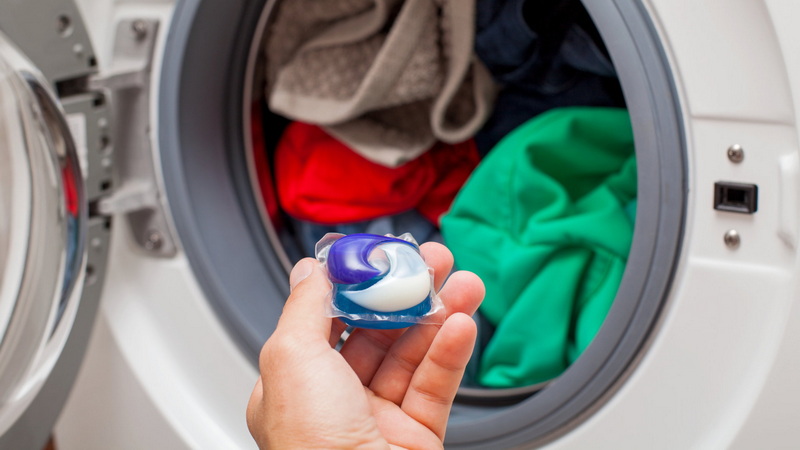
Laundry pods are single-dose, pre-measured detergent capsules wrapped in a water-soluble PVA/PVOH film that dissolves on contact with water in the wash drum. Inside the pod, concentrated surfactants, enzymes, and additives are carefully balanced to remove stains, break down grease, and control odors while protecting fabric colors and fibers.
Because the film is designed to dissolve only in water, it stays intact in dry environments, making pods easy to handle, store, and transport without spills or dosing errors. High-quality OEM pods also use advanced formulations so that one capsule can effectively wash a full standard load of laundry with powerful, concentrated cleaning.
If you place the pod on top of clothes or inside a detergent drawer, it may never receive enough direct water flow to fully dissolve. This is especially problematic in front-load machines, where water volume is lower and the drum design can trap the pod in a fold of fabric or the door seal.
Typical symptoms of bad placement:
- Undissolved pod shell stuck on clothing or at the door seal.
- White streaks, blue or green gel marks, or sticky patches on fabrics after washing.
- Visible pod residue left in the drum or rubber gasket after the cycle ends.
Many modern pods are designed to work from low temperatures, but if incoming water is extremely cold, the film may dissolve slowly and the detergent may not fully activate. Short or eco cycles using cold water can end before the pod has completely broken down.
When you pack the drum too tightly with bedding or heavy garments, water cannot circulate freely and cannot reach the pod consistently. The pod may stay pressed between layers of fabric, partially dissolving and then smearing detergent onto a small area of clothes instead of spreading evenly through the wash liquor.
If the wash program is very short, paused, or cancelled early, there may not be enough time or agitation for the pod film and contents to disperse. This is common when using quick-wash modes with low water levels and minimal drum rotation.
Improper storage, such as leaving pods in direct sunlight, heat, or very humid spaces, can harden or deform the water-soluble film, making it less willing to dissolve in the usual cycle length. In other cases, excessive moisture can make the film sticky and uneven, causing localized thick areas that resist dissolving.
Follow this simple, machine-safe routine to maximize pod performance and avoid residue issues.
1. Start with an empty drum
Check and remove any previous residue or foreign objects so the pod and clothes have a clean environment.
2. Add the pod first, at the back or bottom of the drum
Place the pod directly into the tub, not into the detergent drawer or dispenser. Position it towards the back so that it hits water flow immediately when the cycle starts.
3. Load clothes on top of the pod
Add garments after the pod so it is not trapped on top of the load or in the door area. Leave enough space to fit a hand or fist at the top of the drum, which indicates a proper load size.
4. Select an appropriate water temperature
Use warm or at least not extremely cold settings if your water supply is very cold. In winter or with heavy soils, slightly warmer water helps dissolve both the film and concentrated ingredients.
5. Run a full wash cycle without interruption
Avoid stopping or skipping the main wash stage. For heavily soiled loads or thick fabrics, choose a standard or intensive program instead of the shortest quick-wash.
6. Check results and adjust pod count
One pod is usually enough for a normal load, but larger or heavily soiled loads may require two pods according to manufacturer guidance.
Different washer designs handle water and drum movement differently, which directly affects how well pods dissolve.
Machine type | Typical water level | Pod challenges | Best practices |
Front-load HE | Low water, horizontal drum | Pod can get trapped in door seal or under clothes, with less free water to dissolve film. | Place pod at back of empty drum, avoid overloading, use warm settings in cold seasons. |
Top-load HE | Medium water, impeller or agitator | Pod may float at surface or hide under large items. | Place pod at bottom of drum, load clothes carefully around it, avoid very bulky single items. |
Traditional top-load | Higher water level | Better dissolution but risk of pod in dispenser or caught on agitator. | Add pod to the drum, never in dispenser tray, and let it contact water directly. |
By understanding your machine design and adjusting pod placement and load size accordingly, you reduce the risk of partially dissolved capsules and detergent streaks.
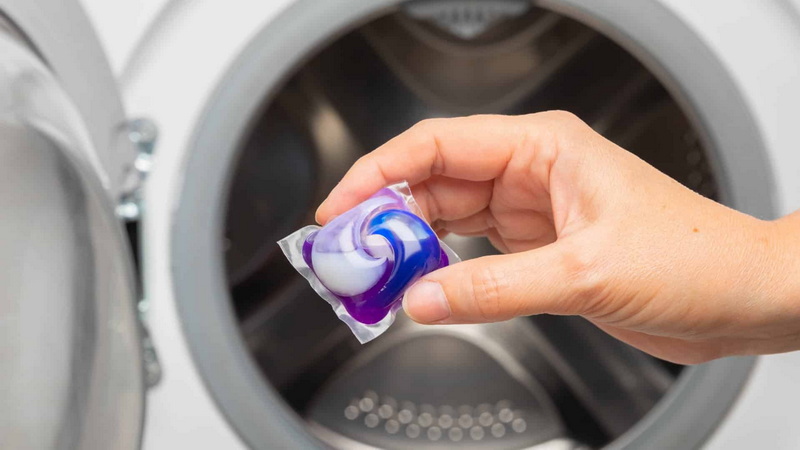
Even with correct usage, you may occasionally see residue from a partially dissolved pod. Here is a practical recovery process.
- Stop using the dryer immediately if residue is present, because heat can bake detergent into fibers.
- Rinse affected garments in warm water and rub the area gently to help disperse remaining detergent.
- Rewash the load without additional detergent, using warm water and a longer cycle to fully rinse out any residual film or gel.
- Review your loading habits, reduce the volume of bedding or heavy items, and ensure the pod is added first.
- Adjust temperature and cycle length, avoiding the shortest, coldest programs when using pods in very cold conditions.
- Inspect the door seal and drum in front-load washers for trapped pod fragments and clean them regularly.
- Check storage conditions and keep pods in a cool, dry, sealed container away from direct sunlight and humidity.
As an extra precaution, some users place pods in a small laundry or delicates bag, so the pod cannot wedge under the seal yet still receives strong water flow and agitation.
Not all pods dissolve equally well. Formulation, film thickness, and manufacturing precision play a crucial role, especially for international OEM brands that must perform in diverse water conditions.
- High-quality PVA or PVOH film is engineered to dissolve rapidly across a range of temperatures and water hardness levels.
- Advanced formulas leverage concentrated enzymes and surfactants that disperse quickly without leaving clumps or gel pockets behind.
- Automated, high-precision filling ensures each pod contains consistent detergent volume, which reduces the risk of oversized pods that are harder to dissolve fully.
Dongguan UFine Daily Chemical Co.,Ltd. focuses on ODM and OEM production for full-house cleaning products, including laundry detergent pods, with advanced automated lines and strict quality control systems. The factory uses high-end raw materials and refined formulations comparable to leading international names, making its OEM pods suitable for brand owners who want strong cleaning power and reliable dissolving performance worldwide.
For overseas brands, this means they can reduce consumer complaints about non-dissolving pods while maintaining high cleaning efficiency and stable product quality across markets.
Proper storage of pods protects the water-soluble film and ensures that capsules dissolve exactly as designed in the washing machine.
- Store pods in a cool, dry place, away from direct sunlight, heaters, or windows.
- Keep them in original moisture-protective packaging or in an airtight container with a solid lid.
- Avoid placing them under damp sinks, in steamy laundry rooms without ventilation, or near dishwashers and dryers that generate heat.
- Always close the package immediately after use and handle pods with dry hands to prevent premature film softening.
Good storage reduces film hardening, stickiness, and clumping, all of which can lead to incomplete dissolution in real-world laundry conditions.
In some special situations, liquid or powder detergents may offer more control than pods.
- Very low-temperature washing on ultra-short cycles where water may not warm enough for pods to work optimally.
- Extremely small loads where a full pod dose is more detergent than required, potentially increasing residue risk.
- Highly specific dosing needs, such as sensitive skin or baby clothes, where users prefer to fine-tune detergent volume each time.
However, for most standard household loads, high-quality pods from professional OEM manufacturers remain a convenient, mess-free, and reliable solution when used correctly.
For overseas detergent brands, wholesalers, and producers, partnering with a specialized OEM factory is essential to reduce claims about non-dissolving pods and ensure consistent quality in every market.
Key strengths of UFine Daily Chemical for OEM and ODM laundry pods:
- Professional Chinese manufacturer focusing on full-house cleaning products, with a strong emphasis on dishwashing and laundry capsules.
- Advanced automated production lines that deliver stable, repeatable filling and sealing quality across large-volume orders.
- Use of high-end raw materials and optimized enzyme-based formulations designed for fast film dissolution, high cleaning power, and low residue risk.
- Flexible OEM and ODM services that adapt pod size, fragrance, color, packaging, and performance characteristics to different brand positions and regional washing habits.
By working with an experienced OEM partner, international brands can launch or upgrade private-label laundry pods that dissolve reliably across many machine types, water temperatures, and consumer usage patterns.
If you are an overseas laundry detergent brand owner, wholesaler, or manufacturer looking for high-performance pods that dissolve cleanly and consistently, consider collaborating with Dongguan UFine Daily Chemical Co.,Ltd. for OEM and ODM solutions tailored to your market. Contact the UFine professional team today to discuss your required pod weight, fragrance, formula features, and packaging, so you can quickly develop your own branded laundry pods that win consumer trust and reduce after-sales complaints.
Contact us to get more information!
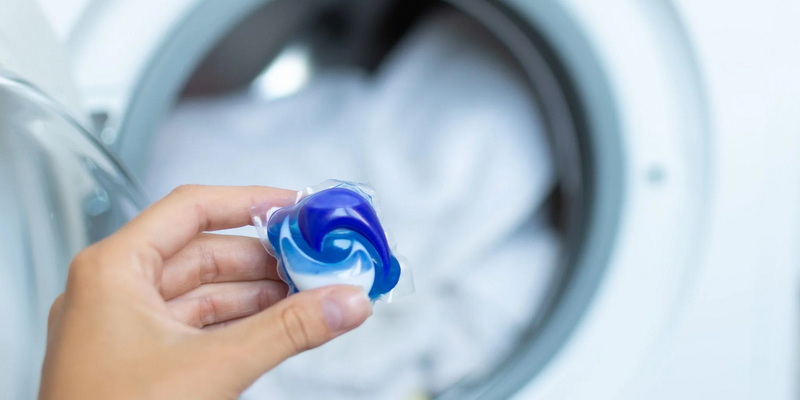
A front-load HE washer uses less water and has a horizontal drum, which can trap pods in the door seal or under tightly packed clothes, preventing complete dissolution. Placing the pod at the back of an empty drum and avoiding overloading usually solves this issue.
No. Pods should not be placed in the detergent dispenser or drawer because the film is designed to dissolve in the main drum under direct water flow and agitation. Always place the pod directly in the drum before adding laundry.
Most modern pods are formulated to work in relatively low temperatures, but extremely cold input water, short cycles, and heavy loads can still slow down dissolution. In such cases, using a slightly warmer setting or longer cycle improves results.
Rewash the affected clothes without additional detergent using warm water and a full cycle, and avoid drying them until the residue is gone. For stubborn spots, gently rinse and rub the area in warm water before rewashing.
Store pods in a sealed container or original package in a cool, dry place away from sunlight, heat, and humidity to protect the water-soluble film. Keep the package tightly closed and handle pods with dry hands to avoid premature film damage.
[1] https://gethomethings.com/blogs/news/why-arent-my-laundry-pods-dissolving
[2] https://www.houzz.com/discussions/2814470/pods-in-front-loading-washers
[3] https://www.ufinechem.com/laundry-detergent-pods.html
[4] https://www.ufinechem.com
[5] https://www.ufinechem.com/products/Laundry-Pods.html[6]
[6]https://www.whirlpool.com/blog/washers-and-dryers/how-to-use-laundry-pods-correctly.html


