
Views: 222 Author: Tomorrow Publish Time: 02-01-2026 Origin: Site


Content Menu
● What Is Ultra-Concentrated Liquid Detergent
● Why Ultra-Concentrated Detergent Is Winning the Market
>> Performance and cost advantages
● Core Raw Materials in Ultra-Concentrated Liquid Detergent
>> Solubilizers and hydrotropes
>> Builders, chelants, and anti-redeposition agents
>> Enzymes, preservatives, and fragrance
● Example Ultra-Concentrated Detergent Formulation Overview
● Standard Preparation Method for Ultra-Concentrated Liquids
● Key Product Features of Ultra-Concentrated Liquid Detergent
● Formulation Challenges and How to Solve Them
>> 1. Avoiding gel and phase separation
>> 2. Maintaining enzyme and fragrance stability
>> 3. Balancing concentration with user dosing
● OEM Application: How Brands Use Ultra-Concentrated Formulas
>> Benefits of working with a professional OEM factory
● How Dongguan UFine Daily Chemical Co.,Ltd. Supports Ultra-Concentrated Projects
● Example Dosage and Cost-Per-Wash Table
● Practical Steps for Brands Planning an Ultra-Concentrated Line
● Call to Action: Build Your Ultra-Concentrated Detergent Line with UFine
>> FAQ 1: What active content is typical for ultra-concentrated liquid detergents?
>> FAQ 2: How much ultra-concentrated detergent should consumers use per wash?
>> FAQ 3: Are ultra-concentrated detergents always more eco-friendly?
>> FAQ 4: Can ultra-concentrated formulas be used in both HE and standard machines?
>> FAQ 5: Why should I choose a Chinese OEM like Dongguan UFine for ultra-concentrated projects?
Ultra-concentrated liquid laundry detergent lets brands deliver more cleaning power per drop while cutting packaging, logistics costs, and environmental impact. For overseas detergent brands, wholesalers, and private label owners, working with a Chinese OEM factory such as Dongguan UFine Daily Chemical Co.,Ltd. makes it easier to design high-active, stable ultra-concentrated formulas tailored to different markets and washing habits.
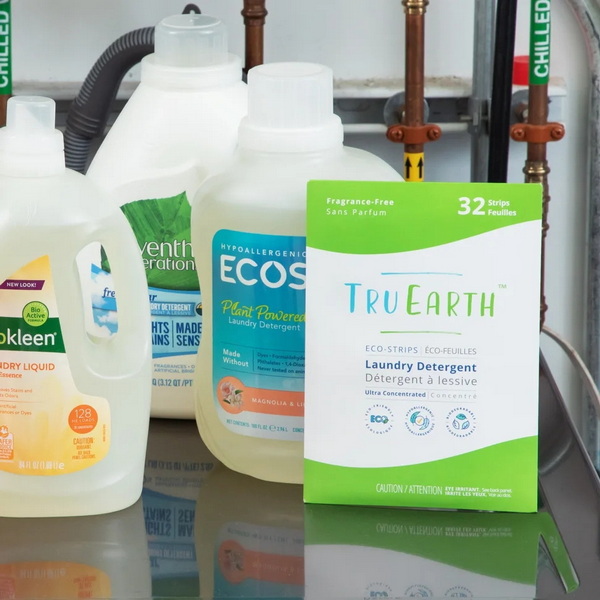
Ultra-concentrated liquid detergent is a high-active formula with significantly reduced water content compared to regular liquids. Instead of the lower active levels typical of traditional detergents, ultra-concentrated solutions often exceed 30 percent actives and can reach much higher total solid content in advanced systems.
Key characteristics of ultra-concentrated liquids include:
- High surfactant content, usually combining anionic and nonionic systems
- Lower water level for a compact, viscous product
- Smaller dose per wash, depending on formula and machine type
- Optimized rheology to remain pourable with no gel formation
This format is popular in retail, e-commerce, and commercial channels because it saves shelf space, reduces transport weight, and aligns with modern sustainability expectations.
Ultra-concentrated detergents deliver strong cleaning performance with less product per wash when properly dosed. High surfactant loading, combined with builders, chelants, and anti-redeposition systems, allows efficient stain removal even at lower temperatures and in short wash cycles.
Main advantages include:
- Higher stain removal at equal or lower dosage
- Better performance in cold water washes
- Less packaging, warehousing, and freight cost per wash
- More premium positioning with compact bottles or pouches
Concentrated laundry detergents reduce plastic usage and transport emissions because less water is shipped and stored. Many ultra-concentrated lines also incorporate biodegradable surfactants and milder solvents to support eco claims and regulatory compliance.
From an environmental perspective, important benefits are:
- Lower packaging material per wash
- Reduced transport volume and weight
- Potential for higher energy efficiency through low-temperature washing
When formulating high-performance ultra-concentrated liquids, selecting the right blend of anionic, nonionic, solubilizers, builders, and anti-redeposition agents is critical.
Anionic surfactants provide primary detergency, foaming, and grease removal. Common options include:
- Linear alkylbenzene sulfonate
- Methyl ester sulfonate
- Alpha-olefin sulfonate
- Sodium dodecyl sulfate
- Fatty alcohol polyoxyethylene ether sulfate
- Fatty alcohol polyoxyethylene ether carboxylate
- Fatty alcohol polyoxyethylene ether phosphate
These can be used alone or in combinations to balance cost, foaming, and calcium tolerance.
Nonionic surfactants improve grease removal, low-foaming performance, and cold-water cleaning. Typical nonionics in ultra-concentrated systems include:
- Fatty alcohol polyoxyethylene ethers
- Branched alcohol polyoxyethylene ethers
- Alkyl polyglycosides or branched alkyl glycosides
- Fatty alcohol polyoxyethylene glycosides
- Fatty acid methyl ester ethoxylates
By adjusting the ratio of anionic to nonionic components, formulators can fine-tune foaming profile, detergency, and fabric safety.
Solubilizers prevent phase separation and maintain clarity in high-active systems. Common choices are:
- Sodium xylenesulfonate
- Sodium isopropylbenzenesulfonate
- Sodium toluenesulfonate
- Isopropanol
- Ethylene glycol
- Diethylene glycol monobutyl ether
- Monoethanolamine or triethanolamine
These materials reduce viscosity peaks, improve flowability, and support fragrance solubility in compact liquids.
Builders and chelants control water hardness and improve soil dispersion. Common additives include:
- Sodium carbonate
- Sodium citrate
- Chelating agents such as EDTA
Modern comb-type polymers act as powerful anti-redeposition agents and help prevent soil from re-attaching to fabrics. Examples include:
- Polyacrylic acid grafted polyethylene glycol monomethyl ether
- Polymethacrylic acid grafted polyethylene glycol monomethyl ether
- Polymethacrylic acid grafted fatty alcohol polyoxyethylene ether
- Polyacrylic acid grafted fatty alcohol polyoxyethylene ether
These polymers support high solids, non-gelling behavior, and good low-temperature stability.
To meet modern performance expectations, ultra-concentrated detergents often include:
- Enzymes such as lipases and others for complex stains
- Preservatives to protect high-active formulations from microbial growth
- Optical brighteners to enhance whiteness
- Fragrances designed for long-lasting scent at low dosage
These components help position the product as premium, high-efficiency, and sensorially appealing.
Typical ultra-concentrated reference formulas describe several variants, each balancing different surfactant systems and performance features. Solid contents can reach high levels, with surfactant content also remaining elevated, while maintaining good low-temperature stability and easy pouring behavior.
Across common ultra-concentrated liquid designs, the following ingredient groups appear frequently:
- Primary anionic surfactants, such as sulfonates and sulfates
- Nonionic systems, including fatty alcohol ethoxylates and sugar-based surfactants
- Solubilizers and hydrotropes to control clarity and viscosity
- Builders and chelants for water-softening and soil control
- Comb-type anti-redeposition polymers in low levels
- Optical brighteners, enzymes, preservatives, fragrance, and balance water
These designs deliver ultra-concentrated liquids that do not form gel, can be diluted in various ratios with water, and remain stable during storage and use.
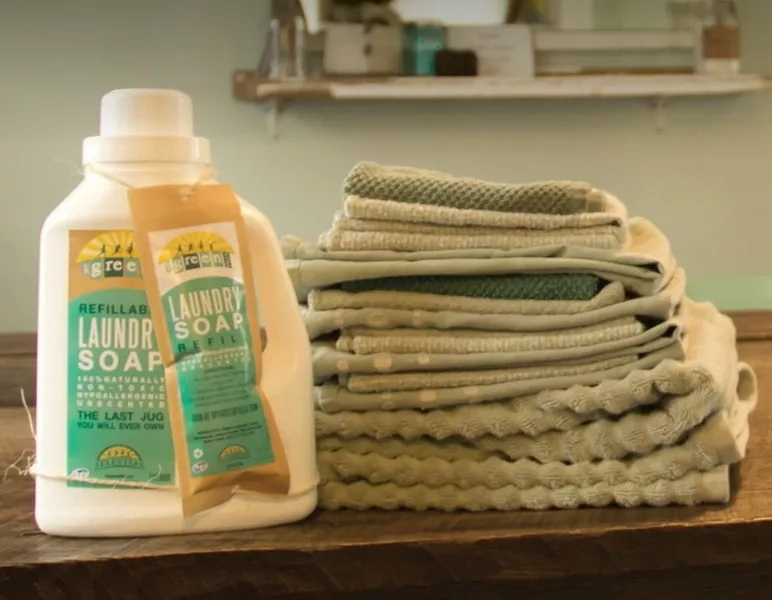
The preparation method is critical to prevent gel formation and ensure a transparent, uniform final product.
1. Heat nonionics and water
- Heat water to a controlled temperature range and add melted nonionic surfactants while stirring.
2. Add anionic surfactants and solubilizers
- Sequentially add anionic surfactants, solubilizers, and initial additives under controlled agitation and time.
3. Cooling stage
- Cool the batch to room temperature while maintaining moderate stirring to avoid air entrainment and microgel formation.
4. Post-addition of sensitive components
- Add anti-redeposition agents, optical brighteners, enzymes, preservatives, and fragrance while mixing until the product becomes uniformly transparent.
This process helps maintain flowability, high clarity, and stable viscosity even in very high-active systems.
Well-designed ultra-concentrated liquids show several functional advantages that matter to both brand owners and end-users.
Main product features include:
- No gel formation during manufacturing and dilution
- Easy pouring and accurate measurement
- Good low-temperature storage stability without phase separation
- Freedom to mix with water at various ratios without forming gel regions
- High solid content with correspondingly high surfactant levels
These features allow brands to market ultra-concentrated liquids as high-efficiency, convenient, and sustainable choices compared with traditional bulky detergents.
High-active systems can easily form gel phases if surfactants, solvents, and water are added in the wrong order or at unsuitable temperatures. Careful control of mixing sequence, shear rate, and hydrotrope selection is needed to maintain transparent, pourable liquids.
Practical tips include:
- Adding nonionics to warm water before introducing strong anionics
- Using hydrotropes to reduce viscosity peaks
- Cooling under controlled agitation to avoid microgel formation
Enzymes and fragrances are sensitive to temperature, pH, and certain solvents. They should be added at lower temperatures and carefully buffered to extend shelf life in high-active liquids.
Common strategies:
- Adding enzymes and fragrance in the final cooling phase
- Using compatible preservatives and chelants
- Optimizing the pH range for enzyme activity and stability
Overly concentrated products can lead to overdosing if end-users are not given clear dosing guidance. Confusing dose instructions may cause residue on fabrics and increased environmental load from excess surfactant discharge.
To address this, brands should provide precise dosage instructions and intuitive packaging, such as marked caps, pumps, or unit-dose systems.
Suggested visual: Add a dose-per-load table showing recommended milliliters per wash by soil level and water hardness.
Ultra-concentrated liquid detergents are suitable for:
- Retail and e-commerce brands looking to reduce freight and warehouse costs
- Private label lines wanting premium positioning in compact bottles
- Commercial laundries and institutions seeking lower cost-per-wash and less storage space
- Eco-focused brands highlighting reduced plastic and transport emissions
OEM partners can adapt the same base high-active formula into multiple stock keeping units with different fragrances, colors, and label claims for different channels.
A specialized OEM manufacturer provides formulation expertise, stability testing, production scale-up, and packaging integration. This is particularly important for ultra-concentrated systems that require tight process control, careful raw material selection, and robust quality management.
Key OEM advantages:
- Access to proven ultra-concentrated base formulas
- Customization of fragrance, color, and label claims for different markets
- Consistent quality across large production volumes
- Regulatory and documentation support for export markets
As a Chinese OEM factory focusing on laundry and cleaning products, Dongguan UFine Daily Chemical Co.,Ltd. helps overseas brands develop and scale ultra-concentrated liquid detergents adapted to their target markets. Drawing on experience with high-active liquids, pods, and eco lines, UFine can support both mainstream and premium positioning.
Typical cooperation scope with UFine includes:
- Joint definition of target active content, cost-per-wash, and eco claims
- Selection of anionic and nonionic systems to match market requirements
- Optimization of viscosity, transparency, and storage stability under export conditions
- Packaging design and label recommendations aligned with dosing and branding
For brands, wholesalers, and importers, this creates a turnkey path from concept to finished ultra-concentrated product ready for sale in local retail and online channels.
The following style of table is commonly used to communicate dosage for concentrated products and can be adapted to your own brand packaging.
Parameter | Light soil | Medium soil | Heavy soil |
Recommended dose (ml) | 15–20 | 20–30 | 30–40 |
Typical washes per 1 L bottle | 50–65 | 35–50 | 25–35 |
Such tables help consumers use the correct small dose, reducing waste and ensuring that the environmental and economic benefits of ultra-concentration are realized in practice.
If you are planning to launch or upgrade an ultra-concentrated liquid detergent with an OEM partner, a structured approach improves both speed and success rate.
1. Define market positioning
- Decide on mainstream, premium, or eco line, fabric types, fragrance direction, and price point.
2. Set technical targets
- Specify active content, key stains to target, cold-water performance, enzyme system, and compatibility with different machine types.
3. Select base formula and surfactant system
- Choose combinations of anionic and nonionic surfactants based on cost and performance in your target region.
4. Run lab and pilot tests
- Evaluate cleaning performance, viscosity, transparency, stability, and fragrance performance under realistic storage and shipping conditions.
5. Finalize packaging and dosing communication
- Design bottles, caps, and labels that clearly show dose per wash and highlight your strongest selling points.
6. Prepare regulatory and documentation package
- Work with the OEM to obtain safety data sheets, ingredient lists, and any certification documentation required in your export markets.
An experienced OEM like Dongguan UFine Daily Chemical Co.,Ltd. can guide each step, from formulation to final shipment.
If you are a detergent brand owner, importer, or wholesaler planning your next growth phase, ultra-concentrated liquid detergents offer a powerful way to improve performance, reduce logistics costs, and strengthen your sustainability story. You can partner with Dongguan UFine Daily Chemical Co.,Ltd. to co-develop custom high-active formulas, packaging, and positioning that match your local market and regulatory environment.
Share your target market, desired active content, key claims, and annual volume requirements with UFine so that a tailored development plan, samples, and quotation can be prepared for your next ultra-concentrated laundry detergent launch.
Contact us to get more information!
Ultra-concentrated liquids often exceed 30 percent active ingredients and can reach very high total solids in advanced formulas. The exact level depends on surfactant mix, solvent system, and the desired viscosity profile.
Depending on formulation and machine type, typical doses are around 15–50 milliliters per wash, with higher efficiency formulas at the lower end of this range. Clear label guidance is essential to prevent overdosing and to ensure the promised cost-per-wash benefits.
Ultra-concentrated products reduce packaging and transport impact, which improves environmental performance per wash. Their real advantage depends on proper dosing and the use of biodegradable surfactants and responsible ingredient choices.
Most ultra-concentrated liquids can be optimized for high-efficiency and standard machines by adjusting foam profile, dose, and surfactant system. OEM partners usually test compatibility and provide machine-specific dosing instructions on the label.
Chinese OEMs with strong detergent experience offer cost-effective production, flexible order quantities, and broad access to raw materials for high-active formulas. Dongguan UFine Daily Chemical Co.,Ltd. additionally brings experience with export documentation and custom formulations for eco, premium, and mainstream markets.
1. https://vigour-group.com/insights/ultra-concentrated-liquid-detergent-formula/
2. https://stppgroup.com/why-ultra-concentrated-laundry-detergent-is-winning-the-global-market/
3. https://stppgroup.com/products/liquid-detergent/ultra-concentrated-laundry-detergent-liquid-azzy/
4. https://www.ulprospector.com/en/na/Cleaners/Detail/6603/4843771/Liquid-Laundry-Detergent---Ultra-High-Concentrated-Formulation-D
5. https://colonialchem.com/wp-content/uploads/2020/11/5005-Natural-Liquid-Laundry-Detergent.pdf
6. https://sierrasolutions.com/blogs/news/the-importance-of-concentrated-laundry-detergent-a-cleaner-greener-and-more-efficient-way
7. https://www.malory.com.au/blogs/news/10-things-to-know-about-concentrated-laundry-detergent
8. https://www.alibaba.com/showroom/oem-liquid-laundry-detergent.html
9. https://www.made-in-china.com/manufacturers/concentrated-liquid-laundry-detergent.html https://www.ufinechem.com/12-safest-laundry-detergents-for-a-healthier-clean-in-2026-oem-buyer-s-guide.html


