
Views: 222 Author: Tomorrow Publish Time: 01-27-2026 Origin: Site


Content Menu
● What Is a Fabric Softener and Why It Matters
● Overview of the Global Fabric Softener Market
● Main Types of Fabric Softeners
>> 2. Fabric Softener Dryer Sheets
>> 3. Fabric Softener Beads and Scent Boosters
>> 4. Concentrated and Eco-Friendly Softeners
● Top 8 Fabric Softener Concepts for Different Laundry Needs
● How to Match Fabric Softeners to Different Users and Fabrics
>> 1. Families with Everyday Mixed Laundry
>> 2. Sensitive Skin, Babies, and Allergy-Prone Users
>> 3. Eco-Conscious and Sustainability-Focused Consumers
>> 4. Hospitality, Healthcare, and Professional Laundries
● Practical Tips for Using Fabric Softeners Effectively
● Latest Trends and Innovations in Fabric Softeners
● Why Work with an OEM Fabric Softener Manufacturer
● How Dongguan UFine Daily Chemical Co.,Ltd. Supports Your Fabric Softener Projects
● Call to Action: Develop Your Own Fabric Softener Line with UFine
● FAQs About Fabric Softeners (2026)
>> 1. Are fabric softeners safe for sensitive skin?
>> 2. Can I use fabric softener on all fabrics?
>> 3. What is the difference between liquid softener and dryer sheets?
>> 4. How can brands make fabric softeners more eco-friendly?
>> 5. Why should I work with an OEM factory instead of producing softeners in-house?
Choosing the right fabric softener is not only about fresh fragrance but also about fabric protection, skin comfort, and long-term cost efficiency for households and professional users. For overseas brands, wholesalers, and private label buyers, fabric softeners are also a high-value category that can be customized through OEM partners like Dongguan UFine Daily Chemical Co.,Ltd. to match local preferences and regulatory requirements.

Fabric softeners (also called fabric conditioners) are laundry products designed to reduce static, improve softness, and add a pleasant scent to washed textiles. They work by depositing conditioning agents on fibers, helping clothes feel smoother, resist wrinkles, and last longer through reduced friction in the wash and dry cycle.
Using a well-formulated fabric softener can also improve the overall appearance of garments by limiting pilling, color fading, and roughness after repeated washing. For brands, the “feel” and fragrance of a fabric softener are crucial for differentiation, repeat purchase, and perceived quality in competitive retail environments.
The global fabric softener market is experiencing steady growth, driven by rising demand for fabric care, premiumization, and eco-friendly formulations. Market forecasts show that the fabric softener industry is expected to grow significantly between 2025 and 2035, supported by higher living standards, urbanization, and growth in modern retail channels.
Liquid fabric softeners are expected to remain the dominant format, accounting for over half of market share due to superior conditioning, long-lasting fragrance, and ease of dosing at home. At the same time, sheets and concentrated formulas retain strong niches thanks to convenience, portability, and compatibility with small homes and travel.
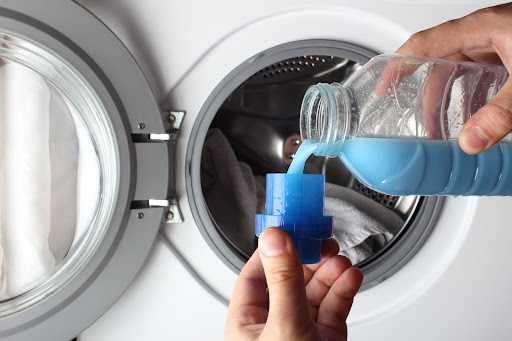
Liquid fabric softeners are added to the rinse cycle and are considered the most effective option for softness, fragrance, and static control. These products spread evenly in water, deposit conditioning agents on fibers, and often include added benefits such as color protection or wrinkle reduction.
They are ideal for households wanting noticeable softness, long-lasting scent, and premium fabric care, as well as for hotels, hospitals, and commercial laundries that need consistent results. However, brands must pay close attention to ingredient safety, biodegradability, and concentration to meet modern regulatory and sustainability expectations.
Dryer sheets are pre-measured sheets infused with conditioning agents that are placed in the dryer to reduce static and lightly soften clothes. They are very convenient, easy to store, and especially popular in markets where tumble dryers are widely used.
While dryer sheets provide good anti-static performance and a pleasant scent, they usually deliver less deep conditioning than liquids, which may be important for delicate or heavily used textiles. They are a smart choice for consumers prioritizing speed, simplicity, and low cost per load.
Beads or in-wash scent boosters are granular products added directly to the drum to enhance fragrance rather than function as classic softeners. They dissolve during the wash and release perfume technology that can cling to fibers for days or even weeks, depending on formula and storage conditions.
These products appeal to consumers who want extra fragrance intensity on top of their regular detergent and softener, creating a “signature” scent for clothes and linens. From a brand perspective, beads represent a high-margin add-on category that can be easily customized through OEM manufacturing with different scent families and strengths.
Concentrated fabric softeners deliver the same or better performance with a smaller dose, reducing packaging, transport weight, and shelf space. Eco-oriented versions often use more biodegradable ingredients, lower levels of traditional quats, and more responsible fragrance systems, while still targeting effective softness and static control.
Consumers increasingly look for labels that mention biodegradable formulas, reduced environmental impact, or relevant certifications. For brands and OEM buyers, this trend requires close collaboration with manufacturers to meet both performance expectations and regulatory demands across different markets.
Below is a structured overview of eight fabric softener concepts that reflect current market trends and typical performance expectations, with Dongguan UFine Daily Chemical Co.,Ltd. highlighted first as a flexible OEM solution provider.
Concept Type / Partner | Best For | Main Benefits | Typical Format |
Dongguan UFine Daily Chemical Co.,Ltd. OEM Fabric Softener Solutions | Overseas brands, wholesalers, private label projects | Custom fragrance, tailored softness level, flexible packaging, full OEM/ODM support | Liquid, concentrated liquid, sheets, beads |
Classic floral liquid softener | Everyday family laundry | Strong softness, familiar floral scent, good anti-static | Liquid |
Fresh & clean scent softener | Activewear, work clothes | Fresh “just-washed” smell, odor control, light softening | Liquid or beads |
Hypoallergenic & fragrance-free softener | Babies, sensitive skin | No dyes or perfumes, gentler on skin and respiratory system | Liquid |
Eco-friendly plant-based softener | Eco-conscious consumers | Biodegradable ingredients, reduced environmental footprint | Concentrated liquid |
Premium long-lasting softener | Luxury bedding and towels | High softness, micro-capsule fragrance for days of scent | Liquid or beads |
Softener for towels & linens | Hotels, spas, households | Soft feel with controlled absorbency, fluffiness retention | Liquid |
Industrial & bulk softener | Laundries, hospitals, uniforms | High efficiency, cost control, compatible with dosing systems | Highly concentrated liquid |
These eight concept types can be translated into specific SKUs and private label ranges depending on market positioning and local consumer expectations. An experienced OEM partner can help fine-tune fragrance, viscosity, color, and pack formats to build a coherent product portfolio.
For families washing a mix of cotton T-shirts, jeans, underwear, and bedding, a classic liquid softener with balanced fragrance and anti-static performance is usually the most practical choice. Such products should offer reliable softness without leaving a heavy waxy film that could impact breathability or absorbency.
Mid-range fragrances like “fresh linen,” “spring floral,” or “clean cotton” are popular because they are widely accepted and not overly specific to a niche audience. For private label brands, this segment offers large volume potential and benefits from family-size packaging and competitive cost per wash.
In households with babies, young children, or people with eczema and allergies, a hypoallergenic, dye-free, and fragrance-free (or very lightly scented) fabric softener is recommended. Well-designed products in this segment are often dermatologist-tested and follow strict limits on potential allergens.
These formulas minimize potential irritants while still providing softness and easier ironing, which is especially helpful for baby clothes and bedding that are washed very frequently. For brands, this category requires clear labeling, strong quality control, and careful selection of fragrance allergens and preservatives when used.
Environmentally aware consumers increasingly look for plant-based ingredients, biodegradable formulas, and packaging with a lower carbon footprint. Guidance in this area often recommends choosing products that comply with relevant regional regulations and that avoid unnecessary dyes or heavy perfumes.
Concentrated formulas that need only a small capful per wash can reduce plastic usage and transport emissions while delivering full performance. Brands can strengthen their credibility in this segment through transparent ingredient lists, responsible sourcing, and collaboration with OEMs that already have compliant, tested green bases.
Hotels, hospitals, nursing homes, and commercial laundries require softeners that are compatible with high-throughput machines, dosing systems, and strict hygiene protocols. Key requirements include consistent performance, strong anti-static effect, and maintaining a pleasant but not overwhelming scent on large volumes of linens and uniforms.
Professional-grade softeners are usually highly concentrated and supplied in bulk packaging, supported by technical service and dosing guidance from manufacturers or distributors. For OEM buyers in this space, working with a factory that understands institutional standards and can support customized bulk supply is critical.
Correct usage ensures better performance, prevents build-up, and protects both fabrics and machines.
Follow dosage guidelines: Use the recommended amount per load; overdosing can leave residues and underdosing reduces softening benefits.
Add at the right stage: For liquids, add to the designated dispenser so they enter during the rinse cycle, not directly onto dry fabrics.
Separate fabric types: Avoid using classic softeners on certain moisture-wicking sportswear unless the label explicitly allows it.
Clean dispensers regularly: Remove built-up product from drawers and caps to maintain consistent flow and dosing.
Monitor scent strength: If users complain about overpowering fragrance, reduce dosage or choose a lighter scented or fragrance-free variant.
For brand owners and retailers, clear on-pack instructions and simple icon-based usage graphics can significantly improve consumer satisfaction and reduce complaints.
Recent years have seen strong innovation in micro-encapsulation, enabling fragrances that last longer on textiles with controlled release during wear and storage. Multi-functional products combining softening, odor removal, and fabric protection have also gained traction among consumers who want to simplify their laundry routine.
Market analyses indicate that online and direct-to-consumer channels are expanding rapidly, giving new and private label brands more opportunities to reach niche audiences with specialized softeners. At the same time, regulatory and consumer pressure on environmental performance is pushing manufacturers toward more sustainable chemistry and packaging.
For overseas brands, wholesalers, and detergent producers, collaborating with a professional OEM factory is often the fastest and most cost-effective way to launch or upgrade fabric softener lines. A capable OEM partner can provide ready-tested base formulas, fragrance libraries, packaging options, and regulatory documentation, reducing development time and risk.
OEM factories with experience in laundry liquids, softeners, and detergent sheets can offer flexible MOQs, competitive pricing, and a wide range of packaging sizes tailored to different markets. This allows private label buyers to build a full portfolio—from everyday family softeners to premium hotel or eco-focused variants—without maintaining their own chemical production.
Dongguan UFine Daily Chemical Co.,Ltd. is a Chinese OEM manufacturer specializing in laundry and daily chemical products for overseas brands, wholesalers, and producers. The company can support fabric softener projects across concept, formulation, packaging, and compliance stages, allowing clients to focus on branding and distribution.
With experience in liquid detergents, detergent sheets, and specialized laundry products, UFine can help design custom softeners for different segments such as sensitive skin, eco-friendly lines, hotel linens, or long-lasting perfumed ranges. In addition, its technical team can assist with stability testing, performance evaluation, and region-specific documentation requirements.
If you are a laundry brand owner, distributor, or manufacturer looking to expand your product portfolio, now is an ideal moment to launch or upgrade your fabric softener range. Consumer demand for effective, pleasant-smelling, and eco-responsible softeners is growing, and OEM solutions allow you to respond quickly with controlled cost and risk.
Contact Dongguan UFine Daily Chemical Co.,Ltd. to discuss your target market, fragrance preferences, and positioning, and request tailored proposals for liquid softeners, concentrated formulas, or complementary laundry products. Whether you need a family-friendly softener, a hypoallergenic baby line, or a premium hotel formula, UFine can help you build scalable, compliant, and high-quality solutions under your own brand.
Contact us to get more information!
Many standard fabric softeners contain fragrances and other agents that can irritate sensitive skin, especially at high doses or with frequent contact. For babies and allergy-prone users, it is better to choose hypoallergenic, dye-free, and fragrance-free formulas that are tested by qualified experts.
Traditional fabric softeners work well on most cotton and blended garments, towels, and bedding, improving softness and reducing static. However, some technical fabrics, such as moisture-wicking sportswear, may lose performance if coated with softening agents, so it is important to check garment care labels and manufacturer recommendations.
Liquid softeners are added during the rinse cycle and usually deliver stronger conditioning, better softness, and more even fragrance distribution. Dryer sheets are mainly used to reduce static and add a light scent in the dryer, with more limited conditioning but higher convenience and portability.
Brands can improve environmental performance by using more biodegradable ingredients, concentrating formulas to reduce packaging, and optimizing supply chain logistics. Working with suppliers and OEM factories that already have proven eco-oriented bases also helps shorten development time and improve overall sustainability.
Developing and running your own chemical production requires significant investment in equipment, R&D, regulatory compliance, and quality management. Partnering with an experienced OEM factory like Dongguan UFine Daily Chemical Co.,Ltd. enables faster market entry, access to proven formulas, and scalable production capacity without large upfront capital expenditure.


