
Views: 222 Author: Tomorrow Publish Time: 01-23-2026 Origin: Site


Content Menu
● What Fabric Softener Is and How It Works
● Key Benefits of Using Fabric Softener
● When and When Not to Use Fabric Softener
● How to Use Liquid Fabric Softener in Washing Machines
>> Using Fabric Softener in Front-Load Machines
>> Using Fabric Softener in Top-Load Machines with Dispenser
>> Using Fabric Softener Manually in Machines Without Dispenser
● How to Use Fabric Softener in the Dryer
>> Dryer Sheets
>> Dryer Balls
● Fabric Softener Dos and Don'ts
● Risks of Overusing Fabric Softener
● How to Clean and Maintain the Fabric Softener Dispenser
● Eco-Friendly and Sensitive-Skin Alternatives
● Expert Tips for Better Fabric Softener Results
● How OEM and Private Label Brands Can Use This Knowledge
● Clear Call to Action for OEM Buyers
● Frequently Asked Questions About Fabric Softener
>> 1. Can I use fabric softener in every wash?
>> 2. Why do my clothes sometimes feel greasy after using fabric softener?
>> 3. Is fabric softener bad for my washing machine?
>> 4. What is the difference between fabric softener and dryer sheets?
>> 5. Are eco-friendly fabric softeners as effective as regular ones?
Using fabric softener correctly helps clothes feel smoother, smell fresher, crease less, and last longer, especially when you avoid overuse and match the product to the right fabrics. For brand owners, wholesalers, and private label buyers, understanding how consumers actually use fabric softener is also critical for designing clear on-pack instructions together with a professional OEM partner in China.
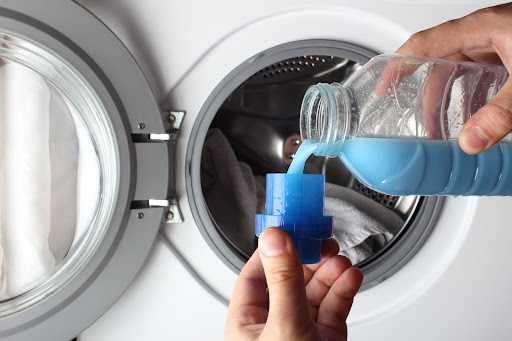
Fabric softener is a liquid, sheet, or reusable device that is added during the rinse or drying stage to coat fibers with a thin lubricating layer. This coating reduces friction between fibers, which is why laundry feels softer, generates less static, and often carries a pleasant fragrance after washing and drying.
Most liquid fabric softeners rely on positively charged conditioning agents that are attracted to the negatively charged surface of fabric fibers. These agents deposit on the textile and remain there after the rinse, forming a smooth layer that helps reduce damage from mechanical agitation and repeated laundering.
Liquid softeners are added in the washing machine during the rinse cycle.
Dryer sheets or dryer balls are used in the tumble dryer.
Some advanced detergents combine cleaning and softening agents in one 2-in-1 formula.
When used correctly, fabric softener can improve both the feel and performance of everyday laundry. The key is to match the product to the right fabrics and avoid excessive dosing.
Softer feel and comfort: The lubricating layer makes fabrics smoother and more comfortable against the skin.
Less static cling: Reduced friction means fewer shocks and less sticking together, especially for synthetic garments.
Fresher scent: Fragrance systems deliver a long-lasting scent on clothes, bed linens, and towels.
Fewer wrinkles: Improved fiber alignment can make ironing easier and reduce wrinkling during wear.
Color and fiber protection: The surface coating can help minimize color fading and fiber breakage over repeated wash cycles.
For OEM and private label brands, clearly highlighting these benefits on the bottle or package helps justify premium positioning and encourages consumers to use the product correctly.
Fabric softener is not suitable for every fabric type. Using it on the wrong items may reduce performance or even create safety concerns, so labels and product pages should make fabric guidance very clear.
Everyday cotton clothing and underwear.
Bed sheets, pillowcases, and duvet covers.
Casual knitwear and light wool garments.
Synthetic blends that tend to generate static.
Towels and microfiber cloths: Softener can coat fibers and reduce absorbency.
High-performance sportswear: It may interfere with moisture-wicking and quick-dry finishes.
Flame-resistant garments, especially children's sleepwear: Softeners can reduce flame retardancy and increase overall flammability.
Technical outerwear: It may affect water-repellent or breathable coatings.
Including a simple “Do Not Use On” section on the back label and in online product descriptions can significantly improve consumer satisfaction and reduce returns and complaints.
Using liquid fabric softener correctly depends on the washing machine type. The basic rule is always the same: add softener during the rinse stage, and never pour it directly onto dry clothes.
Read both the garment care label and the fabric softener label to confirm compatibility and recommended dosage.
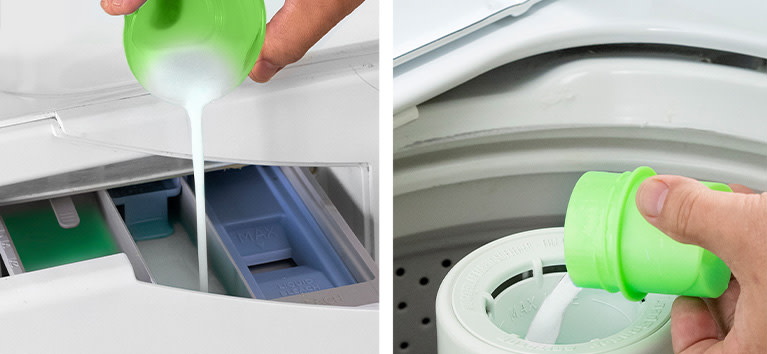
Locate the fabric softener compartment, usually marked with a flower symbol in the detergent drawer.
Measure the dose using the cap, adjusting for small, medium, or large loads as indicated on the label.
Pour the measured softener into the dispenser, not directly onto fabrics, to avoid staining.
Select a cycle with a proper rinse so the softener is released at the right time and distributed evenly.
For high-efficiency front-load machines, it is important to use products clearly labeled as suitable for HE machines and to avoid overdosing, which can cause residue and reduce efficiency.
Many traditional top-loaders include a dedicated fabric softener dispenser, often in the center of the agitator.
Measure the correct amount using the cap.
Pour the softener into the dispenser before starting the cycle.
The machine will automatically release the product during the rinse stage.
Clear cap markings and simple pictograms on the label make this process easier for consumers and reduce the risk of overfilling or under-dosing.
If the washer has no dedicated softener compartment, the product must be added manually during the rinse phase.
Start the wash with detergent as usual.
When the rinse cycle begins, pause the machine if possible.
Dilute the measured softener with water in a small container to reduce the risk of staining.
Pour the diluted softener into the water around the drum, not directly on fabrics.
Resume the cycle and allow the rinse to complete.
This manual process is still common in many markets, so on-pack usage diagrams and online tutorials remain valuable for international OEM brands.
Dryer products offer a convenient alternative to liquid softeners while targeting similar benefits for softness and static control. They are especially popular in regions where tumble dryers are used frequently.
Place one sheet on top of the wet laundry in the dryer drum before starting the cycle.
Run the drying program as usual.
Remove and discard the sheet after use.
Reusable dryer balls help mechanically soften fabrics and reduce wrinkles through physical agitation.
Some dryer balls incorporate fragrance components to deliver a similar effect to traditional softeners without liquid residue.
For OEM portfolios, dryer sheets and dryer balls can complement a liquid softener range as part of a broader “fabric care system” for households with high dryer usage.
The following table serves as a quick-reference guide that can also inspire back-label usage instructions.
Item | Do | Do Not |
Where to add | Use the fabric softener dispenser or add during the rinse cycle. | Pour directly onto dry fabrics. |
Dosage | Follow cap or label instructions according to load size. | Guess the amount or always fill the cap to the top. |
Fabrics | Use on cottons, bed linens, and everyday garments. | Use on towels, microfiber, sportswear, or flame-resistant garments. |
Machine care | Clean the dispenser regularly to prevent buildup. | Ignore sticky residue, mold, and unpleasant smells. |
Frequency | Use on loads that benefit from softness and reduced static. | Use on every load without considering fabric type. |
Safety | Check warnings about flammability and children's sleepwear. | Ignore caution labels or mix softener directly with bleach or detergent. |
Many users believe that more softener automatically means softer laundry, but overdosing can cause several hidden problems for both fabrics and machines. Educating consumers about these risks builds trust and shows technical expertise.
Residue buildup in the washer: Waxy deposits can accumulate in the drum, hoses, and dispensers, encouraging mold growth and unpleasant odors.
Reduced washing machine efficiency: Heavy buildup can slow drainage, interfere with sensors, and contribute to mechanical issues.
Lower absorbency: Towels, microfiber mops, and cleaning cloths can lose absorbency and cleaning performance due to coating.
Higher flammability: Excess softener can form a film on textiles that increases flammability, especially under high heat conditions.
Clear dosage instructions, visible measuring lines on caps, and concise on-pack warnings are simple ways to prevent most of these problems.
Routine maintenance helps keep the washing machine hygienic and ensures consistent softener performance. It is also an important talking point in product guides and after-sales content.
Remove the dispenser drawer or cup periodically and rinse under warm running water to dissolve residue.
Use a small brush to clean corners, channels, and any hard-to-reach areas where buildup accumulates.
Run hot maintenance cycles with an appropriate machine cleaner or descaler to remove internal deposits.
Leave the detergent drawer slightly open between washes to reduce moisture and discourage mold growth.
Including a short “dispenser cleaning” instruction block on the website or via QR code can enhance user satisfaction and reduce service complaints.
Growing environmental awareness and skin sensitivity concerns are driving demand for more sustainable and gentle softener options. OEM buyers should consider these trends when planning future ranges.
Low-fragrance or fragrance-free softeners: Suitable for sensitive skin and environments with fragrance restrictions, such as healthcare settings.
Plant-based formulations: Use renewable and biodegradable ingredients to reduce environmental impact.
Concentrated softeners: Require smaller doses and smaller bottles, which help reduce plastic usage and transport emissions.
Softening 2-in-1 detergents: Combine cleaning and softening functions in a single product, simplifying routines and minimizing the number of bottles in the laundry room.
When developing eco-oriented lines, OEM brands can highlight claims such as readily biodegradable actives, vegan formula, or recyclable packaging, supported by appropriate testing and certifications where possible.
These practical tips can be turned into on-pack icons, quick guides, or social media content to help end-users get better results and to reinforce your brand's expertise.
Match the dose to load size and soil level instead of using the same amount for every wash.
Avoid overfilling the dispenser, which can cause early release and residue on fabrics.
Use a deeper rinse cycle if available, especially for sensitive skin or heavily fragranced products.
Skip softener occasionally for towels and sportswear to restore absorbency and technical performance.
Store softener in a cool, dry place with the cap tightly closed to protect texture and fragrance quality.
Understanding real-life usage patterns and potential misuse allows OEM and private label buyers to design clearer, more competitive fabric softener products. The goal is to combine performance, safety, and simplicity in a way that end-users can easily follow at home.
Design labels with concise instructions, icons for machine types, and simple fabric “Yes/No” matrices.
Plan portfolios that include standard, sensitive-skin, and eco-focused options for different consumer groups.
Publish educational content explaining dosing, fabric suitability, and machine care to build long-term trust.
Work with your OEM factory to validate claims like high efficiency compatibility, color care, and fabric longevity through lab tests and consumer trials.
If you are a laundry or fabric-care brand owner, wholesaler, or distributor looking to develop or upgrade your fabric softener line, now is an excellent time to turn expert usage knowledge into real product advantages. By collaborating closely with a professional OEM factory in China, you can build customized formulas, user-friendly packaging, and clear instruction systems that match your target market's needs.
Define your target consumer, preferred softener format, performance requirements, and sustainability goals, then work with your OEM partner to translate these into robust, scalable formulations and packaging. With the right collaboration, you can launch high-performance, easy-to-use fabric softeners that stand out on the shelf, deliver a better daily experience for end-users, and strengthen your brand's position in the global fabric care market.
Contact us to get more information!
Fabric softener is safe for most everyday loads, but it should be avoided on towels, microfiber cloths, sportswear, and flame-resistant garments. Many experts recommend skipping it periodically for items that require high absorbency or technical performance.
A greasy or sticky feel usually indicates overdosing or insufficient rinsing. Reducing the amount of softener, selecting a deeper rinse cycle, and cleaning the dispenser regularly can help eliminate this problem.
Using fabric softener within recommended dosages is generally fine, but constant overuse can lead to buildup, mold, and drainage issues. Routine dispenser cleaning and occasional hot maintenance cycles help keep the machine in good condition.
Liquid fabric softener works in the rinse cycle to coat fibers directly, while dryer sheets work in the dryer to reduce static and add fragrance. Liquids tend to provide more noticeable softness, while dryer sheets are often chosen for convenience and ease of use.
Modern eco-friendly and plant-based fabric softeners can deliver comparable softness and fragrance when properly formulated. Performance may vary by brand, so OEM buyers should request laboratory tests and consumer feedback during product development.
1. https://vigour-group.com/insights/fabric-softener-how-to-use-it-effectively-for-fresher-softer-laundry/
2. https://www.snuggle.com/laundry-tips/how-to-do-laundry/how-to-use-fabric-softener-in-a-top-loader.html
3. https://www.lifestyleclotheslines.com.au/blogs/news/fabric-conditioner-bad-for-your-washing-machine
4. https://ilovegain.com/en-us/tips-and-topics/laundry-tips-and-tricks/how-to-use-fabric-softener
5. https://laundrysauce.com/blogs/news/how-to-use-fabric-softener
6. https://www.yahoo.com/lifestyle/articles/expert-warns-dangers-common-laundry-010000030.html
7. https://vigour-group.com/insights/comprehensive-guide-to-fabric-softener-detergent-formula/


