
Views: 222 Author: Tomorrow Publish Time: 01-22-2026 Origin: Site


Content Menu
● What Is a Fabric Softener Detergent Formula?
● Core Ingredients in Fabric Softener Detergent
>> Surfactant System: Cleaning Power
>> Softening & Conditioning Agents
>> Functional Additives and Stabilizers
>> Fragrance, Sensory & Care Components
● Example Ingredient Ratios and Formula Concepts
>> Typical Ingredient Range Overview
● Step-by-Step Fabric Softener Detergent Preparation
● Key Performance Benefits of Modern Fabric Softener Detergent
● Compatibility, Stability, and Safety Considerations
● 2-in-1 vs Traditional Detergent Plus Softener
● OEM Development with Dongguan UFine Daily Chemical Co.,Ltd.
● Practical Tips for Overseas Brands Choosing a Fabric Softener Detergent Formula
● Call to Action: Develop Your Own Fabric Softener Detergent Line
● FAQs About Fabric Softener Detergent Formulas
>> 1. Is a 2-in-1 fabric softener detergent as effective as using separate products?
>> 2. Can fabric softener detergent be used in both top-load and front-load machines?
>> 3. How important is water hardness when designing a formula?
>> 4. Are fabric softener detergent formulas eco-friendly?
>> 5. How long does it take to develop a private-label fabric softener detergent with an OEM factory?
Fabric softener detergent formulas have evolved into multi-functional systems that clean, soften, protect fibers, and support brand positioning in crowded retail shelves. For overseas brand owners, wholesalers, and manufacturers, a well-designed formula can significantly improve customer satisfaction, repeat purchase rate, and cost-per-wash performance when produced with a professional OEM partner in China such as Dongguan UFine Daily Chemical Co.,Ltd.
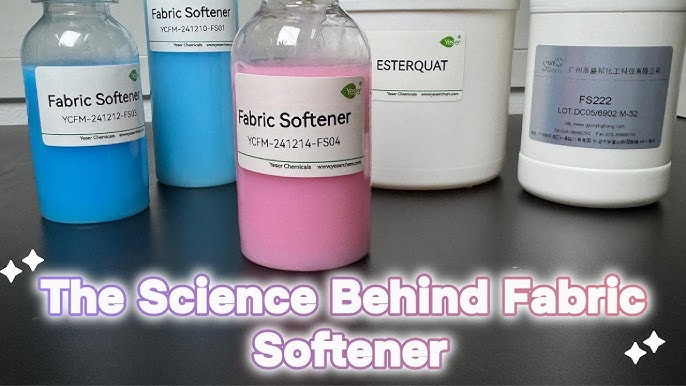
Fabric softener detergent is a hybrid formulation that combines detergency with conditioning and anti-static benefits in one product. Unlike traditional softeners that are added separately in the rinse cycle, these 2-in-1 systems are designed to work during the main wash without compromising cleaning performance.
Key functions include:
- Soil removal and stain dispersion through anionic and nonionic surfactants
- Soft feel and reduced static via cationic softeners or cationic polymers
- Fragrance retention and freshness over multiple days of wear
- Color and fiber protection for cotton, synthetics, and blends
For private-label brands, this category is attractive because a single SKU can replace separate detergent and softener products, reducing shelf complexity and logistics costs.
A robust fabric softener detergent formula usually consists of surfactants, conditioners, stabilizers, and sensory enhancers designed to work together in a stable liquid or concentrated format.
Surfactants are the cleaning backbone of any detergent, lowering surface tension and allowing water to wet fabric and lift soils.
Common choices include:
- Anionic surfactants (such as fatty alcohol sulfate or sulfonate derivatives) for strong detergency and foaming
- Nonionic surfactants (such as fatty alcohol ethoxylates) for grease removal and low-temperature performance
- Amphoteric surfactants (such as betaines) to improve mildness and compatibility in 2-in-1 systems
In many modern fabric-softening detergents, anionic and nonionic blends are fine-tuned to achieve high cleaning efficiency with controlled foam for both top-load and front-load machines.
Softness and anti-static performance are typically delivered by cationic surfactants or cationic polymers.
Typical options:
- Esterquats and quaternary ammonium compounds for classic soft, lubricated hand-feel
- Imidazolinium compounds widely used as cationic fabric softeners for a smooth, luxurious touch
- Cationic polymers (such as Polyquaternium types) to provide conditioning without neutralizing anionic surfactants
Because cationic and anionic surfactants can precipitate when combined, modern 2-in-1 formulas often rely on cationic polymers and amphoteric surfactants to maintain both cleaning and softening performance.
To ensure long-term stability and consistent performance, several supporting ingredients are included.
- Builders and water softeners (such as sodium carbonate, citrates, sodium gluconate) to handle hard water and improve surfactant efficiency
- Viscosity modifiers and thickeners (such as seaweed polysaccharides or polymeric thickeners) for a premium, creamy texture
- Anti-redeposition agents (such as sodium carboxymethyl cellulose) to prevent soils from settling back on fabrics
- Solvents and co-solvents (such as glycols) to help dissolve fragrances and actives
A well-designed builder and stabilizer system is critical to avoid phase separation, especially for concentrated formulas exported globally.
Sensory elements are key to perceived quality, especially in markets where scent and softness heavily influence preference.
- Fragrance oils for olfactory appeal, from fresh linen to floral or fruity profiles
- Natural extracts (such as aloe vera juice) for skin-friendliness and marketing claims
- Advanced actives (such as chitosan–graphene composites) for enhanced stain removal and fabric care innovation
These components help brands differentiate and support “premium”, “eco-friendly”, or “sensitive skin” positioning.
The original guide presents several fabric softener detergent variants featuring fatty alcohol ethoxylates, sulfate salts, natural powders, polymers, and water in different ratios. These illustrate how adjusting each component changes performance, viscosity, and target consumer segment.
Below is a simplified, illustrative range (not a ready-to-use formula). Exact ratios must be validated by lab testing and local regulations.
| Component type | Typical range (% w/w) | Main role |
|---|---|---|
| Primary surfactants (anionic + nonionic) | 8–20 | Core cleaning power and foaming control |
| Softening agents / cationic polymers | 2–8 | Fabric conditioning and anti-static effect |
| Builders / chelators | 2–10 | Water softening, detergency boost, machine protection |
| Anti-redeposition & soil suspension agents | 0.5–3 | Prevent soil redeposition on fabrics |
| Thickeners & rheology modifiers | 0.2–3 | Control viscosity and product appearance |
| Fragrance & dyes | 0.2–2 | Scent and visual identity |
| Natural actives / care ingredients | 0.2–3 | Skin and fabric care, marketing stories |
| Water (deionized) | Balance to 100 | Solvent and carrier |
For brands, this kind of table helps marketing and R&D align on cost targets, claims, and expected in-wash experience before starting OEM trials.
A controlled manufacturing process is crucial to obtain consistent viscosity, stability, and performance across batches.
While each factory's SOP will differ, a typical process for liquid fabric softener detergent includes:
1. Water charging and heating
Charge deionized water into the mixing tank and adjust temperature according to the requirements of surfactants and softeners, often at mildly warm conditions.
2. Addition of primary surfactants
Slowly add anionic and nonionic surfactants under agitation.
Ensure full dissolution and control of foam using anti-foam measures if needed.
3. Incorporation of builders and functional additives
Add builders, chelating agents, anti-redeposition polymers, and pH regulators.
Check pH against the target range, typically mildly neutral to slightly alkaline for detergency, or slightly acidic if the softening system requires it.
4. Softening system addition
Introduce cationic polymers or other conditioning agents at controlled temperature and shear to help prevent flocculation.
For classical softeners, follow the vendor's recommended temperature and addition order to ensure stable dispersions.
5. Viscosity adjustment
Add thickeners or rheology modifiers gradually while monitoring viscosity.
Allow enough mixing time for full hydration or activation of thickening agents.
6. Fragrance, color, and sensitive actives
Add fragrance, dyes, and temperature-sensitive natural ingredients at lower temperature with gentle agitation.
Perform small stability checks for new scent systems, such as basic freeze–thaw and centrifuge tests.
7. Filtration, quality control, and filling
Filter the finished bulk if required to remove undissolved particles.
Run QC tests for pH, viscosity, active content, stability, and foaming before filling into bottles, pouches, or bulk IBCs for export.
A high-quality fabric softener detergent should deliver measurable benefits both in lab tests and in real consumer use.
Main performance points include:
- Deep yet gentle cleaning on everyday soils without damaging fibers
- Noticeably softer hand-feel versus plain detergent, especially on towels and cottons
- Reduced static and easier ironing for synthetics and blends
- Improved color retention and reduced graying over repeated wash cycles
- Lower residue and controlled foam, important for high-efficiency front-load machines
Many current formulations also emphasize biodegradability, lower environmental impact, and skin-friendliness, using carefully selected surfactants, polymers, and natural additives to meet modern expectations.
Because these products combine detergent and softener functions, compatibility and stability must be addressed from the initial design.
Key considerations include:
- Direct mixing of strong anionic surfactants with classical cationic softeners can lead to insoluble complexes that reduce both cleaning and softening.
- Replacing part of the softener system with cationic polymers and using amphoteric surfactants can improve compatibility and product clarity.
- Both detergency and fabric conditioning are sensitive to pH and processing temperature, so these parameters must be optimized for each formula.
- Water-based products with natural ingredients require effective preservation systems that comply with local regulations.
Safety-wise, brands should ensure compliance with detergent and labeling rules in target markets and design products to minimize skin and eye irritation.
For overseas buyers and brand owners, choosing between a 2-in-1 formula and separate detergent plus softener lines is a strategic decision affecting cost, positioning, and consumer usage patterns.
| Aspect | 2-in-1 softening detergent | Separate detergent + softener |
|---|---|---|
| Consumer convenience | Single product, simpler routine | Two-step process but more flexible |
| Formulation complexity | Higher, must balance cleaning and softening in one matrix | Lower, each formula optimized for its own function |
| Shelf and logistics | Fewer SKUs, easier inventory management | More SKUs but wider upsell and cross-sell options |
| Performance tuning | Good all-round performance, extreme softness or heavy-duty cleaning may be limited by compatibility | Allows heavy-duty detergents plus extra soft concentrated softeners |
| Price positioning | Attractive mid-range to upper-mid range | Flexible from budget to premium combinations |
For private labels entering new markets, starting with a well-balanced 2-in-1 product reduces complexity, and then expanding into specialized detergents and premium softeners can follow once the brand is established.
Working with an experienced OEM partner is one of the fastest routes from concept to shelf-ready fabric softener detergent.
A professional OEM factory such as Dongguan UFine Daily Chemical Co.,Ltd. can provide:
- Technical consultation and benchmarking against leading international brands
- Custom formula design tailored to your market's water quality, machine type mix, and scent preferences
- Lab testing and pilot batches for viscosity, stability, washing performance, and softening level
- Compliance guidance for ingredient lists, labels, and documentation in different regions
- Packaging development including bottles, caps, spouts, and sustainable formats
This integrated approach helps importers, supermarkets, and brand owners reduce development risk and launch timelines while maintaining competitive cost-per-wash.
When building or updating a private-label line, focusing on clear technical and commercial criteria supports smoother OEM cooperation.
Consider the following steps:
1. Define product positioning: mass market, mid-range, or premium; fragrance-first, sensitive skin, or eco-focus.
2. Specify washing conditions: typical local water hardness, dominance of top-load versus front-load, and average washing temperature.
3. Set key performance targets: softness rating versus a reference brand, soil removal on defined stains, and acceptable foam level.
4. Clarify regulatory constraints: ingredient restrictions, fragrance allergens, and labeling rules in target markets.
5. Plan test protocol: compare OEM samples against 2–3 local leading products in structured panel or employee tests.
Providing this information upfront allows an OEM like Dongguan UFine Daily Chemical Co.,Ltd. to quickly propose optimized base formulas and fragrance options that match brand expectations.
If you are a brand owner, importer, or wholesaler planning to launch or upgrade a fabric softener detergent line, partnering with a specialized OEM factory in China can accelerate development and reduce risk. Dongguan UFine Daily Chemical Co.,Ltd. works with global clients to design balanced 2-in-1 and softener-enhanced detergents that align with local washing habits, water quality, and price points.
Share your target markets, positioning, and benchmark brands with the technical team to receive tailored formula proposals and samples. By collaborating closely on formulation, testing, and packaging, you can build a differentiated private-label fabric softener detergent range that delivers strong performance, attractive margins, and long-term customer loyalty.
Contact us to get more information!
A well-formulated 2-in-1 product can deliver excellent everyday cleaning and noticeable softness, especially when built with compatible surfactants and cationic polymers. However, extremely heavy soils or ultra-premium softness targets may still benefit from separate specialized detergent and softener products.
Yes, most modern formulas are optimized for both machine types, with controlled foam and good rinse-out properties to protect high-efficiency front-loaders. It is still important to follow dosage instructions and adjust slightly for smaller drum volumes in high-efficiency machines.
Water hardness strongly affects detergency and soap scum formation, so builders and chelating agents must be tailored to target markets. For hard-water regions, higher levels of builders and chelators are common to maintain cleaning efficiency and prevent deposits in machines and on fabrics.
Many newer formulas use biodegradable surfactants, optimized builders, and carefully controlled fragrance levels to reduce environmental impact. Eco-focused lines may also reduce packaging weight and promote cold-wash performance to lower overall energy use during the laundry process.
Lead time depends on how clear the initial brief is, how many test rounds are required, and how strict local regulations are. With clear targets and fast feedback on samples, many OEM projects can move from initial concept to first commercial order within a few months.
1. https://vigour-group.com/insights/comprehensive-guide-to-fabric-softener-detergent-formula/
2. https://yeserchem.com/mastering-laundry-detergent-liquid-formulation-a-comprehensive-guide-for-industry-insiders/
3. https://yeserchem.com/the-ultimate-guide-to-creating-a-2-in-1-detergent-combining-cleaning-and-softening-properties/
4. https://www.stayfreshwithpeanut.com/blogs/news/laundry-formulation-what-you-need-to-know
5. https://www.scribd.com/doc/283820206/Five-Fabric-Softener-Formulations-Comparison
6. https://www.dow.com/en-us/pdp.supracare-141-additives.425757z.html
7. https://vigour-group.com/detergent-formula/page/2/


