
Views: 222 Author: Tomorrow Publish Time: 01-22-2026 Origin: Site


Content Menu
● What Really Determines Detergent Cleaning Power?
● Foam: What It Is and What It Is Not
>> How Different Surfactants Affect Foam
● When Too Much Foam Becomes a Problem
● Viscosity: Appearance, Handling and Misconceptions
● When High Viscosity Helps – And When It Hurts
>> Beneficial Use Cases for Higher Viscosity
>> When Excessive Viscosity Becomes a Risk
● Regulatory and Food-Safety Considerations for Foam and Residues
● How Professional OEM Formulation Balances Foam, Viscosity and Performance
>> Key Steps in OEM Detergent Design
● New Insights: Latest Research on Foam, Viscosity and Cleaning
● Practical Checklist: How to Evaluate a Detergent Beyond Foam and Thickness
>> 2. Rinsability and Residues
>> 3. Foam Behavior in Real Use
>> 5. Safety and Sensory Profile
● Typical Foam and Viscosity Targets by Application
● OEM Perspective: Designing Market-Specific Detergents
● Strong Call to Action for Brands, Wholesalers and Importers
● FAQ: Foam, Viscosity and Cleaning Power
>> 1. Does more foam always mean better cleaning?
>> 2. Why do some machine detergents say “low foam” on the label?
>> 3. Is a thicker detergent always more concentrated?
>> 4. How can brands objectively compare detergent performance from different OEM suppliers?
>> 5. Can one detergent formula work for both manual and machine washing?
Many end users still assume that more foam and thicker liquid automatically mean stronger cleaning power, but modern detergent science proves the opposite in many applications. For brands, wholesalers and manufacturers working with OEM partners, understanding the real relationship between foam, viscosity and cleaning efficiency is essential to design products that clean well, comply with regulations and deliver the right user experience in each market segment.
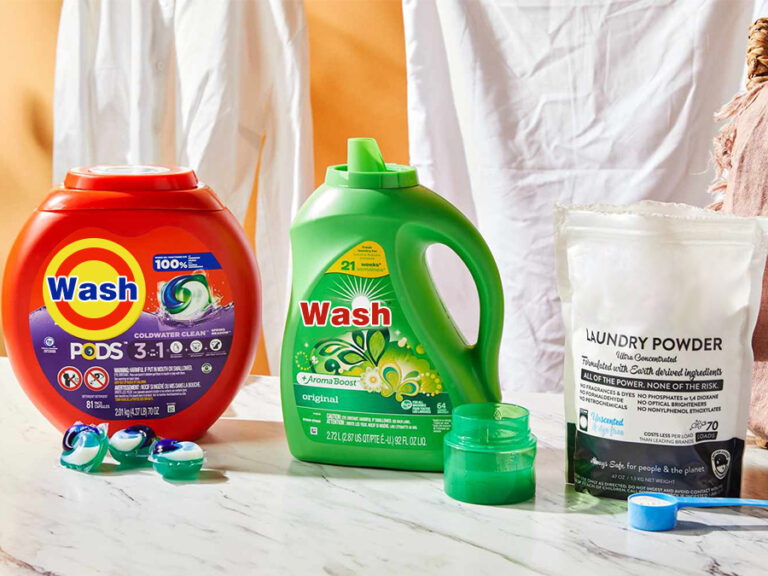
The true cleaning power of a detergent comes mainly from its surfactant system, not from how much foam it creates or how thick it looks in the bottle. Surfactants lower the surface tension of water, allowing it to wet fabrics or hard surfaces, surround oily soils and suspend them so they can be rinsed away.
Surfactant type and concentration are the primary drivers of detergency, especially anionic and nonionic systems in laundry, dishwashing and hard-surface cleaners.
Water hardness, pH, temperature and additives such as builders, enzymes and polymers significantly influence performance and foam profile.
Formula balance – surfactants plus builders, enzymes and polymers – matters more for real-world cleaning than visually impressive foam.
For OEM buyers, this means focusing on laboratory performance, stain-removal tests and stability data, not just how the product looks when shaken in a bottle.
Many consumers associate foam with powerful cleaning, but foam is mostly air trapped in a surfactant solution, not a direct indicator of detergency. Foam height and stability show something about surfactant type and concentration, yet they do not linearly correlate with cleaning performance.
Anionic surfactants such as sodium lauryl sulfate or sodium alkylbenzene sulfonate typically generate rich, stable foam and strong cleaning of oily soils.
Nonionic surfactants tend to foam less but often clean very effectively, especially at low temperatures and in high-soil or high-hardness conditions.
Additives and conditions, including salts, polymers and temperature, can either stabilize or break foam without necessarily improving or reducing cleaning power.
In personal care products such as hand washes, shampoos and facial cleansers, high and creamy foam can improve sensory perception and spreadability, even if actual cleansing is determined by surfactant chemistry and skin compatibility.
In manual dishwashing or hand laundry, moderate foam helps users visually track where product has been applied and can aid in carrying soils away. However, in many machine-based cleaning processes, excess foam is undesirable and can harm performance.
Dishwashers and automatic washing machines can suffer reduced mechanical action, disrupted spray patterns and even overflow or error codes when foam is excessive.
In CIP systems and high-pressure cleaning, foam may block nozzles, reduce impact force and increase rinsing time and water consumption.
In industrial processes, uncontrolled foam can cause pump cavitation, sensor malfunction and safety hazards.
For these applications, detergents are often designed as low-foam or controlled-foam formulations, sometimes using special nonionic surfactants or defoamers to maintain effective cleaning with minimal visible foam.
Viscosity influences how a detergent pours, clings and feels, but it is not a direct indicator of active content or cleaning power. Many household users assume that thicker means more concentrated, when in reality manufacturers adjust viscosity using thickeners or salt systems without changing the surfactant level.
Common thickening approaches include:
Inorganic salts, such as sodium chloride, to build moderate viscosity in anionic surfactant systems.
Polymers and gums, including xanthan, carbomers and associative thickeners, to create gel-like textures and stable foams in personal care and specialized cleaners.
From an OEM perspective, viscosity must be functional and consistent. It should match the filling equipment, pump type and packaging, while also providing the desired user perception so that the product is not seen as too watery or too sticky and still dissolves quickly in use.
A moderate, controlled viscosity can be beneficial in specific products where clinging and contact time are critical. Very high viscosity, on the other hand, can create serious functional and safety issues in everyday cleaning products.
Toilet and bathroom cleaners use higher viscosity to allow acid or descaling cleaners to cling to vertical surfaces, increasing dwell time and improving limescale and soil removal.
Oven and grill cleaners often rely on thickened alkaline gels that stay in place on greasy vertical surfaces, reducing dripping and improving performance.
Some personal-care cleansers use polymers to deliver a luxurious texture and stable, cushiony foam, enhancing the overall washing experience.
Over-thickened dishwashing liquids or laundry detergents may dissolve slowly, form clumps and leave residues on fabrics or dishes.
High viscosity combined with strong surfactants can increase the chance of skin irritation or residues on tableware when rinsing is inadequate.
Very thick products may cause line blockages and inconsistent dosing in automated filling or dispensing systems.
The optimal viscosity is therefore a technical design choice, not a marketing shortcut. It must balance sensory expectations, dissolution, safety and processability.
In many countries, food-contact surfaces such as dishes, glasses and utensils must be free of detectable detergent residues after the final rinse. This requirement directly affects how foam and rinsability are engineered in dishwashing products.
Common anionic surfactants like sodium alkylbenzene sulfonate are highly effective but must not remain on tableware at harmful levels.
Formulators must design low-residue, easy-rinse systems, especially for commercial dishwashers, food-service operations and baby products.
OEM brands selling into regulated markets must verify compliance with local food-contact and cosmetic regulations as applicable.
For private-label buyers, this underscores the need to work with an OEM factory that offers regulatory support, residue testing and documented quality systems.
An experienced OEM partner does not simply increase thickness or add more foaming agents. Instead, formula design follows a structured process driven by application, equipment and market expectations.
Define the use scenario: machine or manual, laundry, dish, surface, industrial or personal care, typical water quality and soil type.
Set target foam profile: high, medium or low foam, including how fast foam should appear and how quickly it should collapse.
Design the surfactant system by choosing anionic, nonionic, amphoteric or blends and adjusting concentration for cleaning targets and cost.
Adjust viscosity using salts or polymers to reach a range compatible with filling, storage temperature and user expectation.
Test in real conditions to evaluate cleaning performance, foam in relevant machines, rinsability and residue under realistic use patterns.
Verify safety and compliance for skin compatibility, textile or surface compatibility and regulatory standards in target markets.
A specialized OEM factory can customize foam level, viscosity and sensory profile for different channels, such as supermarkets, e-commerce, institutional cleaning or hotel and catering, while maintaining consistent quality and regulatory compliance.
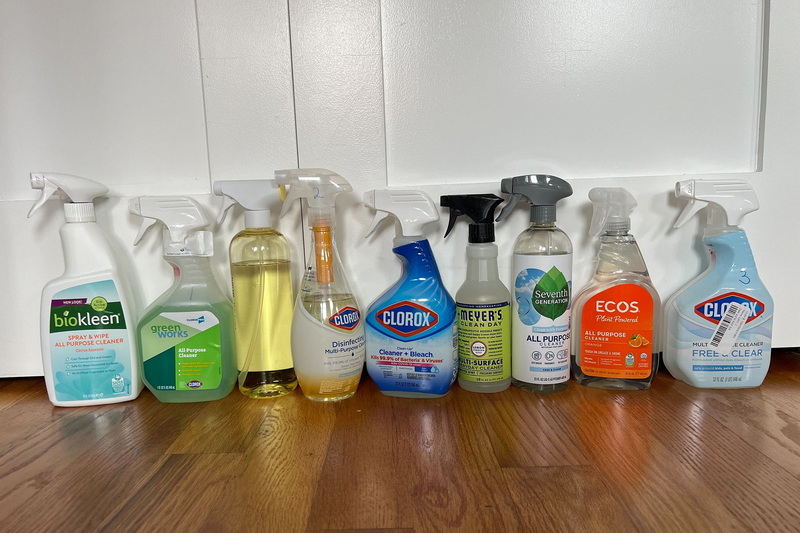
Recent scientific and industry studies confirm that foam structure and viscosity modification are complex phenomena that need careful tuning. They also reinforce the idea that cleaning performance must be validated with data, not only with visual impressions.
Studies comparing surfactants like AOS and SDS show that each surfactant has a specific concentration range where foam volume and half-life are optimal, and that adding salts can improve foam stability without automatically increasing cleaning power.
Research on moisturizing cleansing foams demonstrates that polymer thickeners can increase foam consistency while changing adhesion and spreadability, linking viscosity, foam stability and sensory feel.
Industry experience highlights that hard water reduces both foam stability and cleaning efficiency, pushing formulators to adjust chelating agents and surfactant blends rather than simply adding more foaming agents.
For brand owners, these insights show that evidence-based formulation supported by lab data and pilot tests is more reliable than purely visual judgments about foam and thickness.
When assessing a detergent sample from an OEM factory, it is important not to rely only on foam height and viscosity. The following checklist helps evaluate real performance and market fit.
Check removal of common soils such as body oils, food stains, protein, starch and pigment.
Compare performance against a known benchmark product at the same dosage and temperature.
Test how easily foam and solution rinse off dishes, fabrics or surfaces.
Inspect for film, spots or odor after drying, especially on glassware and baby items.
For machine detergents, observe foam level during the wash cycle and check for overflow, error codes or reduced mechanical action.
For manual products, ensure foam is stable enough for user perception but not so persistent that rinsing becomes difficult.
Evaluate pouring, pumping, squeezing and dispensing performance at different temperatures.
Check that the product does not separate, sediment or become too thick or too thin during storage.
Review pH, fragrance level and known sensitizers, and run basic skin-contact or fabric-softness tests where appropriate.
Confirm that label claims such as low foam, concentrated or HE machine compatibility align with the actual formula.
Using this checklist helps brand owners make data-driven decisions instead of relying on myths about foam and viscosity.
Application type | Desired foam level | Target viscosity trend | Key OEM notes for brands |
Household hand dishwashing | Medium–high foam | Medium, easy-pour liquid | Foam supports user perception but must still rinse easily. |
Automatic dishwasher | Very low foam | Low–medium, fast-dissolving | Low-residue system, strict food-contact standards apply. |
Standard or HE laundry (machine) | Controlled, low–medium foam | Low–medium, pumpable | Too much foam can harm mechanical action in drums. |
Hand laundry (basin or sink) | Medium foam | Medium, slightly thicker | Visual foam feedback helps dosing, but avoid difficult rinsing. |
Toilet and bathroom cleaners | Low–medium foam | High, clingy gel or thick liquid | High viscosity extends contact time on vertical surfaces. |
Personal care foaming cleansers | Fine, creamy, stable foam | Low–medium, soft texture | Balance mildness, foam aesthetics and rinse feel. |
For international brands and importers, the optimal foam and viscosity profile varies widely by region, sales channel and consumer habit. Working with a specialized OEM factory allows you to align formulation with local expectations while maintaining performance and compliance.
Key OEM advantages for foam and viscosity engineering include:
Custom surfactant systems tailored to HE machines, hard water regions, institutional cleaning or sensitive-skin segments.
Flexible thickening strategies using salts or polymers to create light liquids, gels and concentrated formats.
Application testing in washing machines, dishwashers, manual cleaning setups and institutional scenarios before scale-up.
Regulatory and documentation support for safety data sheets, ingredient declaration, labeling and export compliance.
By treating foam and viscosity as design tools instead of vanity metrics, brands can build products that clean better, perform reliably in equipment and match user expectations across multiple countries.
If your current detergents are still being judged mainly by how much they foam or how thick they look in the bottle, you may be leaving real cleaning performance, cost-efficiency and compliance advantages untapped. It is time to move to scientifically engineered formulations that balance surfactants, foam control and viscosity for each application and market.
Dongguan UFine Daily Chemical Co.,Ltd. supports overseas brands, wholesalers and producers with custom OEM and ODM detergent solutions that cover laundry, dishwashing, household surface care and personal care cleaning products. You can work together to define target foam and viscosity profiles, select surfactant systems and validate performance in real-world conditions.
Contact Dongguan UFine Daily Chemical Co.,Ltd. now to discuss your next OEM detergent project, request tailored samples and co-create high-performance, market-ready formulations that deliver real cleaning power rather than just impressive foam.
Contact us to get more information!
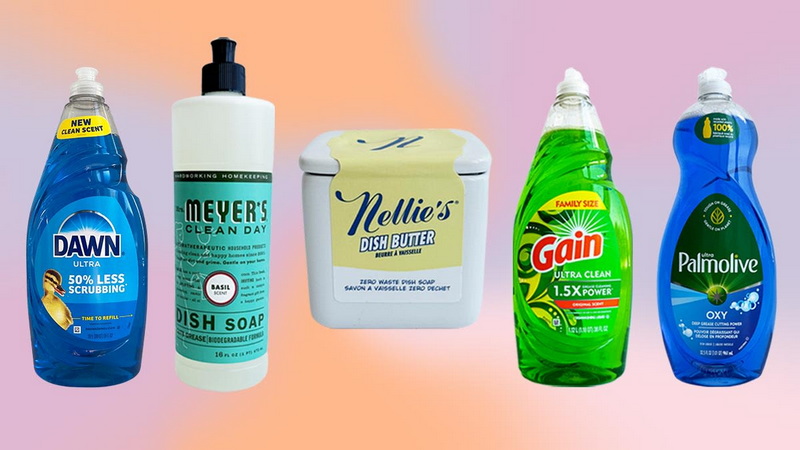
No. Foam height and cleaning power are not directly proportional. Foam mainly reflects surfactant type and concentration, while real cleaning depends on how effectively surfactants remove and suspend soils. In some machine applications, excessive foam can even reduce cleaning efficiency and increase water and energy consumption.
Automatic washing machines and dishwashers rely on mechanical action and controlled water levels. Too much foam disrupts drum movement and spray patterns and may cause overflow or sensor errors. Low-foam formulations are designed to clean effectively with minimal suds, protecting equipment and ensuring proper rinsing.
Not necessarily. Many products use salt or polymer thickeners to adjust viscosity without increasing the concentration of active surfactants. The real indicators of value and cleaning strength are active content, recommended dosage and performance in standardized tests, not thickness alone.
Brands should run standardized cleaning, rinsing and foam tests on typical soils, fabrics and water conditions, and compare results against a benchmark product at the same dosage. Reviewing laboratory data, stability studies, machine compatibility and residue tests is more reliable than simple visual “shake-and-foam” comparisons.
It is possible but often not optimal. Manual washing usually benefits from more visible foam and slightly higher viscosity, while machine washing needs controlled foam and fast dissolution. Many successful brands use separate formulas or carefully engineered compromises tailored to specific markets and washing habits.
1. https://vigour-group.com/insights/debunking-myths-the-relationship-between-detergent-foam-viscosity-and-cleaning-efficiency/
2. https://vigour-group.com/es/insights/desmitificando-mitos-la-relacion-entre-la-espuma-del-detergente-la-viscosidad-y-la-eficiencia-de-limpieza/
3. https://drpress.org/ojs/index.php/ajst/article/view/13406
4. https://pmc.ncbi.nlm.nih.gov/articles/PMC11354169/
5. https://nihao53.com/blog/nihao53-1/espuma-como-sinonimo-de-calidad-en-detergentes-mito-o-realidad-28
6. https://www.zschimmer-schwarz.es/noticias/como-afecta-la-espuma-en-el-sector-de-la-limpieza/


