
Views: 222 Author: Tomorrow Publish Time: 01-23-2026 Origin: Site


Content Menu
● What Are Detergent Stains on White Clothes
● Main Causes of Detergent Stains on Whites
● Quick Fix: Immediate Steps When You Notice Detergent Stains
● Step-by-Step Methods to Remove Detergent Stains
>> Vinegar Rinse Method (Ideal for Light–Moderate Residue)
>> Baking Soda Scrub (For Localized Spots)
>> Oxygen Bleach Soak (For Stubborn Detergent Stains)
>> Extra Rinse and Spin Method (For Detergent Buildup)
● Choosing the Right Method by Stain Type
● How to Prevent Detergent Stains on White Clothes
● Professional Tips for Laundry Brands and OEM Buyers
● Why Working with a Professional Laundry Detergent OEM Matters
● Recommended Visual Elements for This Topic
● Dongguan UFine Daily Chemical Co.,Ltd: Your OEM Partner for Low-Residue Detergent Solutions
● Clear Call to Action: Partner with Dongguan UFine for Cleaner Whites and Stronger Brands
● FAQs About Detergent Stains on White Clothes
>> 1. Are detergent stains permanent on white clothes
>> 2. Why do my white clothes get blue marks after washing
>> 3. Can I use vinegar and bleach together to remove stains
>> 4. How can I stop powder detergent from leaving white spots
>> 5. Is an extra rinse cycle really necessary for white clothes
Detergent stains on white clothes look unprofessional, waste garments, and signal a problem in the laundry process, but they are usually reversible with the right steps and products. This in-depth guide explains causes, removal methods, and prevention, and is especially useful for laundry brands, distributors, and OEM buyers who want to reduce complaints and returns.
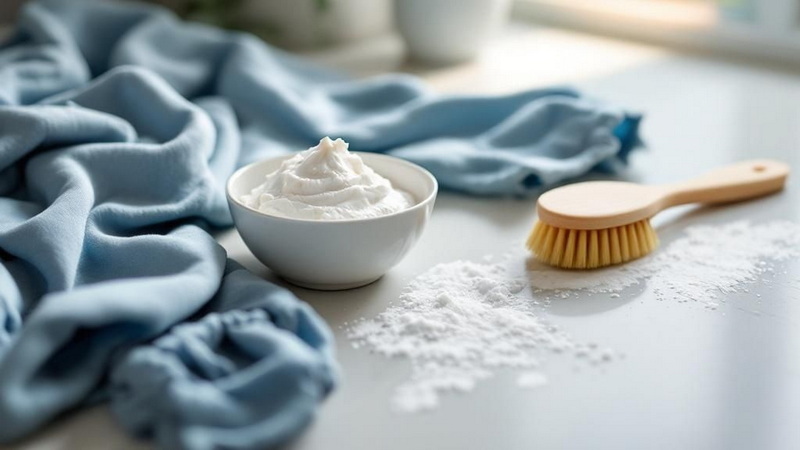
Detergent stains are residue marks left when laundry detergent does not fully dissolve or rinse from the fabric.
Common types on white garments include:
- Blue or gray streaks from liquid detergents with dyes.
- Chalky or powdery spots from undissolved powder.
- Rough, stiff patches from detergent buildup or hard water reaction.
These stains are usually superficial, sitting on or near the fiber surface, which is why they can often be removed completely if heat, such as a dryer, has not set them.
Understanding the root cause helps you choose the right fix and adjust your process.
Key causes include:
- Overdosing detergent: Using more detergent than the load and water hardness require increases residue.
- Cold water with powder: Powder dissolves poorly in very cold water, especially in short cycles.
- Overloaded washer drum: Clothes cannot move freely, so detergent cannot circulate and rinse out.
- Hard water: Minerals in hard water interact with detergent, making rinsing less effective and leaving a film.
- No extra rinse or short cycles: Insufficient rinsing leaves surfactants and optical brighteners behind.
For brands and OEM partners, these issues often appear as repeat consumer complaints about detergent marks or white clothes turning patchy.
If you see marks right after the wash and before drying, act fast.
Follow these quick steps:
1. Do not tumble dry the garment, as heat can set detergent stains.
2. Gently shake or brush off any visible powder residue.
3. Rinse the stained area under warm running water to dissolve remaining detergent.
4. Rub the fabric lightly against itself or use a soft brush to loosen residue.
5. Rewash the garment with a smaller detergent dose and, if possible, an extra rinse.
In many cases, this simple reset removes light stains completely without additional chemicals.
Different stains respond better to specific methods. Using white vinegar, baking soda, and oxygen bleach is widely recognized as a safe and effective approach on most white fabrics when used correctly.
White vinegar helps break down alkaline detergent residues and softens the fabric.
Steps:
- Fill a basin with warm water according to the garment's care label.
- Add about 1 cup of white vinegar to the water and mix well.
- Soak the stained white clothes for 15–30 minutes.
- Gently agitate the fabric with your hands to loosen residue.
- Rinse thoroughly with clean water, then rewash with a reduced dose of detergent.
For brand testing and user guides, this method is a good first-line recommendation in care content and manuals.
Baking soda is a mild abrasive and deodorizer that can help lift visible detergent marks without damaging most fibers.
Use it like this:
- Make a thick paste with baking soda and warm water.
- Apply the paste directly onto the stained areas of the white cloth.
- Let it sit for about 10 minutes.
- Gently rub the area with your fingers or a soft brush, avoiding excessive pressure on delicate fabrics.
- Rinse well, then wash the garment in a regular cycle.
This method is especially useful for collars, cuffs, and localized streaks.
Oxygen bleach, or non-chlorine bleach, is generally safe for whites and helps remove both detergent residue and slight discoloration.
Process:
- Prepare a solution of oxygen bleach and warm water following the product label.
- Submerge the stained garment completely and soak for 30–60 minutes.
- Gently rub stained areas under water to assist lifting.
- Rinse thoroughly and wash as usual, without overdosing detergent.
For brand owners and OEM partners, pairing oxygen bleach compatible detergents with clear usage guides can significantly reduce visible residue in customer loads.
When the issue is repeated buildup rather than a one-time stain, an extra rinse cycle works effectively.
Steps:
- Run an empty warm water cycle with no detergent to clear the drum if you suspect buildup.
- Then, reload the stained whites and select a rinse and spin or extra rinse program.
- Make sure no additional detergent is added.
This is a simple recommendation that detergent brands can place directly on packaging to reduce support queries.
Different appearances usually point to different ideal treatments.
| Stain appearance on white cloth | Likely cause | Recommended treatment first |
|---|---|---|
| Blue streaks or patches | Liquid detergent dyes not rinsed out | Warm water rinse and vinegar soak |
| White chalky spots | Undissolved powder detergent | Warm rinse, baking soda paste, then rewash |
| Rough, stiff grayish areas | Detergent and hard water buildup | Warm soak with vinegar plus extra rinse |
| Overall dull or filmy look | Chronic overdosing or short rinses | Multiple extra rinses and reduced dosage |
| Rings after spot washing | Poor rinsing of localized detergent | Re‑soak and thoroughly rinse the affected area |
Matching the visual symptom with the right method helps minimize fabric stress and saves time.
Prevention protects both garment quality and your brand reputation if you sell detergent or OEM white fabrics.
Key prevention practices:
- Measure correctly: Follow dosage guidelines and adjust for load size and soil level.
- Use appropriate water temperature: Warm water improves powder dissolution, while liquid detergents are better for cold washes.
- Avoid overloading: Leave enough space in the drum for clothes to move and rinse freely.
- Add an extra rinse for sensitive skin or heavily loaded white cycles.
- Pre-dissolve powders in water before adding clothes when using cold water.
- Consider water softeners or hard water specialized formulas in regions with high mineral content.
Clear prevention tips in product manuals and on e-commerce pages help lower negative reviews about white clothes ruined by detergent.
For detergent brands, wholesalers, and OEM partners, detergent stains are both a technical and a customer experience issue.
Practical insights:
- Include visible measuring lines or pre-measured pods to reduce user overdosing.
- Offer clear instructions on water temperature, load size, and extra rinse usage for white garments.
- Develop or select formulations that are high-solubility and low-residue, especially for cold and quick cycles.
- Provide digital guides and QR-linked articles teaching consumers how to deal with detergent stains to reduce product returns.
Partnering with a specialized OEM factory for laundry detergents and related products enables white-label or private-label brands to tailor formulas and instructions to their target markets' water quality and machine types.
For international brands, choosing a reliable OEM partner for detergents, fabric care liquids, and related washing products can directly reduce detergent stain complaints.
An experienced OEM manufacturer can help you:
- Develop low-residue, high-solubility formulations optimized for white textiles and various water conditions.
- Customize fragrances, packaging, and dosing formats, including powder, liquid, and pods, that match your target market's habits.
- Deliver consistent quality control and testing that specifically measures post-wash residue on white fabrics.
For overseas brand owners, this support means cleaner customer reviews, fewer returns, and stronger long-term loyalty.
To improve engagement and comprehension, consider adding the following visuals to the article:
- A process flow diagram showing: notice stain, stop dryer, rinse, treat, rewash, and air dry.
- A comparison chart illustrating results of different methods, such as vinegar, baking soda, and oxygen bleach, on typical detergent stains.
- A measurement infographic showing correct detergent dosing by load size and water hardness.
Placing these visuals near the corresponding sections helps users quickly understand and remember the steps.
Dongguan UFine Daily Chemical Co.,Ltd. is a professional Chinese OEM factory focusing on laundry detergents, fabric softeners, stain removers, and related daily chemical products for overseas brands.
By combining formulation expertise with flexible production lines, Dongguan UFine Daily Chemical Co.,Ltd. helps international detergent and home care brands develop high-solubility, low-residue products specifically designed to minimize detergent stains on white clothes.
The company supports private-label and white-label projects for brand owners, importers, and wholesalers, including tailored packaging, dosing formats, and multilingual usage instructions optimized for different regional markets.
If your customers frequently complain about detergent stains on white clothes, the solution is not only user education but better-engineered products. Work with Dongguan UFine Daily Chemical Co.,Ltd. to develop high-performance, low-residue detergents and fabric care formulations that keep white garments bright while reducing residue and after-sales complaints. Contact the UFine team now to discuss your OEM or private-label detergent project and turn cleaner white clothes into a competitive advantage for your brand.
Contact us to get more information!
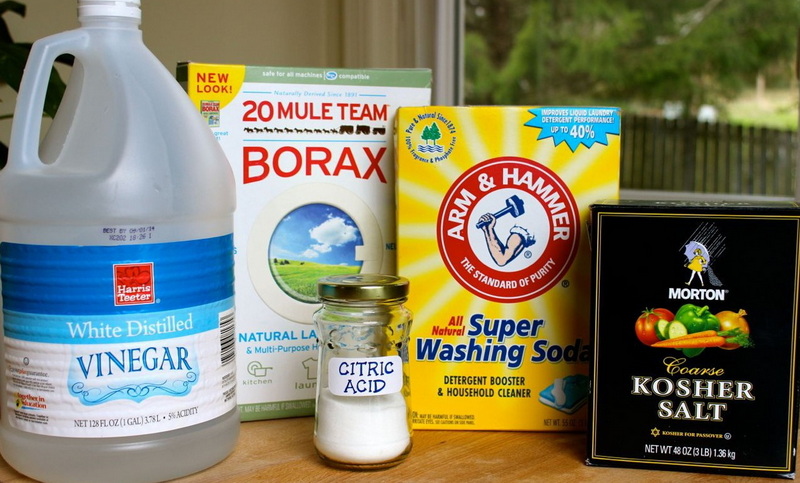
Detergent stains are usually not permanent if they are treated before the garment is dried in a machine or exposed to high heat. In many cases, rinsing, vinegar soaks, baking soda, and oxygen bleach can remove residue completely when applied promptly.
Blue marks on white clothes are often caused by liquid detergents that contain blue dyes which do not fully rinse out. This usually happens when detergent is overdosed, when water levels are too low, or when the cycle is too short for proper rinsing.
Vinegar and chlorine bleach should never be mixed in the same treatment step. Combining them can release hazardous gases, so use each product separately, rinse thoroughly between treatments, and always follow the safety guidelines on the label.
To stop powder detergent from leaving white spots, pre-dissolve it in warm water before adding clothes, avoid overloading the washer, and choose a cycle with sufficient agitation and rinsing. Following the recommended dose on the packaging is also essential to reduce undissolved residue.
An extra rinse cycle is highly beneficial for white clothes, especially in hard-water areas or when washing heavily soiled loads. It helps remove leftover detergent, keeps fabrics softer, and maintains brighter whites over time.
1. https://vigour-group.com/insights/fabric-softener-how-to-use-it-effectively-for-fresher-softer-laundry/
2. 2. https://www.snuggle.com/laundry-tips/how-to-do-laundry/how-to-use-fabric-softener-in-a-top-loader.html
3. https://www.lifestyleclotheslines.com.au/blogs/news/fabric-conditioner-bad-for-your-washing-machine
4. https://ilovegain.com/en-us/tips-and-topics/laundry-tips-and-tricks/how-to-use-fabric-softener
5. https://laundrysauce.com/blogs/news/how-to-use-fabric-softener
6. https://www.yahoo.com/lifestyle/articles/expert-warns-dangers-common-laundry-010000030.html
7. https://vigour-group.com/insights/comprehensive-guide-to-fabric-softener-detergent-formula/


