
Views: 222 Author: Tomorrow Publish Time: 01-23-2026 Origin: Site


Content Menu
● Core Science Behind Laundry Pods
● How Surfactants and Enzymes Clean Clothes
● Multi-Compartment Pod Technology
● Key Benefits of Laundry Pods for Consumers
● Market Trends: Why Pods Are Growing Globally
● Typical Ingredients Inside a Laundry Pod
● How to Use Laundry Pods Correctly
● Common Mistakes and How to Avoid Them
● Safety and Handling Considerations
● Sustainability: Are Laundry Pods Eco-Friendly?
● Why Brands and Importers Are Moving to Pods
● Inside an OEM Laundry Pod Manufacturing Process
● OEM Laundry Pods Solutions with Dongguan UFine Daily Chemical Co.,Ltd.
● Practical Tips for End Users: Getting the Best Results from Pods
● Partner with a Professional OEM Laundry Pod Factory
>> 1. Do laundry pods clean better than traditional detergents?
>> 2. Are laundry pods safe for all washing machines?
>> 3. Can laundry pods be used in cold water?
>> 4. How should laundry pods be stored at home?
>> 5. Are laundry pods a good option for sensitive skin?
Laundry pods have transformed everyday washing into a faster, cleaner, and more precise process for households and professional users worldwide. For overseas brands, importers, and wholesalers, detergent pods are also a powerful way to upgrade product lines with high-value, easy-to-use formats through partnerships with specialized OEM factories in China.
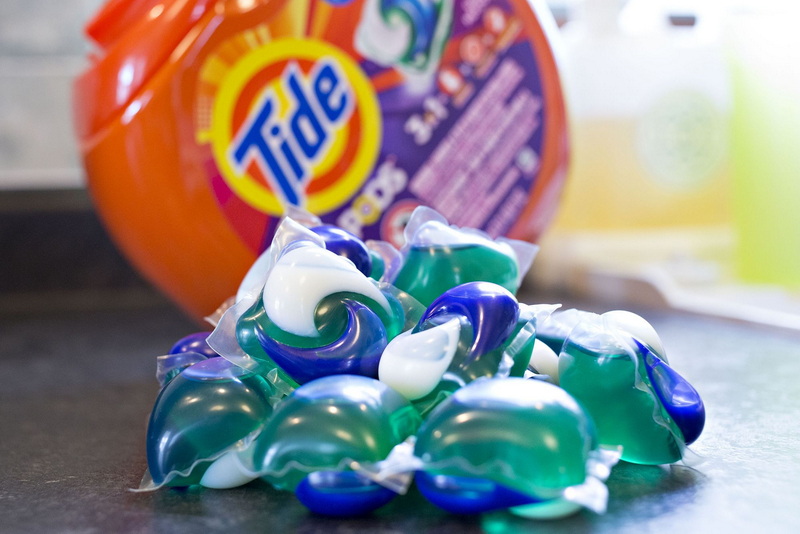
Laundry pods are pre-measured capsules that contain concentrated liquid detergent sealed in a water-soluble film. They are designed to dissolve completely during the wash cycle and release a carefully balanced formula of cleaning agents, enzymes, and conditioning additives.
- Each pod usually contains:
- Concentrated liquid detergent
- Enzymes for stain breakdown
- Builders and water softeners
- Fragrance and optical brighteners
- The pod format eliminates manual measuring and reduces waste per wash.
For brand owners, pods deliver a premium user experience that supports higher price points and stronger differentiation on store shelves.
Laundry pods work through a combination of surfactants, enzymes, builders, and controlled dissolution of the pod shell.
- Surfactants reduce water surface tension, allowing wash liquor to penetrate fabrics and lift away soil.
- Enzymes target specific stains such as proteins, fats, and starches for deep cleaning even at lower temperatures.
- Builders bind calcium and magnesium from hard water, improving the efficiency of surfactants and reducing graying of fabrics.
Because the formula is highly concentrated, pods can deliver strong cleaning performance with a smaller dose than traditional liquid or powder detergents.
The shell of most laundry pods is made from polyvinyl alcohol (PVA), a synthetic polymer that dissolves in water.
- PVA protects the detergent from air, moisture, and light during storage.
- When exposed to wash water and agitation, the film dissolves and releases the internal formula.
- Film thickness and composition are engineered to balance storage stability with rapid dissolution in the drum.
Modern PVA films are designed to dissolve even in cold water, supporting energy-saving wash programs and improving consumer convenience.
Inside each pod, surfactants and enzymes work together to remove diverse soils from fabrics.
- Surfactants have a water-loving head and oil-loving tail, bridging water and grease.
- They surround and suspend dirt, oils, and pigments so they can be rinsed away.
- Enzymes such as proteases, lipases, and amylases break down protein, fat, and starch stains from everyday life.
By combining multiple enzyme types, pods can deliver strong performance across everyday stains at moderate temperatures, a key selling point in many markets.
Many premium laundry pods use multi-chamber designs to separate ingredients until the moment of use.
- Each compartment can contain a specific formula, such as:
- Deep cleaning surfactants
- Enzyme blends
- Fabric softener, brightener, or stain booster
- Compartments dissolve in sequence, releasing ingredients in a controlled order.
This controlled release improves washing precision, fabric protection, and can help manage mixed laundry loads that contain both delicates and everyday garments.
Laundry pods offer several practical advantages over powders and liquids.
- Convenience:
- No measuring; one pod per standard load.
- Easy to store, carry, and handle.
- Dosing accuracy:
- Pre-measured dose reduces overuse and underuse of detergent.
- Cleanliness and safety:
- Less mess around the washer and reduced contact with concentrated liquids when handled properly.
- Consistent results:
- Stable, standardized formula supports predictable cleaning performance.
These advantages drive strong adoption in busy urban households and among younger consumers seeking simple, efficient laundry routines.
The global laundry detergent pods market has expanded rapidly as consumers shift toward convenient, time-saving formats.
- The global pods segment has grown into a multibillion-dollar market, with steady annual growth and strong demand in developed regions.
- Market reports project continued expansion over the next decade, driven by premiumization, convenience, and innovation.
Asia-Pacific is one of the fastest-growing regions for pods, driven by urbanization, rising disposable incomes, and growing preference for premium laundry products. This creates opportunities for overseas brands to launch pod products via OEM production and capture early market share.
Below is a simplified overview of key functional ingredients often found in laundry pods.
| Component | Main Function |
|---|---|
| Anionic surfactants | Primary soil removal and foam generation |
| Nonionic surfactants | Grease and oil removal in cooler water |
| Enzymes | Breakdown of protein, fat, and starch stains |
| Builders | Water softening and soil suspension |
| Polymers | Anti-redeposition and dispersion of particles |
| Optical brighteners | Improved whiteness and fabric brightness |
| Fragrance | Long-lasting, pleasant scent on textiles |
| PVA film | Water-soluble capsule shell |
In OEM manufacturing, the exact ratio of these components is adjusted based on target market, machine type, price point, and local regulations.
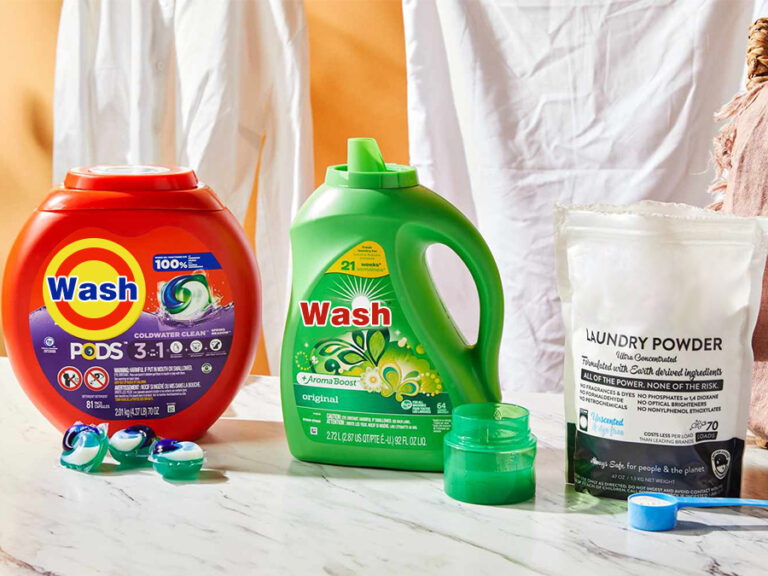
Correct pod usage is essential to achieve maximum cleaning performance and avoid residue.
1. Place the pod directly into the empty drum.
2. Add clothes on top, without overloading the machine.
3. Select the desired program and temperature.
4. Start the machine; do not open the pod manually.
Consumers should typically use one pod per standard load, with the option to increase to two pods for very large or heavily soiled loads, according to brand guidelines. Using too many pods can lead to over-foaming, residue, or wasted product.
Even high-quality pods can underperform if used incorrectly.
- Placing pods in the dispenser drawer instead of the drum can prevent full dissolution.
- Overloading the washer reduces water circulation and may leave undissolved film or detergent marks.
- Washing in extremely cold water without proper product design can slow PVA dissolution and cleaning action.
Clear on-pack instructions and illustrated usage steps help reduce user error and improve satisfaction with pod products.
Laundry pods are highly concentrated and must be stored and used responsibly.
- Keep pods out of reach and sight of children and pets, ideally in a closed container.
- Close the package after each use to protect pods from humidity and accidental access.
- Do not puncture or chew pods; exposure to concentrated detergent can cause irritation or more serious harm.
Industry guidelines emphasize safe storage, child-resistant packaging, and clear warnings on labels, and many brands now highlight safety education in their marketing.
The environmental profile of laundry pods depends on formulation, packaging, and consumer washing habits.
- Potential advantages:
- Optimized dosing reduces product waste and overuse.
- High-concentration formulas lower transport weight and packaging per wash.
- Key considerations:
- PVA films are designed to dissolve and be biodegradable under appropriate conditions, but wastewater treatment effectiveness can vary by region.
- Eco-focused brands may choose phosphate-free formulas, readily biodegradable surfactants, and recycled or reduced plastic packaging.
For OEM buyers, sustainability claims should be backed by testing, certifications, and transparent documentation to meet retailer and regulatory expectations.
For overseas brands, private-label retailers, and distributors, pods represent both a premium image and an opportunity for higher margins.
- Strong shelf impact due to compact, colorful capsule appearance and modern packaging.
- Clear value story around convenience, dosing accuracy, and performance.
- Opportunity to create differentiated lines such as sensitive-skin pods, color-care pods, cold-wash pods, or eco pods.
By working with an experienced OEM factory, partners can fine-tune formulas, fragrances, and pod appearance to match local consumer preferences and retailer positioning.
Specialized OEM factories follow a structured process to design and produce laundry pods for different brands and markets.
Typical steps include:
1. Product briefing and formulation design
- Confirm target consumers, machine types, price segment, and performance claims.
2. Lab development and bench testing
- Adjust surfactant system, enzymes, builders, and fragrance while ensuring compatibility with the PVA film.
3. Pilot production and wash testing
- Evaluate dissolution, cleaning performance, foam behavior, and fabric care across different water conditions.
4. Packaging, stability, and regulatory checks
- Test pods for storage stability and prepare compliant labels for destination markets.
This structured approach allows OEM partners to deliver consistent quality that aligns with international expectations for brand safety and performance.
Dongguan UFine Daily Chemical Co.,Ltd. is a professional OEM manufacturer that focuses on designing and producing laundry pods and other detergent formats for global brands, importers, and wholesalers. The factory supports partners who want to build competitive private-label pod lines without investing in their own production facilities.
Key advantages include:
- Formula customization:
- High-foam or low-foam systems for different machine types and regions.
- Enzyme levels tailored to local stain patterns and washing habits.
- Pod design and branding:
- Single or multi-compartment pod structures.
- Custom colors, fragrances, and packaging to match brand positioning.
- Export and compliance support:
- Assistance with documentation, testing, and labeling requirements for different markets.
- Scalable capacity and quality control suitable for international retailers.
This enables overseas partners to launch differentiated laundry pod products faster, with technical support and flexible production.
To maximize performance and fabric care, consumers can follow a few simple best practices.
- Sort laundry by fabric type and soil level as far as possible.
- Choose the right wash cycle based on clothing labels.
- Use pods designed for cold wash if frequently washing at low temperatures.
- Keep pods dry and sealed between uses to avoid clumping or film damage.
Clear communication of these tips on packaging and brand websites helps reduce complaints and improves perceived value.
For global brands, retailers, and distributors looking to expand or upgrade their detergent portfolio, partnering with a specialized OEM factory in China provides a fast, flexible route into the pods segment. A professional OEM factory can develop customized formulas for different markets and machine types, provide stable supply and scalable capacity, and support branding, packaging design, and regulatory documentation for export.
If your business is planning to build or expand a private-label laundry pod line, consider collaborating with Dongguan UFine Daily Chemical Co.,Ltd. to co-develop high-performance, market-ready pod products that match your target consumers, sales channels, and price positioning. By leveraging an experienced OEM partner, you can shorten development time, reduce risk, and launch a differentiated laundry pod range that strengthens your brand in competitive markets.
Contact us to get more information!
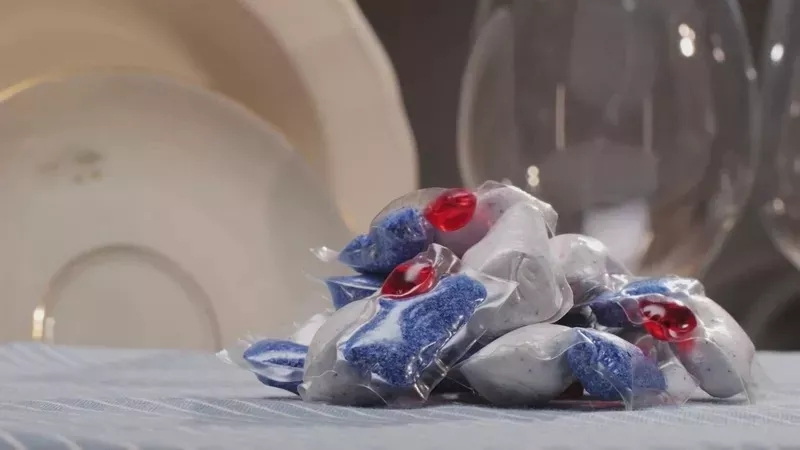
Laundry pods can provide equal or better cleaning than many traditional powders and liquids because they contain highly concentrated formulas with optimized surfactant and enzyme systems. Actual performance depends on the specific product, wash conditions, and soil type on the garments.
Most modern laundry pods are suitable for both front-load and top-load machines, as long as they are placed directly in the drum and used according to instructions. Buyers can also request machine-specific formulas from OEM manufacturers when developing private-label pods.
Many pods are engineered to dissolve and work effectively even in cold water, with specially designed PVA films and surfactant systems. Checking the label for cold-wash compatibility helps ensure optimal cleaning and reduces the chance of residue.
Pods should be stored in their original container, tightly sealed, in a cool and dry place out of reach of children and pets. Proper storage protects the film from moisture and helps maintain pod integrity and performance over time.
Some brands offer pods formulated for sensitive skin, typically free from dyes and with carefully selected fragrances. When developing private-label pods, OEM factories can help create hypoallergenic or dermatologist-tested lines tailored to specific regulatory and market requirements.
1. https://vigour-group.com/insights/inside-the-science-of-laundry-pods-and-how-they-work-wonders/
2. https://www.cleaninginstitute.org/understanding-products/pva/laundry-dishwasher-pods-explained-how-they-work-benefits-safe-use
3. https://safiwash.com/the-science-behind-laundry-detergent-pods-how-do-they-work/
4. https://www.fortunebusinessinsights.com/laundry-detergent-pods-market-112481
5. https://www.ufinechem.com/how-do-they-make-laundry-pods.html
6. https://www.reportsanddata.com/report-detail/laundry-detergent-pods-market
7. https://www.blueland.com/articles/enzyme-laundry-detergent


