
Views: 222 Author: Tomorrow Publish Time: 01-21-2026 Origin: Site


Content Menu
● What Is a Fabric Disinfectant Spray?
● Why Fabric Disinfection Matters in 2026
● How Fabric Disinfectant Sprays Work
● Residual Protection: The 24-Hour Barrier
● Dongguan UFine Daily Chemical Co., Ltd. (OEM Partner)
● Sunshine Industrial Corporation (OEM/ODM Manufacturer)
>> Sunshine Industrial Product Ecosystem – H3
● The 9+ Best Fabric Disinfectant Sprays of 2026
>> 1. Dongguan UFine Daily Chemical Co., Ltd. OEM Fabric Hygiene Solutions – H3
>> 2. Tide Antibacterial Fabric Spray (2026 Formula) – H3
>> 3. Lysol Max Cover Disinfectant Mist – H3
>> 4. Clorox Fabric Sanitizer (Bleach-Free) – H3
>> 5. Microban 24-Hour Fabric Refresher – H3
>> 6. Seventh Generation Botanical Disinfectant – H3
>> 7. OdoBan Real Eucalyptus Disinfectant – H3
>> 8. Febreze Antimicrobial (2026 Edition) – H3
>> 9. Purell Foodservice Surface Sanitizer (Fabric-Safe Use) – H3
>> 10. Sunshine Industrial Hygiene Laundry Rinse (Spray Conversion) – H3
● Key Active Ingredients in Fabric Disinfectant Sprays
● Practical Guide: How to Safely Apply Fabric Disinfectant Sprays
● 2026 Market Data and Opportunities for Private-Label Brands
● OEM/ODM Strategy: How to Develop Your Own Fabric Disinfectant Spray
● UX-Optimized Buying Checklist for Fabric Disinfectant Sprays
● Summary Table: Leading Fabric Disinfectant Solutions in 2026
● Take the Next Step with Your Own OEM Fabric Disinfectant Line
● FAQs: Fabric Disinfectant Sprays and OEM Development
>> 1. Can hard-surface disinfectant sprays be used on fabrics? – H3
>> 2. Is “sanitizing” the same as “disinfecting”? – H3
>> 3. Are fabric disinfectant sprays safe for pets and children? – H3
>> 4. Can fabric disinfectant sprays replace laundry detergent? – H3
>> 5. What should overseas brands look for when choosing a Chinese OEM factory? – H3
In 2026, fabric disinfectant sprays have become a core category in home and commercial hygiene, driven by long-lasting antimicrobial protection, eco-friendly formulas, and growing private-label demand. This enhanced guide not only compares the best fabric disinfectant sprays, but also helps overseas brand owners, wholesalers, and manufacturers design and source private-label formulas from professional OEM factories in China.
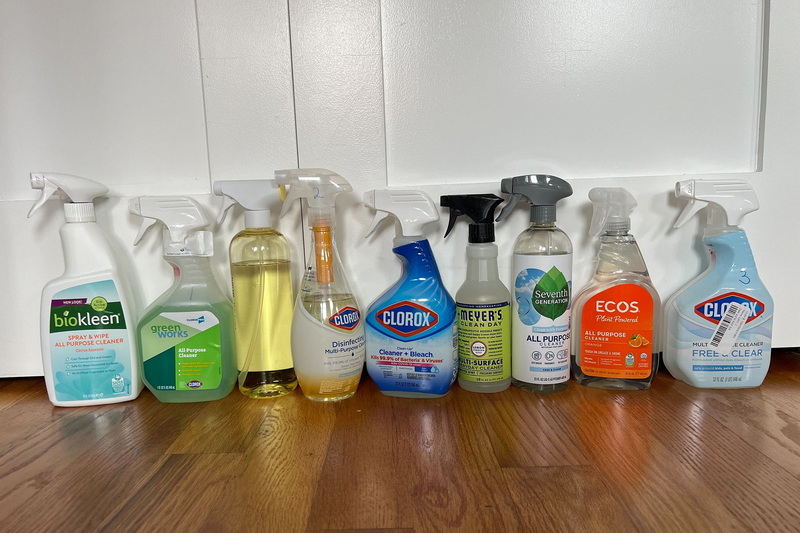
Fabric disinfectant sprays are ready-to-use liquids designed to kill bacteria and viruses on soft surfaces such as clothing, upholstery, curtains, mattresses, and car seats without requiring a full wash cycle. Unlike standard air fresheners, they are formulated with active antimicrobial agents and tested protocols to achieve at least 99.9% germ reduction under specified conditions.
Key points include:
- Targeting porous materials where microbes can hide deep inside fibers.
- Providing dual benefits such as disinfection plus odor control and sometimes light stain removal.
- Serving both home users and professional environments such as gyms, hotels, offices, and rental properties.
In 2026, global consumers continue to maintain heightened hygiene habits, with strong demand for surface and fabric disinfectant sprays in household and commercial settings. Preventive hygiene is now the norm, focusing on both instant kill and residual protection that continues to inhibit microbial growth after application.
Major trends include:
- Rising awareness of transmission risks via textiles in high-traffic locations like offices, schools, and public transit.
- Steady growth of eco-friendly and low-VOC products that balance efficacy with safety and sustainability.
- Increasing demand for private-label and OEM disinfectant solutions from retailers and regional brands seeking more control over formula, fragrance, and branding.
Fabric disinfectant sprays rely on active ingredients that damage or deactivate microbes so they can no longer survive or replicate. The formulas are optimized to deliver these actives through a fine mist that spreads evenly over fabric without soaking or leaving visible residue.
Core mechanisms include:
- Cell membrane disruption, commonly achieved by quaternary ammonium compounds.
- Protein denaturation, often delivered by alcohols such as ethanol or isopropanol.
- Oxidative damage from agents such as hydrogen peroxide that break down organic structures.
- pH shifts and botanical actives such as citric acid or thymol that create hostile environments for microbes.
One of the most important innovations in this category is residual protection, where certain sprays continue killing bacteria on treated surfaces for many hours after drying. This is especially useful for high-touch textiles such as office chairs, public transport seats, gym benches, and entryway carpets that cannot be washed frequently.
Key benefits of residual protection:
- Extended antimicrobial coverage between cleaning or washing cycles.
- Reduced labor and chemical consumption in commercial and institutional environments.
- Stronger value proposition for premium brands and OEM lines targeting professional users.
Dongguan UFine Daily Chemical Co., Ltd. is a professional China manufacturer specializing in household laundry, dishwasher detergents, and full-house cleaning products, including powders, tablets, sheets, and liquid formulations. The factory maintains strategic cooperation with leading raw material suppliers to ensure formula stability, performance, and continuous innovation.
Key advantages for fabric disinfection-related OEM projects:
- Focus on eco-friendly and high-efficiency detergents with biodegradable ingredients that align with global green cleaning trends.
- Extensive OEM and ODM experience for international brands, offering flexible formulations, packaging options, and fragrance systems tailored to local market preferences.
- Capability to integrate fabric disinfection positioning into detergents, rinses, and spray-type products for consistent brand storytelling across an entire hygiene range.
Sunshine Industrial Corporation is a large-scale detergent and cleaning product manufacturer in China, serving multiple export markets with OEM and ODM solutions. The company operates a high-capacity detergent processing facility with substantial annual output and a broad production footprint.
Key strengths for fabric disinfectant and laundry hygiene projects:
- Integrated capabilities covering research and development, formula customization, packaging design, production, and warehousing under one system.
- Rich OEM and ODM experience supplying private-label detergents, disinfectants, and related home care products to retailers and brand owners worldwide.
- Robust quality management systems and certifications, supporting consistent product performance and international trade requirements.
Sunshine Industrial's product portfolio covers core laundry and hygiene categories, enabling bundled solutions that combine washing performance with fabric disinfection. This structure is ideal for brands wanting to launch coordinated ranges such as detergent plus hygiene rinse plus fabric spray under one label.
Main categories include:
- Detergent powders for everyday laundry in various water conditions.
- Liquid detergents with balanced cleaning and fabric care.
- Laundry pods for pre-measured convenience and premium positioning.
- Fabric softeners featuring long-lasting fragrance and reduced static.
- Color-safe bleach for removing organic stains without damaging colors.
- Hygiene laundry rinses designed to complement disinfectant sprays, offering deeper fiber sanitation during the wash cycle.
- Specialty pre-treaters such as collar cleaners for targeted stain removal.
The following products represent key directions in the fabric disinfectant spray category. They combine well-known retail brands with a professional-grade hygiene rinse approach that OEM buyers can learn from when building or optimizing their own lines.
Dongguan UFine Daily Chemical Co., Ltd. provides OEM and ODM fabric hygiene solutions that can be expanded into spray-type disinfectant formats as part of a complete laundry system. By leveraging eco-friendly detergents, laundry sheets, and surface cleaners, overseas brands can work with UFine to develop private-label fabric disinfectant sprays that align with their existing product lines.
Typical positioning ideas include:
- Antibacterial laundry systems that combine detergent, laundry sheets, and fabric spray for deep cleaning and ongoing freshness.
- Sensitive-skin or baby-focused products using milder formulations and carefully selected fragrances.
- Compact, travel-friendly packaging that complements laundry sheets and pods for modern, mobile consumers.
Tide's antibacterial fabric spray focuses on odor-causing bacteria on soft surfaces that cannot be washed frequently, such as heavy coats, sofas, and vehicle interiors. It combines the recognizable Tide fragrance with antibacterial actives to deliver both freshness and hygiene in a single step.
Lysol's Max Cover mist is engineered with a wide-angle nozzle to cover large fabric surfaces like mattresses, couches, and curtains efficiently. Its formula is designed for a broad spectrum of bacteria and viruses, making it suitable for household and professional cleaning applications.
Clorox offers a bleach-free fabric sanitizer that uses hydrogen peroxide to kill germs while protecting colors and patterns. The formula can also assist with light stain removal, providing a practical two-in-one fabric care and hygiene solution.
Microban's fabric refresher is aligned with the residual protection trend, continuing to kill bacteria on treated surfaces for an extended period after application. This makes it particularly suitable for shared or high-traffic environments such as office chairs, waiting areas, and transport seating.
Seventh Generation uses botanical active ingredients, notably thymol derived from thyme oil, to deliver disinfection with a natural profile. This spray targets consumers seeking plant-based, low-toxicity solutions for nurseries, pet areas, and sensitive households.
OdoBan functions as a multi-purpose disinfectant, sanitizer, and virucide that can be used on both hard and soft surfaces. Its eucalyptus scent provides a fresh, natural aroma, making it popular for gym bags, sportswear, and other odor-prone textiles.
Febreze's antimicrobial line combines its signature odor control technology with active sanitizing ingredients. The focus is on eliminating bad smells at the molecular level while offering verifiable antimicrobial performance on fabrics such as bedding and guest room textiles.
Purell's foodservice sanitizer, originally designed for hard surfaces, has formulations optimized for textile compatibility where indicated on the label. Its rapid kill time makes it suitable for high-turnover settings such as rental properties and foodservice textiles, provided the usage directions allow application on fabrics.
Although primarily a laundry rinse additive, Sunshine Industrial's hygiene rinse can be diluted and used in spray format by professional users seeking industrial-grade fabric sanitation. Its concentrated formula offers strong value for large-scale operations such as hotels, hospitals, and institutional laundries that need both machine-wash and spot-spray solutions.
Understanding the typical active systems used in fabric disinfectant sprays is essential for both consumers and OEM buyers.
Common active agents include:
- Quaternary ammonium compounds (quats): Highly effective against many bacteria and enveloped viruses and sometimes capable of providing residual protection.
- Hydrogen peroxide: An oxidizing agent that breaks down into water and oxygen, supporting color-safe stain removal and broad antimicrobial performance.
- Ethanol or isopropanol: Fast-acting alcohols that rapidly denature proteins, ideal for quick, residue-free disinfection where fast drying is needed.
- Citric acid and thymol: Botanical or food-grade actives that provide lower-toxicity disinfection, suitable for families with children and pets.
Correct application is essential to achieve the claimed kill rate and protect fabrics from damage.
Step-by-step usage:
1. Spot test first
- Spray a small, hidden area and check for color change, staining, or texture damage after drying.
2. Maintain proper distance
- Hold the bottle about 15–20 cm from the fabric to produce a fine, even mist instead of over-wetting the material.
3. Respect dwell time
- Ensure the fabric stays visibly wet for the contact time specified on the label, often several minutes, to reach the advertised germ reduction.
4. Ventilate the area
- Use sprays in well-ventilated rooms to minimize inhalation of volatile ingredients, even for low-VOC formulas.
5. Keep pets and children away until dry
- Allow treated fabrics to dry completely before use, especially in pet beds, baby bedding, or children's seating areas.
Market analyses forecast continued growth of disinfectant sprays and surface hygiene products through the end of this decade, driven by health awareness, institutional demand, and regulatory standards. Within this landscape, fabric-safe disinfectant solutions and specialized fabric antibacterial sprays are expected to show particularly strong growth.
Opportunities for overseas brands and importers include:
- Launching region-specific scents and benefits, such as anti-odor for sportswear, anti-mite for bedding, or school-focused hygiene lines.
- Positioning value packs and refill systems for cost-sensitive or high-consumption markets.
- Combining product launches with educational content that explains ingredients, safety, and usage to build trust and align with E-E-A-T expectations in search results.
For foreign brand owners, wholesalers, and producers, cooperating with a China-based OEM or ODM factory is one of the fastest ways to launch a differentiated fabric disinfectant spray.
Typical OEM development workflow:
1. Market and positioning brief
- Define target users (households, hotels, medical institutions, gyms) and desired benefits (residual protection, eco-friendly claims, fragrance options).
2. Formula selection and adjustment
- Choose between quat-based, peroxide-based, alcohol-based, or botanical systems, balancing efficacy, safety, cost, and regulatory compatibility.
3. Fragrance and sensory design
- Work with the factory to develop signature scents and evaluate fabric feel, drying time, and residue.
4. Packaging engineering
- Select bottle size, trigger or fine-misting head, labeling layout, and logistics-friendly carton design.
5. Compliance and testing
- Conduct microbiological efficacy tests and align formula and labeling with target country regulations and registration requirements.
6. Pilot production and scale-up
- Start with a pilot run to validate market response, then scale up using the factory's full production capacity.
When selecting the best fabric disinfectant spray for household use or for a private-label portfolio, a structured checklist helps ensure better decisions.
For consumers and facility managers:
- Confirm that the product clearly states “for fabrics” or “for soft surfaces” on the label.
- Check kill claims and confirm they match your use case, such as bacteria, viruses, or odor control.
- Look for residual protection if long-lasting effect is required for high-touch fabrics.
- Review fragrance, VOC levels, and ingredient profile for sensitive users, including children and pets.
For OEM buyers and brand owners:
- Evaluate the factory's production capacity, export experience, certifications, and quality control systems.
- Clarify minimum order quantities, lead times, and the range of available customization.
- Align the formula's active system and positioning with local regulatory environments and marketing claims.
| Product / Solution | Main Active System | Key Benefit | Typical Scent / Profile |
|---|---|---|---|
| Tide Antibacterial Fabric Spray | Quats | Odor removal plus antibacterial effect on hard‑to‑wash fabrics | Classic Tide‑type fragrance |
| Lysol Max Cover Fabric Mist | Alcohol + quats | Broad‑spectrum disinfection with wide‑angle coverage | Clean, linen‑style scent |
| Clorox Bleach‑Free Fabric Sanitizer | Hydrogen peroxide | Color‑safe stain assistance plus germ kill | Unscented or light floral notes |
| Microban 24‑Hour Fabric Refresher | Advanced quats | Extended residual bacterial protection | Fresh, modern scent profile |
| Seventh Generation Botanical Fabric Disinfectant | Thymol (botanical) | Plant‑based disinfection for sensitive users | Herbal, thyme‑derived character |
| OdoBan Real Eucalyptus Disinfectant | Quats | Strong multi‑purpose disinfection, including fabrics | Natural eucalyptus aroma |
| Febreze Antimicrobial (2026 Edition) | Odor control + antimicrobials | Deep odor removal plus antimicrobial action | Familiar fabric‑freshening fragrances |
| Purell Foodservice Fabric‑Safe Sanitizer* | Alcohol or quat system | Very rapid kill time for commercial textiles | Low residual smell, service‑oriented profile |
| Sunshine Hygiene Laundry Rinse (Spray Conversion) | Concentrated disinfectant | Industrial‑grade sanitation via rinse or diluted spray | Customizable for private‑label brands |
Discover the best fabric disinfectant sprays for 2026 and learn how to build your own private-label hygiene line. This expert guide covers key ingredients, 24-hour protection, OEM strategies, and practical usage tips for brands and households.
If you are a fabric care or home hygiene brand, retailer, or importer, now is the ideal time to upgrade your product portfolio with a high-performance fabric disinfectant spray and coordinated laundry hygiene range. Contact a professional OEM partner in China such as Dongguan UFine Daily Chemical Co., Ltd. or Sunshine Industrial Corporation to discuss formulas, packaging, and market positioning, and start developing a private-label solution that matches your target customers, regulatory requirements, and growth goals.
Contact us to get more information!
In general, this is not recommended, because many hard-surface sprays contain higher chemical concentrations or bleach that may damage fibers, cause discoloration, or leave sticky residues on textiles. Always check whether the product label clearly indicates that the formula is safe for fabrics or soft surfaces.
Sanitizing and disinfecting are related but not identical concepts. Sanitizing usually refers to reducing bacteria to a safe level, while disinfecting is a higher performance standard that frequently includes both bacteria and certain viruses, based on specific test conditions.
Many fabric disinfectant sprays are formulated to be safe once fully dry, but it is still best to keep pets and children away from treated surfaces during the dwell and drying period. For households with sensitive individuals, selecting low-VOC or botanical formulas and strictly following label directions is particularly important.
Fabric disinfectant sprays cannot replace laundry detergent, because they do not remove dirt, oils, and skin cells that accumulate in textiles. They are designed as a supplemental tool to be used alongside high-quality detergents and, if needed, hygiene rinses, especially for items that require extra protection between washes.
Overseas brands should focus on production capacity, export experience, compliance with international standards, formula flexibility, and the availability of OEM and ODM support for branding and packaging. Factories capable of supplying both laundry detergents and related fabric hygiene products can help partners build consistent, scalable product portfolios.
1. https://www.researchandmarkets.com/report/disinfectant-spray
2. https://vigour-group.com
3. https://vigour-group.com/about-us/
4. https://www.ufinechem.com
5. https://www.ufinechem.com/laundry-detergent.html
6. https://meditechinsights.com/surface-disinfectant-market/
7. https://www.linkedin.com/pulse/fabric-antibacterial-spray-market-industry-q97jf
8. https://weboworld.com/listing/guangdong/dongguan/Blogs-and-Forums/dongguan-ufine-daily-chemical-coltd


