
Views: 222 Author: Tomorrow Publish Time: 12-24-2025 Origin: Site


Content Menu
● Why You Should Not Pop Open a Dishwashing Pod
>> 1. They Are Designed for Direct Use
>> 4. Risk of Machine Problems
● What Happens If You Pop One by Accident?
● Proper Way to Use Dishwashing Pods
● Environmental Impact of Dishwashing Pods
● Benefits of Using Dishwashing Pods vs. Traditional Detergents
● Myths and Misconceptions About Dishwashing Pods
>> Myth 1: Popping the pod makes it dissolve faster
>> Myth 2: Pods can damage glassware
>> Myth 3: Two pods clean better than one
>> Myth 4: Pods are not safe for septic systems
>> Myth 5: It's okay to cut open pods for use in smaller loads
● Best Practices for Storing Dishwashing Pods
● Additional Tips for Better Dishwasher Results
>> 1. Do you have to pop open dishwashing pods before using them?
>> 2. Can I use dishwashing pods in an older model dishwasher?
>> 3. What should I do if a pod doesn't dissolve fully?
>> 4. Are dishwashing pods safe for septic systems?
>> 5. How should I store dishwashing pods to make them last longer?
Dishwashing pods have transformed the way people clean their dishes, offering convenience, accuracy, and efficiency all in one tiny package. Yet, many first-time users find themselves hesitating before using one, wondering if they're supposed to pop open the dishwashing pod before putting it in the dishwasher. The answer is simple: No, you should never pop open a dishwashing pod.
This article dives deep into why you shouldn't open them, how they work, what happens if you accidentally break one, and how to properly handle them for the best cleaning results.

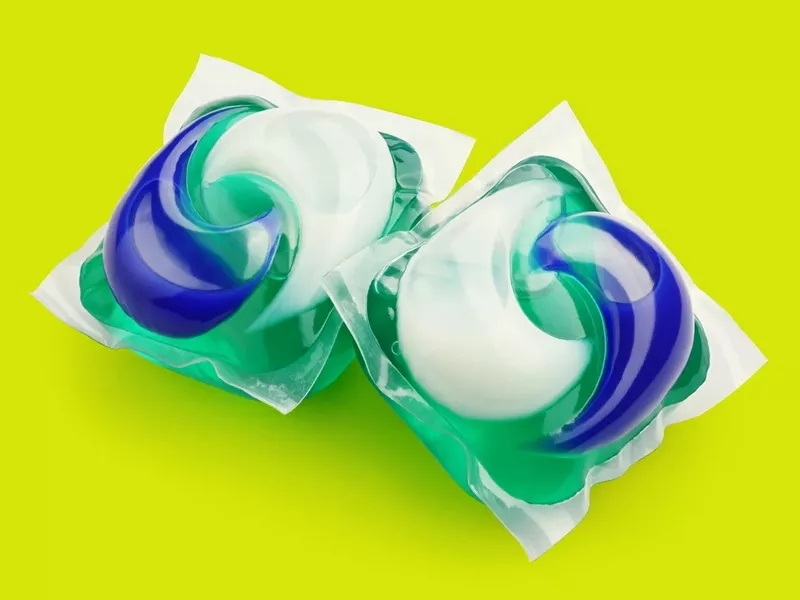
Dishwashing pods, sometimes called detergent capsules or tabs, are small, pre-measured packets containing highly concentrated dishwashing detergent. Each pod is wrapped in a thin, water-soluble film that dissolves completely during a wash cycle. Inside this film, manufacturers combine a precise mixture of cleaning agents such as surfactants, enzymes, and rinse aids.
Unlike traditional powders or liquids, which require users to pour and measure, pods eliminate guesswork. This precision helps prevent overuse, which can lead to soap residue, or underuse, which may leave dirty dishes. Additionally, pods are tidy, compact, and easy to store — perfect for modern homes looking for simplicity.
The film encasing the pod is usually made from polyvinyl alcohol (PVA). This biodegradable, non-toxic material dissolves entirely in water, leaving no trace behind.
Dishwashing pods are engineered for drop-in use. The film barrier is meant to stay intact until it dissolves during the wash cycle. Opening the pod defeats its purpose — you'll lose the carefully balanced dosage and potentially create a mess.
The detergent inside each pod is highly concentrated and can cause skin or eye irritation. It's designed to remain sealed until it comes into contact with water during the wash. Popping a pod open with your hands can expose you to these chemicals, making it unsafe especially for children or pets.
Opening the pod alters how the ingredients are released in the wash cycle. Detergent from broken pods may dissolve too early, failing to align with the rinse or cleaning phases. This can leave dishes looking cloudy or dirty even after a full cycle.
Pods are formulated to work seamlessly with your dishwasher's design and cycle settings. Pouring the exposed detergent directly into the machine may cause over-foaming, clogs, or improper cleaning. The precision in dosage and release timing is key to the pod's success.
When you puncture the film, the detergent might spill or dry out quickly. Once exposed to air, the concentrated ingredients start losing their effectiveness, meaning you'll have to discard them sooner.
Dishwashing pods operate through a controlled chemical release process. When the wash cycle starts, hot water sprays into the detergent compartment. The PVA film dissolves almost instantly, releasing detergent into the wash chamber.
The pod's internal design is often divided into chambers, allowing ingredients to act separately and sequentially:
- Enzymes target food residue such as starch and protein, breaking down particles so they can rinse away easily.
- Surfactants lift off grease, oils, and grime from dishes and cutlery.
- Bleaching agents remove stubborn stains like coffee or tea marks.
- Rinse aids help water sheet off dishes properly, preventing spots and streaks.
Because of this timing and separation, the pod provides a superior clean compared to mixing all ingredients at once, which explains why it's important not to pop the film open.
Accidents happen — perhaps you grabbed a pod with wet fingers and the film weakened, or you squeezed it too hard. If a pod breaks:
1. Avoid touching your face or eyes.
2. Rinse any contact area with water immediately.
3. Do not reuse the opened pod. The detergent may already be clumped or partially dissolved.
4. Clean the spilled detergent carefully. Detergent is slippery; use cold water and a cloth to prevent spreading.
5. Replace with a fresh pod for the wash cycle.
Opening a pod unintentionally isn't dangerous to the appliance, but for your safety and the best results, it's recommended to dispose of damaged pods properly.
Here's a simple, foolproof process for using dishwashing pods correctly:
1. Keep your hands dry. Wet fingers can weaken the pod's film.
2. Open your dishwasher's detergent compartment. This is typically on the inside of the door.
3. Place the pod directly inside the compartment. Do not put it loose in the drum unless the manufacturer says so.
4. Close the compartment and start your preferred cycle. Use standard or intensive settings for best dissolution results.
Avoid stacking multiple pods; one pod is sufficient for a full load. Adding more detergent can actually result in cloudy glasses or soapy residue.
Though dishwashing pods are designed for simplicity, misuse can reduce their effectiveness. Common mistakes include:
- Placing the pod incorrectly: Always use the designated detergent slot.
- Running short cycles: Quick or eco cycles may not allow enough time for full dissolution.
- Overcrowding the dishwasher: Water must reach all surfaces, including the detergent door.
- Using pods with prewash cycles: The detergent may release too early if the compartment opens during prewash.
- Touching with wet hands: This prematurely initiates dissolution.
Understanding these points ensures that you get consistently sparkling dishes every time.
Many consumers worry about whether pods are eco-friendly. Fortunately, modern manufacturing has improved dramatically. Most reputable brands design pods with biodegradable, water-soluble films, and phosphate-free detergents, reducing ecological damage.
Compared to powders and liquids, pods often minimize waste because they prevent overuse and reduce packaging. However, because they contain concentrated chemicals, they should still be handled responsibly:
- Store pods in a sealed, dry container away from children's reach.
- Do not flush or dissolve pods unnecessarily — dispose of damaged ones with household waste.
- Opt for eco-labeled brands, which use plant-based enzymes and recyclable packaging.
By making informed choices, consumers can support sustainability while enjoying the benefits of this modern cleaning solution.
| Feature | Dishwashing Pods | Liquid/Powder Detergent |
|---|---|---|
| Ease of use | Drop-in convenience, no measuring needed | Requires measuring or pouring |
| Consistency | Pre-measured dose ensures same performance | Can vary by amount used |
| Storage | Compact, sealed packaging | Bulkier storage containers |
| Hygiene | Hands-free, less mess | Higher chance of spills and drips |
| Cleaning quality | Timed multi-chamber release | Ingredients mix all at once |
| Cost | Slightly higher per load | Usually cheaper but less precise |
Over time, many users find that pods save money indirectly by improving dishwasher efficiency and preventing detergent waste.
False. The PVA film dissolves in seconds once water hits it. Opening it early only disrupts the internal balance.
False. When used properly, pods actually help prevent mineral buildup thanks to rinse aid components.
False. More detergent does not mean cleaner dishes. It increases the risk of soap scum and poor rinsing.
False. Many brands now offer septic-safe and biodegradable options.
False. The exact chemical balance is designed for full loads only. Cutting a pod introduces contamination and ruins measurement accuracy.
Proper storage extends a pod's life and effectiveness:
- Keep pods sealed tightly in their original container.
- Avoid heat or humidity. Store them in a cool, dry cabinet.
- Do not transfer pods to open bowls or jars where they may absorb moisture.
- Keep out of reach of children and pets. The colorful appearance can be mistaken for candy.
Using a moisture-proof box or resealable bag can significantly increase their durability.
Even when using pods correctly, overall cleaning quality depends on maintenance and technique:
- Scrape, don't rinse dishes. Modern detergents are designed to work with slight residue; rinsing may reduce enzyme activity.
- Clean the spray arms monthly. Clogged holes prevent proper water flow.
- Check water hardness. In very hard water areas, add a suitable salt or softener.
- Rinse the filter regularly. Leftover debris can interfere with detergent efficiency.
- Run an empty cycle with cleaner regularly to remove grease buildup inside the machine.
When combined with responsible pod use, these habits maintain your dishwasher's performance for years.
You do not need to pop open a dishwashing pod before using it—and you absolutely shouldn't. Each pod is carefully engineered with a water-soluble outer film that releases the perfect amount of detergent during your dishwasher's cycle. Opening or cutting a pod exposes you to concentrated chemicals, reduces washing efficiency, and can cause unnecessary waste.
When used as directed, dishwashing pods simplify cleaning, protect your appliance, and deliver sparkling results every time. Combining correct usage with good dishwasher maintenance ensures not only cleaner dishes but a more efficient and environmentally responsible kitchen routine.
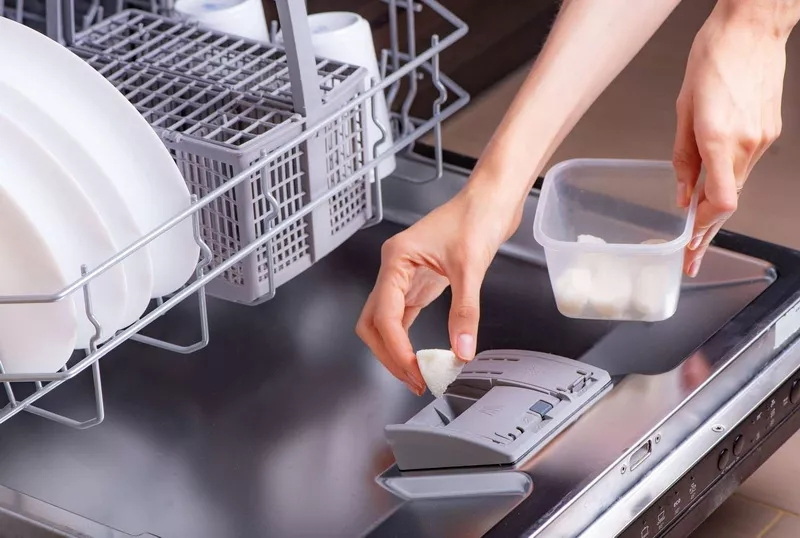
No. The pod's outer film is water-soluble and designed to dissolve automatically. Popping or cutting it will release the detergent prematurely and may affect cleaning quality. Always place it whole in the detergent dispenser.
Yes, pods are compatible with most machines as long as the water reaches the correct temperature. For best results, use a standard or high-temperature cycle.
Check if overcrowded dishes blocked the dispenser or if the water temperature was too low. Try using a longer cycle or ensuring the filter and spray arms are clean.
Yes, the majority of modern pods are formulated to be safe for septic systems. Choose eco-certified brands that break down naturally without harming the bacteria balance.
Keep them sealed in their original container, away from heat and moisture. Avoid storing them under the sink or near the dishwasher where steam could affect them.


