
Views: 222 Author: Tomorrow Publish Time: 01-24-2026 Origin: Site


Content Menu
● How Bleach Works in Dishwashing
>> Disinfection, Whitening, and Deodorizing
>> Why Dishwashers Already Sanitize Dishes
● Risks of Putting Bleach in Dishwasher With Dishes
>> Corrosion and Damage to Stainless Steel and Parts
>> Toxic Fumes From Mixing Cleaners
>> Health Concerns and Residues on Dishes
● When and How Bleach Can Be Used in a Dishwasher Safely
>> Check Your Dishwasher Material and Manual
>> Safe Bleach Use for Non-Stainless Models (Empty Cycle Only)
● Better Alternatives to Bleach in Dishwasher Cleaning
>> Dishwasher-Specific Cleaners and Detergents
>> Non-Chlorine Cleaning Methods
● Practical Steps to Keep Dishes Hygienically Clean Without Bleach
>> Deep Cleaning for Odor and Stain Issues
● OEM Perspective – Safer Bleach-Linked Solutions for Dishwashing Brands
>> Why Partner With a Professional OEM Detergent Factory
>> Formulating With Controlled Bleach or Oxygen Agents
● Suggested Summary Table for the Article
● Clear Action Call for Dishwashing Brands and Buyers
● FAQs About Bleach in Dishwashers
>> Q1. Is it safe to put bleach in a dishwasher with dishes?
>> Q2. Can I clean my dishwasher with bleach if it smells bad?
>> Q3. What happens if bleach touches stainless steel in the dishwasher?
>> Q4. Which cleaners should I avoid mixing with bleach in the dishwasher?
>> Q5. What is the best way to sanitize dishes without bleach in the dishwasher?
Many homeowners wonder if adding bleach to the dishwasher will make dishes cleaner and more sanitary, especially after illness or when dealing with tough stains and odors. However, using bleach in a dishwasher with dishes can damage materials, reduce appliance life, and even create harmful fumes in some situations.
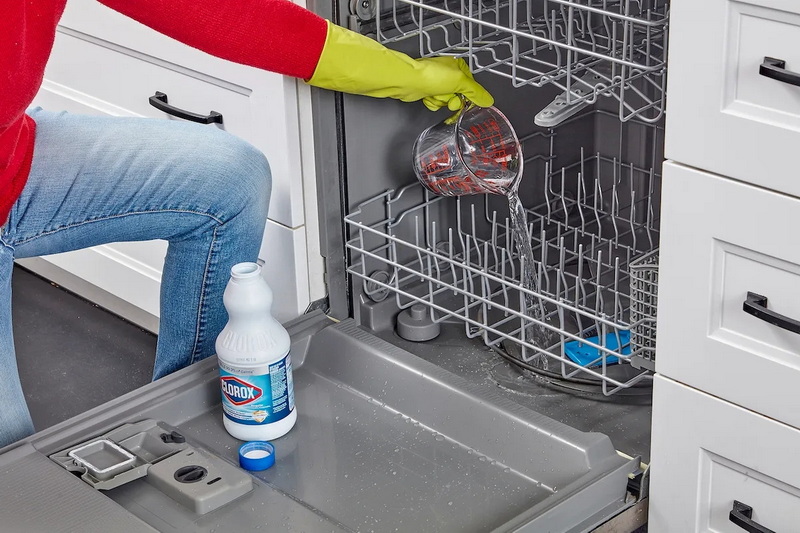
Bleach, typically chlorine bleach made from sodium hypochlorite, is a strong oxidizing agent used to kill germs and remove stains in household cleaning. When properly diluted, it disrupts the cell walls and proteins of microorganisms, helping to reduce bacteria, viruses, and mold on surfaces.
Bleach provides three main benefits: disinfection, whitening, and deodorizing. It can inactivate a wide range of germs when used at the correct concentration and contact time, lighten many stains on compatible materials, and reduce odors by breaking down organic molecules.
Modern dishwashers already rely on hot water, mechanical spraying, and detergent chemistry to clean and sanitize dishes effectively. Many machines include sanitize cycles designed to reach temperatures that significantly reduce common household germs without needing extra disinfectants.
Using bleach incorrectly in a dishwasher carries several material, safety, and health risks that usually outweigh the potential benefits. These risks affect both the appliance and the people using it.
Chlorine bleach can corrode stainless steel tubs, racks, and metal components inside the dishwasher, causing pitting, rust, and discoloration. Rubber seals, gaskets, and some plastics may also degrade, harden, or become discolored after repeated exposure to bleach, increasing the risk of leaks and malfunction.
One of the most serious dangers is mixing bleach with other cleaning chemicals inside the dishwasher. When bleach contacts ammonia or certain acidic products, it can release toxic gases such as chloramine or chlorine gas. These gases can irritate the eyes, nose, throat, and lungs, and may cause breathing difficulties, especially in enclosed spaces.
If bleach is used in a dishwasher with dishes, residues can remain on plates, glasses, cutlery, and food-contact surfaces. These residues may then come into contact with food, skin, and mouths during regular use. Direct contact with concentrated bleach can also cause skin and eye irritation during handling or accidental splashes.
For most households, the safest answer to whether you should put bleach in a dishwasher with dishes is no. In some limited cases, carefully measured bleach may be used to sanitize the dishwasher itself, but only on an empty cycle and only when allowed by the appliance design.
Before considering bleach, it is essential to check what your dishwasher is made of and what the manufacturer recommends. Many dishwashers have stainless steel interiors, and chlorine bleach can severely damage stainless steel. User manuals often warn against using bleach in stainless steel or mixed-metal dishwashers. Always follow the manufacturer's guidance on safe cleaning agents.
If the dishwasher interior is not stainless steel and the manufacturer does not prohibit bleach, some guidance allows occasional sanitizing with an empty cycle. In these cases, all dishes and utensils must be removed before use, and ventilation should be ensured. A small amount of unscented, regular chlorine bleach can be added to the empty dishwasher, and then a normal wash cycle can be run without detergent. This process should not be repeated frequently, and the appliance should be checked for early signs of wear or damage.
Even in situations where bleach is technically allowed, dedicated dishwasher cleaners are usually safer and more appliance-friendly than standard household bleach.
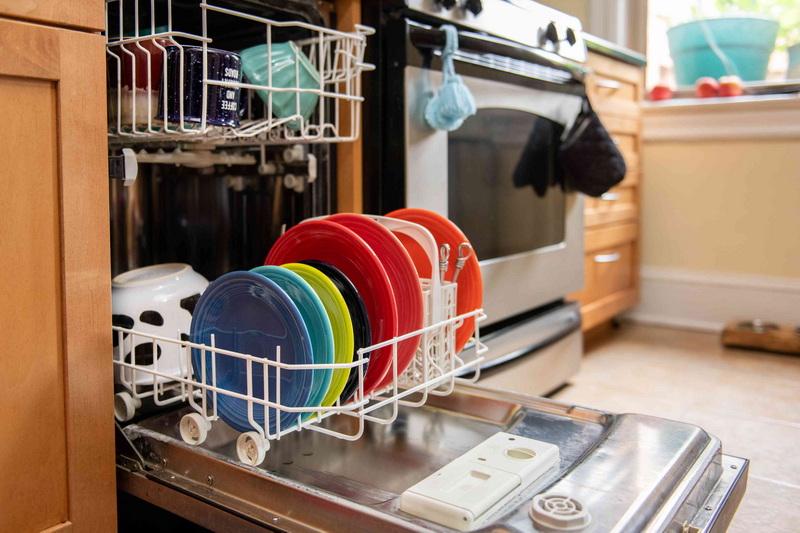
To protect both dishes and appliances, there are several bleach-free methods that can maintain hygiene and cleaning performance. These alternatives are designed to respect the materials and operating conditions inside modern dishwashers.
Many dishwasher detergents, powders, and pods already include built-in cleaning boosters such as oxygen cleaners or safe bleaching systems. These ingredients are balanced to remove stains and food soils while protecting stainless steel, plastics, and seals. Specialized dishwasher cleaning tablets help remove grease, limescale, and odor from the interior during maintenance cycles.
Non-chlorine methods can be very effective for household dishwashing. Hot water cycles, including sanitize programs, already reduce many common germs. Citric-acid-based cleaners or manufacturer-recommended descaling agents can remove hard water deposits and mineral buildup without the harshness of chlorine bleach. Regular manual cleaning of the filter, spray arms, and door gasket helps prevent odors and residue.
Instead of adding bleach to the dishwasher, users can follow a straightforward routine that keeps dishes safe, shiny, and odor-free. Consistency in these practices usually delivers better results than occasional extreme cleaning methods.
For daily use, it is helpful to scrape food scraps from dishes before loading, while avoiding full pre-washing that can reduce detergent efficiency. Running full loads with the correct dose of detergent ensures that there is enough cleaning action and that residues are minimized. Once a week or according to usage, a dedicated dishwasher cleaner or maintenance cycle can be run to keep the appliance in good condition.
When odors, cloudy glassware, or visible buildup appear, more detailed cleaning is useful. The dishwasher filter, spray arms, and door gasket can be removed or accessed and washed with mild detergent and warm water. For hard water stains and mineral residues, following the manufacturer's instructions for descaling products is safer than experimenting with bleach. If illness or contamination is a concern, using the sanitize cycle and approved dishwasher sanitation products can increase hygiene without adding household bleach into the wash.
For international dishwashing liquid brands, the focus should be on high-performance, appliance-safe formulations rather than encouraging consumers to pour raw bleach directly into dishwashers. Professional product design can deliver strong cleaning, shine, and hygiene while meeting safety and material-compatibility requirements.
Dongguan UFine Daily Chemical Co.,Ltd. can help brands and distributors move beyond simple bleach use toward advanced dishwashing solutions. A professional OEM factory can customize surfactant systems, bleaching technologies, and enzymes to match local water quality, appliance types, and consumer habits. Through stability testing and material-compatibility trials, products can be optimized to outperform do-it-yourself bleach approaches in both cleaning results and safety.
Instead of relying on free chlorine bleach poured directly into the appliance, brands can offer detergent products that integrate controlled oxidizing systems, such as oxygen bleach or encapsulated oxidizing agents. These systems can handle common stains like tea, coffee, and food residues while protecting stainless steel and plastics. Proper formulation also supports compliance with local regulations and clear labeling, helping consumers use the products correctly and safely.
| Scenario | Can You Use Bleach? | Key Risks | Safer Alternative |
|---|---|---|---|
| Bleach with dishes in any dishwasher | Generally not recommended | Corrosion, toxic fumes, residue on dishes | Standard detergent and sanitize cycle |
| Bleach in stainless‑steel dishwasher (empty or full) | Avoid | Pitting, rust, seal damage | Dishwasher cleaners and citric‑acid descalers |
| Bleach in non‑stainless dishwasher, empty cycle only | Possible in limited cases | Component wear, fume exposure | Dedicated dishwasher cleaning tablets |
| Routine dishwasher maintenance | No need for household bleach | Cumulative damage and safety concerns | Manufacturer‑approved cleaners and filter cleaning |
| Professional brand formulation | Do not rely on raw bleach | Safety, liability, risk of consumer misuse | OEM‑formulated detergents with controlled oxidizing agents |
Home users should avoid adding household bleach to dishwashers with dishes and instead rely on proven methods such as quality detergents, sanitize cycles, and appropriate dishwasher cleaners. If you are a dishwashing liquid brand, wholesaler, or private label buyer looking for high-performance yet appliance-safe dishwashing products, partner with Dongguan UFine Daily Chemical Co.,Ltd. to develop customized dishwasher liquids, powders, or pods with advanced cleaning systems. Contact the OEM team to discuss tailored formulations, performance testing, and long-term cooperation that will help your brand deliver safer, more effective dishwashing solutions to global markets.
Contact us to get more information!
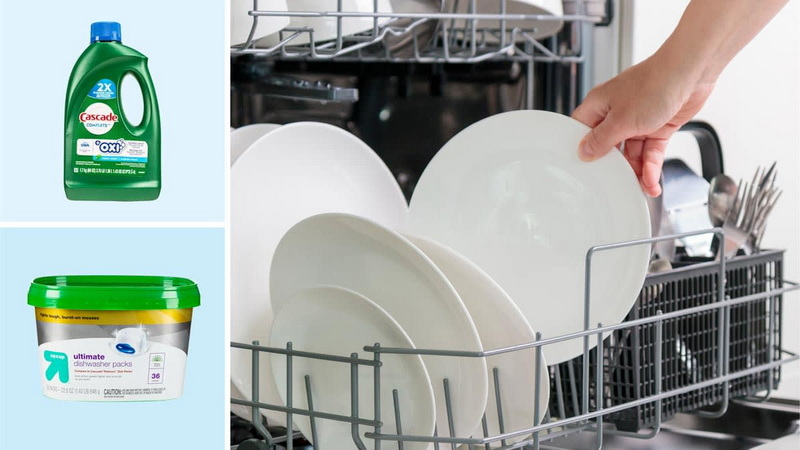
In most cases it is not considered safe to put bleach in a dishwasher with dishes, because it can damage the appliance, leave residues on dishes, and potentially generate harmful fumes when combined with other ingredients.
Bleach should only be considered for cleaning a dishwasher if the interior is not stainless steel, the manufacturer allows it, and the appliance is completely empty. Even then, specialized dishwasher cleaners are usually a safer and more reliable choice for dealing with odors.
Contact between chlorine bleach and stainless steel can cause pitting, rust, discoloration, and general corrosion over time. This damage may affect both the appearance and performance of the dishwasher.
Bleach should never be mixed with ammonia, acidic products, vinegar, or rubbing alcohol. These combinations can release hazardous gases that irritate the respiratory tract and can be dangerous in enclosed areas like kitchens.
The most reliable way to sanitize dishes without bleach is to use a dishwasher's sanitize cycle or a high-temperature wash in combination with a quality detergent. When extra hygiene is needed, approved dishwasher sanitizing products and proper loading practices help ensure thorough cleaning.
1. https://vigour-group.com/insights/is-it-ok-to-put-bleach-in-dishwasher-with-dishes/
2. https://dishwashertips.co.uk/blog/is-it-safe-to-use-bleach-in-dishwasher/
3. https://www.clorox.com/learn/how-to-sanitize-dishes-with-bleach/
4. https://dwellect.com/can-i-put-bleach-in-my-dishwasher/
5. https://useactive.com/can-you-use-bleach-in-a-dishwasher/
6. https://www.cdc.gov/hygiene/about/when-and-how-to-clean-and-disinfect-your-home.html
7. https://vigour-group.com/insights/the-8-best-dishwashing-liquid-for-dishwashers-in-2026/


