
Views: 222 Author: Tomorrow Publish Time: 01-24-2026 Origin: Site


Content Menu
● Core Definitions and Use Scenarios
● What Is Liquid Dish Detergent?
● Key Differences: Liquid Dish Detergent vs Dish Soap
>> Cleaning Power and Soil Types
>> Applications and Versatility
● Market Trends and Demand in 2025–2026
● Advantages of Dish Soap (Handwashing)
>> Why Dish Soap Still Matters
● Advantages of Liquid Dish Detergent (Dishwasher Use)
>> Why Automatic Dishwashing Needs Detergent
● Can You Substitute One for the Other?
>> Liquid Dish Detergent for Handwashing?
● Practical Selection Guide: Which One Should You Use?
>> When Dish Soap Is the Better Choice
>> When Liquid Dish Detergent Is the Better Choice
● Comparison Table: Liquid Dish Detergent vs Dish Soap
● OEM and Private-Label Opportunities
>> Building a Complete Dishwashing Portfolio
● Practical Usage Tips for Consumers and Operators
>> Best Practices for Better Results
● Clear Call to Action for OEM Buyers
>> Partner with a Professional OEM Dishwashing Manufacturer
● FAQs About Liquid Dish Detergent vs Dish Soap
>> FAQ 1. Can I use dish soap in my dishwasher?
>> FAQ 2. Is liquid dish detergent stronger than dish soap?
>> FAQ 3. Which is more eco-friendly: dish soap or liquid dish detergent?
>> FAQ 4. Why are liquids popular in the dishwashing products market?
Liquid dish detergent and dish soap are both designed to clean dishes, but they are built for very different environments, machines, and user needs. Understanding how they differ in composition, performance, safety, and market trends is essential for households, food-service operators, and brands that plan to develop their own dishwashing products with professional OEM partners.

Dish soap (often called dishwashing liquid) is a liquid cleaning product formulated primarily for handwashing dishes in the sink. It is usually a blend of surfactants and conditioning ingredients designed to remove grease while being relatively gentle on skin.
Key characteristics of dish soap:
- Use environment: Handwashing in a sink or basin.
- Foam level: High, with rich suds to visually signal cleaning.
- Skin contact: Includes milder surfactants and sometimes moisturizers.
- Typical pH: Moderately alkaline but generally gentler than machine detergents.
- Formats: Traditional bottles, concentrated liquids, bars, and some solid “block” soaps for sustainable refills.
Dishwashing liquid is also widely used beyond dishes for light household cleaning and degreasing small items, because of its versatile surfactant system.
Liquid dish detergent in this guide refers to detergent designed for automatic dishwashers, not handwashing. It is optimized for closed machines that use hot water jets, long cycles, and controlled rinsing rather than manual scrubbing.
Typical characteristics:
- Use environment: Automatic dishwashers in homes, horeca, and institutional kitchens.
- Foam level: Low or non-foaming to avoid overflow and pump damage.
- Chemistry: Stronger builders, enzymes, and sometimes bleach or oxygen-based oxidants.
- Performance: Designed for baked-on food, protein, starch, and tea or coffee stains.
- Formats: Liquids, gels, powders, pods, and tablets.
In many markets, “dishwashing liquid” can mean either hand dish soap or machine detergent depending on context, so label clarity is crucial for consumers and private-label brands.
The biggest difference is the formula design for skin contact versus closed-machine cleaning.
- Dish soap
- Focuses on surfactants that create stable foam and cut grease during manual scrubbing.
- May contain skin-conditioning agents and fragrances optimized for open-air use.
- Usually does not contain strong bleach; many mass-market and eco brands emphasize milder profiles.
- Liquid dish detergent (for dishwashers)
- Combines surfactants with builders (such as phosphate alternatives, citrates, silicates) to control water hardness.
- Often includes enzymes to break down protein and starch residues at various temperatures.
- May use chlorine or oxygen-based bleaching systems to remove stains and improve hygiene.
- Is not designed for direct skin contact or hand use.
In handwashing, foam is part of the user experience; in dishwashers, it is a liability.
- Dish soap creates visible foam that helps suspend soil and provides tactile feedback while scrubbing.
- Dishwasher detergents are specifically engineered to produce minimal foam so spray arms, pumps, and sensors work properly.
Using dish soap in a dishwasher can lead to foam overflow and potential machine damage, while using low-foam detergent for handwashing often feels ineffective and can be harsh on skin.
Both products remove grease, but the soil profile they are built for is different.
- Dish soap
- Excellent for fresh grease, oil, and everyday food residues on lightly soiled dishes.
- Works best with mechanical scrubbing and warm water.
- Liquid dish detergent
- Optimized for heavy, baked-on, and dried soils that endure pre-wash and long cycles.
- Formulated to work with high-temperature water jets, sometimes without any pre-rinse.
Dish soap is more versatile across household tasks, while liquid dish detergent is highly specialized for dishwashers.
- Common dish soap uses:
- Handwashing dishes, glassware, and utensils.
- Cleaning countertops and kitchen surfaces when appropriately diluted.
- Small degreasing tasks, such as stove parts or tools.
- Common liquid dish detergent uses:
- Residential and commercial automatic dishwashing.
- Institutional kitchens, catering, and hospitality where hygiene and throughput are critical.
For OEM and private-label buyers, this difference defines packaging, claims, and regulatory positioning in different sales channels.
The dishwashing category continues to grow steadily, driven by liquid formats and the spread of automatic dishwashers.
- Liquid dishwashing cleaners capture a significant share of global dishwashing product revenue, reflecting their versatility and consumer familiarity.
- The global dish soap and dishwashing liquid segment is valued in the tens of billions of US dollars and is projected to grow steadily into the 2030s.
- In developed markets, automatic dishwashing products are expected to see rising demand as dishwasher penetration and time-saving preferences increase.
These trends create attractive opportunities for OEM projects and private-label programs that cover both hand dish soap and machine detergents in coherent portfolios.
Dish soap remains essential in households, horeca, and small commercial kitchens that rely on manual washing.
Main advantages:
- High control: Users can focus on specific items and adjust scrubbing pressure.
- Immediate feedback: Foam and tactile feel reassure users that the product is working.
- Versatility: Suitable for mixed items that may not tolerate dishwashers, such as wood, certain plastics, and delicate glassware.
- Lower equipment barrier: Ideal where dishwashers are absent or limited.
For brand owners, dish soaps also provide room for sensory differentiation through fragrance, color, and skin-care positioning.
Liquid dish detergents excel where throughput, hygiene, and consistency matter most.
Key benefits:
- Strong cleaning performance: Enzymes and builders perform well against dried and baked-on residues.
- Hygiene and high temperatures: Machine cycles reach temperatures that support better microbial reduction.
- Time and labor savings: Ideal for households and commercial kitchens managing high dish volumes.
- Water and energy optimization: Modern detergents are tuned for eco cycles and lower temperature operations in efficient dishwashers.
In OEM programs, liquid and gel detergents allow precise adjustment of concentration, enzyme profile, and rinse aid systems to match local water profiles and dishwasher technologies.
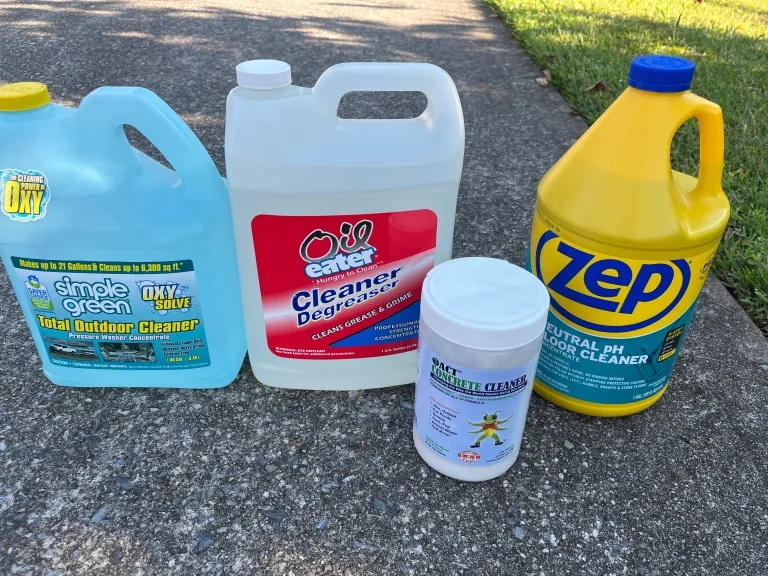
Using regular dish soap in a dishwasher is generally not recommended.
Risks include:
- Excessive foam leading to leaks and potential water damage.
- Interference with spray arms, sensors, and pumps.
- Residues left on dishes because the formula is not tuned for machine rinsing.
If users accidentally add dish soap to a dishwasher, the safest approach is to stop the cycle, remove foam, and run a rinse with no detergent.
Dishwasher detergents should never be used as hand dishwashing liquids.
Reasons:
- They lack the foam and tactile feel users expect, which often leads to overuse.
- They may contain higher-alkaline systems and oxidants that can irritate skin.
- They are not tested or labeled for direct hand exposure during regular use.
From a brand perspective, clear labeling and usage instructions are essential to minimize misuse and warranty claims.
Use dish soap when:
- You wash dishes manually in a sink.
- You need to clean delicate items not suitable for dishwashers.
- You want a multi-purpose cleaner for light kitchen tasks.
- Skin comfort and fragrance experience are important.
Use liquid dish detergent when:
- You use an automatic dishwasher regularly.
- You handle large volumes of dishes in households, restaurants, or hotels.
- You need consistent results on dried and baked-on soils.
- Water, energy, and labor efficiency are key KPIs.
For OEM and private-label buyers, a balanced product portfolio will usually include both categories, each tailored to local water conditions and appliance penetration.
| Feature | Dish Soap (Handwashing) | Liquid Dish Detergent (Dishwasher) |
|---|---|---|
| Primary use | Manual dishwashing in sink | Automatic dishwashers in homes and horeca |
| Foam level | High foam, visible suds for user feedback | Low or no foam to protect machine components |
| Typical ingredients | Surfactants, mild builders, skin-conditioners, fragrance | Surfactants, enzymes, builders, sometimes bleach or oxygen-based oxidants |
| Skin contact | Designed for frequent hand contact | Not intended for direct skin exposure |
| Soil focus | Fresh grease and everyday food residues | Dried, baked-on, and heavy soils |
| Versatility | Can be used for light household cleaning and degreasing | Specialized; mainly for dishwashers |
| Equipment needed | Sink, sponge, or brush | Automatic dishwasher |
| Misuse risks | Inappropriate for dishwashers due to foam overflow | Harsh on skin if used for handwashing |
Rising demand for dishwashing liquids and automatic dishwashing products creates strong OEM potential for brands, importers, and wholesalers who want to expand their cleaning portfolios.
Key OEM opportunities:
- Segmented portfolios: Offer separate SKUs for hand dish soap, automatic dishwasher liquid, and gels or pods.
- Localized formulations: Adjust surfactant systems and builders for local water hardness and dishwashing habits.
- Eco and premium lines: Develop low-irritation, plant-based dish soaps and phosphate-free or low-temperature machine detergents.
- Channel-specific packaging: Larger sizes for horeca, ergonomic bottles for retail, and concentrated formats for e-commerce.
A professional OEM partner can also support regulatory compliance, performance testing, and stability evaluation for different markets.
To maximize cleaning results and protect equipment, users should follow a few simple best practices.
1. Read the label
- Check whether the product is clearly indicated for “dishwasher use” or “hand dishwashing”.
2. Dose correctly
- Overdosing dish soap wastes product and can be harder to rinse.
- Overdosing dishwasher detergent may lead to residues or clouding on glassware.
3. Match formula to water hardness
- In very hard water, formulas with effective builders reduce spotting and filming.
4. Combine with good mechanical practices
- For dishwashers: load correctly, avoid blocking spray arms, and choose programs suited to soil level.
- For manual washing: use warm water, change water when heavily soiled, and rinse thoroughly.
5. Store and handle safely
- Keep products away from children and food, close caps tightly, and avoid mixing incompatible chemicals.
If you are a dishwashing brand owner, importer, wholesaler, or retailer, aligning your dish soap and liquid dishwasher detergent range with current consumer expectations and regulatory trends is crucial for long-term growth. You can work with a specialized Chinese OEM factory such as Dongguan UFine Daily Chemical Co.,Ltd. to develop customized formulations, packaging, and private-label solutions that match your target markets and channel strategies.
Consider taking these next steps:
- Define your portfolio: decide which dish soap and liquid dishwasher SKUs you need for your market tiers.
- Specify performance targets: foam profile, fragrance direction, eco-label goals, and dishwasher compatibility claims.
- Request OEM samples and lab reports: evaluate performance in local water conditions and common dishwashers before finalizing long-term supply plans.
By partnering with the right OEM manufacturer, you can transform the liquid dish detergent vs dish soap distinction into a strategic advantage across both retail and professional channels.
Contact us to get more information!
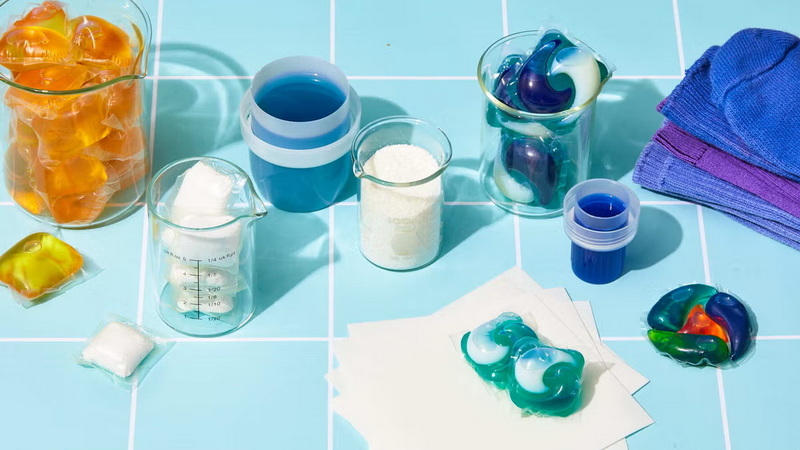
No. Regular dish soap is formulated for handwashing and produces high foam, which can overflow and potentially damage your dishwasher. Always use a detergent labeled for dishwasher use.
In general, yes. Dishwasher detergents often contain stronger builders, enzymes, and sometimes bleaching systems to handle baked-on soils in closed machines, and they are not intended for direct skin contact.
Both categories now offer eco-focused options, including plant-based dish soaps and phosphate-free or low-temperature machine detergents. The overall impact depends on formulation, dosage, packaging, and how efficiently users run dishwashers.
Liquids are easy to dose, familiar to consumers, and adaptable to different water conditions and cleaning tasks. They also integrate well with concentrated and eco-friendly product trends.
Buyers should prioritize local water hardness, appliance penetration, regulatory requirements, and positioning such as mass, premium, eco, or professional. Working with an experienced OEM factory allows fine-tuning of formulation, packaging, and claims to build a competitive and compliant product line.
1. https://vigour-group.com/insights/liquid-dish-detergent-vs-dish-soap-key-differences-benefits-and-applications/
2. https://en.wikipedia.org/wiki/Dishwashing_liquid
3. https://therapyclean.com/blogs/cleaning/dish-detergent-vs-dish-soap
4. https://www.mordorintelligence.com/industry-reports/dishwashing-products-market
5. https://www.archivemarketresearch.com/reports/dish-soap-dishwashing-liquid-265200
6. https://www.globalmarketstatistics.com/market-reports/dishwashing-liquid-market-14361
7. https://www.futuremarketinsights.com/reports/united-states-automatic-dishwashing-products-market
8. https://www.maytag.com/blog/kitchen/can-you-use-dish-soap-in-dishwasher.html
9. https://www.blueland.com/articles/dish-detergent-vs-dish-soap


