
Views: 222 Author: Tomorrow Publish Time: 12-23-2025 Origin: Site


Content Menu
● Understanding How Dishwasher Pods Work
● The Potential Risks of Dishwasher Pods
>> 1. Residue and Film Buildup
>> 2. Drainage Problems and Blockages
>> 3. Sensor Misfunctions and Oversudsing
>> 4. Chemical Erosion and Seal Damage
>> 5. Hard Water and Limescale Interaction
● Benefits of Dishwasher Pods When Used Correctly
● Best Practices for Using Dishwasher Pods
● Proper Storage and Shelf Life
● Environmental Impact Considerations
● Recognizing Signs of Dishwasher Pod-Related Issues
● Alternative Detergent Options
● Regular Dishwasher Maintenance Tips
● Troubleshooting Common Pod Problems
>> Pod Residue Left in Dispenser
>> Foul Odors
● When to Seek Professional Help
● FAQ
>> 1. How often should I clean my dishwasher if I use pods?
>> 2. Are dishwasher pods safe for stainless steel interiors?
>> 3. Why do pods sometimes stick inside the dispenser?
>> 4. Can I cut dishwasher pods in half to save detergent?
>> 5. What's the best way to avoid residue when using pods?
Dishwasher pods have revolutionized kitchen cleaning routines with their simplicity and convenience. These compact detergents come pre-measured, minimizing spills and ensuring consistent results. While they take the guesswork out of washing dishes, a lingering question troubles many homeowners: do dishwasher pods harm the dishwasher?
The short answer is not usually. When used properly, dishwasher pods are safe, efficient, and can even help maintain your appliance's longevity. But there are exceptions — incorrect use, hard water, or poor-quality products can lead to buildup, residue, or even minor mechanical issues over time. To truly understand the risks and benefits, we need to explore how pods function, common problems they can cause, and how to use them correctly.
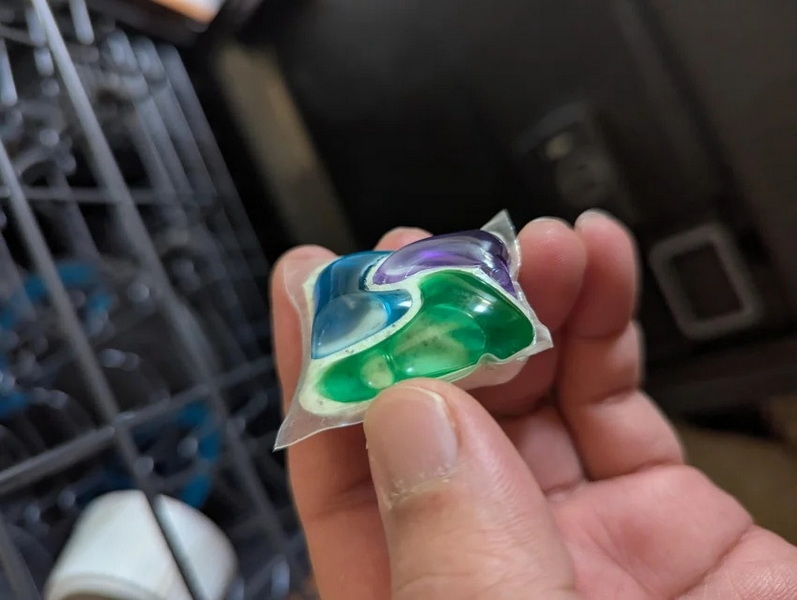
Dishwasher pods are innovative cleaning capsules composed of three main components:
1. Detergent: Breaks down fats, proteins, and dried food particles.
2. Enzymes: Target specific organic stains like starch and grease.
3. Rinse aid or softeners: Prevent water spots and residue on dishes.
All these ingredients are enclosed in a polyvinyl alcohol (PVA) water-soluble film. Once placed in the detergent compartment and exposed to water, the film dissolves, releasing powerful cleaning agents. Modern pods often come in multi-chamber designs that release ingredients in stages, ensuring optimal performance throughout the wash cycle.
This engineering precision makes pods convenient and user-friendly. However, because the detergent in pods is highly concentrated, even minor misuse — such as using cold water or incorrect loading — can result in incomplete dissolution or soap scum accumulation, which can indirectly affect the dishwasher's internal components.
Though dishwasher pods are formulated for general safety, improper habits or environmental conditions can compromise their effectiveness and potentially harm your appliance.
Incomplete dissolution is one of the most common issues. If a pod doesn't fully dissolve, remnants of detergent or the outer film may accumulate along the door seal, filter, or spray nozzles. When this happens repeatedly, it creates a stubborn layer of sludge that restricts water circulation and leaves cloudy film on dishes.
A typical cause of residue buildup is using pods with low water temperatures or short washing cycles that fail to provide enough time for proper activation. Over time, this buildup can lead to a cloudy interior, sluggish spray arms, and unpleasant odors.
Poorly dissolved detergent can move into the drainage system, causing partial blockages. Over weeks of repeated cycles, this affects both the pump and drain filter, leading to standing water or error codes caused by restricted sensors. You might notice slow draining or leftover water at the bottom of the dishwasher.
Proper maintenance, such as regular filter cleaning and occasional vinegar rinses, helps prevent clogs even when using pods.
Dishwasher pods are formulated for one full-size cycle per capsule, but some users mistakenly add two pods for heavily soiled loads. This leads to oversudsing, which can confuse internal sensors that monitor foam and water levels. Modern dishwashers rely on foam management sensors to determine rinse duration. Excessive bubbles disrupt their readings, potentially shortening or prolonging cycles unnecessarily.
In extreme cases, oversudsing can cause small leaks from the door gasket or overflow tube, resulting in messy cleanup and mechanical strain.
Though rare, repeated exposure to over-concentrated detergent can deteriorate certain rubber or plastic parts inside the dishwasher. If pods are placed incorrectly (for instance, directly in the bottom rack instead of in the dispenser compartment), their cleaning chemicals can hit seals or hoses before proper dilution, causing gradual degradation. Always secure pods inside the dispenser to ensure controlled release.
Water hardness plays a major role in how effectively pods work. Hard water contains calcium and magnesium ions that can neutralize detergent efficiency. The result: cloudy glasses, water spots, and limescale residue on the dishwasher's heating element. When these minerals mix with detergent leftovers, they form stubborn deposits that even dishwashers' self-cleaning cycles might struggle to remove.
In such cases, using a separate water softener or specialized pods designed for hard water can protect both dishes and appliance components.
When used appropriately, dishwasher pods provide numerous benefits, not only enhancing convenience but also supporting the dishwasher's health over time.
- Precision dosage: Pods prevent overuse, ensuring the correct detergent concentration every cycle.
- Cleaner results: Their multi-action formulas dissolve stuck-on food and minimize streaks.
- Space-saving: Compact pod storage takes up less space and lasts longer.
- Advanced chemistry: Many modern pods have oxygen-based bleaching agents to fight stains more effectively than standard powders.
- Built-in rinse agents: They reduce spotting without needing separate secondary products.
In other words, pods are a practical and efficient solution, as long as their use is adapted to your dishwasher's specifications and local water conditions.
To preserve your dishwasher's integrity and maintain optimal cleaning power, practice the following habits consistently:
1. Always place the pod in the detergent dispenser. Never drop it directly into the tub or on top of dishes, as it may dissolve too early.
2. Select the right wash temperature. Pods dissolve best between 122°F and 149°F (50°C–65°C).
3. Run full loads only. One pod per full cycle is ideal to avoid overdosing.
4. Avoid pre-rinsing dishes. Modern pods are designed for small food residues; pre-rinsing reduces detergent activation efficiency.
5. Monthly maintenance wash: Use dishwasher cleaner or white vinegar on an empty cycle to remove buildup.
6. Dry storage: Keep pods sealed and stored away from moisture to prevent clumping.
7. Check manufacturer advice: Some high-efficiency models have lower temperature settings — in these cases, opt for quick-dissolving pod varieties.
Simple attention to these details can ensure both your dishes and dishwasher remain spotless.
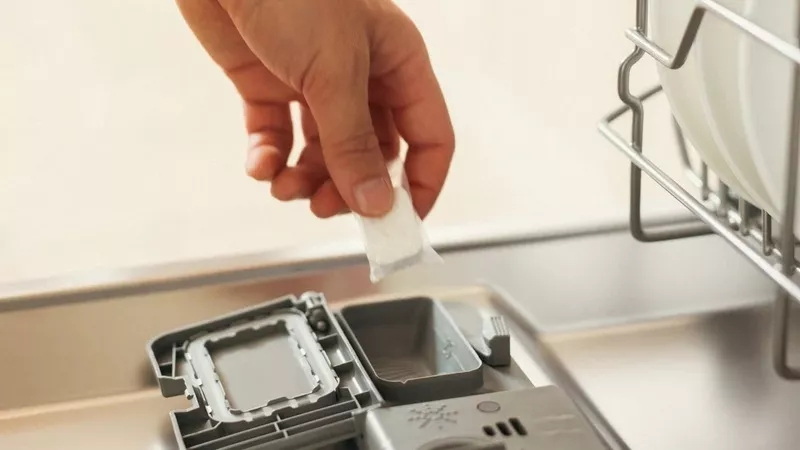
Dishwasher pods are sensitive to humidity and heat. Moisture can prematurely dissolve their coating or cause them to merge together. Always keep pods in:
- A cool, dry cabinet.
- Their original resealable packaging or a dedicated airtight container.
- Away from the sink or dishwasher steam vents.
Typically, pods retain full cleaning power for 12–18 months. After that period, enzymes lose potency, and ingredients may crystallize, leading to incomplete dissolution during cycles.
Despite their convenience, dishwasher pods raise environmental concerns primarily due to their PVA (polyvinyl alcohol) packaging. While marketed as “biodegradable,” PVA doesn't always break down completely during wastewater processing. Some studies reveal trace microplastic residues in aquatic environments when incomplete degradation occurs.
To minimize ecological impact:
- Choose eco-certified pods from brands with verifiable biodegradability testing.
- Run full loads to save water and reduce detergent frequency.
- Use energy-efficient dishwasher cycles to decrease overall carbon footprint.
- Opt for biobased pods made with plant-derived surfactants or phosphate-free formulas.
Consumers can also consider refillable detergent systems, which combine pod-level convenience with sustainability by using reusable containers.
Your dishwasher may be struggling with pod-related issues if you notice these signs:
- Cloudy dishes or film: Often caused by undissolved detergent or hard water interactions.
- Pod residue in dispenser: Indicates poor water temperature or obstructed release.
- Unpleasant odors: Residue buildup can harbor bacteria and mold.
- Sluggish spray arms: Soap clogging or mineral deposits may restrict water jets.
- Streaked glassware: Often a sign of overly concentrated detergent or insufficient rinse aid.
If these symptoms appear, run a cleaning cycle with vinegar and baking soda, inspect filters, and reassess your wash settings. Switching to a different pod brand or dissolving method (like powder) may resolve persistent problems.
Dishwasher pods are not your only option. Depending on your home's water quality and load preferences, alternative detergents may deliver comparable performance.
- Powder detergents: Economical and customizable; suitable for hard water households.
- Liquid detergents: Highly soluble, ideal for short cycles, but more prone to overdosing.
- Homemade natural cleaners: Baking soda and citric acid mixtures work for light washing, though less effective on heavy grease.
- Eco-pods: Plant-based, biodegradable versions offer a balance between convenience and sustainability.
Switching products occasionally can also prevent chemical buildup from repetitive formula exposure.
Even when using pods, your dishwasher needs periodic cleaning to maintain top performance:
1. Clean filters weekly: Food scraps and detergent debris accumulate quickly.
2. Inspect spray arms monthly: Remove and rinse to keep water jets clear.
3. Wipe door seals: Detergent residue often collects along rubber edges.
4. Descale annually: If you live in a hard water area, descaling keeps heating elements efficient.
5. Leave the door ajar after use: Promotes ventilation, reducing odor and mold growth.
Consistent upkeep ensures that dishwasher pods perform effectively without causing mechanical or chemical wear on the appliance.
- Ensure the water temperature is at least 120°F.
- Avoid overcrowding the bottom rack, which can block the dispenser door.
- Use fresh pods — expired ones may clump or lose solubility.
- Check your rinse aid levels.
- Try a pod designed for hard water or add a separate softener.
- Run a longer cycle; shorter eco cycles may not supply enough water.
- Wipe the dispenser compartment regularly with warm water to remove buildup.
- Clean filters with baking soda paste once a week.
- Run a hot vinegar rinse cycle monthly.
- Reduce detergent use and ensure only one pod per cycle is used.
- Inspect seals for damage caused by undissolved detergent or foam overflow.
Addressing these issues promptly helps prolong your dishwasher's lifespan.
If detergent-related problems persist even after cleaning and adjusting wash cycles, consult an appliance technician. Issues like faulty temperature sensors, dispenser malfunctions, or electronic misreads may be responsible. A professional can recalibrate the system and identify whether detergent use contributed to wear or if an unrelated technical fault exists.
Dishwasher pods are safe and effective when used according to manufacturer guidelines. They streamline cleaning, deliver precise detergent dosing, and prevent waste. However, misuse — such as overloading, low water temperature, or poor storage — can lead to residue, clogging, and other maintenance issues.
Understanding your local water hardness, using one pod per cycle, and cleaning filters regularly will preserve both pod effectiveness and dishwasher performance. With mindful use, dishwasher pods can be an asset, not a threat, to your appliance's longevity and efficiency. Proper practices bridge the gap between convenience and care, ensuring your dishes sparkle and your dishwasher continues running smoothly for years.
Once every month. Running an empty hot cycle with vinegar or specialized cleaner prevents soap and mineral buildup caused by repeated pod use.
Yes — when pods dissolve correctly. Avoid low-temperature cycles that leave undissolved residue, which can dull the steel finish over time.
Moisture or old product buildup can cause sticking. Keep pods in a dry place, and clean the dispenser weekly to maintain smooth release.
Not recommended. The film is designed for one-time use, and cutting it can cause leakage or uneven distribution during cycles.
Ensure optimal water temperature (above 120°F), use a rinse aid, and run occasional maintenance cycles to flush away soap films.


