
Views: 222 Author: Tomorrow Publish Time: 12-13-2025 Origin: Site


Content Menu
● Understanding the Difference Between Laundry and Dishwasher Detergents
>> Ingredients and Chemical Formulation
>> Role of Surfactants and Foam Control
● What Happens If You Use Laundry Pods in The Dishwasher?
>> Excessive Foam and Suds Overflow
>> Clogged Filters and Spray Arms
>> Chemical Residue and Food Safety Concerns
● Environmental and Appliance Risks
● What to Do If You Accidentally Used Laundry Pods in The Dishwasher
● Why Only Dishwasher-Specific Detergents Work Properly
>> Activated Cleaning Chemistry
● What to Use Instead When You Run Out
>> Emergency Homemade Dishwasher Solution
● Long-Term Dishwasher Maintenance Tips
● Common Myths About Detergent Pods
● Health and Safety Regulations
● Eco-Friendly Dishwashing Practices
● FAQ
>> 1. What happens if I accidentally put a laundry pod in the dishwasher?
>> 2. Are laundry detergents safe for food-contact items?
>> 3. Can I use dish soap or hand soap as a substitute?
>> 4. What is a safe emergency substitute if I run out of detergent?
>> 5. Why do dishwasher detergent pods cost more?
It's a common household scenario — you're about to start a load of dishes, only to realize that you've run out of dishwasher detergent. Sitting conveniently nearby is a container of laundry detergent pods. They look similar, both come in neatly packaged, colorful pods that dissolve in water, and both are designed to clean. So, can you use laundry detergent pods in the dishwasher?
The short answer is no. Laundry detergent pods and dishwasher pods are not interchangeable. While both are cleaning agents, they contain vastly different chemical compositions, foaming agents, and purposes. Using the wrong one could result in dishwasher damage, unsafe residue on dishes, and even potential health risks. Let's explore why these two products are so different, what can happen if you use them interchangeably, and what to do if you already made the mistake.

Laundry and dishwasher detergents both serve as cleaning agents, but they are designed to tackle entirely different types of grime under different conditions. The way they interact with water, surfaces, and heat defines their distinct roles.
Laundry detergents target stains like grease, mud, sweat, and body oils found on fabrics. They often contain:
- Enzymes that break down proteins and fats.
- Optical brighteners to make clothes appear whiter.
- Fabric softeners and conditioners for texture.
- Fragrances to leave clothes smelling fresh.
Dishwasher detergents, on the other hand, focus on removing food residues, fats, and hard water deposits at very high temperatures. They contain:
- Low-sudsing surfactants for controlled cleaning.
- Enzymes that break down food particles.
- Rinse aids to prevent spotting on glassware.
- Alkaline agents that dissolve baked-on grease.
Even though both detergents use enzymatic cleaning, their compositions are incompatible. A laundry detergent designed to foam and soften fabrics is unsuitable for dishes, where foaming disrupts cleaning and softeners leave residues.
Dishwashers are designed for low-foam environments. Excess foam can trap particles and prevent water from circulating effectively. In contrast, laundry detergents need robust foaming action to circulate detergent evenly through fabrics.
If a laundry pod is introduced into a dishwasher, it creates a thick layer of suds that hinders sprayers and water jets, resulting in poor cleaning performance and potential leaks.
If you've already tried using laundry pods in your dishwasher, you might have experienced an unexpected foam party in your kitchen. But the consequences go beyond messy floors.
Dishwashers are designed with powerful, high-pressure water jets. When laundry detergent meets this environment, the high-foaming surfactants react aggressively. Within minutes, suds may fill the dishwasher cavity and start to spill through vents and seals, covering your kitchen floor in soapy bubbles.
This is not only inconvenient — excessive foam can damage the dishwasher's circulation pump and reduce its life span.
The residue from undissolved laundry components can block filters and nozzles. Over time, these blockages prevent proper water flow, leading to incomplete cleaning cycles. The buildup can create a foul odor and even promote bacterial growth inside the machine.
Laundry pods contain brighteners, scent boosters, and softeners that are meant to cling to fabric fibers. On dishes, these chemicals adhere to glass, metal, and plastic surfaces, leaving a film that does not easily rinse off.
Consuming food or drinks from dishes coated with these residues can cause digestive discomfort or mild toxicity, especially in children and pets. Even trace amounts of certain additives can pose health risks when ingested repeatedly.
Laundry detergents may contain phosphates, synthetic fragrances, and colorants that are not suitable for wastewater treatment facilities designed to filter out food waste. When used incorrectly, these chemicals can contaminate water sources and harm aquatic organisms.
Dishwasher detergents are strictly formulated to minimize phosphate release and comply with environmental regulations.
Foam buildup inside the machine stresses the motor and seals. Continuous incorrect usage can cause internal corrosion and force you to replace expensive components. In worst-case scenarios, the electronic sensors that monitor water levels can malfunction due to soapy buildup, leading to recurring operational errors.
Mistakes happen, especially when both products look almost identical. If you accidentally toss a laundry pod into your dishwasher, here's how to fix it immediately:
1. Pause the cycle and open the door carefully.
The machine may be under pressure, so open slowly to prevent foam from bursting out.
2. Scoop out visible suds and detergent chunks.
Use a cup or towel to remove as much foam as possible from the bottom of the unit.
3. Add cold water and vinegar.
Cold water reduces foam activity. Pour one cup of white vinegar into the bottom to help break down leftover detergent.
4. Run an empty rinse cycle.
Choose a short rinse cycle and allow it to complete. Vinegar will help neutralize the remaining detergent and leave your dishwasher clean.
5. Clean the filter and interior.
Remove the bottom rack and scrub the filter with warm water to ensure no soap residue remains.
Taking these steps promptly can prevent long-term damage and bring your dishwasher back to normal operation.
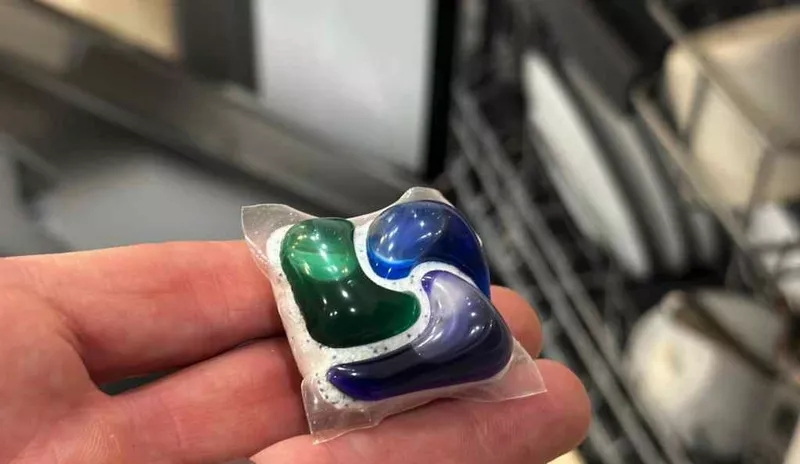
Dishwasher detergents, whether in tablet, powder, or gel form, are created under strict guidelines to ensure:
- Food safety compliance.
- Controlled foam levels.
- Temperature tolerance.
Dishwasher detergents start working at specific temperature ranges (usually above 120°F). The enzymes in these detergents activate under heat, ensuring they can tackle baked-on food residues. Laundry pods, conversely, dissolve too quickly in high heat and release too many surfactants all at once.
A good dishwasher detergent rinses away completely, leaving dishes spotless. Its structure prevents staining or filming, something laundry detergents cannot achieve because they are intended to leave softening agents behind.
If you find yourself without dishwasher detergent, there are safer temporary alternatives you can use from common household ingredients.
You can create a temporary substitute with these ingredients:
- 1 tablespoon of baking soda
- 1 tablespoon of salt
- 1 teaspoon of borax or washing soda (optional)
- A small drop of liquid dish soap (very minimal)
Mix these thoroughly and place the blend into your dishwasher's detergent compartment. This formula helps cut grease but does not foam excessively. Remember, this is a short-term fix, not a permanent replacement.
To ensure your dishwasher operates effectively over time:
- Clean the filters weekly to prevent buildup.
- Inspect spray arms and unclog holes using a toothpick.
- Wipe the rubber door seal after each wash to remove moisture.
- Run one monthly cycle with vinegar or a specialized dishwasher cleaner to eliminate limescale.
- Always follow detergent directions and load dishes correctly to ensure optimal spray coverage.
Proper maintenance not only improves dishwasher efficiency but also protects your investment for years to come.
1. “All cleaning pods serve the same purpose.”
False. Laundry and dishwasher pods differ in chemistry, purpose, and safety standards.
2. “A small amount of laundry detergent won't hurt.”
Even a small amount can produce stubborn foam and leave residue inside the appliance.
3. “Adding extra detergent cleans better.”
Overuse leads to build-up and cloudiness. The cleaning power comes from proper enzyme action, not quantity.
4. “Dish soap or baby soap are safe substitutes.”
They both produce excessive foam and can damage the pump or seals.
5. “Homemade vinegar and baking soda mixes work just as well.”
While okay for mild cleaning, they lack the enzymes necessary to break down heavy greases effectively.
Dishwasher detergents are tested under food-contact compliance protocols, ensuring they rinse fully at high temperatures. Laundry detergents, on the other hand, only meet fabric safety standards, which permit additives that are not intended for ingestion.
Regulatory agencies like the U.S. Environmental Protection Agency (EPA) and the European Chemicals Agency (ECHA) oversee the safety of dish-cleaning products. Using non-approved detergents bypasses these safety frameworks, increasing risks for users.
For sustainable cleaning, consider these eco-friendly approaches:
- Choose biodegradable detergent pods that are phosphate- and dye-free.
- Use energy-saving cycles to reduce water and electricity use.
- Only run the dishwasher when it is fully loaded to maximize efficiency.
- Avoid pre-rinsing dishes unnecessarily; modern detergents work best with a bit of residue for enzymatic action.
These steps lower environmental impact while still ensuring hygienic results.
Laundry detergent pods should never be used in a dishwasher under any circumstance. Though they may seem similar, their ingredients, purposes, and safety profiles are completely distinct. Laundry pods produce excessive foam, damage dishwasher components, and leave unsafe chemical residues on dishes.
Always choose a detergent formulated specifically for dishwashers to ensure proper cleaning action, appliance longevity, and food safety. In case of accidental use, take immediate steps to clean out the machine with vinegar and rinse cycles.
Remember: using the right product in the right appliance is not just about cleaning efficiency but also about household safety and environmental responsibility.
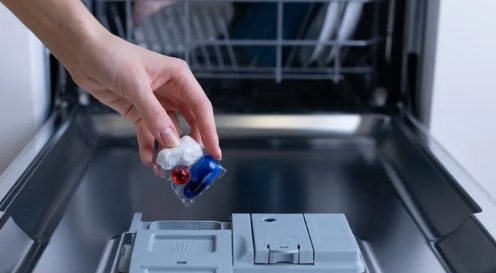
It causes excessive foaming, may overflow onto the floor, and leave chemical residues. Stop the cycle, remove foam, rinse thoroughly, and run with vinegar to neutralize soap.
No. Laundry detergents contain fragrances and brighteners not designed for ingestion or food surfaces.
No. Both create excessive foam, potentially damaging the pump and seals.
Try a temporary mixture of baking soda, salt, and a small drop of liquid dish soap. Avoid regular laundry soaps and fabric agents.
They use specialized low-foam, food-safe formulas and undergo additional testing for temperature performance and residue safety.


