
Views: 222 Author: Tomorrow Publish Time: 12-13-2025 Origin: Site


Content Menu
● Understanding Dishwashing Pods
● Ingredients and Their Effects on Fabric
● Can You Actually Use Dishwashing Pods for White Clothes?
● Comparing Dishwashing Pods and Laundry Detergent
● How Laundry Detergent Differs Chemically
● What Happens If You Use Dishwashing Pods by Mistake?
● Safer Ways to Keep White Clothes Bright
● Why People Try Dishwashing Pods on Clothes
● The Risks to Your Washing Machine
● Professional Recommendations
● Environmental Considerations
● Real-Life Examples and Results
● When Soap Substitutes Are Necessary
● FAQ
>> 1. Are dishwashing pods safe for any type of clothing?
>> 2. What should I do if I accidentally used dishwashing pods in my washer?
>> 3. Can dishwashing pods make white clothes whiter?
>> 4. What's a good natural alternative for whitening?
>> 5. Will using dishwashing pods ruin my washing machine?
White clothes symbolize purity and freshness, but keeping them spotless can be one of the toughest parts of doing laundry. Over time, sweat, detergent residue, and hard water stains can cause whites to lose their brightness. When laundry detergent runs out, it's tempting to reach for whatever cleaning product is nearby. That leads many people to ask: Can you use dishwashing pods for white clothes?
At first glance, dishwashing pods seem powerful—they remove greasy residue, eliminate stains, and clean effectively. However, just because they handle tough grime on dishes doesn't mean they belong in your washing machine. Let's dive into the science behind these products, how they differ from laundry detergents, and what really happens if you use dishwashing pods to “brighten” white clothes.
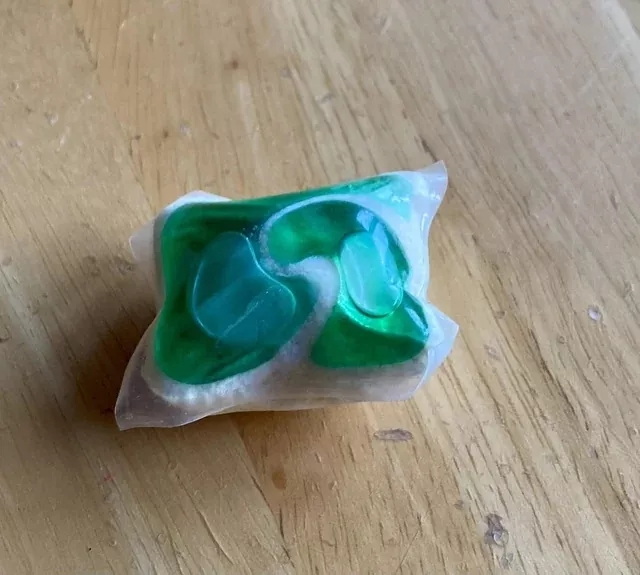
Dishwashing pods, or dishwasher tablets, are highly concentrated cleaning capsules formulated for dishwashers. Each pod typically contains several chambers filled with powder, gel, or both. These chambers dissolve during a dishwashing cycle, releasing a combination of cleaning agents that work together to dissolve food residue, remove grease, and sanitize surfaces.
Dishwashing pods are designed for hard, non-porous surfaces like glass, ceramic, and stainless steel. In contrast, fabrics are made of interwoven fibers that trap dirt, oil, and dead skin cells—all of which require a gentler touch. Pod ingredients are too aggressive for most textiles and may cause irreparable damage.
Dishwashing pods include several key ingredients that make them great for dishes but risky for fabrics:
1. Surfactants: These are strong detergents that break down grease and food residue. On fabrics, they can cause fading, stiffening, and even fiber breakdown after repeated exposure.
2. Enzymes: Enzymes break down organic material such as starches and proteins (e.g., food residue). While enzymes can help lift stains, the concentrations used in dishwashing pods can irritate sensitive skin if not rinsed out completely.
3. Bleaching agents: Dishwashing pods often use oxygen- or chlorine-based bleach to whiten dishes. However, these agents are too harsh for textiles, potentially leading to yellow spots or uneven bleaching on white clothes.
4. Builders and stabilizers: These chemicals bind with minerals in hard water to improve cleaning power. On fabric, they can leave chalky deposits that make white clothes look dull rather than bright.
Laundry detergents, on the other hand, are carefully balanced with fabric-safe surfactants and conditioners that clean efficiently without harming fibers.
The short answer is no. Dishwashing pods are not safe substitutes for laundry detergent and can do more harm than good.
One common misconception is that stronger chemicals mean a better clean. In reality, using a cleaning agent designed for a different surface or temperature range often leads to negative results. Dishwashers operate under high heat and pressure, while washing machines use lower temperatures and gentler agitation. This difference in environment means a dishwashing pod won't dissolve correctly or rinse out fully in the washer.
Here's what may happen if you wash your white clothes with dishwashing pods:
- Excessive suds and residue: Dishwashing pods can produce more foam than a washing machine can handle. This often leaves sticky layers on clothes and washer parts.
- Chemical burns on fabric: The high alkalinity can weaken cotton, linen, and synthetic fibers, causing thinning and loss of elasticity.
- Uneven whitening: Chlorine-based ingredients may bleach certain sections while leaving others dull or yellowed.
- Skin irritation: Leftover detergent residue may lead to itching, redness, or allergic reactions—especially if clothing touches sensitive areas of the skin.
| Feature | Dishwashing Pods | Laundry Detergent |
|---|---|---|
| Formulated For | Hard surfaces (glass, metal, ceramic) | Soft fibers (cotton, linen, synthetics) |
| Cleaning Power | Concentrated, high-alkaline | Balanced, fabric-safe |
| Temperature Compatibility | Works best under high heat | Effective in all temperatures |
| Residue Risk | High, may cause buildup | Low, rinses clean |
| Foam Control | Very low, designed for dishwashers | Controlled for washing machines |
| Skin Safety | Can irritate sensitive skin | Formulated to be gentle |
This comparison reinforces that dishwashing pods are incompatible with both the mechanics of washing machines and the chemistry of clothing fibers.
Laundry detergents are formulated with a delicate balance between cleaning and care. They include:
- Soil-release agents to help loosen stains.
- Optical brighteners to enhance whiteness.
- Fabric conditioners to keep clothes soft.
- Controlled pH levels to protect fibers and dyes.
These features ensure clothes not only get clean but remain durable, soft, and wearable for years. Dishwashing pods lack this sophistication; their only objective is to strip residues from hard surfaces.
If you accidentally put a dishwashing pod in your washing machine, don't worry—your clothes can likely be saved. Here's what to do:
1. Stop the cycle immediately. Pause your machine if you notice excessive suds.
2. Drain and rinse. Run one or two rinse cycles with plain water to flush residues.
3. Rewash with proper detergent. Use regular laundry detergent and a cup of white vinegar to neutralize leftover chemicals.
4. Inspect garments carefully. Check for color changes or stiff patches.
5. Air dry your clothes. Avoid heat drying, which may set in any chemical discoloration.
If the washing machine itself shows signs of foam buildup or odor, run an empty cycle with hot water and vinegar to cleanse the interior.
You don't need dishwashing pods to keep your whites brilliant. Try these effective, fabric-safe methods:
- Baking soda: Acts as a mild detergent booster and odor neutralizer.
- Hydrogen peroxide: Functions as a gentle bleaching alternative that brightens whites safely.
- White vinegar: Breaks down soap scum, softens fabrics, and restores brightness.
- Oxygen bleach: Offers stain removal without the damage of chlorine bleach.
- Sun drying: Natural sunlight has mild bleaching effects that whiten and disinfect fabrics.
For heavily soiled whites, soak garments in warm water mixed with baking soda and detergent before washing. This pre-treatment loosens dirt particles and prevents grayness.
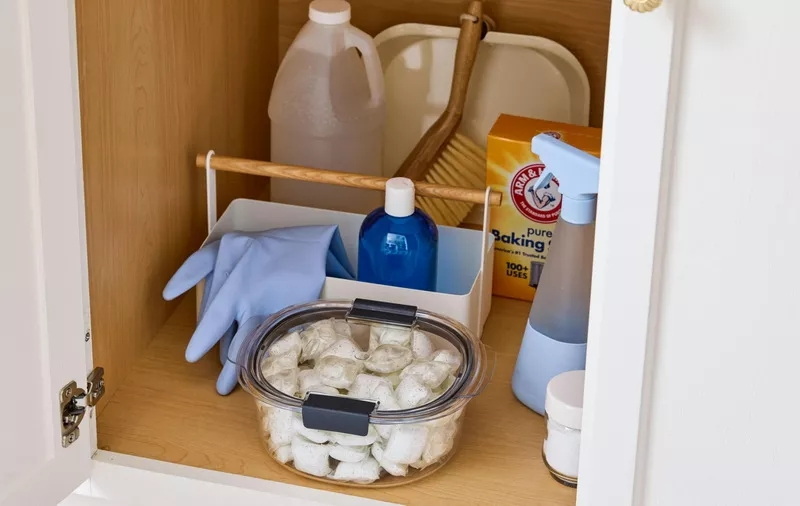
Sometimes, experimentation stems from curiosity or convenience. Someone may read online tips claiming dishwashing pods can “supercharge” laundry because of their powerful degreasing ability. However, most dishwasher formulas use non-fabric-safe chemicals designed for completely different materials.
Additionally, social media “hacks” often don't account for the long-term consequences. A single wash might make whites look brighter due to chemical bleaching, but repeated use will thin fabrics, cause micro-tears, and lead to dull or yellowed patches. It's better to rely on safe, proven laundry techniques than risky shortcuts.
Using dishwashing pods can also harm your machine. The foam and scum left behind after washing can:
- Clog filters and drainage hoses.
- Cause detergent tray residues and unpleasant odors.
- Damage rubber seals and gaskets through chemical corrosion.
- Trigger error codes from foam buildup in electronic sensors.
Repairing such damage can cost hundreds of dollars—far outweighing the price of simply buying proper laundry detergent.
Textile care experts and appliance manufacturers consistently warn against substituting dishwashing pods for laundry detergent. They recommend:
- Always follow manufacturer guidelines. Use products labeled for your appliance type.
- Separate cleaning agents clearly. Store dish pods and laundry detergent in different areas to avoid confusion.
- Use cold water settings wisely. Modern detergents are engineered to clean effectively without hot water damage.
- Add laundry boosters if needed. If you need brighter whites, use specialized whitening boosters or oxygen-based bleach.
Professional cleaners also advise against blending cleaning products. Mixing dish soap, dishwasher pods, or other household chemicals with laundry detergent can cause unsafe chemical reactions or excessive foaming.
Dishwashing pods are more concentrated and often include ingredients less biodegradable than those in laundry detergents. Using them in your washer not only risks damaging fabrics but can also harm the environment. Residues may enter wastewater systems, potentially releasing phosphates or other pollutants into waterways.
Choosing eco-friendly laundry detergents designed for fabrics ensures both your clothes and the planet stay safe. Many modern eco-brands now offer biodegradable options with plant-based surfactants that achieve bright whites without harsh additives.
Numerous users online report regretting their experiments with dishwashing pods for laundry. Common experiences include:
- Clothes coming out stiff, smelling of chemicals, or covered in white residue.
- Washing machines producing excessive foam during cycles.
- Bleaching spots appearing on cotton shirts and towels.
Those who repeated the experiment noticed permanent fabric weakening and discoloration. The verdict from both professional cleaners and real users aligns: *dishwashing pods belong in the kitchen, not the laundry room.*
If you're temporarily out of detergent, here are safer emergency alternatives before resorting to dish pods:
1. Use a small amount of body wash or liquid hand soap. Only use 1–2 teaspoons to avoid excessive suds.
2. Wash by hand in warm water. This allows better control over agitation and rinsing.
3. Add vinegar for deodorizing. A half cup of white vinegar restores freshness and helps rinse out soap residue.
4. Dry garments in sunlight. The UV light helps naturally disinfect and whiten.
These short-term fixes are far gentler than using industrial-strength dishwashing chemicals.
So, can you use dishwashing pods for white clothes? Technically, you can—but it's a mistake. Dishwashing pods are engineered for hard surfaces under intense heat and pressure, not for soft fabric fibers or skin contact. Their harsh chemicals can damage your clothes, irritate skin, and even harm your washing machine.
If you want to keep your whites looking bright and fresh, stick to laundry detergents and safe whitening alternatives like baking soda, hydrogen peroxide, or vinegar. Avoid shortcuts that promise “extra clean” results but risk long-term damage. Treat your clothes as you would your skin—with care, attention, and the right products designed for the job.
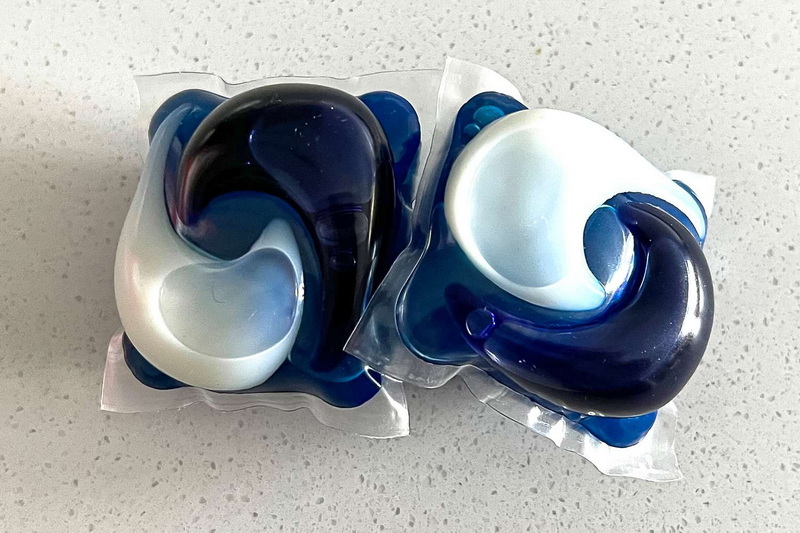
No. Dishwashing pods contain strong alkaline ingredients unsuitable for fabrics. Using them can cause material weakening, discoloration, and stiffness.
Stop the cycle, drain the water, and rinse thoroughly. Then rewash the clothes with mild detergent and white vinegar to neutralize residue.
They may appear whiter after one wash due to strong bleaching, but this damages fibers. Over time, clothing will look dull, yellowed, or brittle.
Use baking soda, vinegar, or hydrogen peroxide. When combined, these natural ingredients lift stains and revive dull fabrics without chemical harm.
Yes, over time. The foam and residues can clog filters, corrode metal components, and damage seals, potentially leading to costly repairs.


