
Views: 222 Author: Tomorrow Publish Time: 12-10-2025 Origin: Site


Content Menu
● Can You Really Use Dishwashing Gel Instead of Pod?
● Pros and Cons of Using Dishwashing Gel
>> Pros
>> Cons
● How to Use Dishwashing Gel Correctly
● Comparing Pods, Gels, and Powders
● Common Mistakes When Using Dishwashing Gel
● When to Prefer Pods Over Gels
● Environmental Considerations
● Dishwasher Maintenance Tips for Better Results
● Cost and Efficiency Analysis
● FAQ
>> 1. Is dishwashing gel safe for all dishwashers?
>> 2. How much dishwashing gel should I use per cycle?
>> 3. Can dishwashing gel expire?
>> 4. Do I still need rinse aid if I use dishwashing gel?
>> 5. Which cleans better: dishwashing gel or pods?
Dishwashers have become one of the most convenient appliances in modern kitchens. They save time, water, and energy while ensuring your dishes come out sparkling clean. However, with so many detergent options available—powders, gels, tablets, and pods—many users find themselves asking the same question: can you use dishwashing gel instead of pod?
At first glance, both products serve the same purpose, but their chemical compositions and modes of delivery differ significantly. Understanding how each type works helps you choose the right one for your machine, budget, and cleaning expectations. This article provides a complete guide comparing dishwashing gels and pods, including their benefits, drawbacks, usage methods, and tips for achieving the best cleaning performance every time.
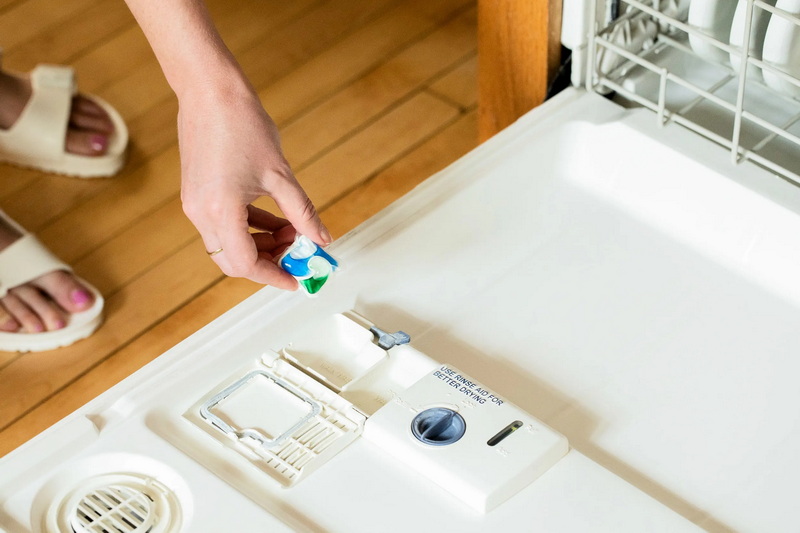
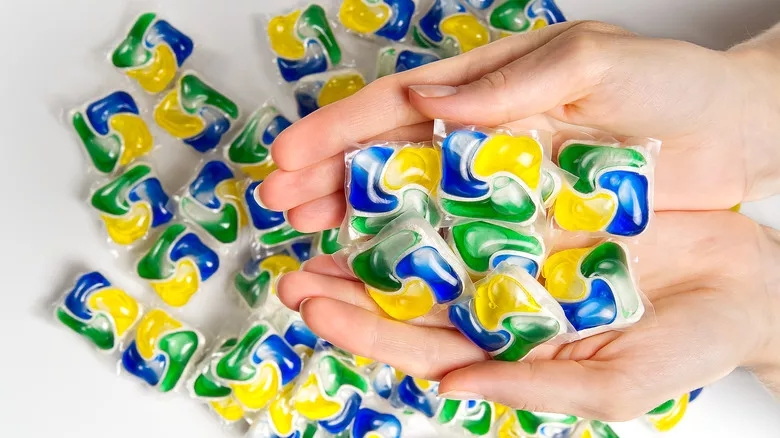
Dishwasher pods, also called detergent capsules or packs, are small, pre-measured portions of concentrated cleaning agents wrapped in a dissolvable film. Each pod typically includes a blend of surfactants, enzymes, and degreasers along with a rinse aid designed to prevent spots on glassware.
The biggest selling point of pods lies in convenience. You don't need to pour or measure detergent manually; you just drop one into the detergent dispenser and start the wash cycle. Because the amount is pre-dosed, pods reduce human error—no risk of using too little or too much detergent.
Pods are formulated to work efficiently under high-temperature cycles. When exposed to water, their film dissolves, releasing the detergent gradually, allowing for sequential cleaning and rinsing actions. Some premium pods even come with multi-chamber compartments that release ingredients in stages, optimizing each phase of the cleaning process.
However, the simplicity of using pods comes at a trade-off:
- They tend to be more expensive per wash.
- In older dishwashers or low-temperature cycles, pods may not dissolve completely.
- Pods stored in damp environments can stick together or lose integrity.
Despite these potential drawbacks, pods remain highly popular because they balance effectiveness and convenience for everyday use.
Dishwashing gel is a liquid detergent engineered for automatic dishwashers. It's quite different from regular hand dishwashing liquid, which produces heavy suds unsuitable for machine cleaning. Gel detergents are formulated to be low-foaming, ensuring they do not cause overflow or leaks inside the dishwasher.
Gels typically contain:
- Surfactants to lift grease and food residues.
- Enzymes to dissolve protein and starchy soils.
- Bleaching agents to whiten and sanitize dishes.
- Water softeners to prevent limescale buildup.
The liquid form allows the detergent to mix quickly with water, making gels ideal for short cycles or lower-temperature settings. They start working immediately once the wash cycle begins, ensuring rapid cleaning action. You also maintain full control over dosage: you can add more for a heavily soiled load or less for lightly used cutlery and glasses.
The downside is that precisely because gels dissolve quickly, they may lose cleaning strength during long wash cycles; the initial burst can get rinsed away too early. Overuse can also leave streaks or film on dishes, especially when no rinse aid is used.
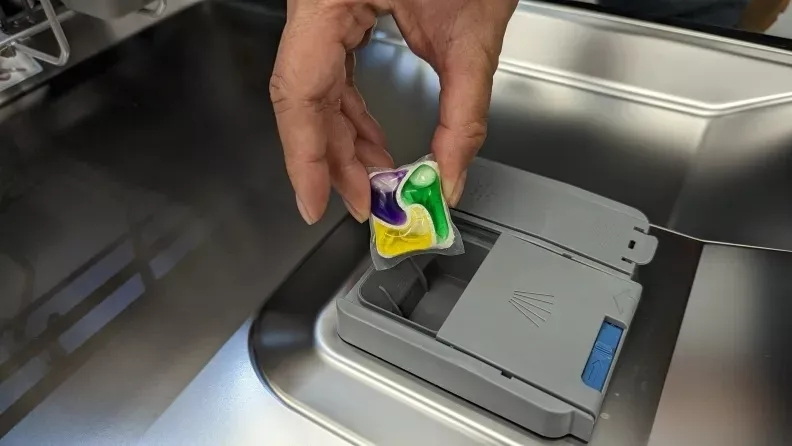
Yes, you can use dishwashing gel instead of pods in most dishwashers. Both products are formulated for automatic cleaning and compatible with the majority of dishwasher brands. However, knowing how to use them correctly is essential to prevent residue buildup, cloudiness, or reduced performance.
When switching to gel:
- Pour it only into the detergent dispenser, never directly onto dishes.
- Use the recommended amount marked on the dispenser (often around one tablespoon for normal loads).
- Avoid filling the dispenser to the top, as excess detergent can cause foaming and poor rinsing results.
You might prefer gel over pods if:
- You often run shorter or eco-friendly wash cycles.
- You like controlling how much detergent you use per load.
- You have soft or moderately hard water, where less detergent is sufficient.
- You are looking for a more budget-friendly option for everyday dishwashing.
In general, dishwashing gels clean effectively when dosed correctly and combined with a good rinse aid.
Before you decide to make the switch, it helps to weigh the pros and cons of using gel detergents.
- Cost-effective: Typically, gels are cheaper than pods and available in larger volumes.
- Adjustable dosage: You can pour just the amount needed for each load.
- Quick dissolving: Performs well even in cold or fast wash cycles.
- Less environmental packaging: Comes in bottles instead of individual wrappers.
- Easier storage: Shelf-stable and compact.
- Inconsistent measurement: Too much can leave cloudy streaks; too little may not clean properly.
- Shorter cleaning action: Due to quick dissolving, some cleaning power may fade during long cycles.
- Storage issues: Gel can thicken or separate if stored near heat or direct sunlight.
- May require rinse aid: Often lacks integrated drying or anti-spot features found in pods.
Recognizing these pros and cons lets you balance efficiency, convenience, and cleanliness.
Using dishwashing gel effectively is simple but requires attention to detail:
1. Check your manual. Ensure that your dishwasher model supports liquid detergents.
2. Measure appropriately. Use the dispenser lines as a guide. For heavy loads, fill up to the “max” mark.
3. Avoid pre-rinsing excessively. Modern gels contain enzymes that work better when food residues are present.
4. Add rinse aid. Always use rinse aid if your glassware often comes out with spots or haze.
5. Maintain your machine. Clean the filter and spray arms monthly to prevent detergent buildup or clogging.
These practices not only improve performance but also extend the life of your appliance.
| Feature | Dishwasher Pods | Dishwashing Gel | Dishwasher Powder |
|---|---|---|---|
| Convenience | High (pre-measured) | Moderate (manual use) | Moderate |
| Cleaning performance | Strong and consistent | Moderate to strong | Moderate |
| Dissolving rate | Slow in cold cycles | Fast | Average |
| Residue potential | Low | Moderate | Higher |
| Shelf life | Long | Moderate | Very long |
| Cost per wash | High | Low | Lowest |
| Eco-friendliness | Medium | Higher | High |
In short, pods win in convenience, gels win in versatility, and powders win in affordability. The ideal choice depends on your priorities—efficiency, control, or sustainability.
Small user errors often lead to poor cleaning results. Below are common mistakes and how to avoid them:
- Using hand dish soap: Regular dish liquid creates excess foam and can flood your dishwasher.
- Overfilling the dispenser: Always follow the measurement guidelines; excess gel can leave residues.
- Ignoring water hardness: Hard water requires more detergent, while soft water needs less.
- Neglecting filter cleaning: Built-up debris reduces detergent effectiveness.
- Using expired gel: Thickened or separated gel loses cleaning properties.
By avoiding these mistakes, you can maintain consistent performance and extend dishwasher longevity.
While gels are versatile, pods may suit households that value simplicity and steady performance. Pods automatically deliver balanced detergent, rinse aid, and degreaser for most soil levels. They're ideal if:
- You prioritize hassle-free cleaning with no measuring.
- You prefer predictable results regardless of water hardness.
- You regularly use high-temperature or heavy-duty wash cycles.
- You have busy family routines and prefer saving time.
If you live in an area with hard water or often clean heavily soiled cookware, pods are likely the more reliable option. They're formulated to tackle stubborn grease and drying challenges more effectively than basic gels.
Eco-conscious consumers often question which option is greener: pods or gels. Gels come in recyclable bottles and produce less packaging waste than individually wrapped pods. Additionally, some eco brands now offer plant-based gel detergents that are phosphate-free, biodegradable, and gentle on the environment.
When selecting detergent, look for these environmentally friendly characteristics:
- No phosphates or chlorine bleach.
- Biodegradable surfactants and enzymes.
- Concentrated formulas that reduce transportation emissions.
- Minimal packaging or refillable containers.
Pairing such products with an energy-efficient dishwasher cycle can substantially lower your household's environmental impact.
No detergent can fully compensate for a neglected machine. Here are maintenance habits to boost detergent effectiveness, whether you use pods or gels:
1. Inspect spray arms: Remove calcium deposits or food particles blocking the nozzles.
2. Run a cleaning cycle monthly: Use vinegar or dishwasher cleaner to dissolve grease and limescale.
3. Check the filter: Clean it weekly to avoid trapped residues.
4. Avoid overcrowding: Arrange dishes properly to allow water and detergent circulation.
5. Use the right water temperature: Most detergents activate best above 120°F (49°C).
Regular care ensures consistent cleaning and prevents unpleasant odors or performance drop-offs.
Over the long term, costs can influence detergent choice. A single bottle of dishwashing gel may last over a month, depending on load frequency. Pods, conversely, deliver precise dosage but cost more per use.
Here's an estimate for comparison:
- Gel: Around $0.10–$0.12 per load.
- Pods: Around $0.25–$0.30 per load.
If your dishwasher is energy-efficient and you frequently wash partial loads, gels' adjustable dosing may help lower expenses without sacrificing cleanliness. However, pods often outperform when dealing with large families, oily cookware, or frequent heavy washing.
So—can you use dishwashing gel instead of pod? The answer is a definite yes. Both products clean effectively when used properly, but their best-use scenarios vary.
Dishwashing gel offers flexibility, affordability, and quick dissolving performance—perfect for shorter cycles or lightly soiled dishes. Pods, on the other hand, deliver convenience and consistency ideal for full loads or high-temperature washes.
Choosing between the two comes down to your habits, machine type, and budget. Whether you prefer the hands-free simplicity of pods or the customizable control of gel, both can leave your dishes spotless when paired with proper dishwasher maintenance and an appropriate rinse aid.
Yes. Almost all modern dishwashers are compatible with gel detergents. Always read your user manual to confirm recommended products.
Usually, one tablespoon is enough for a regular load. You can increase this amount slightly for heavily soiled pans but avoid overfilling the dispenser.
Yes. Gels typically last 12–18 months. Exposure to heat or humidity can cause thickening and reduce cleaning effectiveness.
Yes. Unless your gel includes a built-in rinse aid, using a separate one ensures spotless drying and streak-free glassware.
Pods often clean more consistently because of their controlled mixture and multi-stage release. However, gels can perform equally well with correct dosing and water temperature.


