
Views: 222 Author: Tomorrow Publish Time: 12-10-2025 Origin: Site


Content Menu
>> Main Components of Dishwasher Pods
● The Interaction Between Pods and Soft Water
>> Common Issues When Using Pods in Soft Water
● Signs You Are Using Too Much Detergent in Soft Water
● Tips for Using Dishwasher Pods with Soft Water
>> 1. Choose the Right Pod Formula
>> 2. Adjust Rinse Aid Settings
>> 3. Consider Using a Partial Pod
>> 4. Optimize Loading and Cycle Selection
>> 5. Run Regular Maintenance Cycles
● Alternative Detergent Options for Soft Water
>> Liquid Dishwasher Detergent
>> Powder Dishwasher Detergent
● Balancing Performance and Water Softness
● Environmental Considerations
>> Ways to Reduce Environmental Impact
● Common Misconceptions About Soft Water and Pods
● Practical Testing and Fine-Tuning
● Maintenance Tips for Long-Term Dishwasher Health
● FAQs
>> 1. How does soft water affect dishwasher detergent performance?
>> 2. Should I use half a pod in soft water?
>> 3. Do I need rinse aid with soft water?
>> 4. What happens if I use too much detergent in soft water?
>> 5. Are there special pods for soft water?
Dishwasher pods are convenient, powerful, and widely used in modern kitchens. However, when a home has naturally soft water or uses a water softener, detergent can behave differently in the dishwasher. This leads many people to wonder: can you use dishwasher pods with soft water without damaging dishes or the machine?
Understanding how soft water changes detergent performance is essential for preventing cloudy glassware, residue, or long-term wear on your appliance. With the right adjustments, dishwasher pods can still work very well in soft water conditions.
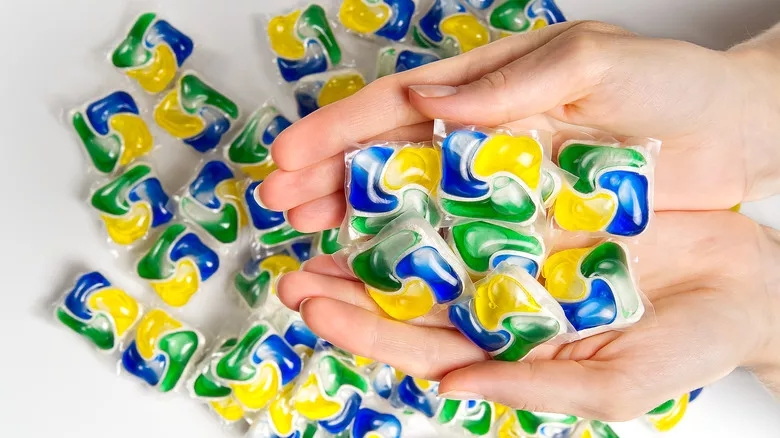
Soft water is water that contains very low levels of dissolved calcium and magnesium ions. In contrast, hard water has high concentrations of those minerals, which cause limescale and reduce detergent efficiency.
Soft water can occur naturally or be produced artificially by a water softener. A typical softener uses ion-exchange resin to replace calcium and magnesium with sodium or potassium.
Soft water offers several advantages in the home:
- Reduces limescale buildup in kettles, pipes, and appliances.
- Improves the effectiveness of soaps and detergents.
- Helps prevent spotting and mineral deposits on glassware.
- Extends the lifespan of devices like dishwashers and water heaters.
However, these benefits can create a new challenge: because detergents perform better in soft water, using the same amount of detergent as in hard water can become excessive.
Dishwasher pods are pre-measured, encapsulated detergent doses designed for one wash cycle. They typically contain a combination of detergent, enzymes, water softeners, and rinse aid. The outer film dissolves in water, releasing the cleaning ingredients at specific points in the cycle.
1. Enzymes – Break down proteins (like egg and dairy) and starches (like pasta or rice).
2. Surfactants – Help dissolve and lift grease and oils from surfaces.
3. Builders – Bind minerals in hard water so detergents can work more effectively.
4. Bleaching agents – Remove stubborn stains and disinfect.
5. Rinse aid – Reduces surface tension so water sheets off, preventing spots.
Because pods are pre-dosed, they do not adjust automatically to different water hardness levels. In homes with soft water, that fixed dose sometimes provides more cleaning power than needed.
Dishwasher pods are usually formulated for “average” water hardness. When used with very soft water, several things can happen:
- There are fewer minerals for the builders to bind.
- Surfactants and enzymes remain more active because they are not partially neutralized by hardness.
- The overall cleaning chemistry becomes more intense than the load of dishes requires.
- Excessive suds: Soft water can boost foaming, which may interfere with spray arms.
- Cloudy or etched glassware: Strong detergent over time can microscopically scratch glass, causing it to look foggy or frosted.
- Soap film or residue: Ironically, too much detergent can leave a filmy coating on dishes and the dishwasher interior.
- Rubber and plastic wear: Strong detergent and high alkalinity may harden or dull rubber seals and some plastics.
Despite these risks, dishwasher pods are not inherently unsafe for soft water. The key is learning how to adapt usage and settings.
Certain visible signs suggest that your pod dose is too strong for your water conditions:
- Glasses lose their shine and appear “milky” even when freshly washed.
- A bluish or rainbow-like film forms on dishes or cutlery.
- The dishwasher interior feels slippery or soapy after a cycle.
- You notice a strong chemical or detergent smell when opening the door.
- There is foamy water pooled at the bottom after the cycle.
If these symptoms appear regularly, it is a strong indication that the combination of soft water and a full-strength pod is more than the machine needs.
With a few practical adjustments, dishwasher pods can still provide excellent results in soft water.
Look for:
- Pods labeled as low-suds, eco, or for soft water.
- Fragrance-free or dye-free pods if you are concerned about residue.
These formulas tend to be milder, reducing the risk of etching and buildup in soft water.
Because soft water already reduces spotting, many households can:
- Turn the rinse aid setting down to the lowest level.
- Temporarily switch off rinse aid and see if drying is still acceptable.
If glasses remain clear and dishes dry properly, you have likely found a good balance.
If your dishwasher allows it and the pod design makes it practical:
- Cut the pod in half for lightly soiled or small loads.
- Use a full pod only for heavily soiled pots and pans.
Although manufacturers generally recommend using full pods, many soft-water users report excellent results with half-dose usage, especially when dishes are pre-rinsed or only lightly dirty.
Proper loading ensures that pods dissolve completely and are dispersed evenly:
- Do not block the detergent dispenser door.
- Keep large items away from spray arms.
- Avoid nesting bowls or stacking utensils too tightly.
For soft water, gentle or eco cycles often provide enough cleaning power because detergents are more effective without mineral interference.
Detergent residue can still accumulate inside the machine, even in soft water:
- Run an empty hot cycle with a dishwasher cleaner or white vinegar about once a month.
- Clean the filter, drain area, and spray arm holes periodically.
This helps prevent unpleasant odors, residue buildup, and performance decline.
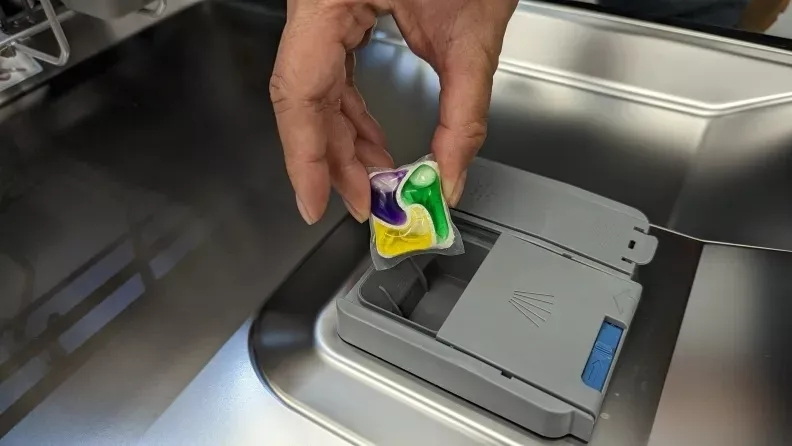
Dishwasher pods are not the only option. In very soft water, other detergent types may offer more control.
- Dissolves quickly in any water temperature.
- Easy to adjust: simply use less detergent for soft water.
- Helpful if you run shorter or lower-temperature cycles.
However, overpouring is still a risk, so measure carefully according to your water hardness and soil level.
- Often cheaper per load than pods.
- Very flexible dosage: you can use a small amount for soft water and small loads.
Powder, however, can clump if stored in humid conditions and may not fully dissolve if too much is used.
Even in soft water homes, pods remain popular because:
- They are convenient and mess-free.
- Overfilling the dispenser is impossible.
- Many premium pods include built-in rinse aid and additional cleaners.
With careful adjustments, pods can work just as safely as liquids or powders in soft water.
The main goal when using dishwasher pods in soft water is to find the sweet spot between too much and too little detergent.
To achieve this:
1. Know your water hardness.
Use a test strip or obtain data from your water supplier. Water under about 3 grains per gallon or 50 ppm is considered quite soft.
2. Follow the dishwasher manual.
Many user manuals include a chart that links water hardness to recommended detergent and rinse aid levels.
3. Adjust step by step.
If you see residue or etching, first lower rinse aid. If the issue persists, try switching to milder pods or reducing the amount.
4. Monitor results over several cycles.
Small changes may not show immediately on glassware; observe patterns over a week or more.
By methodically adjusting one factor at a time—rinse aid, pod type, cycle length, or dosage—you can tailor your setup to your exact water condition.
Using more detergent than necessary has both financial and environmental costs. In soft water, this risk increases unless usage is carefully controlled.
- Choose eco-certified pods with biodegradable surfactants and fewer phosphates.
- Always run full loads to maximize energy and water efficiency per cycle.
- Reduce wash temperature when dishes are only lightly soiled, since soft water and modern detergents clean effectively at lower temperatures.
- Avoid pre-rinsing under running hot water unless absolutely necessary; scrape food instead.
These practices help reduce detergent discharge into waterways while maintaining excellent cleaning performance.
Several persistent myths can lead to misuse of dishwasher pods in soft water conditions.
- “More detergent always means cleaner dishes.”
In soft water, the opposite is often true. Too much detergent can lead to film, etching, and dull finishes.
- “Soft water means I never need rinse aid.”
While soft water does reduce spotting, some machines still dry better with a small amount of rinse aid. The key is reduction, not automatic elimination.
- “All dishwasher pods are interchangeable.”
Formulas vary widely in strength, additives, and recommended usage. One brand might be perfect for your soft water system, while another is too aggressive.
- “Etched glass can be fixed with cleaning.”
True etching is permanent physical damage to the glass surface. Prevention by adjusting detergent use is the only reliable solution.
Understanding these realities helps avoid costly mistakes and premature damage to dishes.
Because water conditions, dishwasher models, and detergents vary, a bit of practical experimentation is often necessary.
1. Baseline test:
Use one full pod, normal cycle, current rinse aid level. Observe dishes and interior after drying.
2. Rinse aid adjustment:
Reduce rinse aid setting by one or two steps. Repeat the same cycle and compare results for spotting and clarity.
3. Detergent strength test:
If problems persist, try a milder pod brand or cut the pod in half (if feasible). Run the same cycle again.
4. Record your settings:
Note which combination produces clear, shiny dishes without residue or etching. Use that setup as your standard going forward.
This simple process helps identify the minimal effective detergent dose in your specific soft water environment.
Even in soft water, dishwashers need regular care to function efficiently.
- Clean the filter frequently to remove food debris that can trap detergent.
- Inspect spray arms for clogs and gently clear any blocked holes.
- Wipe door seals and corners where detergent and grease may accumulate.
- Run a hot cleaning cycle periodically with a dishwasher cleaner or vinegar to dissolve hidden film.
Proper maintenance improves cleaning power, reduces odors, and increases your appliance's lifespan, no matter what type of detergent you use.
You can safely use dishwasher pods with soft water, but the standard “one-pod-fits-all” approach does not always produce ideal results. Soft water boosts detergent efficiency, so full-strength pods may become overly powerful, leading to cloudy glassware, etching, or residue buildup.
The solution is to balance pod type, dosage, rinse aid settings, and wash cycles according to your specific water softness and dishwasher model. With a bit of testing and adjustment, dishwasher pods can deliver excellent cleaning performance, protect your dishes, and keep your machine running smoothly for years. Using only as much detergent as you truly need also reduces environmental impact and saves money over time.
Soft water increases the effectiveness of detergents because there are fewer minerals to interfere with cleaning agents. As a result, a standard dose of detergent may be stronger than needed, which can lead to residue, film, or glass etching if not adjusted.
In some situations, using half a pod can be beneficial, especially for lightly soiled loads or very soft water. If you notice cloudy glassware or residue, trying a half pod or switching to a milder formula is a practical way to reduce detergent strength without sacrificing cleanliness.
Rinse aid is not always necessary in soft water, but it can still improve drying and reduce minor spotting. Many soft-water households successfully use a low rinse aid setting rather than turning it off completely. Experimenting with reduced levels helps you find a balance between clear dishes and minimal chemical use.
Using too much detergent in soft water can cause cloudy or etched glassware, sticky or filmy residue on dishes, and a slippery feel on the interior of the dishwasher. Over time, buildup inside the machine may also affect seals, spray arms, and overall performance.
Yes. Some manufacturers offer detergents or pods marketed specifically for soft water or low-suds performance. These products typically contain milder formulas or reduced builders, helping to prevent overcleaning, film, and etching in homes with very soft water.


