
Views: 222 Author: Tomorrow Publish Time: 12-10-2025 Origin: Site


Content Menu
● Understanding How Dishwasher Pods Work
● Why Some People Consider Using Dishwasher Pods in Sink
● The Complex Chemical Composition of Dishwasher Pods
● The Hidden Risks of Using Dishwasher Pods in the Sink
>> 1. Skin Irritation and Allergic Reactions
>> 3. Toxic Fumes and Reactions
>> 6. Damage to Cookware and Utensils
● Safer and Smarter Alternatives for Handwashing Dishes
● What To Do If You've Already Used a Dishwasher Pod in the Sink
● Proper Storage and Safety Tips for Dishwasher Pods
● Environmental Impact of Misusing Dishwasher Pods
● Myths and Misconceptions About Dishwasher Pods
● Expert Advice for Safer Dishwashing Practices
● FAQ
>> 1. Can dishwasher pods damage my sink?
>> 2. What happens if the pod doesn't dissolve completely?
>> 3. Are dishwasher pods toxic to touch?
>> 4. Why do dishwasher pods produce little foam?
>> 5. Can I put a dishwasher pod in warm sink water just to soak dishes?
Dishwasher pods are one of the most convenient cleaning products in modern kitchens. They simplify washing by combining detergent, rinse aid, and other powerful cleaning agents into a single, pre-measured capsule. The simplicity of “pop it in and press start” has made them a staple in households worldwide. Yet, an interesting question often arises—can you use dishwasher pods in the sink instead of the machine?
At first glance, it might seem like an easy way to save time or detergent, especially when washing a few dishes by hand. However, the composition and intended use of dishwasher pods make this approach problematic. This article thoroughly explores what happens when you try to use a dishwasher pod in the sink, the associated risks, and better alternatives for handwashing dishes.
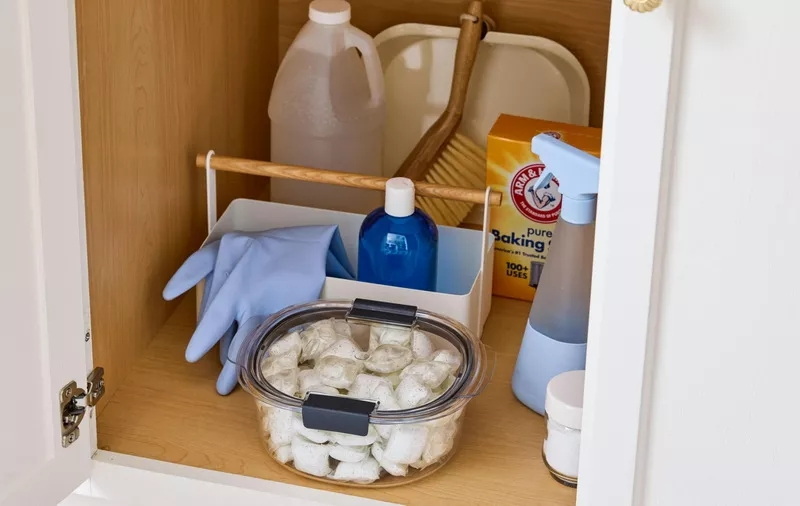
Dishwasher pods are designed to operate in a unique environment—one defined by high water pressure, specific temperature ranges, and mechanical water jets. Inside the dishwasher, water typically heats up to 130–150°F (55–65°C). These conditions are essential because many enzymes and detergents in the pods only activate at elevated temperatures.
A dishwasher pod is encased in a polyvinyl alcohol (PVA) film that dissolves upon contact with hot water. When released, the detergent mix performs several tasks simultaneously:
- Breaking down proteins, starch, and grease.
- Emulsifying oils and residues.
- Neutralizing odors and removing stains.
- Rinsing clean without leaving residue.
Because the chemical reaction inside the dishwasher is precisely calibrated, using the pod in cooler or hand-temperature water does not activate these reactions properly. The result is an incomplete clean, often leaving chalky residues or film on the dishes.
It's easy to understand the appeal of multitasking cleaning products. Dishwasher pods are compact, ready-to-use, and promise results that regular dish soap might not match. People may try using them in sinks for various reasons:
- They don't want to run a full dishwasher cycle for a small batch of dishes.
- They've run out of liquid dish soap and need a quick substitute.
- They assume a pod's concentrated formula can clean stubborn grease better.
- They desire a “deep clean” feel similar to that of freshly washed dishwasher loads.
- They were misled by social media cleaning hacks or incomplete online advice.
However, while these reasons are understandable, dishwasher pods were never engineered for manual dishwashing. Their benefits only appear under specific mechanical and thermal conditions, none of which occur in a typical sink setup.
To understand why dishwasher pods may cause trouble in sinks, it helps to know what's inside them. Their formulation is far more complex and potent than standard dish liquid. The primary ingredients are:
- Enzymes (Protease and Amylase): Break down organic materials like starch and protein residue. These are temperature-sensitive and perform best in high-heat, moist environments.
- Alkaline Builders (Sodium Carbonate, Sodium Silicate): Work to neutralize acids and improve cleaning performance. They can irritate human skin upon prolonged contact.
- Bleaching Agents (Oxygen-based or Chlorine compounds): Remove stains and sanitize dishes. In low temperatures, these can linger on surfaces.
- Nonionic and Anionic Surfactants: Facilitate cleaning by reducing surface tension, but they don't produce foam like traditional dish soaps.
- Rinse Aids and Polymers: Designed to minimize spotting and film, but only function as intended in dishwasher rinse cycles.
When used in the sink, these chemicals can behave unpredictably. Without high heat to fully dissolve or neutralize them, remnants can stick to dishes or even react harshly on delicate surfaces like aluminum or gold trim.
Using dishwasher pods for sink washing might seem harmless, but it poses several potential dangers—some of which are not immediately visible.
Dishwasher detergent is significantly harsher than liquid dish soap. It often contains caustic agents that can strip away oils from the skin, causing dryness, redness, or chemical burns. People with sensitive skin or eczema are especially vulnerable.
In cooler sink water, a dishwasher pod may not dissolve properly. This leads to partially activated detergent settling at the bottom or sticking to dishes, resulting in residue that is both unpleasant and potentially toxic if ingested later.
Some pods can release mild fumes when exposed to warm water. In a closed kitchen sink environment, these fumes can irritate eyes or sinuses. Combining pods with other cleaners like bleach or vinegar can create hazardous chemical reactions.
Each pod is precisely portioned for a full dishwasher load. Using one in a sink wastes most of the detergent, making it highly inefficient. You would spend much more per wash compared to using regular dish soap.
The undissolved residues or foamy mixtures can contribute to minor clogs or buildup in drains. Over time, this might lead to plumbing blockages or slow drainage, particularly if combined with food particles.
Some dishwasher detergents contain abrasives or oxidizers that can degrade delicate materials. Nonstick pans may lose their coating, aluminum may discolor, and hand-painted dishes could fade or chip.

If you prefer washing dishes manually, there are several safe, inexpensive, and eco-conscious options available that deliver strong results without the hazards:
- Regular Dish Soap: The most practical and safe solution for handwashing. It's designed to foam easily, lifting grease while being gentle on skin.
- Plant-Based or Eco Detergents: Formulated without harsh chemicals or phosphates. Great for sensitive skin and environmentally safe.
- White Vinegar Mixture (1:4 vinegar to water): A natural degreaser that also removes mineral buildup.
- Baking Soda Paste: Create a gentle scrub by mixing baking soda with a small amount of water. Excellent for stuck-on food or stains.
- Warm Water Soak: For tough pots or pans, simply soak them in warm, soapy water for 15–20 minutes before scrubbing.
These solutions are designed for direct contact, easy rinsing, and consistent results without health risks.
If you've already tried washing dishes with a dishwasher pod—don't panic. Follow these quick steps to minimize potential harm:
1. Rinse all dishes thoroughly with hot running water to remove every trace of detergent.
2. Scrub again using regular dish soap and a sponge to neutralize leftover chemicals.
3. Clean the sink so undissolved pod residue doesn't dry or react with other cleaners.
4. Inspect delicate items for any film, discoloration, or rough spots.
5. Wear gloves next time if any contact occurs, especially if your skin feels irritated.
If irritation continues after handling detergent, rinse the affected area with plenty of water and apply mild moisturizer. Seek medical attention if burning or redness persists.
Accidental misuse often happens due to unclear labeling or improper storage. Here are some essential safety measures to ensure proper handling:
- Store in a cool, dry place. Heat and moisture can cause pods to dissolve prematurely.
- Keep out of reach of children and pets. Their colorful, candy-like appearance can attract curiosity.
- Handle with dry hands. Wet fingers can cause capsules to burst or stick together.
- Never puncture or cut pods open. They are designed for enclosed release inside a dishwasher.
- Always read the manufacturer's instructions. Different brands may include unique safety guidelines.
Adhering to these practices not only maintains product integrity but also ensures a safer household environment.
Modern dishwashing pods often come with eco-friendly formulations, yet they still contain concentrated chemicals that require proper dilution and controlled wastewater processing. Using them in uncontrolled settings like sinks increases the concentration of these chemicals entering household drainage systems.
This improper usage can:
- Contribute to chemical runoff, impacting aquatic life.
- Overwhelm septic systems if not properly neutralized.
- Generate excess packaging waste when pods are used inefficiently.
- Result in more frequent water consumption for rinsing.
Switching to biodegradable soaps for handwashing and reserving pods exclusively for dishwashers helps maintain a more sustainable cleaning routine.
There are a few persistent myths circulating online about dishwasher pods and their supposed versatility. Let's clarify some of them:
- Myth 1: Dishwasher pods clean anything.
Fact: They're formulated for high-temperature mechanical washing and can damage delicate items or fabrics.
- Myth 2: Using one pod in the sink saves detergent.
Fact: It wastes detergent, as the concentration is far too high for the small amount of water in a sink.
- Myth 3: Dishwasher pods work as laundry detergent.
Fact: They should never be substituted for laundry products; the ingredients differ entirely.
- Myth 4: You can cut pods in half to reduce the dose.
Fact: Opening or splitting them exposes skin to harsh chemicals and disrupts their balance.
Dispelling these myths reinforces the importance of using cleaning products as directed by their manufacturers.
Home cleaning experts and product chemists emphasize the importance of product specificity—using each cleaner where it is meant to be used. According to appliance manufacturers, even small deviations (like using dishwasher detergent for handwashing) can reduce cleaning effectiveness, waste resources, and lead to health risks.
When choosing dishwashing products:
- Match the detergent to your cleaning method (machine or handwash).
- Check for eco-certifications such as EPA Safer Choice or EU Ecolabel.
- Choose fragrance-free or hypoallergenic versions if you have sensitive skin.
- Follow proper temperature recommendations for best results and safety.
By adopting these careful habits, dishwashing becomes easier, safer, and more environmentally responsible.
So, can you use dishwasher pods in the sink? The answer is no—at least not safely or effectively. Dishwasher pods are specialized products engineered for use in high-temperature, enclosed environments that dishwashers provide. When used in a sink, their chemical concentration, activation process, and safety profile no longer function as intended.
While they may look similar to ordinary dish soap in their cleaning potential, their real power depends on controlled conditions. Using them incorrectly risks skin irritation, residue buildup, wasted detergent, and even environmental harm.
For effortless and safe dishwashing, stick to products designed for hand use. A good-quality liquid dish soap or eco detergent will always outperform dishwasher pods in the sink, ensuring clean dishes, safe handling, and peace of mind.
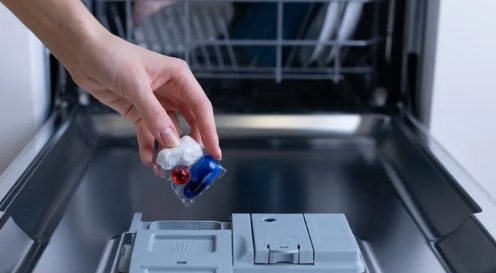
Yes. Prolonged exposure to concentrated chemicals from dishwasher pods can dull or corrode certain sink materials such as stainless steel, enamel, or stone coatings.
If it remains undissolved, detergent residue can stick to your dishes or sink. Always rinse thoroughly with hot water to ensure full removal.
While not immediately lethal, the chemicals inside can irritate skin and eyes. Direct contact should always be avoided, and gloves are recommended if handling damaged pods.
They're designed to clean through mechanical action and chemical reactions, not foam. Suds actually interfere with dishwasher performance, so pods use low-foaming agents.
No. Even soaking dishes in water mixed with pod chemicals can leave residue that's hard to rinse away completely. Use diluted vinegar or dish soap instead.


