
Views: 222 Author: Tomorrow Publish Time: 12-10-2025 Origin: Site


Content Menu
● Understanding the Difference Between Dishwasher Pods and Washing Machine Cleaners
● What Actually Happens When You Use Dishwasher Pods in a Washing Machine?
● Why People Are Tempted to Try Dishwasher Pods
● A Proper Cleaning Routine for Washing Machines
>> Step-by-Step Cleaning Guide
● Safer and Effective Alternatives to Dishwasher Pods
● Understanding How a Washing Machine Self-Cleans
● Potential Damage and Manufacturer Warnings
>> Key Risks Highlighted by Manufacturers
● Signs That Your Washing Machine Needs Deep Cleaning
● Preventive Maintenance Tips for Long-Term Use
● Environmental Impact of Using the Wrong Cleaner
● When to Call for Professional Cleaning
● Common Misconceptions About Washer Cleaning
● Health Considerations When Using Improper Cleaners
● FAQ
>> 1. Can one dishwasher pod harm a washing machine?
>> 2. What is the best product to clean a washing machine?
>> 3. Can I mix vinegar with laundry detergent?
>> 4. How often should I clean my washing machine?
>> 5. Why does my washing machine still smell after cleaning?
Online cleaning hacks often promise effortless ways to deep clean household appliances. Among these, one question draws special curiosity: Can you use a dishwasher pod to clean a washing machine? On the surface, it sounds clever. Both appliances use detergent, hot water, and rotation to clean. However, their chemistry, design, and cleaning needs are vastly different.
While this hack may seem harmless or even ingenious at first, understanding what really happens when you place a dishwasher pod in a washing machine is crucial. This article explores whether dishwasher pods are safe, what risks they bring, the right alternatives, and detailed maintenance tips to keep your washer performing like new.
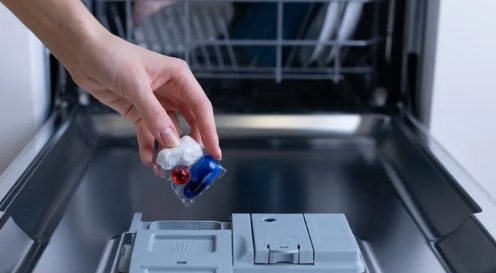
Dishwasher pods and laundry detergents are entirely different formulations. Each is engineered to withstand specific mechanical actions, water temperatures, and material types.
Dishwasher pods contain high-alkaline cleaning agents, bleach, and strong enzymes to break down food scraps, grease, and proteins from dishes. These ingredients are powerful but harsh. They rely on high water pressure and heat temperatures exceeding 140°F (60°C) to fully activate and dissolve.
Washing machines, however, deal with fabrics. Laundry detergents are low-sudsing, pH-balanced, and designed to gently remove oils and dirt without damaging fibers or rubber parts. They dissolve well even at lower temperatures and are formulated to protect sensitive materials and machine components.
When you use a dishwasher pod in a washer, you force an incompatible chemical reaction: the pod may foam excessively, fail to dissolve, or corrode the interior lining. The differences in foam control, surfactant strength, and pH balance make dishwasher pods unsuitable for this purpose.
The immediate result may appear impressive—the drum looks shiny or smells cleaner after one cycle—but beneath the surface, problems are brewing.
- Excessive Suds: Dishwasher pods are not engineered for low-sudsing environments. This leads to overfoaming, interfering with the washer's drainage and spin functions.
- Residue in the Drum or Dispenser: The pod may not dissolve fully, especially during cooler water cycles. Unused detergent hardens into chalky residue that traps dirt and bacteria over time.
- Chemical Smell: Residual chemicals can linger, giving laundry a scent similar to detergent chemicals or chlorine.
- Seal and Gasket Damage: The rubber door gasket and hoses are sensitive to strong bleach and alkalinity, which cause cracking or brittleness.
- Sensor and Pump Issues: Excess foam confuses electronic load sensors and can cause pump malfunction.
- Warranty Risks: Using unapproved cleaners can void the manufacturer's warranty if damage occurs.
- Fabric Impact: Dishwasher detergent lacks softening agents and may leave chemical traces on fabric, irritating sensitive skin.
Although the machine may seem clean initially, repeated misuse shortens its lifespan and degrades performance.
The appeal of the dishwasher pod hack stems from social media trends that glamorize quick solutions. A few influencers drop pods into grimy washers and post videos of sparkling results. In those short clips, it looks magical—a perfect, cheap alternative to specialized cleaners.
In reality, these demonstrations show only short-term visual effects. They neglect the science behind detergent composition and the gradual wear caused to internal components. Additionally, many users performing these hacks may already have detergents or machines capable of self-cleaning; the results are deceptive.
Humans love shortcuts, especially for chores. Cleaning a washer can feel tedious, so the idea of using an all-in-one pod seems easier. But ease doesn't equal safety. Manufacturers spend years refining detergent chemistry; ignoring those differences to chase convenience can cost hundreds in repairs later.
Instead of experimenting with unconventional detergents, use tried-and-true cleaning methods designed specifically for washing machines.
1. Empty the Washer: Always clean when the drum is free of clothes.
2. Select the Hottest Setting: Heat helps break down mold, detergent residue, and bacteria.
3. Add a Specialized Cleaner: Use a washing machine cleaning tablet or powder recommended by appliance brands.
4. Clean the Gasket: Mix white vinegar and water in equal parts, then wipe the rubber seal to eliminate mildew.
5. Scrub the Detergent Drawer: Remove the compartment and rinse it with hot water.
6. Clean the Drum Manually: Dip a cloth in vinegar and baking soda mix to wipe the drum surface.
7. Run a Second Rinse Cycle: This removes leftover cleaner or residue.
8. Air Dry: Keep the door open to prevent moisture buildup and odor.
This cleaning process only takes about an hour but significantly extends your machine's life and freshness.
Household ingredients can deliver equally strong cleaning power without damaging your washer.
- White Vinegar: Dissolves hard water deposits and neutralizes odors.
- Baking Soda: Adds gentle abrasion that loosens grime without scratching.
- Lemon Juice: Works as a natural bleaching and deodorizing agent.
- Hydrogen Peroxide: Kills bacteria and whitens interior surfaces gently.
- Commercial Washing Machine Cleaners: Formulated for both front-load and top-load washers with balanced pH.
To deep clean naturally, pour 2 cups of vinegar directly into the drum, add 1/4 cup of baking soda, and run a full hot water cycle. This combination effectively destroys mildew and detergent residue without introducing harsh chemicals.
Many modern washers come with a “tub clean” or “drum clean” cycle. These programs reach higher temperatures and flush the internal parts with extra water flow to remove residues.
When combined with approved cleaning products, this built-in feature eliminates the need for DIY experiments. The self-clean cycle often runs longer than a wash cycle and uses more water intentionally to rinse hidden corners of the drum, pipes, and dispenser.
If your washer offers this setting, schedule it monthly. Doing so ensures long-term cleanliness and prevents odor.
Most manufacturers, including Whirlpool, LG, Samsung, and Bosch, explicitly caution users not to mix dishwasher and laundry products. Using unsuitable cleaners can invalidate the warranty because such practice is treated as misuse or neglect.
- Control Board Malfunction: Sud overflows can cause moisture to contact electronic components.
- Drain Blockage: Undissolved detergent reduces water flow efficiency, leading to clogs.
- Seal Deterioration: Consistent exposure to high-pH chemicals weakens rubber elasticity.
- Fading or Staining Clothes: Dishwasher detergents may contain bleach agents unsuitable for fabrics.
Always refer to the appliance manual when unsure which cleaners to use. The guidance provided by manufacturers is based on extensive testing under controlled conditions and ensures safe maintenance.
A washing machine might function normally yet develop internal buildup invisible to the naked eye. Early detection helps avoid unpleasant odors or poor wash quality.
Common warning signs include:
- Persistent musty smell from the drum even after running cycles.
- Residue or lint sticking to freshly washed clothes.
- Water draining slowly or leaving small pools in the drum.
- Cloudy glass door or slime buildup around the rubber gasket.
- Loud or uneven spinning, suggesting residue accumulation on internal components.
Addressing these issues promptly with proper cleaners maintains the machine's hygiene and performance.
Taking small preventive measures after each laundry session can prevent the need for deep cleaning later.
- Use appropriate detergent quantity based on load size to avoid soap buildup.
- Avoid excessive use of cold water cycles; occasional hot washes kill bacteria.
- Wipe and air-dry the door gasket after each use to prevent mold.
- Open the washer door slightly after every cycle to reduce humidity.
- Clean the filter and hoses monthly to remove lint or foreign objects.
- Never overload the washer; give clothes enough space for proper rotation and detergent dispersion.
These habits are simple yet highly effective in keeping your machine fresh, efficient, and odor-free.
Besides personal risks, using dishwasher pods in washing machines carries an environmental footprint. Dishwasher detergents contain chemicals formulated to handle food residue and grease that require more aggressive surfactants. When flushed through laundry drainage, they introduce phosphates or bleach residues into wastewater systems.
In contrast, laundry detergents are often biodegradable and phosphate-free, complying with textile safety regulations. Using the wrong type increases the pollutant load, negatively impacting local water ecosystems. Choosing environmentally appropriate cleaners helps align household maintenance with eco-friendly practices.
In some cases, visible buildup or persistent odor might not vanish even after repeated self-cleaning. This is often due to grime lodged deep in internal pipes, heaters, or lint traps. If your washer still smells or clothes come out with residues despite regular cleaning, it's wise to schedule a professional service.
Technicians can dismantle the machine, clean hidden sections, and reassemble it safely. Most major brands recommend a technician inspection once every 12–18 months, especially for high-frequency users or families living in hard-water areas.
Many homeowners hold misconceptions about cleaning their washers. Let's debunk a few:
- “Hot water alone cleans everything.” False. Heat helps but doesn't dissolve heavy detergent scum or mold; you need an active cleaner.
- “Any detergent cleans equally.” Different machines need specific chemical properties; mixing types creates imbalance.
- “Odor means mechanical failure.” Usually, odor indicates bacterial buildup—solvable with proper cleaning.
- “More detergent means cleaner clothes.” Excess detergent leaves residues that attract dirt and damp odors.
Recognizing these myths prevents damage and saves unnecessary repair costs.
Another overlooked aspect is health. Washing machines that retain residues from incompatible cleaners may leave chemical traces on fabrics. These residues can irritate skin, particularly for infants or people with allergies. Dishwasher pods sometimes contain chlorine bleach, which can adhere to fabric fibers and cause subtle discoloration or rashes upon contact.
Long-term exposure to detergent residues can also reduce the absorbency of towels and alter the breathability of cotton garments. Maintaining a chemically balanced washer ensures a safer environment for your family.
So, can you use a dishwasher pod to clean a washing machine? The clear answer is no. Dishwasher pods, though convenient and powerful, are chemically incompatible with washing machines. Their harsh formula, high alkalinity, and foaming properties lead to residue buildup, damaged seals, and potential appliance issues over time.
A smart homeowner focuses on preventive care and compatible cleaners—either commercial washing machine cleaners or safe natural ingredients like vinegar and baking soda. Regular cleaning cycles, proper laundry habits, and adherence to manufacturer recommendations guarantee optimal performance, energy efficiency, and longer appliance life.
In the long run, understanding your washing machine's needs is not just about cleanliness but about protecting your investment and ensuring hygiene for every load you wash.

A single pod might not cause immediate damage, but it can leave heavy residues or weaken seals. Repeated use may corrode rubber gaskets or confuse foam sensors, leading to malfunction over time.
Dedicated washing machine cleaners such as Affresh, Tide Washing Machine Cleaner, or natural solutions like vinegar and baking soda deliver effective results without risk.
It's best not to. Vinegar's acidity can neutralize laundry detergent's cleaning agents. Use vinegar separately during an empty maintenance cycle instead.
For regular users, clean once a month. If your machine handles fewer loads, every 2–3 months is sufficient. Frequent cleaning ensures hygiene and prolongs its service life.
Persistent odor suggests hidden mold or soap scum in internal hoses. Try using higher temperature cycles or contact professional service for a deep clean.


