
Views: 222 Author: Tomorrow Publish Time: 12-08-2025 Origin: Site


Content Menu
● Understanding What a Tide Pod Is
● How Dishwasher Detergents Differ
● The Main Difference Between Laundry Pods and Dishwasher Pods
● What Happens If You Use a Tide Pod in the Dishwasher?
● Misconceptions About Using Laundry Detergent in a Dishwasher
● Are There Any Situations Where It's Safe?
● Why Dishwashers Need Their Own Type of Detergent
● The Environmental Impact of Misuse
● How Misusing Tide Pods Can Damage Your Dishwasher
● What to Do If You Already Used a Tide Pod in the Dishwasher
● Preventing Detergent Confusion in the Future
● The Science Behind Proper Cleaning Agents
● Benefits of Using the Right Dishwasher Detergent
● FAQ
>> 1. Can you use laundry pods in a dishwasher in emergencies?
>> 2. What happens if I accidentally used a Tide Pod?
>> 3. Are there any multipurpose cleaning pods available?
>> 4. Is it dangerous to eat from dishes washed with a Tide Pod?
>> 5. What detergent should I use for the best results in my dishwasher?
In the modern home, convenience is king. Consumers want cleaning products that are quick, efficient, and easy to use. Among the most successful inventions in this category are Tide Pods. These compact, pre-measured packets have simplified laundry routines across the globe. However, their popularity has also sparked curiosity and confusion: can a Tide Pod replace a dishwasher detergent pod? At first glance, the idea seems efficient—after all, both are pods designed to clean. But once you look deeper, the differences between them become critically important.
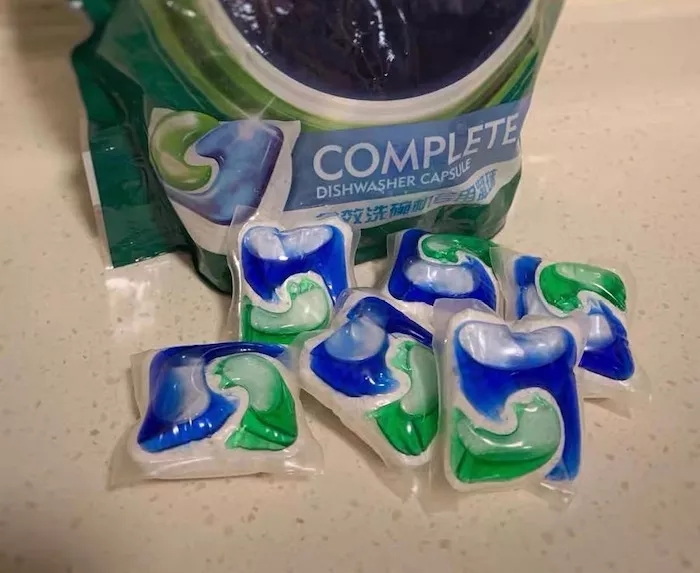
A Tide Pod is a small, soluble package filled with concentrated laundry detergent, sometimes combined with brighteners, fabric softeners, and scent enhancers. Once it dissolves in water, it releases a mixture of ingredients specifically engineered to clean fabrics, remove tough stains, and maintain color vibrancy.
Laundry detergent formulas rely on a mix of surfactants (to lift oils and dirt), enzymes (to break down organic residues), and additives (for softness and scent retention). These components work exceptionally well on cotton, synthetics, and blends—but not on glass, ceramics, or metal. This formulation difference is the key reason a Tide Pod doesn't belong in your dishwasher.
Dishwasher detergents—whether powder, gel, or pod—are tailored to handle grease, food residues, and baked-on grime. They often include enzymes that target starch and protein, as well as low-foaming surfactants that prevent excessive suds. Unlike laundry detergents, dishwashing formulas must rinse completely and leave no film behind.
Additionally, dish detergents frequently contain anti-spotting agents, water softeners, and pH buffers to tackle hard water. These chemicals are safe for surfaces that come into contact with food but would be too harsh for fabrics. Laundry pods, by contrast, prioritize fabric safety over food-grade cleanliness.
At first sight, laundry pods and dishwasher pods appear nearly identical: small, colorful capsules meant for one-time use. However, the overlap ends there. Their chemical compositions serve entirely different environments.
Key differences include:
- Foaming behavior: Laundry pods produce heavy foam, ideal for soaking and agitating fabrics. Dishwasher pods are formulated to minimize foam because trapped bubbles can disrupt the spray arms' cleaning efficiency.
- Residue control: Dishwasher detergents are designed to rinse off completely under high heat. Laundry chemicals can cling to metal or glass surfaces, leaving an unpleasant soapy film.
- Fragrance compounds: Tide Pods incorporate strong fragrances unsuitable for food contact. Ingesting even trace residues left on dishes can be unhealthy.
- Functional enzymes: Laundry pods fight body oil and grass stains. Dishwasher pods attack proteins, starches, and fats from cooked meals.
These distinctions exist because dishwashers and washing machines operate under very different conditions and serve distinct cleaning needs.
It might seem harmless to substitute a Tide Pod just once. However, the reaction inside the appliance can be disastrous. Here's what can happen step-by-step:
1. Foam overflow: The high-foaming agents in a laundry pod can cause soap suds to spill out of the dishwasher, flowing onto the floor and surrounding cabinetry.
2. Machine malfunction: The foam can trick the machine's sensors, confuse water-level readings, and even clog the pump or drain filter.
3. Residue on dishes: Laundry detergents don't rinse clean. After the cycle ends, dishes may appear cloudy or slippery to the touch.
4. Strong odors and taste: Because laundry pods contain perfumes and softeners, they can leave behind a synthetic scent or even taste contamination on kitchenware.
5. Health risks: Laundry detergents are not food-safe. Trace chemicals can linger on utensils and plates, posing ingestion or skin contact risks during meals.
In severe cases, repeated misuse can lead to permanent damage to your dishwasher's interior components and seals.
Many online cleaning “hacks” suggest using whatever detergent is available during emergencies, but these shortcuts often cause more harm than good.
Some myths to dispel:
- Myth 1: “Detergent is detergent.”
False—each formula is tailored to specific cleaning physics and chemistry.
- Myth 2: “Just one pod won't hurt.”
Even a single wash can cause residue accumulation or sensor failure.
- Myth 3: “Laundry soap cleans better.”
Laundry detergent destroys organic stains on fabric through friction and foam, which doesn't translate to efficient dishwashing.
When dealing with appliances that handle food items, safety and formulation precision always outweigh convenience.
Unfortunately, none. Even emergency use poses risks. Tide Pods cannot dissolve correctly at the temperatures or spray cycles of a dishwasher. They also lack the degreasing enzymes necessary to break down oily food residue. Therefore, they fail at cleaning while introducing contamination and mechanical strain.
If you've run out of dishwasher detergent, consider quick, temporary alternatives:
- A teaspoon of baking soda for deodorizing and mild cleaning.
- A splash of white vinegar in the rinse compartment to prevent spotting.
- Or, better yet, wash by hand until you can purchase the right product.
While these methods aren't perfect, they avoid the damage that laundry products might cause.

Dishwashers rely on high-pressure jets of water, elevated temperatures, and a controlled, foam-free wash cycle. This process depends on detergents that chemically alter grease and food scraps while minimizing suds. Dishwashing detergents contain:
- Non-ionic surfactants that break down oils efficiently at high temperatures.
- Enzymes designed for starch and protein degradation.
- Rinse aids to eliminate water spots.
- Bleaching agents for sanitization.
Laundry detergent lacks most of these components. Its design prioritizes longer soaking times, mechanical agitation, and soft water movement, none of which occur inside a dishwasher.
Chemical misuse doesn't just harm your appliances—it can also harm the environment. Improper detergents release excess foam and residues into wastewater systems. These residues often contain phosphates, scents, and dyes not intended for food-safe discharge.
Moreover, repeating cycles to fix poor wash results increases water and energy waste. Responsible cleaning means using eco-certified products suited for each task. Many brands now offer plastic-free dishwasher tablets that dissolve quickly and biodegrade safely, combining cleanliness with sustainability.
Beyond temporary inconvenience, using Tide Pods can have lasting repercussions for your appliance. The foamy residue from laundry detergent can:
- Block spray arms and prevent proper water distribution.
- Clog filters, forcing your machine to work harder.
- Cause motor strain, shortening the dishwasher's lifespan.
- Create unpleasant odors, as leftover residues mix with food waste over time.
Repairs for these issues can cost anywhere from \$150 to over \$400, depending on parts and labor. Most warranties exclude coverage for misuse, meaning the homeowner bears full responsibility.
Mistakes happen, and it's possible you've already tried this once before noticing foamy floods or cloudy dishes. Here's how to handle it safely:
1. Stop the dishwasher immediately. This prevents further foaming or overflow.
2. Open the door and scoop out as much visible foam as possible using a towel or bowl.
3. Wipe the interior surfaces thoroughly to remove detergent residue.
4. Pour half a cup of white vinegar in the base of the machine to neutralize leftover soap.
5. Run an empty rinse cycle with hot water to clear out remnants.
6. Clean the filters and spray arms carefully before the next real wash.
Doing this ensures all traces of laundry detergent are eliminated before you resume normal dishwashing.
Given how similar pods and tablets can look, it's easy to reach for the wrong one. To avoid this problem:
- Store Tide Pods and dishwasher pods in separate locations within your home.
- Label bins or containers clearly.
- Teach everyone in the household, including children, the difference in use and safety.
- Purchase distinct pod colors or shapes if your brands offer variety.
These small practices can save you time, money, and equipment damage.
Every detergent, whether for laundry or dishes, operates on chemistry. The three essential principles—temperature, mechanical action, and chemical balance—determine how effectively something cleans. Dishwashers rely on extremely high temperatures (up to 150°F or 65°C) to sterilize dishes. Laundry cycles, by contrast, rely on mechanical agitation and longer soak times.
Therefore, detergents are optimized for their environment. Substituting one for another disrupts that delicate balance, causing poor results and unnecessary wear.
When used correctly, the proper detergent yields strong results and enhances your appliance's performance. Benefits include:
- Crystal-clear glassware without streaks.
- Sanitized dishes free of harmful bacteria.
- Prolonged machine lifespan due to decreased residue.
- Energy efficiency, as no re-washing is required.
- Fresher-smelling kitchenware after each cycle.
The difference is noticeable almost instantly after switching to a certified, high-quality dishwasher detergent.
Using a Tide Pod in a dishwasher might sound like a clever shortcut, but it's a mistake that often leads to costly consequences. Laundry pods and dishwasher detergents are products engineered for specific environments, using distinct chemical principles. Substituting one for the other can cause foam overflow, poor cleaning, residue buildup, and even hardware damage.
To ensure both your dishes and your appliances remain in top condition, always select the correct detergent for the job. Dishwashers need low-foaming, food-safe cleaning agents designed for grease removal and sanitization, while Tide Pods belong strictly in the laundry room. Choosing wisely will protect your health, your home, and your wallet.

No. Laundry pods create excessive foam and leave unsafe residues. If detergent runs out, rinse dishes manually or use a small amount of baking soda and vinegar temporarily.
Stop the wash cycle, clear the foam, and run an empty rinse with vinegar. Inspect filters and drains before normal use to prevent long-term issues.
Not currently. Laundry and dishwashing detergents require different enzymes and pH balances. No safe dual-use cleaning pods exist on the market.
Yes. Laundry detergent leaves chemical residues that are not food-safe. Always rewash affected dishes using proper dishwasher detergent before reuse.
Use products like Cascade Platinum, Finish Quantum Infinity Shine, or biodegradable options such as Ecover or Seventh Generation. They provide powerful cleaning while preserving machine health.


