
Views: 222 Author: Tomorrow Publish Time: 12-06-2025 Origin: Site


Content Menu
● Understanding How Dishwasher Pods Work
● How Laundry Detergent Differs
● What Happens If You Use a Dishwasher Pod in Laundry?
>> After Drying
● Why Mixing the Two Is Unsafe
● Eco-Friendly and Safe Alternatives
● How to Fix the Problem if You Already Used a Dishwasher Pod
● Environmental Considerations
● How to Choose the Right Product
● Laundry Safety and Storage Tips
● Additional Signs of Detergent Misuse
● Common Myths About Cleaning Pods
● Final Tips for Safe and Effective Laundry
● FAQ
>> 1. Can I use dishwasher detergent for emergency laundry?
>> 2. What should I do if my clothes smell like detergent after using a dishwasher pod?
>> 3. Can dishwasher pods ruin a washing machine?
>> 4. Are there any cleaning pods usable for both laundry and dishes?
>> 5. What's the best eco-friendly alternative to dishwasher pods for laundry?
Many people have accidentally or intentionally tried using a dishwasher pod in their washing machine, thinking it might clean clothes just as effectively as dishes. At first glance, the idea seems reasonable—they're both cleaning agents that dissolve in water and remove dirt. However, the reality is quite different.
This article explores what happens if you use a dishwasher pod in the laundry, why it's not recommended, the chemical and mechanical reasons behind it, safe alternatives, environmental effects, and what to do if you've already made the mistake. By understanding how these cleaning products differ, you can avoid damage to fabrics, appliances, and even your health.

Dishwasher pods are engineered to tackle tough grease, dried food residue, and hard-water film. They are compact, pre-measured cleaning capsules that usually contain three main components: detergents, rinse aids, and enzymes.
- Detergents break down fats and oils from dishes, cutlery, and cookware.
- Enzymes digest starches and proteins from dried-on food particles.
- Rinse aids help water sheet off glassware to prevent spots or haze.
Dishwashers work under conditions very different from washing machines. They use extremely hot water, high-pressure water jets, and minimal agitation. The pods are built to dissolve in those conditions—meaning they activate best at temperatures higher than 120°F (49°C) and are optimized for hard surfaces, not fabrics.
The pH levels in dishwasher detergents are also higher (more alkaline), which helps cut through food grease but can weaken fibers and strip dyes from clothing.
Laundry detergents are carefully formulated for textiles of all kinds—cotton, wool, synthetic blends, and even delicate fabrics. They focus on removing organic stains such as body oils, sweat, grass, and dirt while maintaining fabric integrity.
Unlike dishwasher pods, laundry detergents balance multiple functions:
- Surfactants: Lower water surface tension, allowing stains to lift away.
- Enzymes: Target specific stain types (protein, starch, oil).
- Builders: Soften hard water, improving cleaning efficiency.
- Optical brighteners: Make colors appear cleaner and more vibrant.
- Fabric-safe pH levels: Prevent fiber damage and maintain elasticity.
The gentle yet effective composition of laundry detergents ensures cleanliness while protecting clothing texture. Dishwasher pods, being more caustic, lack these protective features, leading to potential damage when misused.
Placing a dishwasher pod into a washing machine may seem like a harmless experiment, but the results can be disastrous. Here's what typically happens at different stages of the wash cycle.
Dishwasher detergents foam differently because dishwashers rely on mechanical spraying rather than regular agitation. When used in laundry, the pod can produce excessive suds, confusing the machine's sensors and possibly causing overflow. High-efficiency washers are especially sensitive to this issue since they are designed for low-sudsing detergents.
Dishwasher pods may not rinse out properly, especially in cold or moderate water. You might notice slimy residue or sticky spots on your garments. This residue often traps in fabric fibers, causing unpleasant odors and irritation.
As clothes dry, the remaining chemicals—mainly bleach-like compounds or surfactants—can stiffen the fabric and alter color vibrancy. In some cases, colored clothing may fade unevenly, and whites may develop yellowish patches from detergent oxidation.
Using dishwasher pods repeatedly can lead to:
- Fiber degradation and thinning over time.
- Stiff or rough fabric texture.
- Persistent detergent smell.
- Washer buildup that interferes with proper rinsing.
Even one accidental wash can cause enough damage that certain clothes might never feel or look the same.
Dishwasher and laundry detergents serve distinct chemical purposes. Mixing them—or using one in place of the other—creates risk because of differences in pH balance, temperature activation, and ingredient behavior.
Dishwasher pods often contain ingredients unsuitable for textiles, including:
- High alkalinity compounds (for grease removal).
- Chlorine or oxygen bleaches (for stain whitening).
- Abrasive enzymes (for food particle breakdown).
- Rinse aids and salts (for spot prevention on glass).
In contrast, laundry detergents consider fabric porosity and the need for flexible rinsing, balancing surfactants and softeners. The harshness of dishwasher ingredients disrupts that balance and compromises both fabric and washing machine health.
Beyond damage to your wardrobe, there are notable health concerns associated with using dishwasher pods in laundry.
1. Skin Irritation: Residual detergent on fabrics may cause rashes, redness, or itching, especially for infants or people with eczema.
2. Chemical Burns: Highly concentrated alkaline compounds can trigger mild burns upon prolonged contact.
3. Respiratory Issues: When pods react unpredictably in washing machines, strong fumes or vapors may form during hot cycles.
4. Allergic Reactions: Fragrances and enzyme combinations in dish detergents are not dermatologically tested for textile use.
While these risks vary by product, they highlight why following manufacturer usage guidelines matters. Cleaning products, though powerful, are not universally interchangeable.
If your goal is to reduce waste, save money, or simplify household cleaning, there are safer solutions than using dishwasher pods for laundry.
- Laundry Pods: Pre-measured and fabric-safe versions exist, tailored for washers.
- Liquid Detergents: Great for quick dissolving and stain pretreatment.
- Powder Detergents: Effective for heavy-duty cycles and whitening surfaces.
- Laundry Sheets or Strips: Eco-friendly choices that reduce plastic packaging.
- Baking Soda: Helps deodorize and maintain freshness.
- White Vinegar: Works as a natural softener and odor neutralizer when added during rinse cycles.
- Lemon Juice: Lightens stains naturally due to its mild acidity.
- Borax: Acts as a water softener, boosting detergent performance.
Eco-conscious laundry doesn't require risky shortcuts. Properly formulated detergents work efficiently while keeping both clothes and the planet safe.
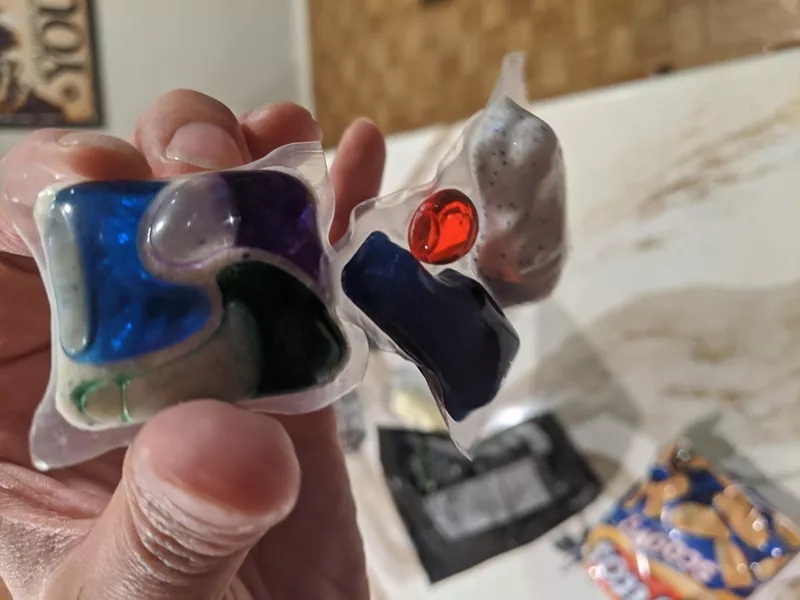
Accidents happen, especially when pods look similar. If you've already used one by mistake, you can minimize the damage with these steps:
1. Pause the Machine Immediately – If you notice excess suds, stop the wash before it continues.
2. Remove Excess Foam or Residue – Use paper towels or a damp cloth to wipe visible soap.
3. Run an Empty Rinse Cycle – This flushes leftover chemicals.
4. Rewash Clothing with Proper Detergent – It removes films and odors.
5. Clean the Washer Drum Thoroughly – Dishwasher chemicals might coat internal areas.
6. Dry Normally in Fresh Air – Avoid a dryer until you're sure the residue is gone to prevent chemical heating.
Acting quickly often saves both your machine and your clothing from permanent issues.
Dishwasher detergents, particularly older formulas, may contain phosphates and non-biodegradable compounds that harm aquatic ecosystems. When foamy wastewater enters drains from washing machines, it can disrupt local sewage balance and increase chemical pollution.
Laundry detergents are often formulated with safer, eco-compliant ingredients and controlled biodegradability. Many brands today advertise phosphate-free, low-chemical blends suitable for community wastewater standards. Choosing eco-certified or plant-based brands helps protect both waterways and your home environment.
Another eco-benefit: when products are used correctly, they require smaller doses to achieve good results. Misuse, like substituting a dishwasher pod, wastes energy and water since it usually triggers extra rinse cycles to handle residue.
Selecting the right detergent makes all the difference for clean, soft, and long-lasting clothes.
1. Check for Washer Compatibility: Front-load or HE washers need low-suds formulas.
2. Know Your Water Type: Hard water areas benefit from detergents with built-in softeners.
3. Understand Fabric Needs: Use gentle or hypoallergenic detergents for baby clothes or sensitive skin.
4. Consider Fragrance Sensitivity: Opt for fragrance-free options if odors or allergies are a concern.
5. Follow Manufacturer Directions: Avoid “more is better.” Too much detergent can oversaturate fabrics, making rinsing incomplete.
Simple awareness during purchase prevents costly mistakes later.
Keeping your household organized and accident-free extends beyond using the correct detergent.
- Store Pods Separately: Keep dishwasher and laundry pods in different places to avoid confusion.
- Label Containers Clearly: Never repackage detergents into unmarked jars or bottles.
- Keep Out of Children's Reach: Colorful pods may look like candy.
- Ventilate Laundry Rooms: Some cleaning agents release mild vapors that need airflow.
- Clean Your Washer Monthly: Run an empty hot-water cycle with white vinegar to dissolve buildup.
Smart storage keeps your cleaning areas safe and reduces waste.
If your washing machine or laundry routine has any of these issues, you might be using the wrong type of detergent:
- Persistent soap smell after drying.
- Cloudy or grayish whites.
- Unexpectedly faded colors.
- Slime or white powder around the gasket.
- Overactive bubbling during cycles.
Switching immediately to the right detergent and cleaning your washer restores performance quickly.
1. “All pods clean the same way.”
False. Dishwasher pods rely on different chemistry than laundry pods. They are optimized for specific washing environments.
2. “A pod is just a detergent capsule.”
Not exactly. Each pod's ingredients are designed around a particular balance of pH, enzymes, and surfactants.
3. “A little dishwasher detergent won't hurt clothing.”
Even small amounts can leave harsh residues, especially on dark or stretchy fabrics.
4. “Dishwasher pods are cheaper and can save money.”
Over time, damage to fabrics or washers outweighs any short-term savings.
5. “Rinsing twice removes all risk.”
Some chemicals bond to fibers; repeated rinses may not fully eliminate contact irritation.
Understanding these myths helps households make informed cleaning decisions.
For best results and long-lasting wardrobe care:
- Always measure detergent accurately according to load size.
- Pre-treat tough stains before washing instead of adding more detergent.
- Alternate between hot, warm, and cold water as fabric labels recommend.
- Avoid overstuffing the washer; clothes need room to move.
- Maintain a consistent laundry schedule to prevent buildup and odor.
Consistency and caution transform laundry from a chore into a simple science of clean, safe results.
Using a dishwasher pod in the laundry may sound like an easy shortcut, but it often causes more problems than it solves. The strong alkaline chemicals designed for dishwashing are unsuitable for fabrics and can lead to discoloration, fiber damage, machine malfunction, and even health risks.
Always choose detergents made for clothing care, and if environmental sustainability is your priority, opt for eco-friendly or biodegradable laundry alternatives. Proper product usage not only saves your wardrobe but also preserves your washing machine and prevents contamination of local water systems.
When it comes to keeping clothes fresh and safe, the right detergent truly makes all the difference.
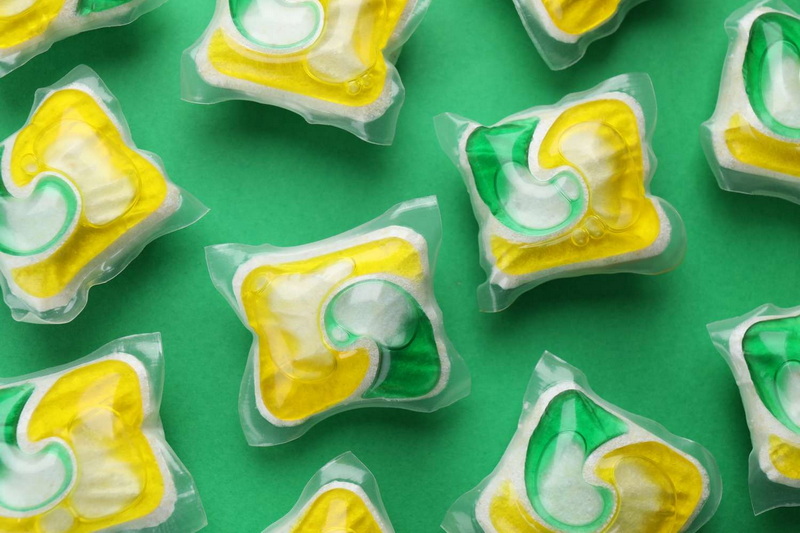
No. Even in an emergency, avoid dishwasher detergent. It's better to rinse clothes with mild soap or even laundry-safe baking soda until proper detergent is available.
Run another rinse or full wash cycle with regular laundry detergent. The goal is to remove leftover chemical residues completely.
Yes. Foam overproduction can clog filters, hoses, or sensors, leading to long-term mechanical problems.
No. Each pod type is designed for specific chemical tolerance and cleaning mechanics. Using them interchangeably risks damage.
The best options include biodegradable laundry sheets, concentrated liquid eco-detergents, or homemade blends using gentle natural ingredients like soap flakes and washing soda.


