
Views: 222 Author: Tomorrow Publish Time: 12-06-2025 Origin: Site


Content Menu
● How Dishwasher Pods Are Designed to Work
>> The Key Components Inside Each Pod
● Why People Think Two Pods Clean Better
● What Happens When You Use Two Dishwasher Pods
>> 2. Cloudy or Streaky Dishes
>> 3. Build-up Inside the Dishwasher
>> 4. Potential Appliance Strain
● When Two Pods Might Be Useful
>> 1. Extremely Heavy-Soil Cycles
>> 2. Extra-Large or Overloaded Loads
>> 3. Persistent Hard Water Problems
● How to Get Cleaner Dishes Without Using Two Pods
>> 1. Optimize Dishwasher Loading
>> 3. Use the Right Wash Cycle
>> 4. Monitor Water Temperature
>> 5. Maintain the Dishwasher Interior
● Hard Water and Its Impact on Cleaning
● Environmental Implications of Overusing Pods
● Expert and Manufacturer Guidance
● The Science Behind “More Isn't Better”
● Long-Term Consequences of Overuse
● FAQ
>> 1. What should I do if I accidentally used two pods?
>> 2. Will using two pods help with extra dirty dishes?
>> 3. Are all dishwasher pods the same size or strength?
>> 4. How can I tell if detergent buildup is affecting my dishwasher?
>> 5. Can using too much detergent harm stainless steel items?
Dishwashers have made kitchen cleanup much easier, and dishwasher pods have simplified detergent use even further. But sometimes, after running a cycle, the dishes still come out slightly greasy or with leftover food spots. This leads many people to ask the question: “Can you use 2 dishwasher pods at once?”
It's a fair question. Intuitively, it seems like doubling the detergent should result in cleaner dishes. However, the mechanics of dishwashers and the science behind detergent formulas make the answer more complicated than it seems. While you can physically use two pods, doing so isn't recommended for most cases and can even create negative side effects.
This detailed guide explores what actually happens when you use extra detergent, how pods are formulated, and the correct ways to handle tough loads effectively.
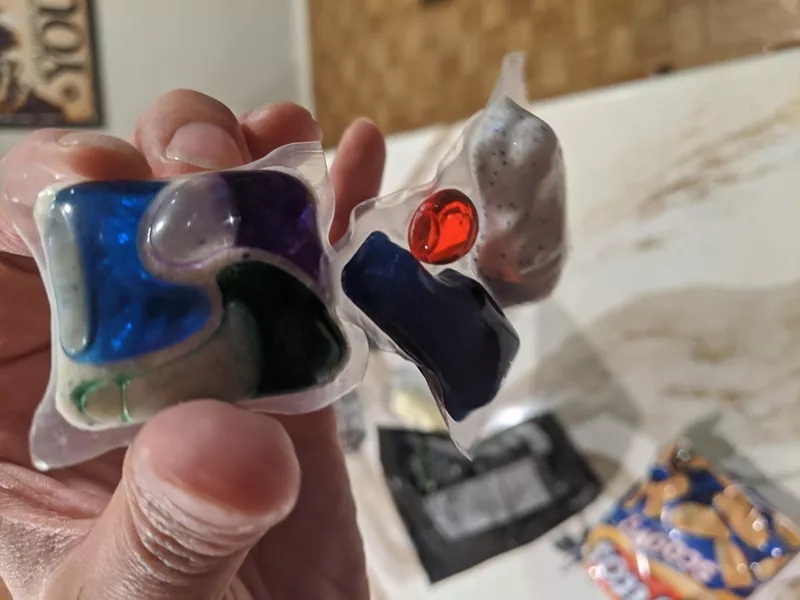
Dishwasher pods, also known as detergent packs or capsules, are pre-measured combinations of cleaning agents designed for convenience. Each pod contains concentrated cleaning power sealed in a dissolvable film, ensuring the right balance of chemicals for a single cycle.
- Enzymes – Break down proteins, starches, and fats in food residues.
- Surfactants – Lift grease and oil from surfaces and suspend grime in water.
- Builders – Reduce water hardness by neutralizing calcium and magnesium ions.
- Rinse aids – Prevent water droplets from forming spots on glassware and make drying more efficient.
- Stabilizers and binders – Maintain the pod's structure until it's ready to dissolve.
Modern dishwashers use controlled water temperatures and timed detergent releases to activate these ingredients efficiently. When you place a single pod in the detergent drawer, it dissolves in stages—typically releasing grease cutters first and rinse aid last.
This precise balance ensures that one pod cleans effectively without leaving residue.
Many consumers assume “more detergent equals cleaner dishes.” This reasoning comes from habits learned with manual dishwashing or laundry, where adding a little extra soap can sometimes help.
People often try two pods because:
- Their dishes come out cloudy or spotted.
- Food particles remain after a wash.
- They are running large or greasy loads.
- They have hard water that affects detergent performance.
However, double dosing typically does not solve these issues. Instead, it can trigger other problems that reduce efficiency and cause maintenance headaches later.
While using two pods can momentarily increase detergent concentration, it can disrupt your dishwasher's designed cycle balance. Excess foam, chemical residue, and poor rinsing are the most common outcomes.
Dishwashers aren't designed for excess foam. Two pods can create more suds than the machine's pumping system can handle. They trap debris inside bubbles, preventing them from rinsing away. In severe cases, foam can even leak from the dishwasher door, leaving sticky residue on your kitchen floor.
Over-detergenting can oversaturate the rinse water with cleaning agents. As a result, dishes and glasses come out with white spots, cloudiness, or film. Sometimes, these layers of detergent residue may even bond permanently to glassware, giving it a foggy appearance.
When too much detergent accumulates, remnants stay behind after the cycle finishes. This leads to buildup on gaskets, filters, and spray arms, encouraging mold growth and bad odors. Long-term buildup reduces spray pressure and temperature distribution, weakening future cleaning cycles.
Dishwashers regulate water and detergent levels in harmony. Flooding the system with excess chemicals can interfere with sensors and filtration components, gradually wearing out seals and hoses. While occasional overuse isn't catastrophic, repeated overuse may cause efficiency loss or damage.
Using two pods doesn't increase cleanliness proportionally—it just doubles your cost. Considering that premium dishwasher pods are relatively expensive, this habit quickly adds up financially without offering measurable improvement.
There are rare and specific circumstances when you might justify using two pods temporarily:
If you've baked or roasted a large meal with particularly greasy cookware, a second pod might help once in a while. The additional detergent can assist in breaking down stubborn carbon buildup—but this should not become a regular practice.
If you accidentally overfill the dishwasher beyond recommended capacity, coverage may be insufficient for one pod's detergent release. Still, it's better to split the load into two cycles rather than double the detergent.
Hard water leaves mineral residues that make dishes look dull. In some cases, adding a second pod temporarily boosts cleaning power, but using a water softener or descaling agent is a far better long-term fix.
Occasionally, when performing an empty maintenance cycle to clean the dishwasher itself, using two pods can dissolve internal buildup. However, only do this without dishes and no more than once every few months.
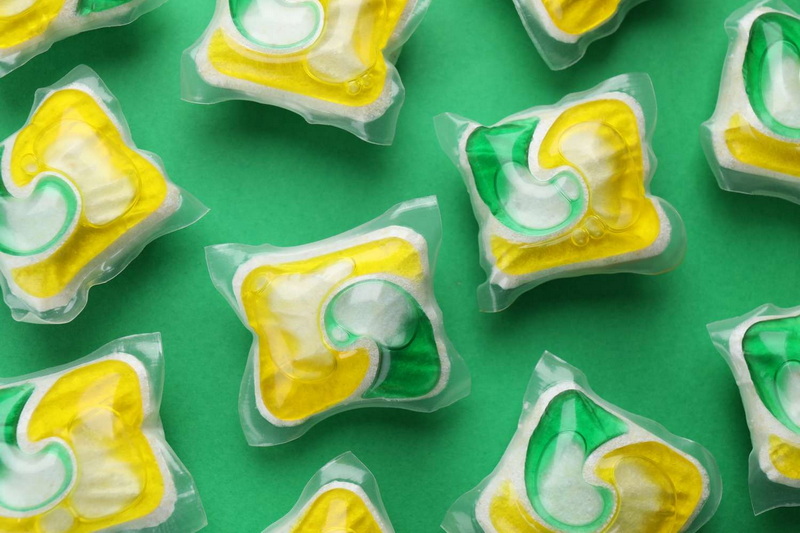
If you're not getting perfect cleaning results from a single pod, the cause likely isn't detergent strength—it's something else in your setup or maintenance routine. Instead of doubling up detergent, try these proven strategies.
Proper loading is crucial. Avoid nesting bowls or overlapping plates. Angle cookware downward to let water reach every surface. Make sure nothing blocks spray arms or detergent dispensers from opening fully.
The dishwasher filter captures debris and prevents it from recirculating. A clogged filter restricts water flow, decreasing performance. Remove and rinse the filter once a week if you cook often.
Most dishwashers have different cycle settings—normal, heavy, express, eco, etc. For greasy or heavily soiled loads, select the “Heavy” or “Intensive” mode instead of doubling detergent. These cycles extend wash time and heat, improving cleaning naturally.
Dishwasher pods dissolve best at about 120°F (49°C). If your home's water heater is set too low, detergent might not fully activate. Run your kitchen faucet until water turns hot before starting a cycle to preheat the system.
Limescale, grease, and detergent residue accumulate over time. Monthly use of a dishwasher cleaner or vinegar rinse keeps the inside surfaces fresh, allowing the single pod to perform optimally.
Water hardness dramatically influences detergent performance. Minerals like calcium and magnesium bind with soap molecules, reducing their ability to break down food waste. Even with two pods, cleaning efficiency might still falter because the detergent can't interact properly with water.
To handle hard water efficiently:
- Install a water softener or in-machine softening system.
- Use dishwasher salt if your model supports it.
- Switch to pods formulated for hard water or “boosted cleaning”.
- Run a periodic descaling cycle.
These measures correct the root cause without wasting detergent or risking buildup.
Each detergent pod contains concentrated chemicals, and doubling the usage increases chemical waste. When released into wastewater systems, these compounds can negatively impact aquatic organisms and water quality.
Additionally, pods come in plastic-based wrappers or packaging, and using more than necessary means contributing extra plastic waste unnecessarily. From an energy perspective, excess detergent often requires additional rinse cycles to remove residue, increasing household water and power consumption.
Conserving detergent doesn't just benefit your washer—it benefits the environment too.
Dishwasher and detergent manufacturers have conducted thousands of hours of performance testing to calibrate the ideal detergent dosage. Their results consistently conclude that one pod per standard load guarantees optimal performance. Using more doesn't enhance cleaning—it actually disrupts intended wash mechanics.
Experts recommend that if you consistently see subpar results, you should:
- Clean and descale your appliance.
- Use premium pod brands with strong enzymatic formulas.
- Adjust your water temperature and cycle selection.
- Check for clogs in spray arms or detergent drawers.
In nearly every scenario, these steps outperform doubling detergent quantity.
Dishwashing operates on a concept called the “cleaning triangle” — the balance between mechanical action (spray pressure), temperature, and detergent concentration. Increasing detergent beyond a certain point doesn't improve performance because mechanical and thermal limits remain the same. Excess soap can actually counteract effectiveness by creating a chemical film barrier that prevents proper rinsing.
Essentially, a single pod already achieves the formula's designed saturation point. Anything beyond that upsets the equilibrium, leading to diminishing returns or worse—soap scum and residue.
Continuously using double detergent can gradually reduce your dishwasher's lifespan. The buildup inside pumps, seals, and sensors restricts flow efficiency. Over time, this can cause:
- Reduced water circulation.
- Poor heating efficiency.
- Sensor malfunctions.
- Odor and mold issues.
Repairing or replacing these parts can cost far more than the perceived “benefits” of adding a second pod. Long-term reliability depends heavily on following the manufacturer's usage guidelines.
So, can you use two dishwasher pods at once? Technically, yes—but practically and scientifically, you shouldn't. Two pods don't produce cleaner dishes; they risk residue, buildup, and wasted detergent.
The real secret to sparkly clean dishes isn't excess detergent—it's maintenance, temperature control, and proper loading. By keeping your dishwasher clean, checking your water hardness, and using one quality pod as recommended, you'll achieve the same spotless results while protecting both your machine and the environment.
Using one pod per wash is enough. The modern dishwasher is engineered for balance—and respecting that balance rewards you with consistently brilliant results.

If this happens, don't panic. Just run an extra rinse cycle to flush away residue or suds. One accidental overuse isn't harmful, but avoid making it routine.
Usually not. For heavily soiled loads, use the “Heavy” wash setting, pre-soak dishes if needed, or run two separate cycles rather than doubling detergent.
No. Some brands formulate pods with more concentrated enzymes or built-in rinse aid. Always follow the package instructions and match one pod per load.
Signs include cloudy glassware, white streaks on dishes, and unpleasant smells. Perform a cleaning cycle with vinegar or specialized cleaner monthly to remove buildup.
Yes. Excess detergent can cause chemical spotting or dull the shine of stainless-steel cutlery and cookware. Use one pod to preserve the metal's natural luster.


