
Views: 222 Author: Tomorrow Publish Time: 12-06-2025 Origin: Site


Content Menu
● Can You Throw a Dishwasher Pod Directly into the Dishwasher?
● Correct Way to Use Dishwasher Pods
● Why Proper Pod Placement Matters
● What Happens If You Put the Pod in the Wrong Place?
● Benefits of Using Dishwasher Pods
● Common Mistakes to Avoid with Dishwasher Pods
● Are Dishwasher Pods Safe for All Dishwashers?
● Environmental Impact and Safe Handling
● Choosing the Best Dishwasher Pod for Your Needs
● Cleaning and Maintenance Tips for Better Results
● Troubleshooting: Dishwasher Pod Problems
● FAQ
>> 1. Where exactly should a dishwasher pod go?
>> 2. What happens if the pod doesn't dissolve properly?
>> 3. Can dishwasher pods be used for short or eco cycles?
>> 4. Is it safe to use more than one pod for heavy loads?
>> 5. Are dishwasher pods better than liquid or powder detergents?
Dishwasher pods have revolutionized the way modern kitchens operate. They're compact, powerful, and convenient, providing a simplified solution to the age-old task of getting dishes perfectly clean. With just one capsule, users can supply their dishwasher with the perfect balance of detergent, stain remover, and rinse aid. Yet, many homeowners still find themselves asking: Can you just throw a dishwasher pod into your dishwasher instead of placing it in the dispenser?
This question might seem straightforward, but the correct answer impacts the performance of your dishwasher, the cleanliness of your dishes, and even the longevity of the appliance. This article will cover everything you need to know about how dishwasher pods work, where to place them, how to store them, and what to do if they don't dissolve properly.
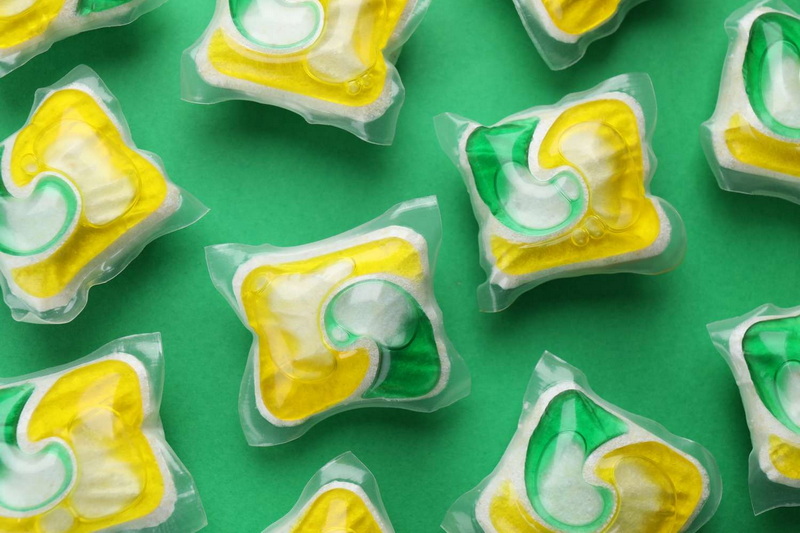
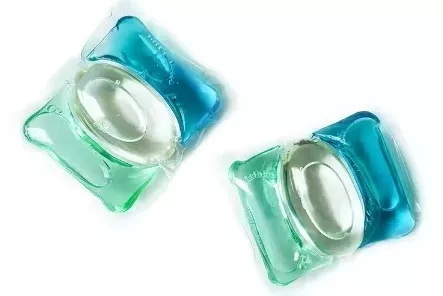
Dishwasher pods, also called detergent tablets or capsules, are compact, pre-measured cleaning units that replace traditional liquid or powder detergents. Each pod is enclosed in a thin film made of polyvinyl alcohol (PVA)—a water-soluble material that dissolves completely in the wash cycle, leaving no residue behind.
Inside, the pod often contains three components: a detergent for cleaning, a rinse aid for preventing spots, and sometimes a booster to tackle tough stains or hard water. This combination ensures that every part of your dishwashing process is covered without requiring separate dosing or additives.
Dishwasher pods are designed for convenience. They eliminate the guesswork of measuring detergent and prevent overuse, making them an eco-conscious choice as well.
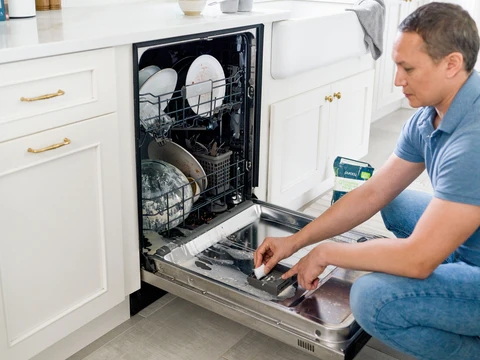
Although tempting for its simplicity, tossing a dishwasher pod freely into the dishwasher bottom is not recommended. Dishwasher pods are meant to be placed inside the detergent dispenser compartment, usually located in the interior of the dishwasher door.
The reason this placement matters is timing. The dispenser is designed to open at an exact point in the cleaning cycle—precisely when the water pressure and temperature are ideal for dissolving the detergent fully. If the pod is thrown directly onto the bottom of the tub, it may dissolve during the pre-rinse instead of the main wash. This premature release wastes detergent and can leave your dishes with cloudy films, streaks, or even soap residue.
Another problem with placing pods incorrectly is that some detergent might pool at the bottom, clogging filters, or disrupting the circulation of water jets. Over time, such misuse can even harm your machine's efficiency.
When the dishwasher cycle begins, the dispenser remains closed. As the water heats and the main wash cycle activates, the dispenser latch releases, allowing the pod to drop into the hot water. The PVA film dissolves within seconds, releasing detergent evenly as high-pressure water jets circulate it throughout the machine.
Detergent enzymes break down starches and proteins, surfactants lift grease, while oxygen-based bleach brightens and sanitizes. The rinse aid component then ensures dishes dry evenly without leaving water spots or streaks. This controlled release system is what makes pods so effective compared to pouring detergent directly into the tub.
Follow these steps carefully to ensure maximum effectiveness:
1. Load dishes properly. Place items facing downward or angled for direct water spray. Avoid blocking the detergent compartment with large utensils or mixing silverware types that can cause rust stains.
2. Check the detergent compartment. It's located on the inner door of most models.
3. Insert one pod. Never unwrap the pod; the film is water-soluble.
4. Close the compartment securely. This step prevents premature release.
5. Select the preferred cycle. Use a standard or heavy-duty cycle for the best detergent action.
6. Avoid using two pods. One pod is calibrated for a full load; doubling detergent doesn't double cleaning power.
For smaller or slightly soiled loads, a shorter or eco-cycle may be enough using the same pod.
Placement dictates performance. The detergent dispenser ensures detergent disperses during the main wash, when food particles have already been loosened by pre-rinse water. This synchronization allows surfactants and enzymes to work at peak efficiency.
If detergent is released early, however, it can flush away before heated water reaches optimal cleaning temperature. The result: dull glassware, greasy plates, and wasted detergent. Repeated misplacement can also lead to buildup in filters and jets.
Correct usage also protects sensitive components like pumps and drain lines from foaming over or clogging. Therefore, following the manufacturer's design ensures best performance and long-term machine health.
If you throw the pod directly into the bottom of the dishwasher, several issues can occur:
- Premature dissolution — The pod may dissolve in the pre-rinse stage.
- Reduced cleaning efficiency — Detergent washes away before the main cycle.
- Residue on dishes — Soap film or powder clumps may remain.
- Potential clogging — Undissolved detergent can accumulate around filters or heating elements.
- Machine strain — Over time, detergent buildup can affect pumps or create foam overflow errors.
While a single mistake won't damage your machine permanently, repeated misuse can compromise the dishwasher's lifespan.
Dishwasher pods have become the standard in many households thanks to multiple advantages:
- Exact dosing: Each pod delivers a measured amount for efficient cleaning.
- No spills or mess: Handling pod detergents is simple and tidy.
- Consistent results: The formula is concentrated and stable, ensuring even performance.
- Space-saving storage: Pods are compact compared to bulky bottles.
- Multiple cleaning agents in one: Detergent, rinse aid, and enzymes combine in perfect balance.
For those seeking effortless operation and excellent results, pods simplify the dishwashing process significantly.
Even with a simple product, missteps can reduce performance. Avoid these mistakes:
- Wet hands when handling pods. Moisture activates the dissolvable film.
- Overloading the dishwasher. Crowded racks block water circulation.
- Using pods with very short cycles. Some quick programs may not heat water sufficiently for full dissolution.
- Ignoring manufacturer instructions. Always verify detergent compatibility with your appliance.
- Storing pods in humid or hot environments. Dampness can cause pods to stick together or partially dissolve.
Keeping pods in a sealed, dry container ensures they remain effective between uses.
Almost all modern dishwashers are compatible with pods. However, older models or units with small detergent compartments might experience fitting issues. Check your manual for recommended detergents. If the compartment is too small, you can sometimes use half a pod or consider tablet-style detergents that fit better.
Additionally, specialized dishwashers (such as compact countertop models) may require specific detergent types formulated for lower water usage.
Dishwasher pods have improved significantly in sustainability over the past decade. Many manufacturers have removed phosphates, which used to contribute to waterway pollution. Look for biodegradable or eco-labeled pods made from plant-based surfactants. Packaging innovations, like compostable pouches or fully recyclable containers, reduce landfill waste.
For safety, always keep pods out of reach of children and pets, as the colorful appearance may resemble candy. In case of accidental ingestion, contact emergency services immediately and never induce vomiting. Always store pods in dry, secure containers with tight lids.
The right pod depends on water hardness, dish type, and load size. Here's how to choose wisely:
- For hard water: Choose pods labeled with water-softening agents or limescale protection.
- For glassware: Use pods formulated to prevent etching and fogging.
- For eco-conscious users: Pick phosphate-free, biodegradable versions.
- For heavy-duty cleaning: Look for multi-chamber pods with grease-cutting enzymes.
- For fragrance sensitivity: Unscented or hypoallergenic options avoid strong smells.
Testing a few brands helps identify which detergent works best for your dishes and dishwasher model.
Even the best detergent can't perform well if your dishwasher needs maintenance. Ensure peak results with these tips:
1. Regularly clean the filter to prevent trapped food debris.
2. Wipe the door seal to remove grease buildup.
3. Run a vinegar rinse monthly to neutralize odors and buildup.
4. Check spray arms to remove any blocked holes.
5. Use a descaling cycle if you live in a hard-water area.
These maintenance habits keep your dishwasher clean, efficient, and free of detergent residue.
If you notice your pod not dissolving properly or dishes coming out dirty, consider these factors:
- Water temperature too low. Optimal cleaning occurs around 120°F (49°C).
- Blocked dispenser lid. Large utensils or tall plates can block it.
- Insufficient water pressure. Clean spray arms regularly.
- Old or clumped pods. Expired pods can lose solubility.
- Short cycles. Some quick-wash cycles may not supply enough water flow.
Cycle optimization and occasional deep-cleaning can usually fix these issues.
The effectiveness of dishwasher pods depends greatly on proper storage. Always keep them:
- In a cool, dry place away from steam.
- Sealed tightly to prevent humidity exposure.
- Off the top of the dishwasher, since heat can alter their texture.
- Out of sunlight to prevent discoloration of the film.
Good storage practices ensure that pods maintain potency for each wash.
Dishwasher pods are a convenient, efficient, and environmentally friendly way to simplify dishwashing. However, they must be used properly to achieve the best results. Throwing a pod directly into the dishwasher tub might seem harmless, but it prevents optimal detergent release, reduces cleaning power, and can even leave residue behind. Always place pods inside the designated detergent dispenser, follow manufacturer guidelines, and maintain your machine regularly. When used correctly, pods save time, conserve detergent, and leave dishes spotless with minimal effort.
A dishwasher pod should be placed inside the detergent dispenser compartment, usually located on the inside of the door. This ensures proper timing for detergent release during the main wash cycle.
If a pod remains partially intact, check for blockages near the dispenser, use a longer cycle, and confirm water temperature is adequate. Clean spray arms if residues persist.
Yes, but always check manufacturer recommendations. Some short cycles use less hot water, which may reduce pod solubility. Choose quick-dissolving pod formulas if regularly using eco modes.
No. One pod is sufficient for a standard full load. Using two can cause over-sudsing, residue buildup, and wasted detergent without improving performance.
Generally, yes. Pods deliver consistent results due to pre-measured portions and balanced formulas. Unlike loose detergents, they're mess-free, efficient, and reduce the risk of overdosing.


