
Views: 222 Author: Tomorrow Publish Time: 12-04-2025 Origin: Site


Content Menu
● What Are Hospital Pacific Dishwasher Pods?
● Key Differences Between Commercial and Household Dishwashers
● Chemical Composition of Hospital-Grade Pods
● Risks of Using Hospital Pods in Home Dishwashers
● What to Do After Accidental Use
● Proven Household Alternatives
● Benefits of Proper Detergent Selection
● Industrial Contexts for Hospital Pods
● Reading Labels and Specifications
● Maintenance Tips for All Dishwashers
● Environmental Impact Considerations
● Regulatory Standards in Healthcare
● Long-Term Effects on Appliances
● FAQs
>> 1. Are Hospital Pacific Dishwasher Pods safe for home dishwashers?
>> 2. What happens if I use one by mistake?
>> 3. Why are hospital pods stronger than home ones?
>> 4. What household brands work best?
>> 5. Does wrong detergent void warranties?
Dishwasher pods simplify cleaning by combining detergent, enzymes, and rinse agents into a single unit. Hospital Pacific Dishwasher Pods, however, target high-stakes environments like medical facilities, raising questions about home use. This article examines their composition, compatibility with residential machines, risks involved, and safer options for everyday dishwashing.
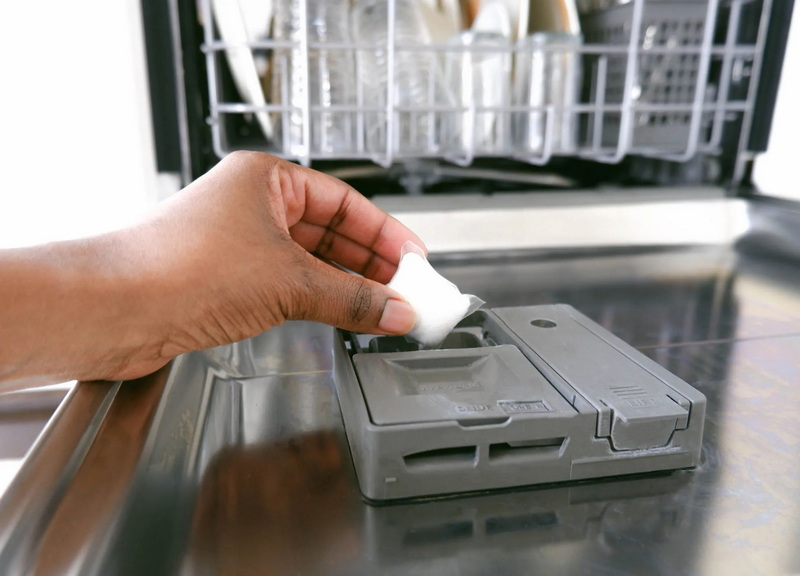
Hospital Pacific Dishwasher Pods represent commercial-grade cleaning products engineered for institutional settings, such as hospitals and large-scale kitchens. These pods typically feature highly concentrated alkaline builders like sodium carbonate and sodium silicate, along with chlorine-based sanitizers and enzymes for breaking down proteins and starches.[2]
Designed to combat biological contaminants, grease, and biofilms common in healthcare, they prioritize disinfection over gentle cleaning. Unlike consumer pods, these formulations often achieve pH levels around 10-12, enabling effective sterilization at elevated temperatures. Hospitals verify performance using temperature strips that confirm cycles reach 160-180°F for sanitization.[1][2]
Commercial dishwashers in hospitals operate under rigorous standards, featuring high-pressure pumps, built-in boilers for 82°C rinse water, and short, intense cycles. Models like insulated undercounters with pressure boilers handle heavy loads and corrosive chemicals without degradation.[3]
Household units, by contrast, use milder 120-140°F water, longer cycles, and plastic components not rated for industrial pH or sanitizers. Commercial machines include drain pumps and dispensers calibrated for bulk pods, while home models rely on pre-measured consumer packs. This mismatch explains why hospital pods demand specialized equipment.[1]
Hospital Pacific pods often incorporate sodium tripolyphosphate (STPP) for water softening, sodium percarbonate for bleaching, and alcohol ethoxylates as surfactants. These ingredients excel in removing tough residues but pose risks in home settings due to their corrosiveness. Chlorine bleach derivatives ensure bacterial kill rates, aligning with infection control protocols.[2][1]
In tablet form, they dissolve precisely in hot, pressurized systems, but slower breakdown in home machines leads to uneven distribution. High alkalinity can etch glassware or pit stainless steel over time.[2]
Placing Hospital Pacific Dishwasher Pods in a residential dishwasher invites multiple hazards. Excessive alkalinity corrodes rubber seals, plastic racks, and heating elements not built for pH above 11. Residues from incomplete dissolution may transfer to dishes, potentially causing skin irritation or gastrointestinal issues if ingested.[2]
Foam overflow disrupts sensors, risking electrical shorts or floods. Manufacturers like those producing hospital equipment warn against non-approved detergents, as they void warranties. Environmentally, untreated discharge burdens septic systems with phosphates and chlorides.[1]
Internally, pods attack gaskets, leading to leaks within months. Pumps clog with undissolved particles, increasing repair needs. Studies on similar powders note eye injury risks from splashes during handling.[2]
Contact with concentrated pods burns skin or eyes, especially for children. Inhaled vapors during cycles irritate airways. Food contact surfaces retain traces, undermining hygiene.[2]
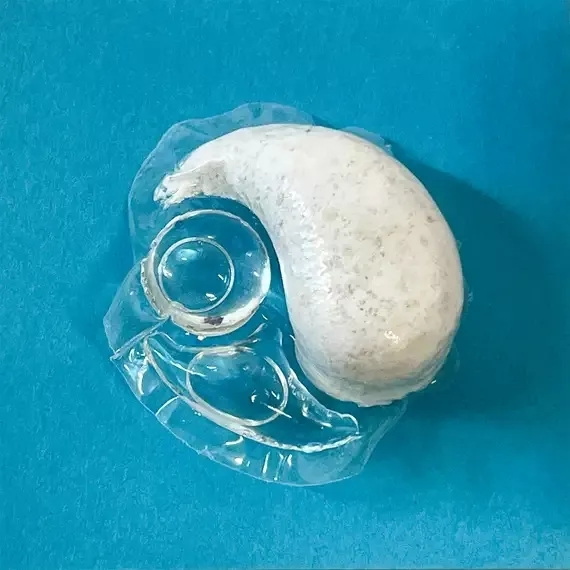
If a Hospital Pacific pod has run in your home dishwasher, act swiftly. Halt the cycle, ventilate the area, and avoid steam exposure. Rinse all items under hot tap water multiple times to dilute residues.
Run three empty hot-water rinses with vinegar to neutralize chemicals. Inspect filters, seals, and spray arms for corrosion or buildup. Persistent odors signal professional servicing. Document the incident for warranty claims.
Opt for consumer-grade pods like Finish Powerball or Cascade Platinum, formulated at safer pH levels with enzymes and oxygen bleaches. Eco-options use plant-based surfactants and biodegradable builders, matching performance without damage.[2]
Powdered detergents allow dosage control, while gel packs suit hard water areas. Brands tested for residential cycles prevent spotting and extend machine life.
Correct pods ensure even cleaning, protect appliance longevity, and maintain dish shine. They optimize water usage and energy, with low-foam formulas preventing errors. Users report fewer breakdowns and brighter results.
Reserve Hospital Pacific pods for facilities with Hobart or MEIKO machines reaching sanitizing temperatures. Protocols include daily thermometer strips and logs for compliance. Staff training covers handling to avoid exposure.[4][1]
Labels specify "commercial use only," listing cycle temps and machine types. Ignore generic pods; verify compatibility via manufacturer sites. Safety data sheets detail hazards like corrosivity.
Monthly clean filters and run citric acid cycles. Use rinse aids for spot-free drying. Avoid overloading to ensure pod activation. For homes, select HE-compatible products.
Commercial pods contribute to phosphate pollution if misused at home. Choose low-P products; full loads save resources. Greywater systems handle consumer detergents better.
Hospitals follow Joint Commission rules mandating 160°F sanitization, verified by strips. Domestic codes lack such rigor, highlighting incompatibility.[1]
Repeated use accelerates wear: discolored tubs, warped racks, failed heaters. Repair costs average $200-500, per service data.
Household pod sales grow at 6-10% annually, favoring multi-chamber designs. Commercial segments emphasize efficiency.[7][9]
Hospital Pacific Dishwasher Pods belong exclusively in commercial dishwashers equipped for their potency. Home use risks corrosion, residues, health issues, and warranty loss. Stick to residential products for safe, effective cleaning. Prioritize labels and maintenance to protect your appliance and family.
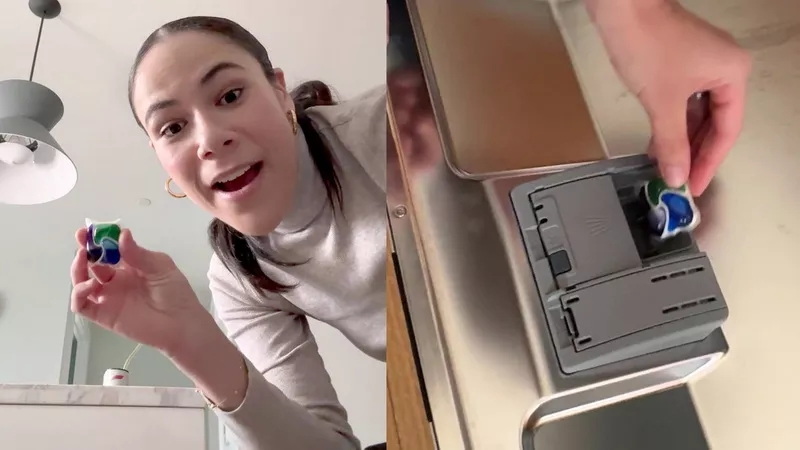
No, their high alkalinity and sanitizers damage residential components and leave residues.[2]
Rinse dishes thoroughly, run empty cycles with vinegar, and inspect for damage.[1]
They target bacteria and biofilms with chlorine and high pH for 160-180°F cycles.[1][2]
Finish, Cascade, or eco-pods with enzymes and safe builders for everyday use.[2]
Yes, manufacturers require approved products to avoid coverage denial.[1]
[1](https://iprc.info/wp-content/uploads/2018/03/Dishwashers-deidentified.pdf)
[2](https://www.phfscience.nz/media/o4gncg4r/esr-health-risk-assessment-dishwasher-powder.pdf)
[3](https://www.electroluxprofessional.com/pd/dishwashing-equipment/undercounters/green-clean-undercounters-euci-and-eucai/warewashing-undercounter-dishwasher-insulated-with-pressure-boiler-drain-pump-rinse-aid-detergent-dispensers-520000/)
[4](https://www.meiko.com/en-au/)
[5](https://www.linkedin.com/pulse/asia-pacific-dishwasher-detergent-tablets-market-mnbjc)
[6](https://www.itwfoodequipment.com)
[7](https://datahorizzonresearch.com/commercial-dishwasher-detergent-and-rinse-aid-market-46018)
[8](https://nyulangone.org/files/2024-design-guidelines.pdf)
[9](https://www.fortunebusinessinsights.com/dishwasher-tablet-market-113721)
[10](https://marketintelo.com/report/dishwasher-tablets-market)


