
Views: 222 Author: Tomorrow Publish Time: 12-04-2025 Origin: Site


Content Menu
● Why People Try Putting Dishwasher Pods in Toilet Tanks
● What Happens When You Put Dishwasher Pods in a Toilet Tank
>> Chemical Damage to Toilet Components
>> Pipe and Seal Deterioration
>> Clogged or Malfunctioning Flush Mechanisms
● Safer Alternatives for Cleaning Your Toilet
>> Standard Toilet Bowl Cleaners
>> In-Tank Toilet Cleaners (Use Caution)
● Maintaining a Clean and Efficient Toilet System
● The Science Behind Dishwasher Pods and Septic Tanks
● Myths vs. Facts About Using Dishwasher Pods in Toilets
● The Financial Impact of Misuse
● FAQ
>> 1. Can dishwasher pods unclog a toilet?
>> 2. Are dishwasher pods harmful to septic systems?
>> 3. What can safely go in my toilet tank?
>> 4. How often should I clean my toilet tank?
>> 5. Are natural cleaning alternatives effective for toilets?
In recent years, social media platforms and household cleaning forums have been flooded with “life hacks” promising easier ways to clean homes. One viral tip suggests dropping dishwasher pods into your toilet tank to clean it effortlessly and keep the toilet bowl fresh. While it might sound convenient, experts and plumbing professionals strongly advise against this practice.
This article explores the consequences of using dishwasher pods in toilet tanks, why it is harmful, environmental concerns, expert opinions, safe alternatives, and practical toilet maintenance tips.

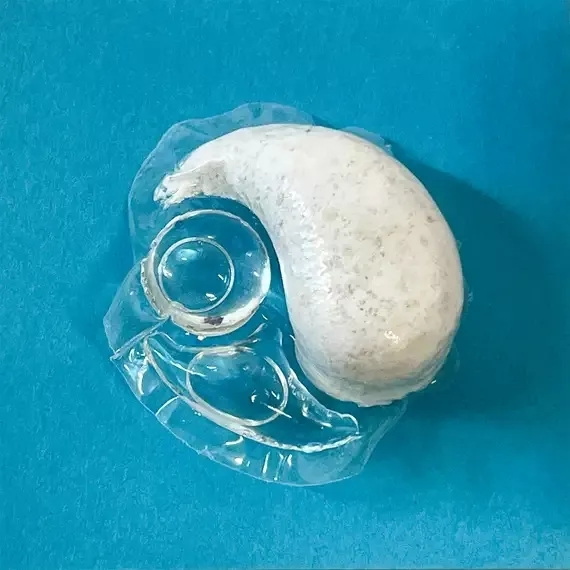
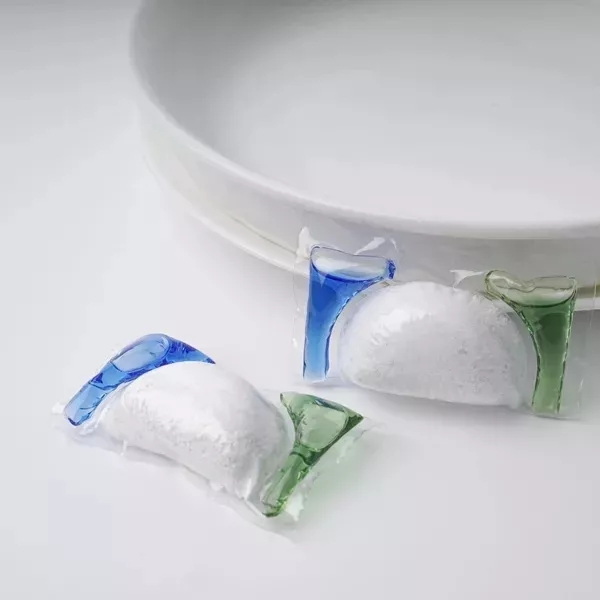
Dishwasher pods are compact, pre-measured packets of cleaning agents designed specifically for dishwashers. They combine detergent, enzymes, builders, bleach, and rinse aids, all sealed in a water-soluble film that dissolves during the dishwasher's cycle.
Typical ingredients include:
- Surfactants to remove grease and food residues
- Enzymes that break down proteins and starches
- Bleaching agents for stain removal and disinfection
- Fragrances for a fresh scent
These components are optimized for high-temperature, high-water-pressure conditions specific to dishwashers, which contrasts significantly with the environment inside a toilet tank.
The idea of using dishwasher pods in toilet tanks comes from the belief that:
- Pods automatically clean the toilet bowl with every flush
- They remove mineral buildup and stains inside the tank
- They deodorize the bathroom with a pleasant scent
- They reduce the need for manual scrubbing
Though appealing, this misconception ignores the differences in plumbing design and chemistry between dishwashers and toilets.
Dishwasher pods contain corrosive chemicals like bleaching agents and enzymes, which can degrade rubber seals, gaskets, and plastic parts inside the toilet tank. This often results in leaks, flapper failures, or damaged fill valves, leading to costly repairs.
Exposure to harsh detergents can weaken plumbing seals and wax rings. These components maintain watertight connections; damage may cause leaks that increase water bills and raise the risk of water damage in bathrooms.
Dishwasher pods do not dissolve instantly in cold, standing water of toilet tanks. Partial dissolution can leave sticky residues that clog water channels, affecting flushing efficiency or causing blockages.
The chemical agents can alter the natural balance of water and minerals, causing discoloration, odors, and bacterial growth in the tank.
Dishwasher pods release strong surfactants, bleach, and synthetic chemicals that may not break down easily in septic or municipal wastewater systems. In septic tanks, these chemicals harm microbes essential for waste decomposition, weakening system function and potentially causing contamination or costly failures. In municipal systems, they may contribute to pollution if not fully treated.
Professional plumbers strongly caution against placing dishwasher pods or any detergent tablets in toilet tanks. Points raised include:
- Tank water should remain clean to avoid damaging mechanisms
- Harsh chemicals cause premature wear and void warranties
- Safe toilet cleaning products should be applied to the bowl, not the tank
Ignoring these warnings can lead to plumbing failures outside manufacturer warranty coverage.
Formulated to remove stains, disinfect, and deodorize when applied directly to the bowl, these cleaners avoid harm to tank components.
A natural and effective method: pour white vinegar into the bowl, let sit, then add baking soda and scrub to remove grime and mineral deposits without damaging parts.
Turn off water supply, empty the tank, and clean interiors with a soft brush and mild detergent. Avoid abrasive or harsh chemicals.
Only use products explicitly designed for toilet tanks, and follow directions carefully, especially with chlorinated tablets to prevent rubber degradation.
- Clean the bowl weekly with appropriate cleaners and a brush
- Inspect the tank every few months for buildup or mold
- Avoid harsh chemicals or dishwasher detergents in the tank
- Repair leaks promptly to prevent corrosion
- Consider water softeners in hard water areas to reduce scale buildup
Regular maintenance prolongs toilet life, prevents damage, and keeps the system hygienic.
Dishwasher pods are designed to dissolve completely in dishwasher cycles; however, in household septic systems, the impact is varied. Some pods labeled "septic-safe" contain biodegradable surfactants and enzymes that minimize harm when used as directed. Excessive chemical load or phosphorus content from certain pods, however, can disrupt microbial balance, affecting septic health.[1]
Despite some debate, the key is moderation and choosing pods specifically labeled as septic-friendly. For households with septic issues, reducing harsh chemical load by selecting mild or eco-friendly products and maintaining regular septic pumping is prudent. Yet, placing pods directly into toilet tanks is discouraged due to concentration and potential damage risks.[2][4][5][1]
| Myth | Fact |
|---|---|
| Dishwasher pods eliminate manual scrubbing | They can damage parts and worsen flushing efficiency |
| Dishwasher pods clean better than toilet cleaners | Pods are formulated for dishes, not toilet sanitation |
| Pods save water and time | Damaged parts cause leaks and blockages, wasting water and effort |
| Pods dissolve fully in toilet tanks | Dissolution is often partial, leaving residue |
| Bleach in pods disinfect toilets safely | Bleach corrodes seals and releases harmful fumes |
Short-term convenience can result in expensive consequences:
- Replacing flappers, gaskets, and valves
- Repairing leaks and water damage
- Clearing clogged flush mechanisms
- Septic system repairs and maintenance
These costs far outweigh the mild labor of proper cleaning with approved products.
Using dishwasher pods in a toilet tank is unsafe and can damage plumbing parts, reduce flushing performance, and harm septic or municipal wastewater systems. These pods contain chemicals crafted for dishwashers, not the cold, static water of toilet tanks. More severe problems include corroded seals, clogged flush valves, and plumbing leaks. Instead, use products specifically designed for toilets or natural cleaning methods. Adopting safe cleaning habits and proper maintenance protects your toilet's longevity and functionality.
No. Dishwasher pods are not formulated to dissolve blockages and can worsen clogs by leaving residues that impair water flow.
Yes. Many pods contain bleach and synthetic surfactants that harm the beneficial bacteria septic systems rely on for waste degradation.
Only plain water or products explicitly labeled safe for toilet tanks should be used. Avoid detergents or tablets not designed for plumbing systems.
Toilet tanks should be cleaned every three to six months. Empty the tank, scrub gently with mild soap, and rinse before refilling.
Yes. White vinegar and baking soda effectively remove stains and odors without harming toilet parts or the environment.
[1](https://www.ufinechem.com/are-dishwasher-pods-bad-for-septic-tanks.html)
[2](https://dishwashertips.co.uk/blog/can-i-put-dishwasher-tablet-in-toilet-water-tank/)
[3](https://www.reddit.com/r/askaplumber/comments/1djld7g/viral_post_going_around_saying_dishwasher_pods/)
[4](https://www.muck-munchers.co.uk/can-you-have-a-dishwasher-and-septic-tank/)
[5](https://www.american-sanitation.com/blog/your-dishwasher-and-your-septic-tank/)
[6](https://www.facebook.com/groups/159161508238605/posts/1644380926383315/)
[7](https://www.reddit.com/r/homestead/comments/17pccml/question_for_those_of_you_with_septic_tanks_do/)
[8](https://www.bhg.com/are-dishwasher-pods-safe-11843274)
[9](https://www.karensgreencleaning.com/blog/septic-safe-dishwasher-detergents)
[10](https://www.reddit.com/r/askaplumber/comments/1e9vf4r/look_we_all_know_dropping_bleach_tabs_into_the/)


