
Views: 222 Author: Jessica Chen Publish Time: 03-30-2026 Origin: Site


Content Menu
● 1. Laundry Pods: The Pinnacle of Detergent Concentration
>> Why Pods Outperform Traditional Liquids
>> The "Double-Edged Sword": Efficacy vs. Safety
● 2. Fabric Softeners: Neutralizing the "Anionic Clash"
>> When to Avoid Softeners (A UX Warning for Brands)
● 3. Color Absorber Sheets: The "Magnet" for Stray Dyes
>> How They Work: The Non-Woven Trap
● 4. Industry Trends 2026: Sustainable Manufacturing and OEM Opportunities
>> B. Customization for Hard Water Markets
>> C. Multi-Phase Delivery Systems
● 5. Why Partner with an Expert Factory?
● Conclusion: Turning Laundry into a Science
● Frequently Asked Questions (FAQ)
In the fast-evolving world of household chemicals, modern laundry has transcended basic cleaning to become a sophisticated "chemical alchemy." For brand owners and wholesalers, understanding the technical efficacy of products like laundry pods, fabric softeners, and color absorber sheets is crucial for market positioning.
As a leading Chinese manufacturer, Dongguan Ufine Daily Chemical Co., Ltd. has observed a massive shift toward concentrated, multi-functional solutions. This guide delves into the data-backed reality of these laundry innovations, helping industry professionals make informed procurement and branding decisions.
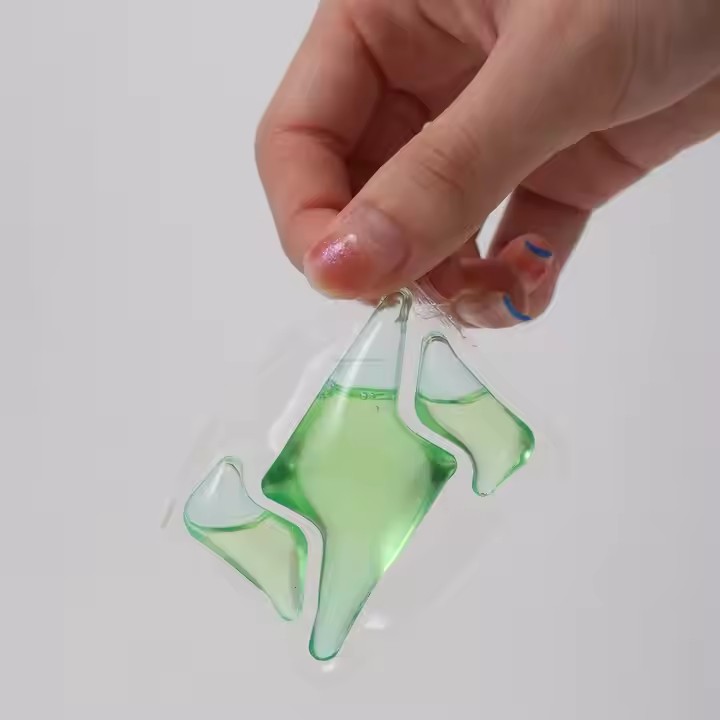
Laundry pods (or beads) represent a revolutionary leap from traditional powders and liquids. They are essentially highly concentrated detergents encased in a water-soluble film (usually Polyvinyl Alcohol, or PVA).
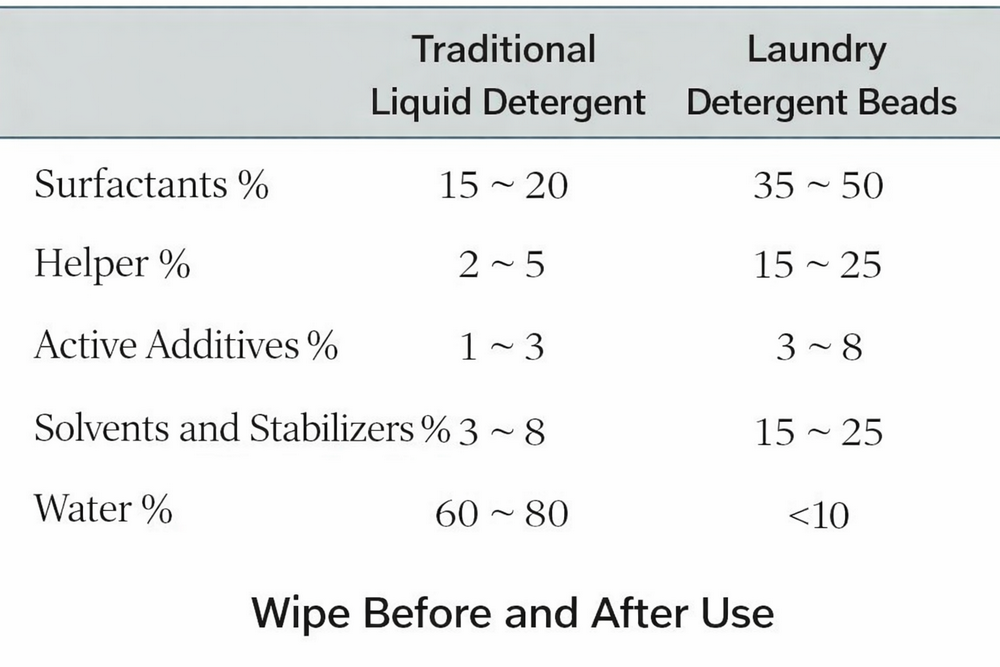
According to the Chinese National Washing Supplies Quality Inspection Center, the difference in active matter is staggering:
Standard Liquid Detergent: Contains approximately 15% active matter (QB/T 1224-2012).
Concentrated Liquid Detergent: Contains approximately 25% active matter.
Laundry Pods: Market samples consistently show active matter concentrations exceeding 65%.
While pods offer superior cleaning power in 1/2 to 1/3 the volume of traditional liquids, their candy-like appearance poses risks to children. To mitigate this, new industry standards (such as QB/T 5658-2021) mandate specific safety features:
Bitterness Agents: Addition of a bitterant to prevent accidental ingestion.
Minimum Volume: Each pod must be at least 10ml.
Burst Resistance: Enhanced film strength to prevent leakage under pressure.
Child-Resistant Packaging: Requirements for "double-action" opening mechanisms.
Fabric softeners are often misunderstood as mere perfumes. Scientifically, they are functional agents that manage the electrical charge of textile fibers.
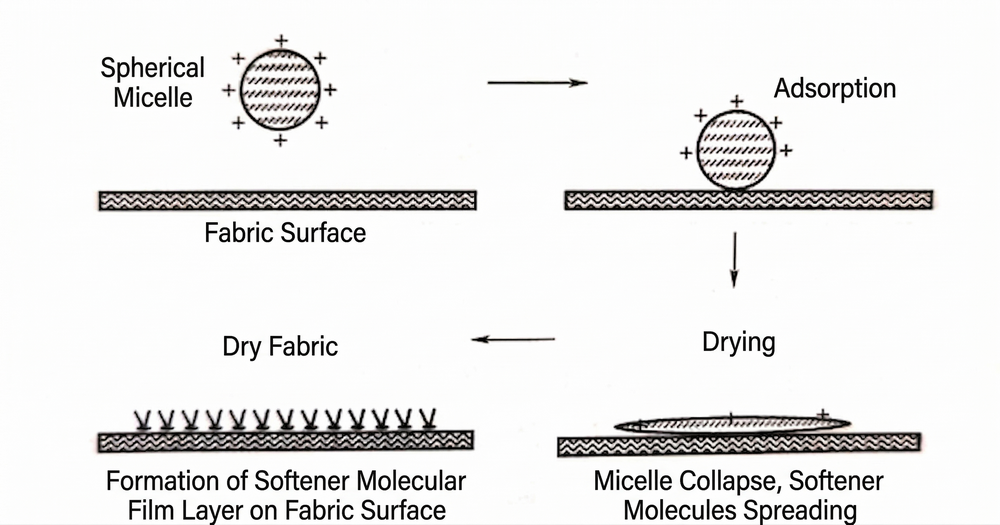
Most detergents use anionic surfactants (negative charge). After washing, small amounts of negative ions remain on the fabric, causing fibers to tangle and become stiff. Fabric softeners utilize cationic surfactants (positive charge).
| Feature | Detergent (Anionic) | Softener (Cationic) |
| Primary Goal | Soil Removal | Fiber Lubrication |
| Charge | Negative (-) | Positive (+) |
| Result | Clean but potentially stiff | Soft, anti-static, smooth |
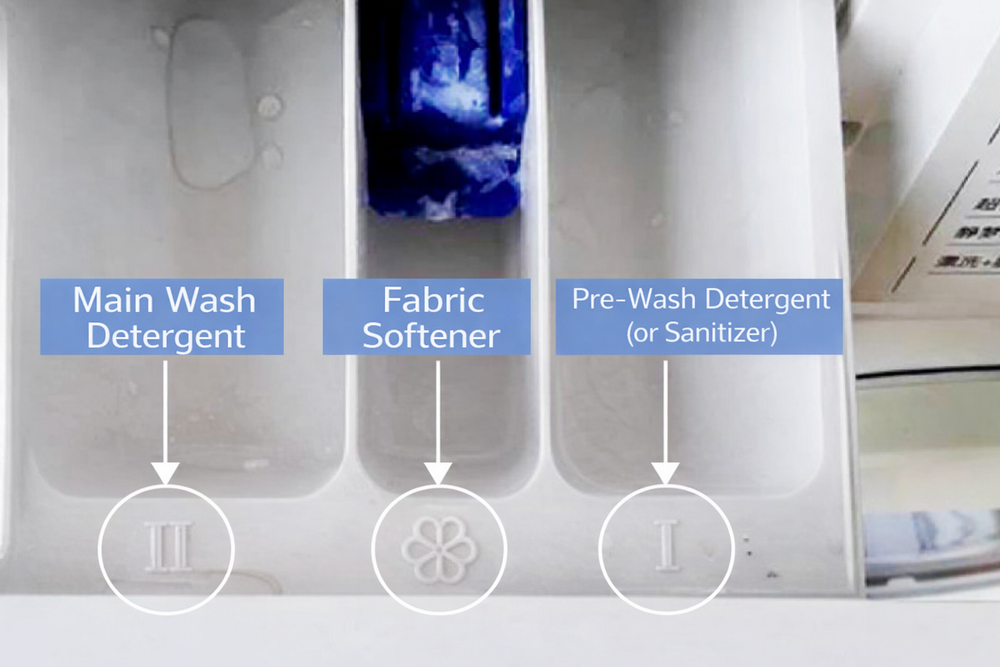
Expert Insight: Never mix detergent and softener in the same cycle compartment. The opposing charges will neutralize each other—a phenomenon known as "charge fighting"—rendering both products ineffective.
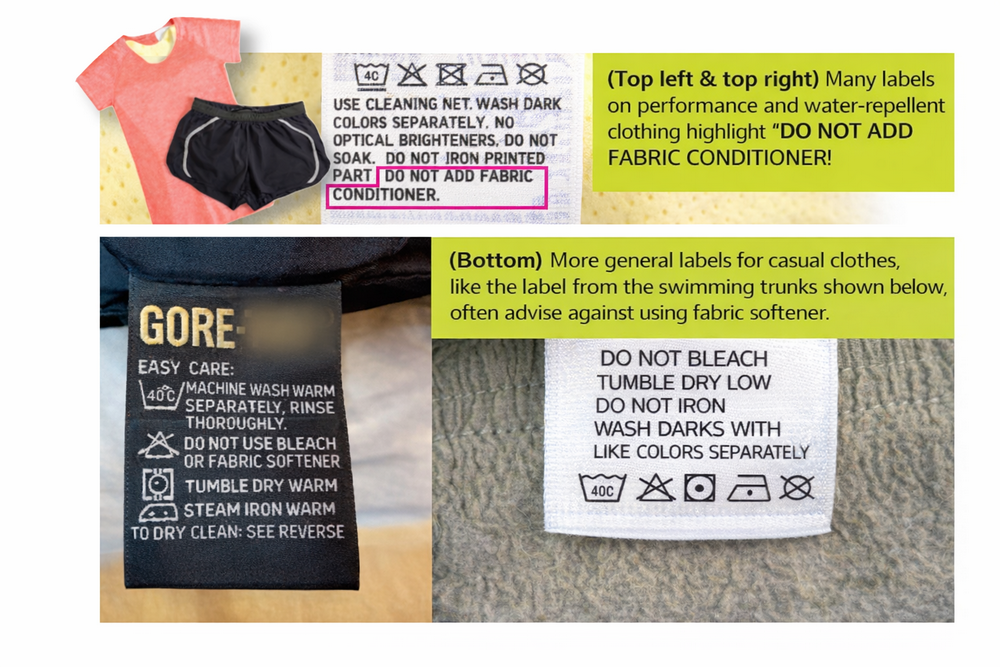
Industry experts and the Hong Kong Consumer Council advise against using softeners on:
Microfiber and Towels: The film reduces water absorbency.
Activewear (Moisture-wicking): Clogs the "breathable" pores of the fabric.
Flame-Resistant Clothing: Specifically children’s pajamas, as it can reduce the effectiveness of the flame retardant.
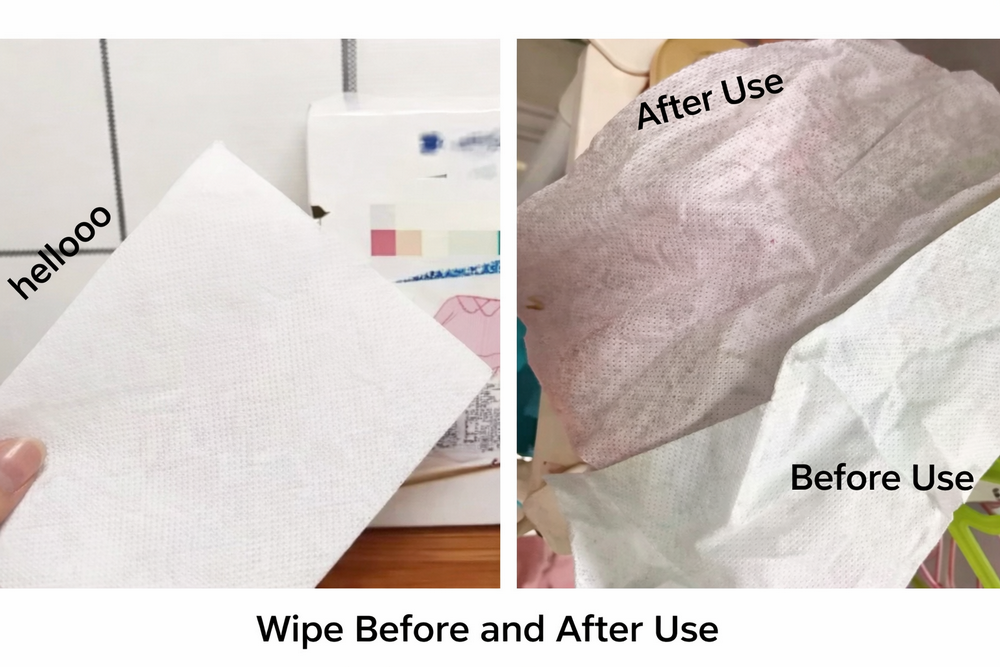
The "bleeding" of dark dyes into light clothes is a common consumer pain point. Color absorber (dye-trapping) sheets allow for "mixed-load" washing, which is a major selling point for eco-conscious consumers looking to save water and energy.
These sheets are typically made of high-density non-woven fabric with a porous structure similar to activated carbon. They act as a chemical "sink," capturing loose dye molecules before they can deposit on other garments.
Optimization Tips for Consumers:
Saturation Limits: Once a sheet is fully dark, its capacity is reached. For new dark denim, use 2-3 sheets.
Temperature Matters: Dye bleeding is more aggressive in hot water; cold water washes enhance the sheet's efficiency.
As a premier OEM partner, Dongguan Ufine Daily Chemical identifies three major trends shaping the global market:
Consumers are moving away from petroleum-based surfactants. We are seeing a 40% increase in inquiries for plant-based surfactants and biodegradable PVA films that dissolve without leaving microplastics.
Cleaning efficacy varies by geography. Expert manufacturers now customize pod formulas with specialized chelating agents to counteract mineral buildup in "hard water" regions like parts of Europe and North America.
The next generation of pods features 3-in-1 or 4-in-1 compartments that release stain removers, brighteners, and scents at different temperatures during the wash cycle.
For wholesalers and brand owners, the barrier to entry for laundry pods is high due to the specialized machinery required for film sealing and high-viscosity liquid filling. Partnering with a specialized factory like Ufine ensures:
Compliance: Adherence to international safety standards (ISO, REACH).
Innovation: Access to the latest enzyme technologies for low-temperature washing.
Scalability: Rapid production of private-label goods to meet seasonal demand.
The shift from "magic" to science in laundry care is driven by chemical concentration and intelligent fiber management. For the modern consumer, laundry pods, softeners, and color sheets aren't just luxuries—they are time-saving tools that preserve the longevity of their wardrobe.
Are you looking to launch your own brand of high-performance laundry pods? [Contact Dongguan Ufine Daily Chemical Co., Ltd. today for a free sample and OEM consultation.]
Q1: Can laundry pods be used for hand washing?
A: It is not recommended. Pods are designed for the high-agitation environment of a machine to ensure the film dissolves completely and the high-concentration formula is diluted safely.
Q2: Do laundry pods expire?
A: Generally, they have a shelf life of 15-24 months. However, they are highly sensitive to moisture. Always store them in a cool, dry place with the container sealed.
Q3: Can I use color absorber sheets in a dryer?
A: No. These sheets are designed to capture dyes suspended in water during the wash cycle. They serve no functional purpose in a dry environment.
Q4: Why didn't my laundry pod dissolve completely?
A: This usually happens if the machine is overloaded or if the pod is placed on top of the clothes. Always place the pod at the bottom or back of the drum before adding laundry.
Q5: Is "Active Matter" the only indicator of a good detergent?
A: While active matter (surfactants) is the primary engine for cleaning, high-quality pods also include protease, amylase, and cellulase enzymes to target specific stains like blood, starch, and grass.
[1] Standardization Administration of China (SAC). QB/T 1224-2012: Liquid Detergents for Fabrics. This national standard defines the minimum active matter requirements for standard and concentrated liquid detergents. [View Standard Overview via China Standards Portal]
[2] Ministry of Industry and Information Technology of PRC. QB/T 5658-2021: Laundry Detergent Pods. The definitive safety and technical regulation for the manufacturing and packaging of laundry pods, effective from April 1, 2022. [Access Official Standard Details]
[3] Hong Kong Consumer Council. Laundry Detergent & Softener Safety Guide: Fabric Care and Skin Sensitivities. A comprehensive report on the chemical interactions of fabric softeners and their impact on different textile types. [Read the Full Report]
[4] Journal of Surfactants and Detergents. The Evolution of Concentration: Performance Analysis of Multi-Compartment Laundry Pods. A peer-reviewed study on the efficacy of high-active matter formulations in cold water washing. [Browse Journal Archive via Springer]
[5] American Cleaning Institute (ACI). The Science of Laundry: How Surfactants and Enzymes Work. Industry-leading insights into the molecular behavior of anionic and cationic surfactants in modern fabric care. [Explore ACI Science Resources]
[6] European Cleaning and Hygiene Industry (A. I. S. E.). Product Stewardship Programme for Liquid Laundry Detergent Capsules. International safety guidelines for the prevention of accidental ingestion and sustainable manufacturing practices. [View A.I.S.E. Safety Guidelines]


