
Views: 222 Author: Tomorrow Publish Time: 12-04-2025 Origin: Site


Content Menu
● Can You Put Bleach Pods in the Dishwasher?
● What Happens If You Use Bleach Pods in the Dishwasher?
● Health Risks of Bleach Exposure
● When Might Bleach Use Be Acceptable?
● Safe Alternatives to Bleach Pods in Dishwashers
● Step-by-Step: Accident Response
● Routine Dishwasher Maintenance
● Environmental and Broader Impacts
● FAQ
>> 1. Can bleach damage my stainless steel dishwasher?
>> 2. Is there any type of bleach safe for dishwashers?
>> 3. Can I mix bleach with vinegar for better cleaning power?
>> 4. How often should I sanitize my dishwasher?
>> 5. What should I use to remove mold in my dishwasher?
Dishwashers simplify cleaning by handling grease, food particles, and bacteria through high temperatures and detergents. Homeowners often face stubborn stains or odors, prompting questions about using bleach pods for extra sanitization. Bleach pods, designed primarily for laundry, contain concentrated sodium hypochlorite or similar agents that release powerful oxidizers. Placing them in a dishwasher risks corrosion, toxic reactions, and health hazards, making it an unsafe practice for most appliances.[1][2]
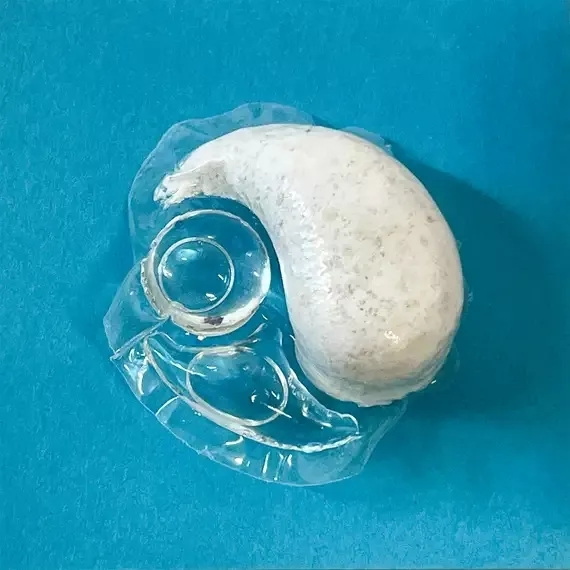
Bleach pods consist of pre-measured packets of chlorine-based bleach, such as sodium hypochlorite, encased in soluble film. These dissolve during wash cycles to target organic stains, whitening fabrics and killing microbes. Manufacturers formulate them for laundry machines, where water temperatures and agitation suit their chemistry.[1]
Dishwasher pods differ significantly, using enzymes, surfactants, and milder oxygen-based bleaches to avoid damaging glassware or plastics. Bleach pods lack these balances, leading to excessive alkalinity with a pH around 12.5, which attacks dishwasher materials like rubber seals and stainless steel over time.[3][4]
No, bleach pods should never go into standard dishwashers. Most models feature stainless steel interiors vulnerable to chlorine corrosion, which pits surfaces and weakens structural integrity. Manuals from major brands explicitly prohibit bleach to prevent warranty voids and premature failures.[7][1]
Even diluted, bleach pods release fumes irritating to eyes, skin, and lungs, especially in enclosed dishwasher spaces. Plastic-tub units tolerate occasional liquid bleach better, but pods concentrate too much chemical too quickly, overwhelming rinse mechanisms.[2][4]
Using bleach pods triggers immediate and long-term issues. Chlorine attacks metal racks, causing rust spots within cycles, while degrading door gaskets leads to leaks. Sensors detecting water quality or temperature suffer coating erosion, disrupting cycles.[3][1]
Chemical reactions amplify dangers. Mixing with ammonia-based detergents produces chloramine gases, causing coughing, nausea, chest pain, and pneumonia risks. Acids in rinse aids generate chlorine gas, irritating mucous membranes and potentially fatal at high levels.[4][2]
Residues cling to dishes, risking ingestion that triggers vomiting or diarrhea. Studies link regular bleach exposure to 32% higher lung disease odds, with skin burns from splashes dissolving protective oils rapidly.[5][3]
Bleach fumes irritate respiratory tracts, worsening asthma or causing occupational lung issues. Skin contact results in burns, inflammation, and blistering, especially under gloves trapping solutions. Eye splashes demand 15-minute flushes to avert permanent damage.[4][3]
Ingestion from residues poses poisoning threats, particularly for children, with dishwasher powders linked to esophageal burns in ingestions. Superbugs emerge as incomplete kills foster resistant bacteria, complicating future infections.[5][3]
Stainless steel tubs develop pitting from oxidation, reducing lifespan by years. Plastics yellow, become brittle, and crack under high pH assault. Aluminum utensils corrode entirely, while painted surfaces fade.[6][1]
Modern dishwashers integrate electronics and coatings undone by bleach, leading to error codes or total failure. One cycle might not show effects, but repeated use accelerates wear.[7]
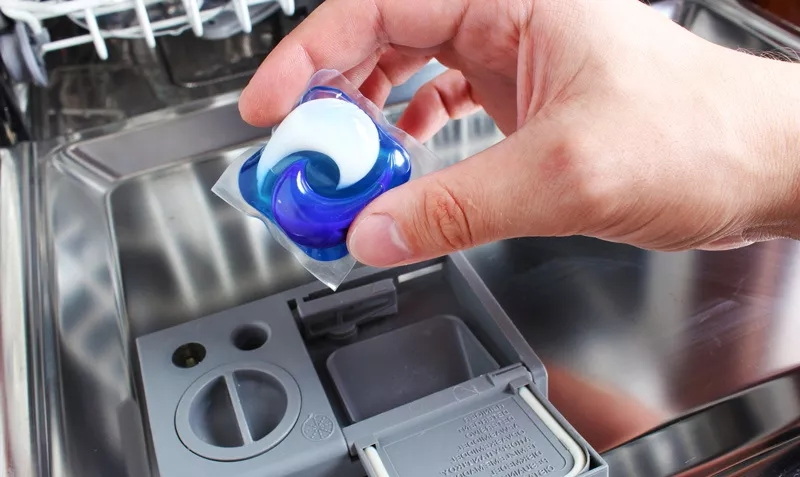
Rarely, and only liquid forms in plastic interiors. Add ½ cup to an empty hot cycle bottom for mold, followed by rinses. Check manuals; stainless models forbid it entirely.[7]
Post-illness sanitization might justify it sparingly, but enzymes or heat cycles suffice usually. Oxygen bleaches offer safer whitening without corrosion.[1]
Vinegar excels at dissolving limescale and odors; place 1-2 cups in a top-rack bowl for hot cycles. Baking soda absorbs smells and scrubs residue when sprinkled bottom-wide.[3]
Citric acid powders target hard water spots effectively. Commercial tablets with enzymes handle grease sans damage. Oxygen bleach like sodium percarbonate breaks stains gently, biodegrading better.[6][1]
1. Halt cycle instantly via power off.
2. Ventilate by opening door cautiously.
3. Gloved removal of remnants.
4. Multiple hot rinses.
5. Vinegar cycle neutralization.
6. Professional check for harm.[2]
Weekly filter cleans prevent clogs. Monthly vinegar runs clear buildup. Pre-rinse heavy soils. Ajar doors deter mold. Spray arm wipes sustain spray patterns.[7]
Bleach forms dioxins in wastewater, harming aquatic ecosystems and prompting algal blooms via phosphates in some detergents. Chlorine gas emissions irritate broadly, historically weaponized. Eco-alternatives reduce these loads significantly.[6][3]
Bleach pods belong in washers, not dishwashers, where they corrode components, spawn toxic gases, and endanger health. Opt for vinegar, baking soda, citric acid, or oxygen bleaches for safe, effective cleaning. Proper maintenance and manufacturer guidelines preserve appliances, protect users, and lessen environmental harm, ensuring reliable performance long-term.
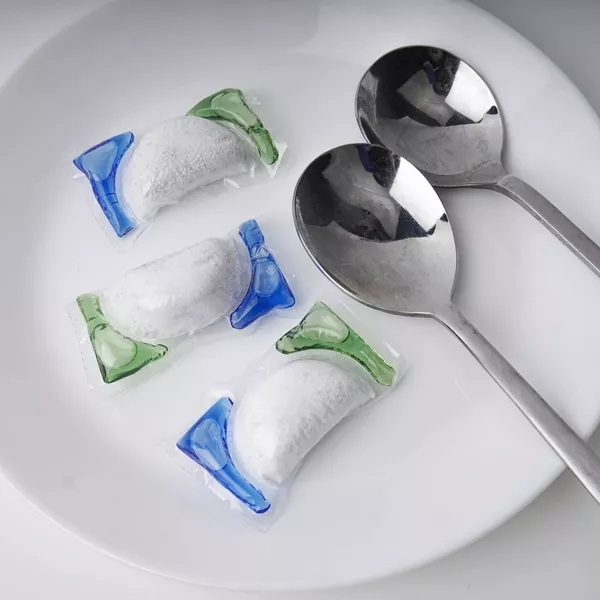
Yes, chlorine corrodes stainless steel, pitting surfaces and dulling finishes rapidly. Manuals prohibit it to safeguard warranties.[1][7]
Oxygen-based options like sodium percarbonate whiten gently without corrosion or fumes, suiting most models better than chlorine.[1]
No, acids like vinegar with bleach yield chlorine gas, causing severe respiratory distress, burns, and potential death.[2][4]
Monthly vinegar or cleaner cycles suffice for odor and buildup control in typical use, avoiding harsh chemicals.[7]
Vinegar or hydrogen peroxide kills spores safely, followed by rinses, preventing recurrence without material risks.[3]
[1](https://www.ufinechem.com/is-there-bleach-in-dishwasher-pods.html)
[2](https://doh.wa.gov/community-and-environment/contaminants/bleach-mixing-dangers)
[3](https://yayamarias.com/blogs/news/bleaching-dishes)
[4](https://www.advap.com/blogs/news/is-bleach-toxic)
[5](https://www.phfscience.nz/media/o4gncg4r/esr-health-risk-assessment-dishwasher-powder.pdf)
[6](https://pivotfarmllc.com/943/dangers-of-dishwasher-detergent/)
[7](https://www.reddit.com/r/CleaningTips/comments/174z4vs/is_it_safe_to_use_bleach_in_the_dishwasher_to/)
[8](https://shopping.yahoo.com/home-garden/cleaning/articles/dishwasher-expert-reveals-one-common-120000858.html)
[9](https://pmc.ncbi.nlm.nih.gov/articles/PMC9250289/)
[10](https://www.reddit.com/r/CleaningTips/comments/1eh0oun/why_is_it_unsafe_to_mix_bleach_and_dish_soap_but/)


