
Views: 222 Author: Tomorrow Publish Time: 12-04-2025 Origin: Site


Content Menu
● Why People Consider Using Dishwasher Pods for Mopping
● Can You Mop with Dishwasher Pod?
● Potential Risks of Mopping Floors with Dishwasher Pods
>> Surface Damage Across Floor Types
>> Chemical Residue and Slip Hazards
>> Warranty and Long-Term Costs
● Safer Alternatives to Dishwasher Pods for Mopping
● How to Properly Mop Floors (Step-by-Step)
● Floor-Type Specific Cleaning Guide
● FAQ
>> 1. Can you use dishwasher pods on tile floors?
>> 2. What happens if I mop with a dishwasher pod by mistake?
>> 3. Are dishwasher pods safe on hardwood floors?
>> 4. What should I use instead of a dishwasher pod to clean floors?
>> 5. Can dishwasher pods damage vinyl or laminate floors?
Keeping floors spotless remains a daily challenge for many households, prompting creative but risky cleaning experiments. Dishwasher pods, with their powerful grease-cutting formulas, spark curiosity about alternative uses like mopping. While they excel in dishwashers, their application on floors raises concerns over safety, effectiveness, and long-term damage. This article examines the composition of these pods, potential hazards across floor types, expert insights, and reliable alternatives to achieve clean results without compromise.
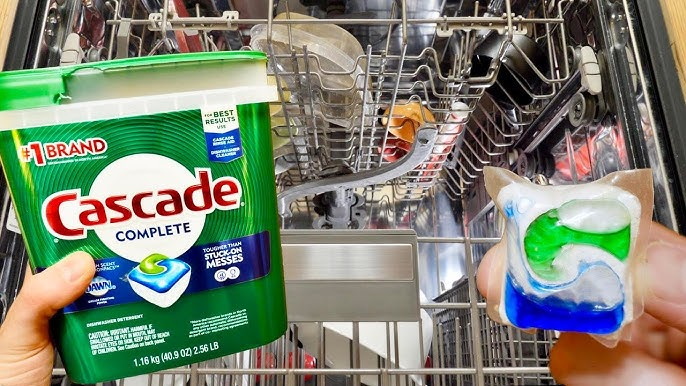
Dishwasher pods consist of pre-measured capsules packed with detergent, enzymes, surfactants, rinse aids, and sometimes bleaching agents or water softeners. These components activate in hot dishwasher water to dissolve food residues, break down proteins and starches, and leave dishes sanitized. The outer film dissolves quickly, releasing a concentrated mix optimized for high-temperature cycles that reach 120-160°F.
Surfactants reduce water's surface tension to lift grime, while alkaline builders enhance cleaning power. Enzymes target organic stains, and polymers prevent redeposition of dirt. However, this formulation suits enclosed machines, not open floor surfaces where dilution and rinsing differ significantly.[1]
Homeowners experiment with dishwasher pods for mopping due to their accessibility and reputation for tackling tough kitchen messes. Pods promise convenience—no measuring required—and strong degreasing action that seems ideal for sticky floors from food spills or pet accidents. Social media anecdotes fuel this trend, with users sharing quick-clean hacks during shortages of traditional cleaners.
Economic factors play a role too; leftover pods from bulk buys prompt reuse. Some believe the disinfecting enzymes provide superior sanitation over basic soaps. Yet, these motivations overlook formulation differences between dishwasher environments and manual mopping, where uneven dissolution can lead to patchy cleaning.[2][1]
Yes, technically you can dissolve a dishwasher pod in a bucket and mop, but experts strongly advise against it for routine use. The high alkalinity, often pH 10-13, erodes floor sealants over time, while residues from incomplete rinsing create slip hazards. Initial results may appear clean, but repeated exposure dulls finishes and attracts more dirt.[3][1]
Pods dissolve unevenly in cold or lukewarm mop water, unlike dishwasher heat, leading to concentrated spots that etch surfaces. Flooring guidelines from manufacturers explicitly warn against non-approved cleaners to preserve warranties. Occasional emergency use might pass unnoticed, but consistency risks costly repairs.
Dishwasher pods pose multiple risks when repurposed for floors, affecting surfaces, health, and the environment.
Hardwood suffers most, as alkaline detergents strip polyurethane finishes, causing swelling, cracking, or discoloration from excess moisture and chemicals. Laminate edges swell and peel when sealants break down, turning glossy surfaces matte. Vinyl, though resilient, fades or yellows from bleach agents, with residues making it tacky.[1]
Tile withstands cleaners better, but grout absorbs chemicals, leading to darkening or crumbling. Stone like travertine etches from acidity in some pods, dulling natural polish. Sealed textured stone, common in kitchens, risks residue buildup in crevices, frustrating efforts to keep areas clean.[2]
Pods leave films from surfactants and polymers not fully rinsed in mopping. This sticky layer traps dust, requiring more frequent cleaning and increasing slipperiness—dangerous for homes with children or elderly. Powdered variants exacerbate gumminess, demanding multiple rinses.[1][2]
Concentrated pods irritate skin upon contact, causing burns or rashes, especially without gloves. Fumes from VOCs trigger respiratory issues, headaches, or asthma in poorly ventilated spaces. Children and pets face ingestion risks from residues, potentially leading to gastrointestinal distress or toxicity.[7][8][3][1]
Phosphates and non-biodegradable components in pods contribute to waterway pollution when rinsed into drains, harming aquatic life. Overuse amplifies chemical runoff, countering eco-friendly cleaning goals.[1]
Non-compliant cleaners void warranties, leaving owners liable for refinishing hardwood at $3-8 per square foot or laminate replacement.[1]
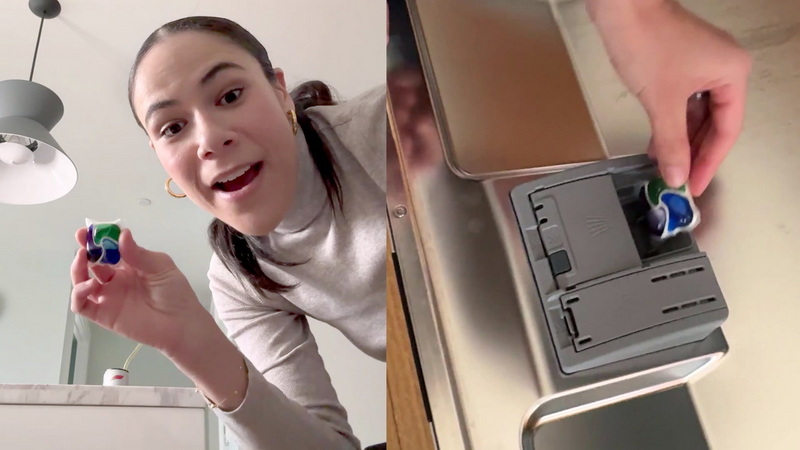
Rare scenarios allow cautious use, such as heavy grease on concrete garage floors where rinsing is feasible. Outdoor patios tolerate diluted pods better than interiors. For emergencies sans alternatives, dissolve half a pod in two gallons of hot water, apply sparingly, patch-test first, and rinse twice. Ventilation and gloves remain essential, but transition to proper products immediately.[1]
Opt for targeted solutions to clean effectively without risks.
Formulated at pH 7-9, these preserve sealants on wood, vinyl, and tile while lifting dirt. Brands specify floor types for optimal results.[1]
- White vinegar (1 cup per gallon warm water) cuts grease on tile and vinyl, disinfecting naturally without residues. Avoid on stone or wood.
- Baking soda paste scrubs stains on porcelain, rinsed with plain water.
- Mild dish soap (liquid, not pods) diluted heavily works on sealed floors, rinsing easily unlike pods.[2][1]
Plant-based cleaners free of phosphates clean multi-surfaces, minimizing health and environmental harm. Steam mops extract dirt without chemicals, ideal for textured stone.[2]
Label-approved options for kitchens handle grease safely, outperforming pods long-term.
Effective mopping prevents damage and buildup.
1. Clear and sweep/vacuum debris to avoid scratches.
2. Use warm water with diluted cleaner in a two-bucket system—one for solution, one for rinsing.
3. Wring mop thoroughly; work in sections to control moisture.
4. Rinse mop often, changing water as it dirties.
5. Dry with microfiber towels or fans to evade warping.
6. Buff for shine on glossy floors.
Weekly routines maintain hygiene; spot-clean spills promptly.
Tailor methods to materials.
- Hardwood: Damp mop with wood-safe cleaner; no standing water.
- Laminate: Microfiber mop with minimal solution; avoid soaking.
- Vinyl: Mild soap solution; dries quickly.
- Tile/Grout: Vinegar or baking soda for stains; steam for deep clean.
- Stone: pH-neutral only; test unsealed areas.[2][1]
Professionals, including cleaning services, reject dishwasher pods due to residue and damage risks. They advocate steam cleaning for chemical-free results on textured floors and no-shoes policies to reduce grime. Safety data sheets confirm pod toxicity outside intended use, urging floor-specific products.[6][2][1]
Mopping with dishwasher pods offers short-term convenience but invites surface degradation, health hazards, slippery residues, and environmental harm. Their high-alkaline, enzyme-heavy design thrives in dishwashers, not diluted floor applications across hardwood, laminate, vinyl, tile, or stone. While emergencies permit extreme dilution and rinsing, routine use erodes finishes, voids warranties, and complicates maintenance.
Prioritize pH-neutral cleaners, vinegar solutions, or steam methods for safe, sparkling results. Proper techniques like two-bucket systems and quick drying extend floor life. Investing in compatible products yields cleaner homes without unintended consequences.
Dishwasher pods clean tile grease but risk grout discoloration and slippery residues. Rinse thoroughly or choose tile-specific cleaners instead.[1]
A one-time use causes minimal harm if rinsed well, but residues may dull shine. Rewash with plain water to neutralize.[2][1]
No, they strip sealants, causing warping and discoloration. Use wood-designated pH-neutral solutions exclusively.[1]
pH-neutral cleaners, diluted vinegar for tile/vinyl, mild liquid dish soap, or baking soda pastes provide safe alternatives without damage.[2][1]
Yes, bleach and alkalinity degrade coatings, leading to peeling and stickiness. Opt for floor-safe degreasers to avoid issues.[1]
[1](https://www.ufinechem.com/can-i-use-a-dishwasher-pod-to-clean-my-floors.html)
[2](https://www.reddit.com/r/CleaningTips/comments/167tq8u/can_you_use_dishwasher_detergent_on_floors/)
[3](https://branchbasics.com/blogs/cleaning/why-human-safe-dishwashing-important)
[4](https://www.reddit.com/r/CleaningTips/comments/16rcugb/accidentally_washed_dishes_with_floor_cleaner_am/)
[5](https://koparoclean.com/blogs/koparoclean-blog/the-hidden-dangers-of-dishwashing-liquids-why-you-need-a-non-toxic-alternative)
[6](https://cris.msu.edu/news/featured/science-vs-sensation-dishwasher-detergent-safety/)
[7](https://www.chla.org/blog/advice-experts/keep-your-child-safe-household-cleaners-and-chemicals)
[8](https://www.lung.org/clean-air/indoor-air/indoor-air-pollutants/cleaning-supplies-household-chem)
[9](https://www.bhg.com/are-dishwasher-pods-safe-11843274)
[10](https://environqa.com/blogs/news/the-hidden-dangers-of-dishwashing-detergents)


