
Views: 222 Author: Tomorrow Publish Time: 12-02-2025 Origin: Site


Content Menu
● How Do Dishwasher Pods Work?
● Can You Just Throw a Dishwasher Pod In?
● The Correct Way to Use Dishwasher Pods
● What Happens If You Put a Pod in the Bottom of the Dishwasher?
● Why Do Dishwasher Pods Sometimes Fail to Dissolve Properly?
● Are Dishwasher Pods Better Than Powder or Liquid Detergents?
● When Is It Acceptable to Toss a Dishwasher Pod into the Bottom?
● Tips for Optimizing Dishwasher Pod Performance
● Dishwasher Pod Safety and Storage Tips
● Environmental Considerations of Dishwasher Pods
● Common Myths About Dishwasher Pods
● FAQ
>> (1) What happens if a dishwasher pod doesn't dissolve?
>> (2) Can you put two pods in for heavily soiled dishes?
>> (3) Are dishwasher pods safe for septic systems?
>> (4) Do dishwasher pods expire or lose effectiveness?
>> (5) Can dishwasher pods dissolve in cold water?
Dishwasher pods are celebrated for their convenience and precise detergent measurements, making kitchen cleanups easier. The common question for many users is whether you can just throw a dishwasher pod in or if there's a specific method of use. The right placement and handling of these pods are crucial to ensure optimal cleaning, prevent residue, and protect your dishwasher from damage.
This article explores in depth what dishwasher pods are, how they work, and the best practices to use them effectively for sparkling clean dishes.
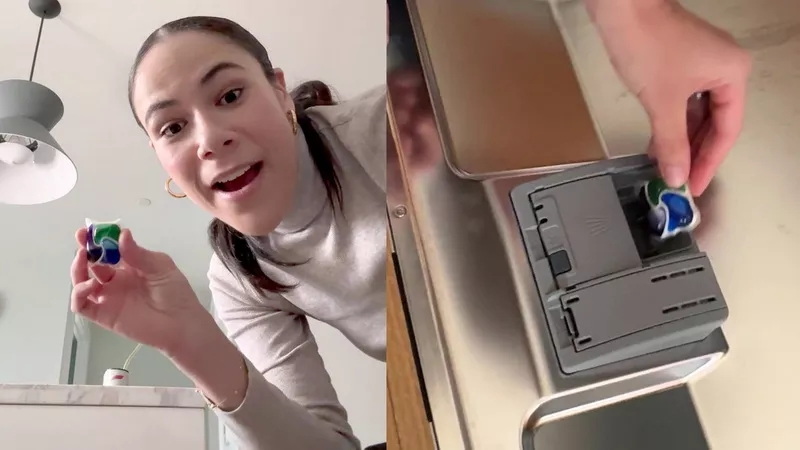
Dishwasher pods are compact, pre-measured detergent capsules wrapped in a water-soluble film made of polyvinyl alcohol (PVA). Inside each pod is a blend of detergent, and often rinse aid and other cleaning agents. The gel or powder combination inside the pod dissolves when heated water contacts the pod during the wash cycle.
Because pods are pre-measured, they prevent detergent waste and exposure to detergent powders or liquids, making them safer and easier to use than traditional forms. This combination aims to deliver a strong cleaning action while reducing leftover residue on dishes.
Dishwasher pods are designed to work in coordination with the dishwasher's wash cycle. Once placed in the detergent compartment and the dishwasher starts, hot water reaches the pod. The PVA film then dissolves, releasing detergent into the water. The active ingredients in the detergent break down grease, food scraps, and stains on dishes.
Some pods contain multiple chambers that release detergent and rinse aid at precise intervals during the cycle for maximum effect. The detergent fights stains and debris early, while rinse aid helps reduce water spots and speeds drying later in the process.
While it might seem that simply throwing the pod inside the dishwasher would be easiest, it is generally not the recommended practice. The optimal use is to place the pod inside the dishwasher's detergent dispenser compartment and close the lid securely.
Throwing the pod loosely in the dishwasher basin may cause the pod to dissolve too early, such as during the prewash cycle. This early dissolution leads to wasted detergent and poor cleaning performance as the detergent isn't available during the main wash. Additionally, pods dissolved in the bottom sometimes leave residue or cause foaming issues that impact cleaning.
The detergent dispensers are engineered to release pods at the correct time, so to get the best cleaning results, it's best to use this compartment unless your dishwasher manual states otherwise.
1. Open the dishwasher door and locate the detergent dispenser, typically on the inside of the door.
2. Ensure the detergent compartment is dry before placing the pod inside, as moisture can cause premature dissolving.
3. Place one pod in the dispenser without tearing or unwrapping it. Pods have a dissolvable film that should remain intact.
4. Close the detergent compartment lid firmly until it clicks.
5. Run the dishwasher using the desired wash cycle.
Using one pod per cycle is sufficient, as the pods are formulated with just the right amount of detergent for a typical wash. Overuse of pods does not improve cleaning and can cause residue buildup or damage.
Placing a pod directly on the floor of the dishwasher rather than in the dispenser is not ideal for most dishwashers. In this position, the pod often dissolves too early due to direct water exposure during prewash. As a consequence, detergent may be expended before the main wash begins, resulting in poor cleaning performance.
Moreover, undissolved pod residue can collect on dishes or dishwasher components, causing white films or cloudy spots. If detergent gathers near filters or spray arms, it can clog them, reducing efficiency and potentially causing mechanical issues.
Still, in some older dishwasher models or if the detergent dispenser is malfunctioning, temporarily placing the pod in the bottom may be acceptable. However, this placement may require longer, hotter cycles to ensure full pod dissolution.
Even when used correctly, pods may occasionally fail to dissolve fully due to the following reasons:
- Blocked detergent dispensers: Large dishes or pans blocking the dispenser can prevent water from contacting the pod properly.
- Low water temperature: Pods need hot water (between 120°F and 140°F or 50°C to 60°C) to dissolve properly; cold water results in incomplete dissolution.
- Quick wash cycles: Shorter or eco-friendly cycles may not allow pods enough time to dissolve completely.
- Hard water: Mineral buildup from hard water can interfere with detergent performance and dissolution.
Regular cleaning of the dishwasher, especially spray arms and filters, and setting sufficient water temperature and cycle length will help pods dissolve fully.
Each detergent type has unique benefits:
| Type | Advantages | Disadvantages |
|---|---|---|
| Pods | Convenient, pre-measured, less mess, consistent dosing | More expensive, may not dissolve fully in cold water |
| Powder | Cost-effective, customizable dose | Messy, can clump if damp, risk overdosing |
| Liquid | Fast dissolving, good for short cycles | Easier to overfill, less concentrated |
Pods are preferred for convenience and consistent results but powder or liquid detergents might be selected depending on water conditions, dish type, or dishwasher model.
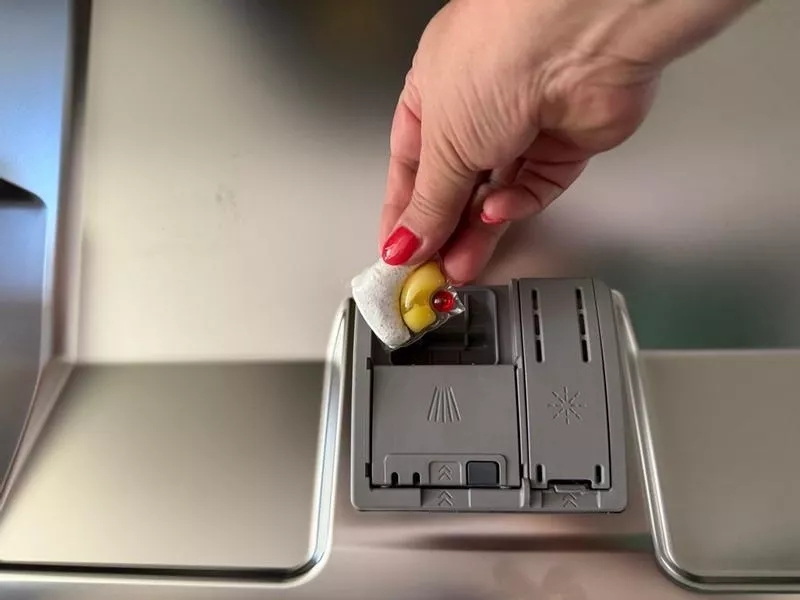
Some dishwasher models, especially older ones or those without dedicated detergent compartments, may require pods to be placed at the bottom. Additionally, for quick wash cycles, some manufacturers recommend placing the pod loosely to ensure dissolution.
If your detergent dispenser is broken or blocked, placing the pod at the bottom in a mesh bag or bowl can help prevent residue buildup. However, this should not be a permanent solution.
Always consult your dishwasher's user manual for specific manufacturer recommendations.
- Pre-rinse heavily soiled dishes lightly to reduce large food particles.
- Load dishes properly without overcrowding for optimal water jet reach.
- Use rinse aid to enhance drying and prevent spots.
- Clean filters and spray arms regularly to maintain water flow.
- Set dishwasher temperature to at least 120°F (50°C) for effective detergent activation.
- Choose cycles that provide enough wash time for pods to dissolve completely.
- Store pods in a cool, dry place away from moisture to prevent premature dissolving.
- Keep away from children and pets due to the high concentration of detergents.
- Handle pods with dry hands to avoid sticky residue.
- Use pods within their recommended timeframe to ensure effectiveness.
Dishwasher pods' water-soluble film is biodegradable, reducing plastic waste compared to traditional detergent packaging. Many pod brands have moved toward phosphate-free formulas to minimize water pollution. Using the dishwasher efficiently with full loads also conserves water and energy compared to handwashing.
- Myth: Pods clean better if cut open.
Fact: Cutting disrupts the dissolvable film, causing detergent to release at the wrong time.
- Myth: Using more than one pod results in cleaner dishes.
Fact: Too much detergent causes residue and may damage the dishwasher.
- Myth: Dishwasher pods can be used interchangeably with laundry pods.
Fact: They are chemically different and intended for different machines.
Can you just throw a dishwasher pod in? Technically yes, but for best cleaning results and to protect your dishwasher, always place the pod inside the detergent dispenser compartment. This ensures controlled, timed release of detergent and rinse aid, avoiding premature dissolution and residue buildup.
Using dishwasher pods correctly paired with proper dishwasher loading, maintenance, and cycle settings will deliver spotless, sparkling dishes every time.
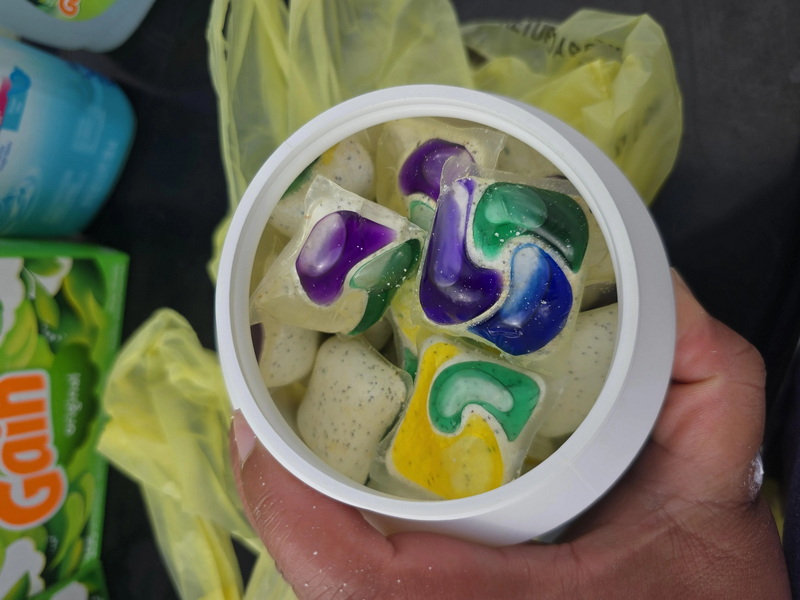
Incomplete dissolution leaves detergent residue on dishes and may reduce cleaning effectiveness. Check water temperature, dishwasher settings, and blockages in the detergent dispenser.
No, doubling pods can cause excess detergent and residue issues. Instead, pre-rinse dishes or use a heavy-duty cycle.
Most pods, especially phosphate-free ones, are septic-safe. Check packaging for confirmation on septic compatibility.
Yes, exposure to moisture or long storage can reduce pod effectiveness. Store pods properly and use within a year.
They work best in hot water (50–60°C). Cold water may hinder complete dissolution and cleaning power.
[1](https://www.whirlpool.com/blog/kitchen/how-to-use-dishwasher-pods.html)
[2](https://tru.earth/blogs/tru-living/how-do-dishwasher-pods-work)
[3](https://www.kitchenaid.com/pinch-of-help/major-appliances/how-to-use-dishwasher-pods.html)
[4](https://www.maytag.com/blog/kitchen/how-to-use-dishwasher-pods.html)
[5](https://puracy.com/blogs/cleaning-tips/how-to-use-dishwasher-pods-correctly-for-best-results)
[6](https://www.youtube.com/watch?v=T9rzJ9wKJrs)
[7](https://www.reddit.com/r/Appliances/comments/14rx7og/where_do_i_put_dishwashing_pods_in_my_dishwasher/)
[8](https://www.youtube.com/watch?v=auhGOs7ZusI)
[9](https://www.reddit.com/r/Home/comments/u7mnw1/was_wondering_if_this_was_the_correct_spot_to_put/)
[10](https://www.youtube.com/watch?v=xdgarQlSAKs)


