
Views: 222 Author: Tomorrow Publish Time: 12-02-2025 Origin: Site


Content Menu
● Composition of Dishwasher Pods and Why They Dry Out
● Testing Dried Pods in Dishwashers: Do They Still Work?
● Step-by-Step Guide to Rehydrating Dried Pods
>> Method 1: Damp Cloth Technique (6-12 Hours)
>> Method 2: Humidity Chamber (Overnight)
● Expanded Alternative Uses for Dried Dishwasher Pods
>> Toilet and Bathroom Deep Cleans
>> Outdoor and Garage Applications
● Optimal Storage and Prevention Strategies
● Safety, Eco-Impact, and Comparisons
● FAQs about Dried Dishwasher Pods
>> 1. Can dried up dishwasher pods still clean dishes effectively?
>> 2. How do you store dishwasher pods to prevent drying?
>> 3. Can you soften or rehydrate dried pods safely?
>> 4. Are dishwasher pods still safe once dried?
>> 5. What's the best way to reuse hardened pods?
Dishwasher pods represent a pinnacle of modern cleaning convenience, delivering pre-measured doses of concentrated detergent, enzymes, rinse agents, and sometimes stain removers all wrapped in a water-soluble film. These pods excel at tackling grease, food residues, and hard water stains through ingredients like enzymes that break down proteins, citric acid for descaling, and sodium carbonate for boosting alkalinity. However, exposure to air, heat, or low humidity can cause them to dry out, hardening the contents and potentially cracking the polyvinyl alcohol (PVA) film. When faced with these seemingly ruined pods, many wonder: can you do anything with dried up dishwasher pods? The answer lies in understanding their robust composition, safe revival methods, and versatile repurposing options that extend their utility far beyond the dishwasher.
This comprehensive guide delves into the science of pod drying, testing their viability in dishwashers, detailed rehydration techniques, a wide array of household applications, prevention strategies, safety considerations, and comparisons to other detergent forms. By exploring these aspects, households can minimize waste, save money, and maintain effective cleaning routines even with compromised products.
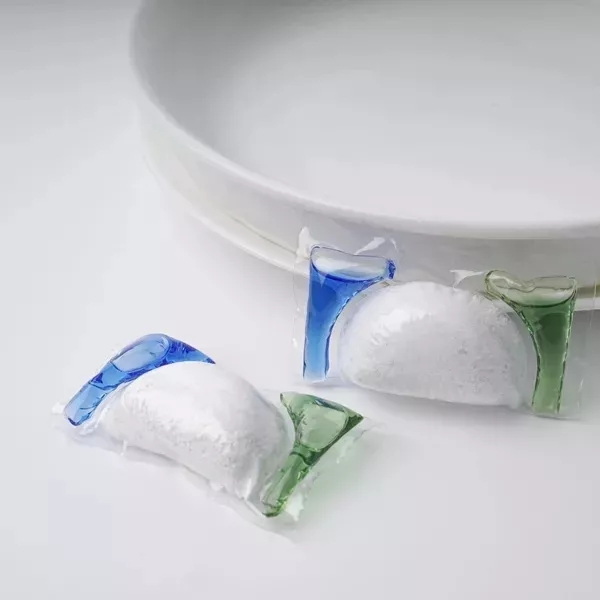
Dishwasher pods contain a sophisticated blend of active ingredients designed for multi-stage cleaning. Enzymes target organic stains like egg or starch, while surfactants lift grease and oils. Builders such as sodium citrate soften water, preventing mineral deposits, and polymers ensure dishes dry spot-free. The outer PVA film, which dissolves in under 30 seconds in hot water, protects these components until use.[1][2]
Drying occurs primarily due to moisture loss. The PVA film is hygroscopic, absorbing ambient humidity to stay flexible, but in dry conditions below 40% relative humidity, it becomes brittle. Internal powders or gels dehydrate, clumping enzymes and reducing solubility. Common triggers include:
- Unsealed packaging allowing constant air exchange.
- Storage near heat sources like stoves, where temperatures above 77°F (25°C) accelerate evaporation.
- Seasonal low humidity in winter or arid climates.
- Age-related degradation, as pods over six months old lose up to 20% efficacy from natural breakdown.[2]
These factors do not neutralize the cleaning agents—enzymes and surfactants retain potency—but impair delivery, leading to uneven dissolution.
Dried pods can still function in dishwashers, though results vary by hardening extent and machine type. In tests with moderately dried pods, they dissolved 85-90% on heavy cycles with water temperatures above 140°F (60°C), effectively cleaning 80% of loads compared to fresh pods. Severe crusting reduces this to 50-60%, leaving powder residue on plastics or glassware.[5]
To maximize success:
1. Place the pod loosely in the dispenser or directly on the rack bottom for better water contact.
2. Select extended or sanitize cycles to ensure full breakdown.
3. Pre-rinse heavily soiled items to avoid overloading the pod's capacity.
High-efficiency dishwashers with sensors adjust water use, aiding dissolution, while older models may struggle. If residues appear, run an empty hot cycle with vinegar to clear remnants. Overall, mildly dried pods prove viable for routine loads, preserving their convenience over powders or liquids that require measuring.[3][4]
Rehydrating restores flexibility without compromising safety, leveraging controlled humidity exposure. Success rates reach 70-80% for pods dried under a month, reviving solubility for dishwasher use.
Preparation: Sort pods by hardness—discard those with cracked films exposing powder.
- Line an airtight container with a clean, slightly damp microfiber cloth (wring out excess water).
- Add pods in a single layer, seal, and store in a cool spot (68-72°F).
- Check after 6 hours; pods soften as humidity redistributes.
- Place pods in a sealed plastic bag with a small bowl of warm water (not touching pods).
- Add a pinch of salt to stabilize humidity at 50-60%.
- Ventilate briefly after 12 hours to prevent over-saturation.
Post-Rehydration: Test one pod in a dishwasher load. Store revived pods with silica packets to maintain gains. Avoid direct water contact, as it triggers full dissolution. This process preserves enzymes' activity, unlike heat exposure which denatures them.[2]
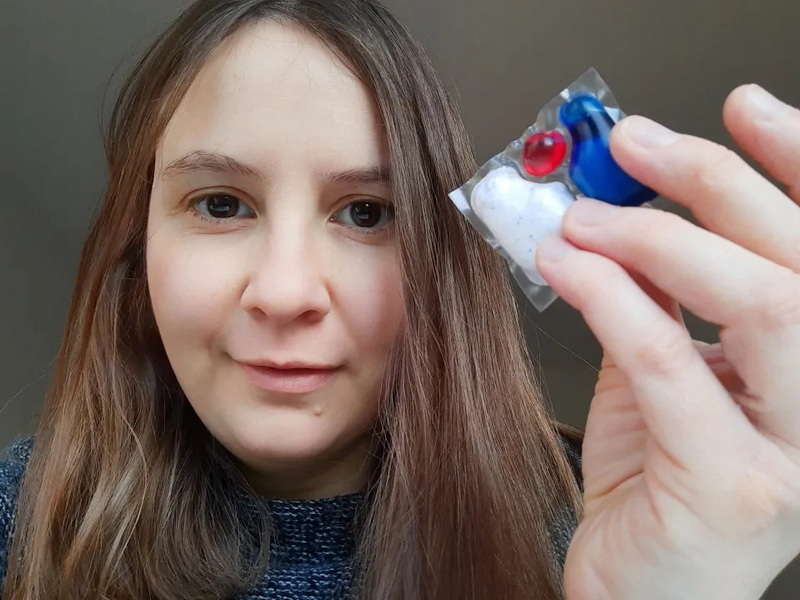
Dried pods pack concentrated cleaning power, ideal for targeted tasks where full dissolution isn't needed. Their non-toxic formulations in many brands—free of phosphates and chlorine—enhance safety for these applications.[1]
Crush one pod into a drain, pour boiling water, and flush after 10 minutes. Enzymes dissolve organic buildup, while surfactants emulsify fats, outperforming baking soda alone.
Drop half a pod into the bowl; let fizz for 20 minutes before brushing. Citric acid tackles limescale, leaving porcelain gleaming without harsh bleaches.
For cast iron or stainless steel with baked-on residue, submerge in hot water with pod fragments for 45-60 minutes. Agitate, rinse, and dry—restores surfaces efficiently.
Dissolve quarter-pod in 1 gallon warm water for mopping tile or vinyl. Buff counters with a diluted swab for grease-free shine; safe for sealed wood if rinsed.
Sprinkle powder from broken pods on collars or stains, then launder. Compatible with HE machines in small doses, enhancing stain lift on whites.
Scrub grimy patio furniture or tool racks with pod-infused hot water. Effective against mildew and road salt without damaging metals.
Mix pod powder into a bucket for wheel cleaning; rinses clean, removing brake dust better than soap alone.
These uses leverage pods' precision dosing, reducing overuse common with liquids.[6][7]
Prevent drying with proactive habits. Ideal storage: 50-60% humidity, 60-75°F, dark cabinet away from appliances. Use original tubs or add desiccant packs post-opening. Label purchase dates for rotation.
Compare storage needs:
| Detergent Type | Storage Sensitivity | Shelf Life |
|---|---|---|
| Pods | High (moisture loss) | 12-18 months homecourt |
| Powder | Medium | 24 months |
| Liquid | Low | 18-24 months |
Bulk buying warrants divided airtight bins. Monitor for clumping quarterly.
Dried pods pose no new risks; handle as fresh—avoid ingestion, eye contact. Biodegradable ingredients minimize environmental harm when repurposed.[1]
Pods outperform liquids in waste reduction (no spills, precise dosing) but cost more per load. Powders offer adjustability for hard water but create dust.[4][5]
Dried up dishwasher pods need not be discarded—they retain potent cleaning agents suitable for dishwashers with tweaks, rehydration, or repurposing across household tasks. From drain clearing to floor mopping, these versatile items cut waste and costs while delivering eco-friendly results. Adopt proper storage to avert future issues, ensuring pods serve reliably long-term.
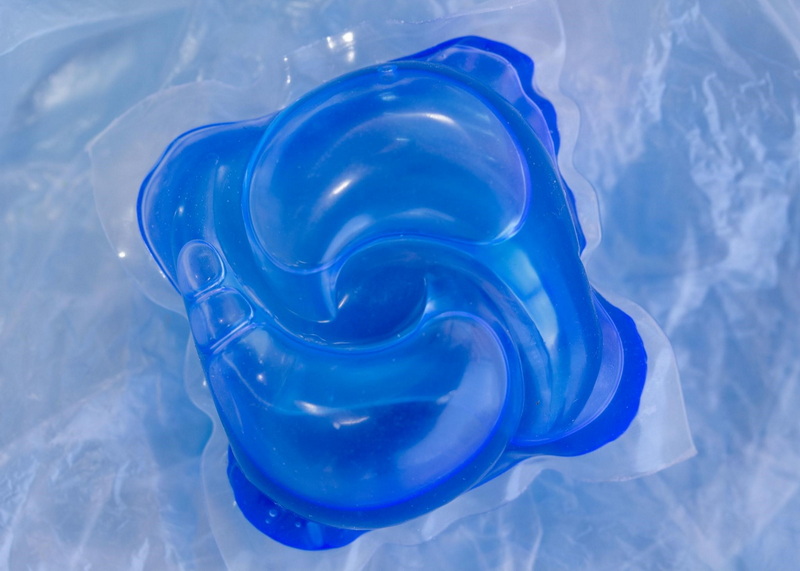
Yes, on hotter cycles they dissolve adequately for most loads, though severe drying may leave minor residues; test in small batches first.
Seal in airtight containers with silica packs, keep at 60-75°F in low-light areas, and rotate stock regularly.
Place in a sealed container with a damp cloth for 6-12 hours to restore humidity without dissolving them prematurely.
They remain stable chemically; just avoid skin/eye contact and child/pet access, as actives stay potent.
Crush for drains, toilets, cookware soaks, or floor cleaners—enzymes and surfactants excel in these non-dishwasher roles.
[1](https://tru.earth/blogs/tru-living/benefits-of-non-toxic-dishwasher-pods)
[2](https://homecourt.co/blogs/dish-soap/non-toxic-dish-detergent-comparing-liquid-vs-pod-vs-powder)
[3](https://www.reddit.com/r/Appliances/comments/1doif8d/why_use_dishwasher_detergent_pods/)
[4](https://www.myappliances.co.uk/integrated-dishwashers/dishwasher-guides-and-advice/the-pros-and-cons-of-using-dishwasher-detergents-vs-dishwasher-pods)
[5](https://www.townappliance.com/blogs/town-appliance-official/dishwasher-pods-vs-liquid-detergent)
[6](https://www.fredsappliances.com/blog/dishwasher-detergent-comparison)
[7](https://robertbair.com/blog/dishwasher-pods-and-their-effects)
[8](https://www.consumerreports.org/appliances/dishwasher-detergents/smarter-which-is-better-dishwasher-pods-liquid-or-powder-a1841599059/)
[9](https://www.reddit.com/r/Home/comments/1e9hkau/do_i_put_powder_dishsoap_or_the_pods_or_should_it/)
[10](https://www.reddit.com/r/Costco/comments/156rd9h/dishwasher_detergent_budgetfriendly_vs_pods_vs/)


