
Views: 222 Author: Tomorrow Publish Time: 12-02-2025 Origin: Site


Content Menu
● Why People Consider Cutting Dishwasher Pods
● What Happens If You Cut Dishwasher Pods?
● Are Dishwasher Pods Safe to Modify?
● Risks of Incorrect Detergent Dosage
● How to Store and Handle Dishwasher Pods Correctly
● What To Do Instead of Cutting Dishwasher Pods
● Best Practices for Using Dishwasher Pods
● Environmental Considerations
● Are There Cases When Cutting Might Work?
● FAQs
>> 1. Can I use half a dishwasher pod for a small load?
>> 2. What happens if I accidentally cut a dishwasher pod?
>> 3. Are dishwasher pods harmful to dishwashers?
>> 4. Can dishwasher pods expire?
>> 5. What's the best alternative to cutting dishwasher pods?
Dishwasher pods offer unmatched convenience for modern households, delivering pre-measured cleaning power in a single package. Yet, the idea of cutting them in half persists among cost-conscious users aiming to stretch their supply for smaller loads or softer water conditions. This practice raises valid questions about safety, effectiveness, and appliance longevity.[1]
Manufacturers design pods with precise formulations, including enzymes, surfactants, and rinse aids, all sealed in a water-soluble film. Altering this structure disrupts the intended performance, potentially leading to poor cleaning or damage. This article examines the risks, science behind pods, safer alternatives, and expert guidelines to help you decide.[2]
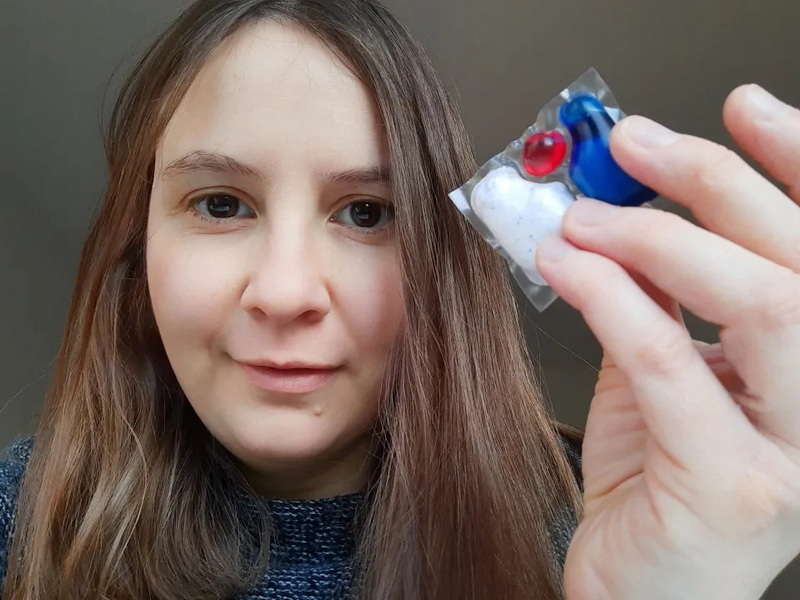
Dishwasher pods consist of concentrated detergents encased in a polyvinyl alcohol film that dissolves during the wash cycle. Each pod integrates multiple components: surfactants to break down grease, enzymes targeting protein and starch stains, and builders adjusting for water hardness.[1]
This all-in-one design eliminates measuring errors common with powders or gels. Pods release ingredients sequentially—cleaners first, followed by rinse aids—optimizing results across cycles. Reputable brands ensure compatibility with most modern dishwashers, including high-efficiency models.[3]
Production standards emphasize safety, with ingredients vetted for skin contact, environmental impact, and machine tolerance. Phosphate-free formulas now dominate, complying with regulations like EU limits of 0.3 grams per wash to prevent water pollution.[7]
Cost savings drive many to experiment with halving pods, especially as prices rise amid supply chain pressures. A single pod suits full loads of 12-16 place settings, but half-loads tempt users to split them, potentially doubling usage.[1]
Environmental awareness plays a role too; reducing detergent means less chemical runoff. In soft water regions, full pods may leave residue, prompting dosage tweaks. Allergy sufferers or eco-focused families seek milder options without sacrificing clean dishes.[2]
Small households with daily light loads view pods as overkill, assuming half suffices. Social media anecdotes fuel this trend, though they overlook formulation science and manufacturer warnings against modification.[10]
Cutting exposes the pod's interior to air and humidity, triggering chemical reactions that degrade enzymes and cause clumping. The film, calibrated for 40-60°C dissolution, loses integrity, leading to incomplete release or foam overflow.[1]
Uneven division skews active ingredients; one half might lack rinse aid, causing spots, while the other over-concentrates surfactants, risking etching on glassware. Undissolved chunks clog spray arms, filters, or pumps, demanding frequent maintenance.[3]
Skin irritation from handling concentrated powder adds hazard—surfactants can dry or inflame skin, eyes, or lungs if inhaled. Children or pets face ingestion risks from residue, as pods resemble candy.[2]
No, modification voids safety assurances. Pods undergo rigorous testing for seals, gaskets, and heating elements, but cuts introduce contaminants that corrode rubber parts over time.[1]
Global standards, like EPA oversight in the US, mandate safe ingredients, yet tampering bypasses these. Harsh alkalis or bleaches, if imbalanced, accelerate wear on stainless steel or plastics.[4]
Child-resistant packaging and bitter coatings deter accidental exposure, but opened pods heighten dangers. Manufacturers like Cascade confirm safety only when used intact, per 70+ years of formulation data.[3]
Overdosing from uneven cuts causes oversudsing, poor rinsing, and residue films. Undersized halves fail to sanitize, leaving bacteria from proteins or fats.[1]
Hard water exacerbates issues; insufficient builders form scale, while excess etches surfaces. Long-term, residue buildup strains motors, raising energy costs by 10-20%.[2]
Health-wise, residues transfer to food, irritating sensitive users. Environmentally, unbalanced discharge fuels algal blooms despite phosphate bans.[7]
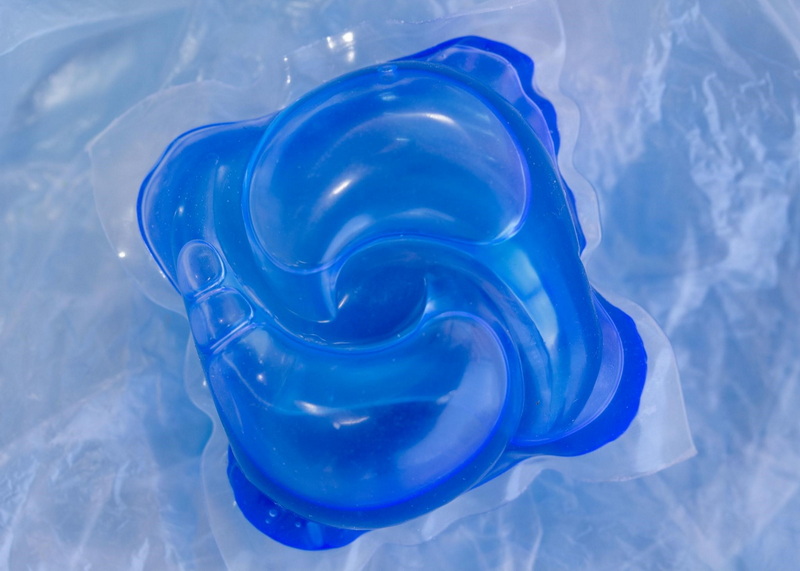
Store in original, sealed containers in cool, dry cabinets away from sunlight. Moisture activates premature dissolution, ruining pods.[1]
Handle with dry hands; gloves suit sensitive skin. Keep elevated from children and pets—ingestion demands immediate poison control contact.[2]
Check expiration; degraded pods lose efficacy. Run empty hot cycles monthly to clear residue, enhancing pod performance.[3]
Switch to powder detergents for precise measuring—use 2/3 scoop for half-loads. Liquids offer similar flexibility via caps or lines.[1]
Leverage dishwasher features: half-load, eco, or sensor cycles auto-adjust water and heat. Pre-rinse heavy soils minimizes detergent needs.[5]
Opt for compact or HE-labeled pods; eco-brands use biodegradable surfactants, plant enzymes, and recyclable film. Certifications like EPA Safer Choice verify safety.[9]
Load properly: face items downward, avoid nesting. Place pod in dispenser, not tub base.[1]
Match cycles to soils—heavy for pots, normal for plates. Clean filters quarterly to prevent clogs.[3]
Test water hardness; add rinse aid for spots. Avoid mixing detergents to prevent reactions.[2]
Phosphate-free pods reduce eutrophication; biodegradable options break down in wastewater. Brands prioritize plant-based ingredients, cutting toxicity.[7]
Refill stations or bulk powders slash plastic waste—pods generate 20% less volume than gels but more packaging. Choose sustainable lines like Tru Earth.[9]
Water-saving cycles paired with efficient pods lower overall impact, aligning cleaning with green living.[1]
Newer pods incorporate water-sensing tech for dynamic release, suiting variable loads. Enhanced enzymes handle low-temp washes, saving energy.[1]
Hypoallergenic, fragrance-free variants cater to allergies, using mild surfactants. Hard-water formulas bind minerals without residues.[2]
Rarely—perfect splits in dry climates for tiny loads might suffice, but inconsistency persists. Most machines demand full concentration for jet pressure and heat.[1]
Time lost cleaning clogs offsets savings. Professional tests show 30-50% efficacy drop post-cut.[10]
Cutting dishwasher pods in half undermines their engineered precision, risking uneven cleaning, appliance damage, health hazards, and environmental harm. Intact use guarantees optimal results, backed by safety standards and manufacturer data.[3][1]
Embrace alternatives like measured powders, eco-cycles, or certified green pods for savings without compromise. Proper handling and storage maximize value, keeping dishes pristine and machines reliable.
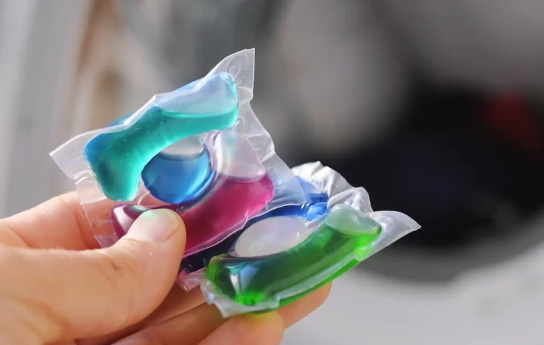
No, cutting disrupts even distribution and film integrity, causing poor dissolution and residue. Measure powder instead or use half-load settings.[1]
Discard it—exposed contents degrade and clump. Handle remnants carefully to avoid irritation, then rinse the area.[2]
Not when used as directed; they suit seals and components. Modifications risk clogs and corrosion.[3]
Yes, humidity or heat shortens life, weakening cleaning. Store dry and check dates.[1]
Powder or liquid for dosing control, or eco-pods with certifications like EPA Safer Choice for safety and sustainability.[9]
[1](https://www.ufinechem.com/are-dishwasher-pods-safe-for-dishwasher.html)
[2](https://www.ufinechem.com/what-dishwasher-pods-are-safe.html)
[3](https://cascadeclean.com/en-us/about-cascade/safety-faq/)
[4](https://www.whitecatusa.com/Technical-Guide-to-Meeting-Global-Safety-Standards-for-Dishwashing-Detergents)
[5](https://www.cleaninginstitute.org/dishwasher-detergent-and-rinse-aid-safety)
[6](https://www.energy.gov/ehss/articles/dishwasher-detergent-brands-meet-doe-fy-2024-priority-products-goals)
[7](https://www.ethicalconsumer.org/home-garden/shopping-guide/ethical-dishwasher-detergent)
[8](https://lemishine.com/products/dishwashing-detergent)
[9](https://tru.earth/blogs/tru-living/benefits-of-non-toxic-dishwasher-pods)
[10](https://puracy.com/blogs/kitchen-cleaning-tips/are-dishwasher-detergent-pods-toxic)


