Dongguan UFine Daily Chemical Co.,Ltd.
- All
- Product Name
- Product Keyword
- Product Model
- Product Summary
- Product Description
- Multi Field Search

Views: 222 Author: Tomorrow Publish Time: 10-30-2025 Origin: Site


Content Menu
● Cost Structure of Dishwasher Pods
● Cost Structure of Gel Detergents in Containers
● Performance and Dosing Considerations
● User Experience and Convenience
● Packaging Waste and Environmental Considerations
● Impact of Shelf Life and Storage Conditions
● Regional Price Variations and Availability
● Brand and Formulation Diversity
● Usage Scenarios and Practical Scenarios
● Environmental and Health Considerations
● FAQ
>> 1. Are dishwasher pods more expensive per load than gel detergents?
>> 2. Do dishwasher pods work better in hard water than gel detergents?
>> 3. Can I use more than one pod for a large or heavily soiled load?
>> 4. Do pods reduce waste compared to gels?
>> 5. Which option is better for the environment?
Dishwashing is a routine household chore, but choosing the right detergent can impact both cleaning performance and household budgets. Two popular options are dishwasher pods and gel detergents stored in containers. This article examines the cost per load, consumer value, usage considerations, and broader factors that influence the overall cost of ownership for these two formats. By comparing price per load, concentration, packaging, waste, and effectiveness, readers can make an informed decision about which option offers better value for their needs.

Dishwasher detergents come in several forms, including powder, gel, and pod formulations. Pods, also known as tabs or capsules, are pre-measured doses designed to simplify usage and reduce mess. Gel detergents, typically sold in bottles or squeeze containers, require measuring and may be more flexible in dosing. Price, performance, and convenience all contribute to the overall cost of using each format. This analysis focuses on typical market prices and common usage patterns to estimate cost per load, while also considering factors like water hardness, dishwasher efficiency, and loading practices that affect effectiveness.
Pods are manufactured as single-use doses that combine detergent with optional boosters such as rinse aids and stain fighters. The price per pod varies by brand, formulation (standard, ultra, or citrus/scented variants), and packaging size. On average, a standard pod might contain enough cleaning agents for one wash cycle, though some premium pods include additional components that may influence price. The advantages of pods include:
- Consistent dosing that reduces the likelihood of overuse or waste.
- Built-in rinse aid or other additives in some formulations, potentially lowering the need for separate products.
- Convenience and spill-proof packaging that minimizes mess.
Nevertheless, pods can present higher upfront costs per load compared to many traditional liquid or gel detergents, especially when considering premium or fragrance-enhanced options. The production and packaging of pods involve costs for liquid encapsulation, water content management, and packaging materials, which can contribute to a higher price per load.
Gel detergents are sold in bottles or squeeze containers and require manual dosing. Price per load depends on the amount used and the concentration of the detergent. Gel detergents can be more economical per load when purchased in larger volumes or during promotional periods. Advantages of gels include:
- Flexible dosing that can be adjusted for smaller or larger loads.
- Potentially lower price per ounce when bought in bulk.
- Easier to reseal and store compared to loose powders.
However, gels may require careful measuring to avoid under- or over-dosing. Inconsistent dosing can lead to suboptimal cleaning or the need for additional products, which can increase total costs over time. Additionally, some gel detergents do not include rinse aid, requiring separate purchases for optimal drying and sparkly dishes.
To roughly estimate price per load, consider the following simplified framework:
- Pods: If a standard pod costs $0.45 to $0.70 per pod and one load uses one pod, the price per load ranges from $0.45 to $0.70.
- Gel Detergent: If a 50-fluid-ounce bottle costs $6 to $10 and a typical load uses 1 to 2 tablespoons (0.5 to 1 fluid ounce) of gel, the price per load ranges from $0.10 to $0.30.
These ranges illustrate that gels can be more cost-effective per load under common usage patterns, especially when purchased in larger volumes and used with conservative dosing. Pods may offer cost advantages when considering reduced waste, consistent performance with hard water, or when someone prioritizes convenience and mess-free operation.
- Hard Water: Water hardness can affect cleaning efficiency. Pods often include water-softening agents or stain-fighting boosters that help performance in hard water. Gel detergents may vary in their ability to address mineral content unless supplemented with additional products like a pre-wash or rinse aid.
- Load Size and Dirt Level: Heavily soiled dishes or large loads can require more detergent or higher-concentration formulations. Pods provide a fixed dose, which can be a limitation for oversized loads or particularly dirty dishes. Gels allow for dose adjustment according to soil level and load size.
- Dishwashers and Detergent Compatibility: Some dishwashers have specific recommendations for detergent formats. Pods may be preferred in machines that benefit from pre-measured doses, while gel detergents can be more versatile for owners who adjust dosing.
- Residue and Rinsing: Detergent residues can affect taste in cookware and the appearance of glassware. Pods are designed to dissolve fully, but under certain conditions—such as low water temperature or short wash cycles—residue can occur. Gel detergents, properly dosed, can also dissolve completely if the machine and water conditions are favorable.
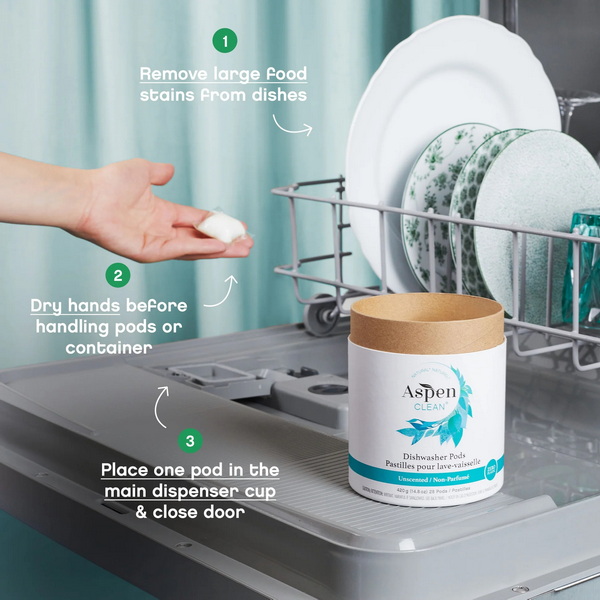
- Pods offer a straightforward, no-measurement approach. This can be especially appealing for families with children or busy households.
- Gel detergents require measuring, which adds an extra step but provides dosing flexibility. This can be advantageous for small loads or partial loads where a full pod would be wasteful.
- Storage and shelf life can differ. Pods are pre-dosed and generally stable until use, while gels require careful sealing to prevent spills and evaporation.
- Pods come in water-soluble film and outer packaging. While pods reduce mess and potential overuse, the packaging can contribute to more plastic or film waste per dose compared to bulk liquid detergents.
- Gel detergents often come in reusable or recyclable bottles. When used responsibly, bottles can be recycled, and some brands offer concentrated formulas to reduce packaging weight.
- Environmental impact also includes production energy, transportation weight, and the presence of phosphates or phosphates-free formulations. Buyers may prefer phosphate-free formulas to minimize ecological impact.
- Pods: Shelf life is generally long, with minimal risk of evaporation or moisture-related degradation if stored in a cool, dry place. Improper storage can cause pods to clump or lose effectiveness.
- Gel Detergents: Exposure to sunlight and heat can degrade detergents over time, reducing cleaning performance. Proper sealing and upright storage help maintain potency and prevent leaks.
- Market pricing for pods and gels varies by region due to distribution networks, taxes, and brand presence. In some markets, generic or store-brand pods are priced similarly to branded gels, shifting the value calculus.
- Availability of concentrated formats or refill pouches can further influence cost per load, especially in regions with strong trends toward packaging reduction.
- Pod formats range from standard to ultra-concentrated pods, with additional boosters like enzymes, oxygen boosters, or scent enhancements. Some pods also include rinse aids and water softeners in a single capsule.
- Gel detergents offer a wide range of scents, enzyme blends, and colorants. Some brands market specialized formulas for baby-safe cleaning, glassware protection, or eco-friendly ingredients.
- Family households with high weekly dish counts may prefer gels for adjustable dosing and potential savings over time.
- Small households or dorm settings may favor pods for convenience and mess-free operation with less risk of spills.
- Households with hard water or mineral-rich tap water might benefit from pods that include water-softening additives to maintain stain-free results.
- Consumer demand is rising for phosphate-free formulations due to ecological concerns. Both pods and gels are available in phosphate-free options, though availability varies by brand and region.
- Fragrance and dye content can affect sensitive individuals. Hypoallergenic or fragrance-free options are more commonly found in gels and pods aimed at sensitive markets.
- Frequent dishwashers with high-usage patterns: Gels may provide better long-term value due to bulk pricing and flexible dosing, especially when households optimize for soil level and load size.
- Busy households prioritizing mess-free operation: Pods offer tangible value in time savings and convenience, even if per-load cost is higher.
- Eco-conscious buyers: Evaluate not just per-load price but also packaging design, recyclability, and the presence of concentrated or refill formats to minimize waste.
- Compare unit prices: Calculate price per load by dividing the price by the expected number of loads. For pods, this is often straightforward. For gels, consider the number of tablespoons per bottle and typical tablespoon usage per load.
- Look for bulk sizes: Larger bottles of gel detergents generally offer lower cost per load, but ensure you will use them within their shelf life.
- Consider bundled formulations: Some pods include rinse aid or stain removers, potentially reducing the need for additional purchases.
- Check dishwasher recommendations: Confirm compatibility with your dishwasher model and water hardness to maximize cleaning efficiency and avoid rewashing.
Choosing between dishwasher pods and gel detergents ultimately comes down to a balance of cost per load, convenience, and cleaning performance. Gel detergents tend to offer lower cost per load when purchased in bulk and dosed carefully, while pods provide predictable dosing, spill-free handling, and built-in additives in some formulations. For households emphasizing budget efficiency and dosing flexibility, gels may be the better value. For those prioritizing simplicity, mess-free operation, and consistent results, pods can offer compelling value despite a higher price per load. Your final choice should reflect cleaning needs, dishwasher compatibility, water hardness, and personal preferences regarding convenience and packaging.
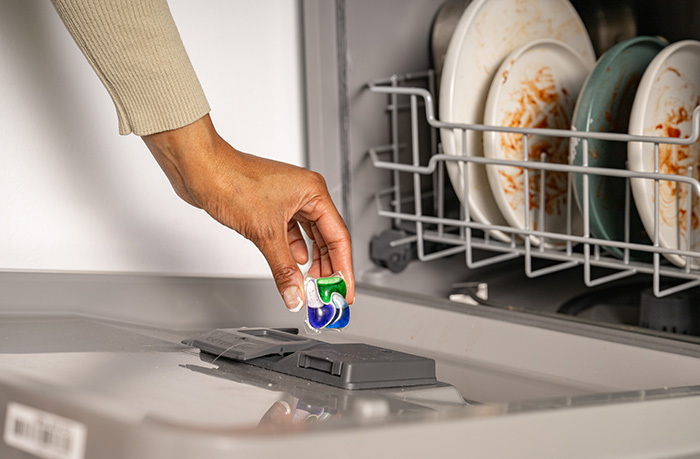
Pod costs per load are often higher than gel detergents, especially when gels are purchased in bulk and dosed conservatively.
Pods with built-in additives can perform well in hard water, but quality varies by brand. Gel detergents may require supplementary rinse aids in hard water conditions.
Using more than one pod is generally not recommended unless the manufacturer specifies it, as it can lead to over-sudsing or residue. Adjust dosing with gels instead.
Pods reduce mess and potential overuse but may generate more packaging waste per dose due to individual pods and film packaging.
Environmental impact varies by brand and formulation. Look for phosphate-free formulas, recyclable packaging, and concentrated gels to minimize packaging waste and energy use.


