
Views: 222 Author: Tomorrow Publish Time: 12-05-2025 Origin: Site


Content Menu
● The Internet's Role in Popularizing the Trend
● When Did People Actually Start Eating Laundry Pods?
● Health Risks and Consequences
● Corporate and Government Response
● Psychological and Social Factors
● Cultural Reactions and Media Response
● Lessons from the Tide Pod Challenge
● FAQ
>> 1. When did the Tide Pod Challenge start?
>> 2. Why did people start eating laundry pods?
>> 3. What happens if someone eats a laundry pod?
>> 4. How did companies respond to the trend?
>> 5. What can we learn from this incident?
In the mid-2010s, an unusual and concerning social trend emerged: people eating laundry detergent pods. What began as a joke on social media soon transformed into a viral internet challenge that raised serious health and safety concerns. Laundry pods—brightly colored, squishy detergent capsules—had been created for convenience, not consumption. Yet their candy-like appearance and the influence of online culture led to accidental and intentional ingestion, especially among teenagers.
This article explores the origins, peak, and consequences of the so-called “laundry pod eating” phenomenon. It examines when and why people started doing it, the role of social media, industry and government responses, and the broader social lessons learned from this strange chapter in internet history.

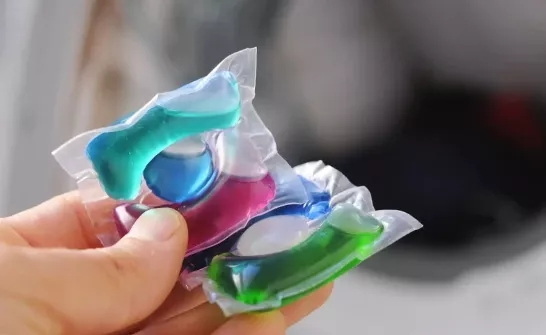
Laundry detergent pods were first introduced around 2012 by companies like Procter & Gamble, the maker of Tide Pods. They were designed as a pre-measured, convenient form of detergent that eliminated the need to pour or measure liquid. Their sleek, multicolored appearance made them stand out on store shelves.
However, these colorful capsules also created unexpected risks. Young children and individuals with cognitive impairments sometimes mistook them for candy or toys. Before the viral challenge appeared, accidental ingestion was already a documented safety issue, prompting calls for clearer labeling and child-resistant packaging.
The “eating laundry pods” trend did not originate from any real desire to consume detergent but from digital humor that spiraled out of control. As memes became central to online culture, people shared jokes about how appealing laundry pods looked—comparing them to sweets or snacks. Early online references to eating them were sarcastic or absurdist humor.
Around 2017 and 2018, video platforms like YouTube and social networks such as Twitter and TikTok saw users posting videos of themselves pretending or actually trying to eat the pods. This was soon dubbed the “Tide Pod Challenge.” The idea spread rapidly, driven by shock value, social validation, and the desire to gain followers.
Although isolated incidents occurred earlier, reports of intentional laundry pod ingestion began rising sharply in late 2017. By January 2018, the “Tide Pod Challenge” had reached peak popularity online.
According to the American Association of Poison Control Centers (AAPCC), there were over 12,000 calls in 2017 regarding detergent pod exposure among individuals aged 13 to 19. Many of these were linked to the viral challenge, where participants filmed themselves biting or ingesting pods as part of a dangerous dare.
Media coverage intensified during this time, amplifying awareness—and in some cases, inadvertently encouraging more risky behavior. The more people talked about it, the more curious individuals tried it, turning a dangerous joke into a temporary cultural phenomenon.
Ingesting laundry detergent pods poses severe health risks. The concentrated chemicals inside are not meant for human consumption and are corrosive to mouth, throat, and digestive tissues. The primary ingredients include surfactants, solvents, and cleaning agents that can cause the following:
- Chemical burns in the mouth and esophagus.
- Nausea, vomiting, and abdominal pain.
- Breathing difficulties due to aspiration.
- Loss of consciousness or even death in extreme cases.
Medical professionals and poison control centers issued urgent warnings. Hospitals reported numerous cases of poisoning requiring immediate treatment. Exposure through the eyes or skin also caused irritation and injury.
The companies producing detergent pods responded quickly. Procter & Gamble released multiple public statements emphasizing that Tide Pods were for washing, not eating. The company created educational campaigns, changed packaging designs, and coated pods with a bitter-tasting film to discourage ingestion.
Social media platforms took similar actions. YouTube and Facebook began deleting videos depicting the challenge, citing violations of community guidelines against promoting dangerous acts. The U.S. Consumer Product Safety Commission (CPSC) issued public health advisories urging parents to keep laundry pods out of children's reach and to speak to teenagers about social media safety.
These efforts significantly reduced the number of new cases by mid-2018, but the internet's memory ensured that the event remained a cautionary tale for years to come.
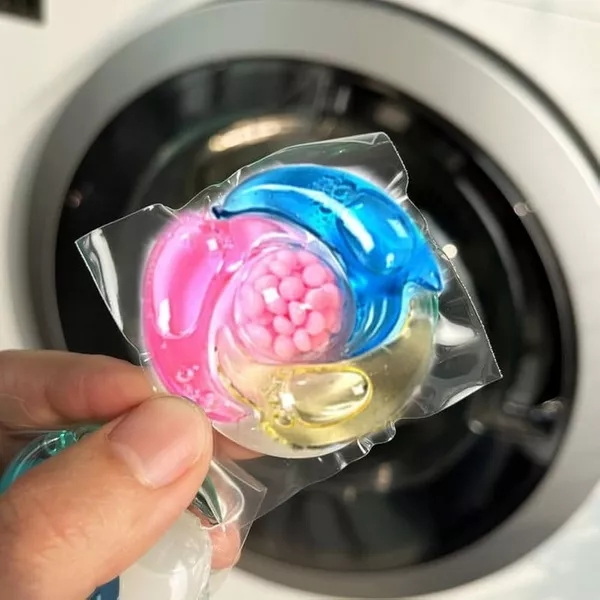
The “laundry pod eating” craze cannot be understood without considering social psychology. Teenagers, more prone to risk-taking and peer influence, often engage in dangerous stunts for attention or validation online. The viral nature of platforms rewards shocking behavior, where likes, views, and shares translate into social currency.
Furthermore, the challenge demonstrated how memes can cross the line from humor to harm. What started as satire evolved into real-world danger once audiences began blurring fiction and reality. Researchers studying online behavior have since used the “Tide Pod Challenge” as a case study in digital disinhibition and the contagious nature of risky trends.
The mainstream media's reaction initially mixed disbelief with alarm. News outlets highlighted the absurdity of the trend, but their frequent coverage helped spread awareness. Late-night shows and comedians mocked it, while commentators used it to criticize modern internet culture, youth recklessness, and corporate marketing's unintended effects.
Procter & Gamble, wanting to protect its brand reputation, collaborated with influencers and athletes to create awareness videos. One notable example featured football player Rob Gronkowski saying, “No. Don't eat Tide Pods,” in a public service video. Although comedic in tone, it reflected the seriousness of the problem.
The laundry pod eating episode revealed important lessons about the intersection of technology, psychology, and culture:
- Viral fame can encourage harmful acts when audiences reward attention at any cost.
- Companies must anticipate how product design might unintentionally invite misuse.
- Digital platforms carry responsibility for moderating dangerous content.
- Education about digital literacy and critical thinking is essential for young users.
Ultimately, the “Tide Pod Challenge” became a warning story about internet responsibility, not only for users but also for corporations and regulators.
After months of global attention, the phenomenon faded by the end of 2018. Most video platforms banned related content, and public awareness campaigns worked. Reports of intentional ingestion dropped significantly.
However, the meme occasionally resurfaces as a nostalgic reference to early viral culture—proof of how absurd and unpredictable internet trends can become. Fortunately, increased awareness has prevented its recurrence on a large scale.
People began eating laundry pods intentionally during the late 2017 to early 2018 “Tide Pod Challenge,” fueled by social media humor and viral escalation. Although the trend began as a joke, its real-world consequences were severe, prompting warnings from health organizations, government agencies, and detergent manufacturers. The events highlighted the dangers of online imitation, the power of digital influence, and the importance of responsible internet behavior. While the episode has long passed, its legacy continues as a reminder of how quickly viral trends can cross into dangerous territory.
The challenge gained popularity in late 2017 and peaked in early 2018, particularly on social media platforms like YouTube and Twitter.
Many joined the trend as part of a viral challenge, influenced by memes and peer pressure rather than genuine curiosity or intent to self-harm.
Ingesting laundry detergent pods can cause severe chemical burns, vomiting, difficulty breathing, and even life-threatening poisoning.
Manufacturers modified packaging, added warning labels, and launched safety campaigns. Social media networks also removed harmful content.
The laundry pod incident teaches the dangers of viral influence, the importance of digital responsibility, and the need for greater public awareness of internet trends.


