
Views: 222 Author: Tomorrow Publish Time: 12-22-2025 Origin: Site


Content Menu
● Understanding What Tide Pods Are
>> What Are Tide Pods Designed For?
● How Dishwasher Detergent Differs from Laundry Detergent
>> The Science Behind the Detergents
● What Happens If You Use Tide Pods in the Dishwasher?
>> 1. Residue and Film on Dishes
● Safe Alternatives for Your Dishwasher
● Preventing Damage After Misuse
● Understanding Why Confusion Happens
● Additional Tips for Dishwasher Maintenance
● FAQ
>> 1. Can I use Tide Pods in an emergency when I run out of dishwasher detergent?
>> 2. Are dishwasher pods and laundry pods made of the same material?
>> 3. What happens if I accidentally used a Tide Pod once in my dishwasher?
>> 4. Can I use liquid laundry detergent in the dishwasher?
>> 5. How can I tell the difference between dishwasher pods and Tide Pods?
Dishwashers have become essential household appliances, making it easier to maintain spotless dishes without the manual labor of scrubbing. Meanwhile, laundry pods like Tide Pods have gained popularity for their convenience and cleaning power in washing machines. Because both dishwashing detergent and laundry detergent serve a similar purpose — removing grease, dirt, and grime — many people might wonder whether they are interchangeable. In particular, a common question arises: do Tide Pods go in the dishwasher?
The short answer is no — Tide Pods should never be used in your dishwasher. Though they may look similar to dishwasher pods, they are chemically and functionally different. Using Tide Pods in your dishwasher can lead to residue buildup, soap scum, unpleasant smells, and even damage to your appliance. Let's break down why these two types of pods must stay in their respective domains and what you should do instead.
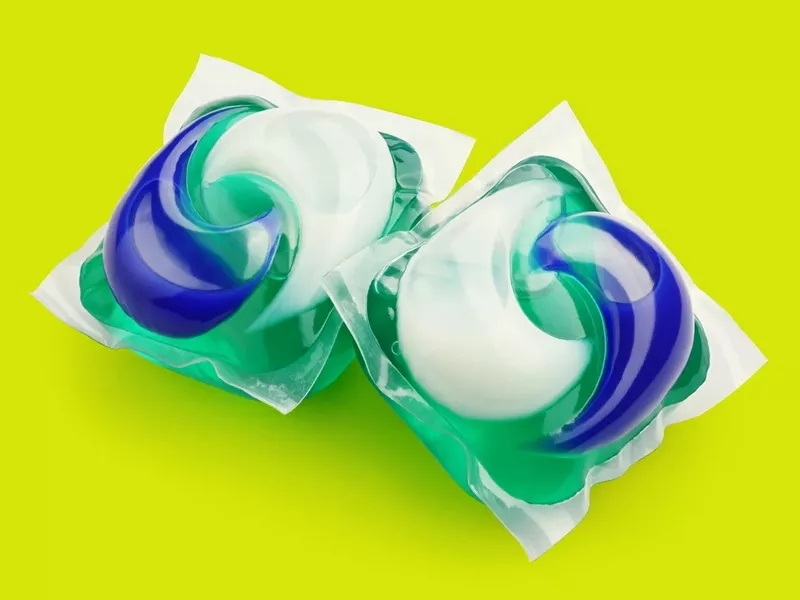
Tide Pods are small, premeasured packets of laundry detergent. Each pod contains a combination of concentrated cleaning agents, stain removers, and fabric softeners specifically formulated for use in washing machines. They dissolve in water at specific temperatures, release detergent at controlled stages, and are meant to treat textiles, not hard surfaces.
These pods contain ingredients such as:
- Surfactants: To loosen and lift dirt and oil from fabrics.
- Enzymes: To break down protein-based stains like food, sweat, and blood.
- Polymers: To prevent dirt from redepositing onto clothing.
- Fabrics conditioners: To soften fibers and reduce static cling.
All of these compounds are tailored for fabrics—materials that can absorb and release substances easily. Dishwashers, on the other hand, clean rigid surfaces and operate under entirely different conditions.
Dishwasher detergents are designed to break down food particles, oils, and mineral deposits. Their main components include enzymes like protease and amylase, but they do not contain softening agents or fabric conditioners. The pH levels in dishwasher detergents are also more alkaline, suitable for cleaning ceramic, glass, and metal dishes, but potentially corrosive to fabrics.
Tide Pods, on the contrary, have pH levels, brightening chemicals, and fragrance oils that are inappropriate — even harmful — to dishwashers and dishes intended for eating. Using them in your appliance can coat dishes with residue and leave behind chemical traces that are unsafe for food contact.
In short, while both detergents serve as cleaning agents, their compositions and intended uses differ significantly. Dishwashing detergent removes baked-on grease and sanitizes; laundry detergent removes body oils and softens fabric. Their overlap is only superficial.
Tide Pods dissolve differently than dishwasher pods. Their formulation leaves behind a waxy, soapy film on dishes and glasses because they are not designed to rinse completely from hard surfaces. As a result, you may find cloudy glasses, streaked plates, and a faint sticky residue that can make dishes look unclean even after a full cycle.
Laundry detergents like those in Tide Pods produce suds. Dishwashers, however, are designed for low-foam detergents. When used in a dishwasher, Tide Pods create excessive soap bubbles that fill the machine's interior, leading to leaks or triggering safety sensors. This can cause mechanical malfunctions or even water overflow onto your kitchen floor.
The acidic and alkaline balancing agents in dishwashing detergents differ from laundry formulas. The softeners and fragrance oils in Tide Pods can clog filters, block spray arms, and build up residue inside the machine. Over time, these compounds may harm rubber seals or the dishwasher's sensor system, shortening its lifespan.
Perhaps the most concerning issue is health safety. Residue from Tide Pods may remain on dishes even after the wash cycle ends. Because these chemicals are not food-safe, ingesting trace amounts from plates, cups, or utensils could cause stomach irritation or allergic reactions. Always remember: detergents safe for clothing are not necessarily safe for kitchenware that touches your food.
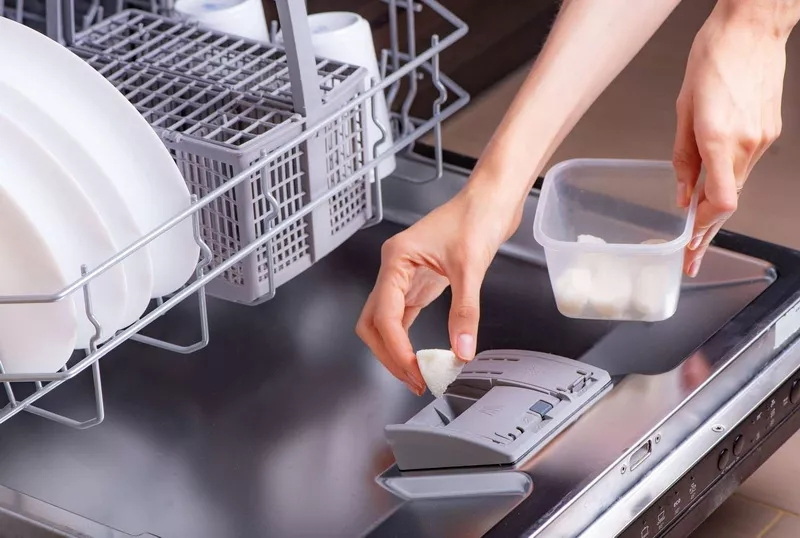
Tide Pods work best in washing machines and should only be used as directed by the manufacturer. For effective laundry cleaning, follow these steps:
1. Load clothing into the washing machine drum before adding the pod.
2. Add one Tide Pod for small or medium loads, and two for larger or heavily soiled loads.
3. Do not cut or puncture the pod; the casing dissolves automatically in water.
4. Select the water temperature as recommended on fabric care labels.
These steps ensure the pod dissolves fully and releases the right amount of detergent during the wash cycle.
If you've run out of dishwasher pods or detergent, never resort to using laundry products. Here are safer alternatives:
- Dishwasher-specific pods or tablets. These dissolve cleanly, produce minimal suds, and sanitize utensils effectively.
- Dishwasher gel or powder detergent. Choose a brand suited to your dishwasher type; some are optimized for hard water.
- Baking soda and vinegar (temporary fix). If you're out of detergent, you can use one tablespoon of baking soda sprinkled at the bottom of the dishwasher with a cup of white vinegar on the top rack as a short-term, chemical-free cleaning method.
- Homemade dishwasher detergent. Combine one cup of washing soda with one cup of borax and one-half cup of citric acid; store it dry and use one tablespoon per load.
These alternatives not only clean effectively but also ensure that your dishwasher operates safely.
If you've accidentally put a Tide Pod in your dishwasher, don't panic. You can minimize damage by following these steps:
1. Stop the machine immediately and open the door carefully to avoid suds overflow.
2. Remove dishes, then use a towel to clean any spilled foam or residue inside the dishwasher.
3. Run an empty rinse cycle with warm water to remove leftover detergent.
4. Wipe the interior with a cloth dampened with vinegar to neutralize any remaining soap film.
5. Inspect filters and spray arms to ensure there are no blockages.
Performing these steps can help restore your dishwasher to normal function without professional service.
It's easy to understand why people sometimes mistake Tide Pods for dishwasher pods. Both products are small, colorful, and individually wrapped in dissolvable film. Yet despite visual similarities, they are designed with different goals in mind. Manufacturers use distinct packaging materials, colors, and labeling, but the convenience factor often prompts experimentation that leads to problems.
Consumers accustomed to using Tide Pods in the laundry may assume similar efficiency applies to dishwashers. Clear labeling and proper understanding can prevent appliance damage and health hazards — both expensive and avoidable outcomes.
A well-maintained dishwasher ensures clean dishes and long appliance life. Follow these best practices:
- Clean the filters weekly to prevent food buildup.
- Run hot water before starting a cycle to ensure optimal temperature.
- Use rinse aid to prevent water spots and improve drying.
- Descale monthly with white vinegar or a dishwasher cleaner if you have hard water.
- Load properly by keeping large items on the bottom rack and glasses on the top rack for even water distribution.
Routine care prevents performance issues far more effectively than any risky detergent experiment.
So, do Tide Pods go in the dishwasher? The answer is emphatically no. Tide Pods are developed exclusively for laundry use, with ingredients tailored for fabrics rather than food-contact surfaces. Using them in your dishwasher can cause excessive suds, residue buildup, appliance damage, and even potential health risks. Instead, always rely on detergents specifically designed for dishwashers. Proper care, correct products, and regular maintenance will ensure both your dishes and your dishwasher stay spotless and safe for years to come.
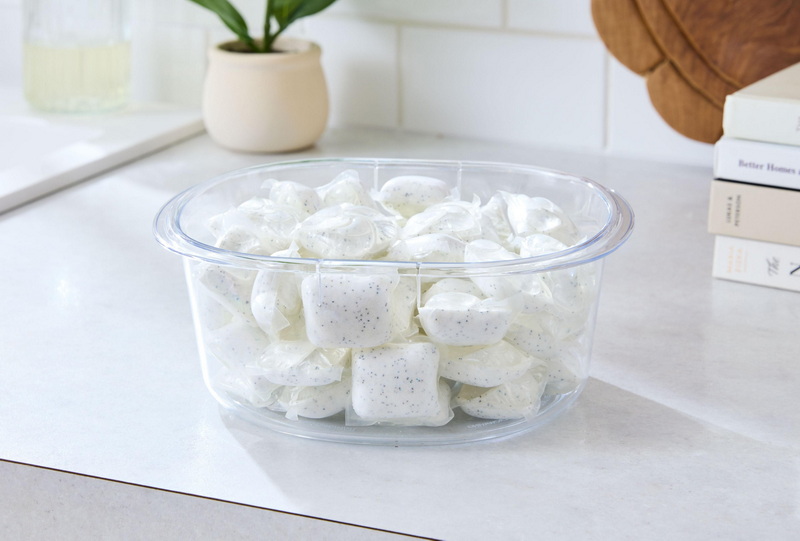
No. Even in emergencies, avoid using Tide Pods in your dishwasher. The risk of residue, foam overflow, and toxic buildup outweighs any temporary convenience. Use baking soda and vinegar as a safer short-term alternative instead.
No. While both use dissolvable films, the ingredients inside the pods differ significantly. Dishwasher pods contain low-sudsing cleaning agents suitable for glassware and steel, while laundry pods include fabric conditioners and softeners unsafe for ingestion.
A single mistake is unlikely to ruin your appliance. However, you should stop the cycle immediately, remove the pod, rinse the dishwasher, and run an empty wash to eliminate residue. Wipe surfaces with vinegar afterward.
Absolutely not. Liquid laundry detergent foams excessively, leaves chemical residue, and causes potential damage. Always choose detergents explicitly labeled for dishwashers to protect your appliance and health.
Dishwasher pods are typically marked with brands like Cascade or Finish and often labeled “dishwasher detergent,” while Tide Pods are packaged for laundry and include terms like “for washing machines” or “high-efficiency.” Reading labels carefully prevents confusion.


