
Views: 222 Author: Tomorrow Publish Time: 12-22-2025 Origin: Site


Content Menu
● Understanding Dishwasher Soap Pods
● How Dishwasher Pods Work Inside the Machine
● Are Pods Bad for Your Dishwasher?
>> Undissolved Pods and Residue
● Factors That Influence Dishwasher Safety
>> 4. Dishwasher Age and Maintenance
● Ways Soap Pods Can Damage Dishwashers
● Proper Pod Usage: A Step-by-Step Routine
● The Science Behind Dishwasher Pod Formulas
● Comparing Pods, Liquids, and Powders
● Regular Dishwasher Maintenance Tips
● Environmental and Safety Considerations
● Key Signs Your Dishwasher Is Struggling with Pods
● FAQ
>> 1. Are dishwasher pods safe for stainless steel interiors?
>> 2. Can I use dishwasher pods for handwashing dishes?
>> 3. Do dishwasher pods expire?
>> 4. Are all pods compatible with energy-efficient dishwashers?
>> 5. How do I remove soap pod residue from my dishwasher?
Modern dishwashing has transformed from a tedious chore into a simple button press, thanks largely to innovations like dishwasher pods. These small, pre-measured capsules promise sparkling clean dishes without the hassle of measuring powder or liquid. But along with their rise in popularity comes an important question: Do the soap pods wreck your dishwasher?
While the convenience of pods is undeniable, some homeowners and appliance experts have raised concerns about potential long-term effects on dishwasher components. Are these concerns justified, or are they myths fueled by anecdotal evidence? This detailed exploration examines how dishwasher pods function, what risks they may pose, and how to use them wisely to protect your appliance.
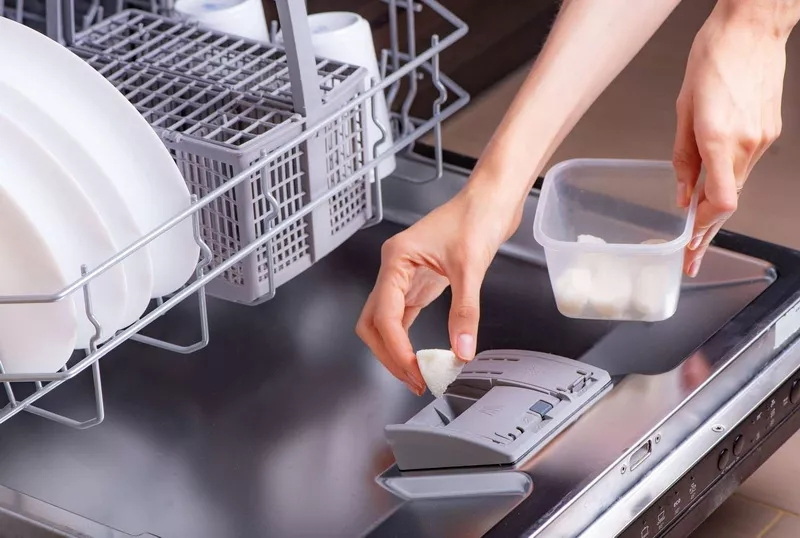
Dishwasher pods—sometimes called detergent packets or tablets—represent one of the biggest evolutions in kitchen cleaning over the past decade. Unlike traditional detergents that must be poured or scooped, these pods come with concentrated cleaning power encapsulated in a water-soluble film made from polyvinyl alcohol (PVA).
Inside each pod lies a sophisticated blend of:
- Surfactants: Break down grease and help water spread evenly.
- Enzymes: Target organic materials like food residue and starch.
- Bleaching agents: Remove stubborn stains and sanitize surfaces.
- Rinse aids: Reduce spotting and help water sheet off glassware.
The PVA casing dissolves during the early phase of the wash cycle, releasing the cleaning agents at just the right moment. This timing ensures effective and efficient cleaning without wasting detergent.
However, it's the same concentration and chemical potency that can sometimes strain dishwashers—especially older or poorly maintained models.
Dishwasher pods interact with water and temperature in a carefully engineered chemical routine. When the wash cycle begins, the dispensing compartment opens to allow hot water to contact the pod. The sequence unfolds as follows:
1. Activation phase: The water dissolves the pod's PVA film, allowing detergent release.
2. Cleaning phase: Enzymes and oxygen-based bleaches start breaking down food soil, fats, and proteins.
3. Rinsing phase: Surfactants and rinse aids complete the process, preventing water spots and streaks.
The ideal conditions for pods include adequate water pressure, proper heating levels, and full spray arm rotation. If any of these factors are compromised—say, due to clogged nozzles or mineral buildup—the pod may not dissolve properly. Undissolved residue or partially released chemicals can accumulate inside the dishwasher, potentially leading to damage over time.
The short answer is no, but with an important caveat: only when used correctly. The pods themselves are not inherently harmful, but user behavior and environmental conditions can turn them problematic.
Here are a few major concerns users may face:
Pods sometimes fail to dissolve completely, leaving chunks of detergent or sticky residue inside the drawer or filter. This can happen due to low water temperatures, short wash cycles, or poor water circulation.
Because pods are pre-measured, they deliver a full-strength dose regardless of load size. If you're washing only a few items, the concentration of chemicals can be excessive, gradually wearing down protective coatings and rubber gaskets.
Hard water can cause mineral scaling, interacting with detergent residues to form a chalky film. Over time, this buildup can affect pump efficiency, restrict spray arms, and dull machine surfaces.
Older dishwashers weren't engineered for today's highly concentrated detergents. The rubber seals, hoses, and internal sensors may degrade faster when repeatedly exposed to intense chemical solutions.
When used responsibly—one pod per full cycle, high enough water temperature, and regular cleaning—these issues can be minimized.
Several variables determine whether pods remain safe or become harmful over time.
Dishwasher pods rely on heat activation. The film won't dissolve properly unless the water reaches around 120°F–140°F (49°C–60°C). You can test your water temperature by running the tap until hot and using a thermometer. If the reading is too low, adjust your water heater.
Short or eco-friendly cycles may not allow enough time for pods to break down completely. When cleaning heavily soiled dishes, opt for *Normal* or *Heavy Duty* cycles that combine longer duration with consistent heat.
If you notice a white haze on glasses, your water is likely hard. Hard water limits the detergent's effectiveness and increases mineral buildup inside your machine. Installing a water softening system or using a pod formula designed for hard water can help.
Newer dishwashers have enhanced spray arm pressure and sensors tailored for pods. Older models, however, need regular upkeep to handle concentrated detergents. Cleaning filters, seals, and rotating arms monthly can prevent detergent layering and mineral deposits.
Dishwasher pods are sensitive to moisture and air exposure. Keep them in their original container or an airtight jar away from humidity. Deteriorated pods can cause uneven detergent release and even clog the detergent dispenser.
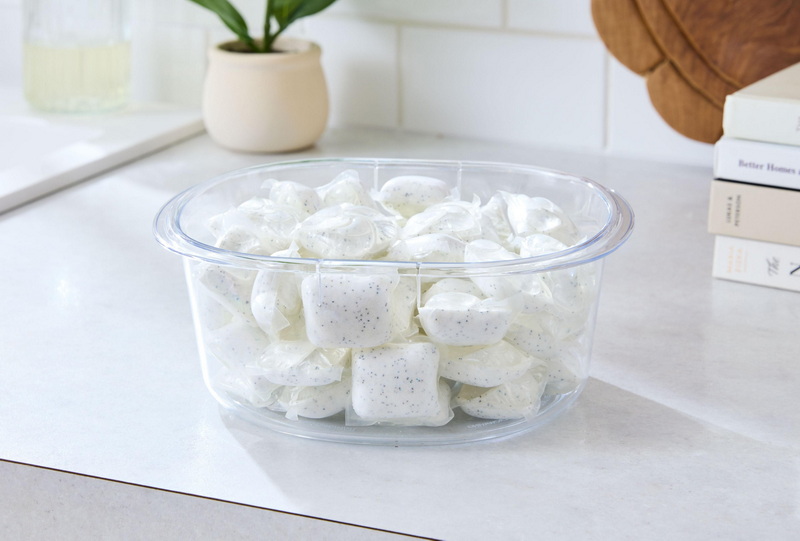
Even though pods typically don't cause direct harm, certain misuse behaviors can introduce mechanical and chemical problems.
1. Clogged filters and drains: Undissolved soap or powder fragments settle in the dishwasher's filtration system, restricting water flow and drainage.
2. Residue buildup: High-concentration detergents can leave a milky film on the interior stainless steel walls and heating elements.
3. Seal and pump wear: Repeated exposure to harsh alkaline cleaners may contribute to seal drying and pump corrosion.
4. Blocked detergent trays: Moisture-triggered pods can clump inside the tray before the cycle begins.
5. Sensor interference: Residue on optical or soil sensors can confuse cleaning programs, leading to suboptimal results.
To prevent these problems, adhere to manufacturer recommendations and keep your dishwasher interior free of leftover soap or mineral scale.
Using dishwasher pods safely is straightforward if you establish good habits. Follow this simple routine for consistent performance:
1. Load dishes correctly. Avoid overloading; ensure spray arms can rotate freely.
2. Rinse off large food debris. Pods are powerful, but they shouldn't replace basic pre-cleaning.
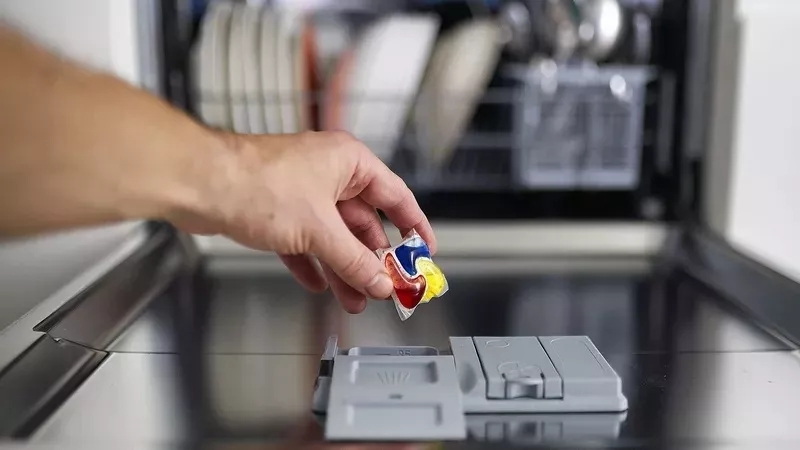
3. Insert one pod in the designated dispenser. Don't place it directly at the bottom.
4. Select the right cycle. Opt for normal or heavy wash with hot water, not express mode.
5. Run periodic deep cleans. Use dishwasher cleaner or white vinegar every four weeks.
6. Inspect for buildup. Wipe seals, racks, and the detergent drawer monthly.
Over time, this consistent approach protects your appliance, prevents soap scum, and ensures every wash is efficient.
Most pods use a combination of alkaline salts, nonionic surfactants, and enzymes tailored to remove distinct types of residue. Each ingredient plays an essential chemical role:
- Alkalis (e.g., sodium carbonate): Break down fats and loosen baked-on grease.
- Enzymes (protease, amylase): Target protein and starch residues for complete removal.
- Oxygen bleach (sodium percarbonate): Oxidizes food stains without damaging glassware.
- Chelating agents: Bind with minerals like calcium to prevent limescale formation.
- Rinse aids: Reduce surface tension so water slides off dishes smoothly.
The powerful chemistry inside one pod equals multiple tablespoons of traditional detergent. This intensity demands full water pressure and proper rinse cycles; otherwise, residues may linger.
| Feature | Pods | Liquid Detergent | Powder Detergent |
|---|---|---|---|
| Ease of use | Excellent | Moderate | Low |
| Risk of overuse | None (pre-measured) | Medium | High |
| Cleaning efficiency | Very consistent | Variable | High if measured right |
| Residue tendency | Moderate if not dissolved well | Low | Low |
| Cost per wash | Higher | Moderate | Lower |
| Shelf life | Long if sealed | Moderate | Long |
| Eco-friendliness | Varies by brand | Generally moderate | Often higher (less packaging) |
Pods dominate in simplicity but not always in versatility. Liquid and powder detergents provide more flexibility in adjusting detergent amounts based on load size or soiling levels.
Keeping your dishwasher healthy ensures pods can perform optimally. Follow these foundational maintenance practices:
- Clean filters weekly. Remove trapped seeds, bones, or food particles.
- Descale monthly. Use citric acid or vinegar to dissolve limescale.
- Inspect spray arms. Unclog small nozzles to maintain high pressure.
- Check seals for cracks. Replace worn gaskets to prevent leaks.
- Leave the door open after each wash. It prevents trapped moisture and mildew.
Think of maintenance as preventive medicine—small routines that save you from costly repair bills.
Although marketed as eco-friendly, not all pods are entirely harmless to the planet. The dissolvable film may not completely biodegrade under certain wastewater treatment conditions, and concentrated formulas often contain non-renewable ingredients.
To minimize environmental impact:
- Choose biodegradable and phosphate-free brands.
- Avoid bright-colored or heavily scented products.
- Purchase refill packs or bulk packaging to cut plastic waste.
- Run full loads instead of multiple small cycles to conserve water and energy.
Even minor lifestyle adjustments can drastically reduce your household's cleaning footprint.
Over time, dishwashers may show subtle distress signals indicating detergent issues. Watch for the following warning signs:
- Dishes feel gritty or chalky after washing.
- A sour or chemical odor lingers after the cycle finishes.
- Visible soap residue forms near the dispenser.
- Foggy glassware persists despite using rinse aid.
- Increased noise during cycles, possibly from clogged filters.
If you notice these issues, deep-clean your dishwasher immediately and reconsider your detergent brand or storage method.
So, do soap pods wreck your dishwasher? The evidence says no—at least not when used mindfully. Dishwasher pods are effective, efficient, and safe for most modern machines, provided they dissolve fully and the machine is well maintained. Problems arise primarily from improper use, such as incorrect water temperature, damaged pods, or infrequent cleaning.
In short, dishwasher pods simplify cleaning but demand diligence. Treat your appliance with care—make sure water is hot enough, run regular cleaning cycles, and place one pod per load. This balanced approach ensures longevity, efficiency, and the sparkling cleanliness you expect.
Yes. Most pods are formulated to be stainless-steel safe, although undissolved detergent or residue buildup over time can cause dullness. Use rinse aid and regular cleaning cycles to protect interior shine.
No. Dishwasher pods are too concentrated and contain chemicals meant for machine use only. They're not skin-safe and can cause irritation or excessive foaming when used manually.
Yes, typically after 12–18 months. Over time, exposure to moisture and air breaks down the water-soluble coating, reducing effectiveness. Check packaging dates and store them in a dry, cool place.
Generally yes, but always check manufacturer guidelines. Some ultra-concentrated pods may produce excess suds in energy-efficient models that use less water. If in doubt, select low-suds detergent packs.
Run an empty hot cycle with 1 cup of vinegar placed in a dishwasher-safe bowl on the upper rack. This dissolves residues, clears odors, and restores your machine's performance.


