
Views: 222 Author: Tomorrow Publish Time: 12-22-2025 Origin: Site


Content Menu
● Understanding How Powdered Dishwasher Pods Work
● The Inner Workings of a Dishwasher Drain System
● Can Powdered Dishwasher Pods Actually Clog Drains?
● Common Causes of Dishwasher Drain Clogs
● Preventing Drain Clogs with Powdered Pods
● Environmental Impact and Sustainability
● Recognizing Signs of a Dishwashing Drain Problem
● DIY Solutions to Clear Dishwasher Drains
● Comparing Pod Types: Powdered, Liquid, and Gel
● Expert Opinions from Plumbers and Appliance Technicians
● Additional Tips for Dishwasher Longevity
● FAQ
>> 1. Do powdered dishwasher pods fully dissolve in cold water?
>> 2. Can undissolved pods harm the dishwasher?
>> 3. Are powdered pods safe for septic systems?
>> 4. Should I place the pod in the bottom of the dishwasher?
>> 5. How often should I clean my dishwasher to prevent clogs?
>> 6. What if my dishwasher still drains slowly after cleaning?
>> 7. Do powdered pods perform better than gels in hard water?
Dishwasher pods have revolutionized modern cleaning routines, making dishwashing simpler, faster, and more efficient. Among the varieties available, powdered dishwasher pods are particularly popular because they combine powerful cleaning performance with convenience. However, one persistent question remains in many households: do powdered dishwasher pods clog drains?
While these compact cleaning capsules seem harmless, misconceptions and improper use can lead to plumbing concerns. This article takes a deep look at how powdered pods work, their potential connection to drain clogs, and practical measures to keep your dishwasher and pipes running smoothly.
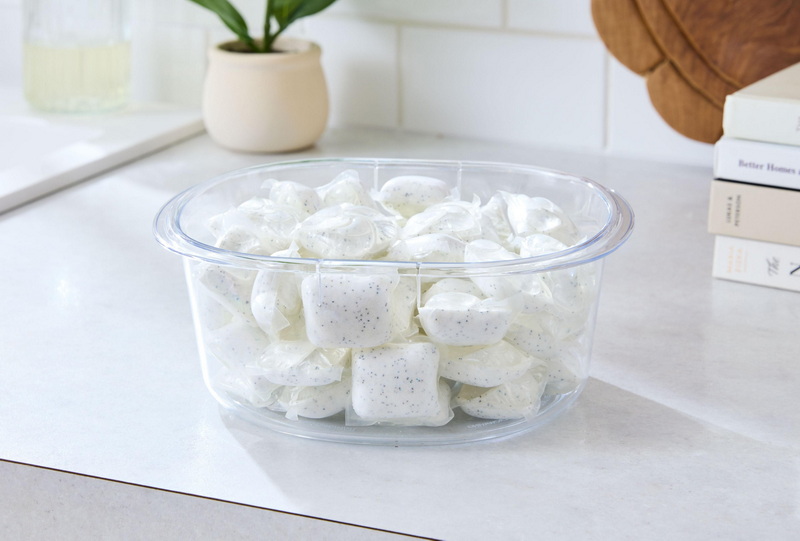
Powdered dishwasher pods are pre-measured pouches containing concentrated detergent powder sealed within a water-soluble film—commonly made from polyvinyl alcohol (PVA). When the washing cycle begins, this outer film dissolves in water, releasing the detergent blend inside. The powder then disperses through the dishwasher, breaking down grease, residue, and leftover food on dishes.
What makes this design appealing is precision: you never risk using too much or too little detergent. Unlike traditional powdered detergents scooped manually, all the cleaning agents are measured for optimal efficiency. However, complete dissolution depends on conditions such as water temperature, spray strength, and cycle duration.
If these conditions aren't met—like when the water is too cold or cycles are too short—residue from the pod can remain inside the dishwasher. Over time, these small accumulations could contribute to more serious blockages.
A dishwasher's drainage system is relatively straightforward but plays a vital role in how well your appliance performs. After washing, the wastewater combines detergent, grease, and food residue and is pumped out through the drain hose—usually connecting to the sink drain or garbage disposal.
In a well-functioning system, this water flows freely through the pipes, leaving no standing water behind. However, the hose's narrow diameter means even small buildups can restrict flow. If any residue, including undissolved detergent, meets accumulated grease or debris in the line, it can thicken and harden, slowing or blocking drainage.
It's important to note that most clogs occur gradually. Dish residue, hardened fat, or lime buildup from hard water accumulates until the water begins draining slowly. Pods can sometimes contribute to this problem indirectly, especially if they do not fully dissolve.
The short answer is not usually. Properly used powdered pods are designed to dissolve completely and exit through the drain with the rinse water. Problems arise mainly from improper use or pre-existing buildup in the plumbing system.
Here are common conditions under which pods might contribute to drain issues:
- Low water temperature: Cold water prevents the pod's film from softening quickly, leading to clumps.
- Short or eco wash cycles: These cycles save time and energy but sometimes end before the detergent fully dissolves.
- Blocked or dirty spray arms: Reduced water flow can leave soap residue in corners and along the filter path.
- Overfilled detergent dispenser: If the pod is crushed or stuck, it won't release properly.
- Pre-existing grease or food buildup: When soap powder meets oils, it forms a sticky, paste-like substance.
So, while the pods themselves won't clog drains when everything works correctly, they can add to the problem when other factors combine.
It's easy to blame the pod, but most drain problems come from other sources. Understanding these helps prevent future problems:
1. Grease accumulation. When hot, oils flow easily—but they solidify as they cool, clinging to pipe walls.
2. Undissolved food bits. Rice, pasta, or coffee grounds can trap soap residue.
3. Soap and mineral buildup. Hard water minerals interact with detergent, forming tough deposits in filters and hoses.
4. Incorrect loading or pod placement. Dishes blocking the dispenser can prevent full detergent release.
5. Insufficient water pressure. Weak spray arms limit circulation, leaving residual powder behind.
Each issue alone may not cause a clog, but together they create conditions where powder residue sticks and hardens inside pipes.
Proper use of powdered dishwasher pods is the key to keeping your appliance efficient and your drains clear. Here are the most effective prevention tips:
1. Use hot water. Before starting the cycle, run the sink's hot water for a few seconds. It ensures that your dishwasher fills with hot water immediately.
2. Choose longer wash cycles. Normal or heavy-duty cycles dissolve detergent more thoroughly.
3. Clean filters regularly. Check and rinse filters weekly to remove trapped food or residue.
4. Inspect the drain hose. Ensure it has no kinks and sits high enough to prevent water backflow.
5. Avoid detergent buildup. Use only one pod per cycle, even for full loads.
6. Monthly maintenance wash. Run a cleaning cycle with vinegar or citric acid to dissolve grease and limescale inside the dishwasher.
Following these steps not only prevents clogging but also improves the dishwasher's performance and longevity.
Modern consumers are becoming more aware of the environmental impact of cleaning products. Powdered dishwasher pods are convenient, but their PVA film—though water-soluble—raises environmental questions.
Studies show that while most of the PVA dissolves completely under high temperatures, a small percentage may persist in wastewater treatment systems. These remnants can potentially contribute to microplastic pollution if not properly broken down.
Eco-conscious consumers should consider:
- Choosing biodegradable pod brands with verified testing on PVA breakdown.
- Running full loads only, which conserves energy and water.
- Avoiding multiple cycles per day unless necessary.
- Recycling cardboard packaging when possible.
Responsible use ensures the pods' convenience doesn't come at the environment's expense.
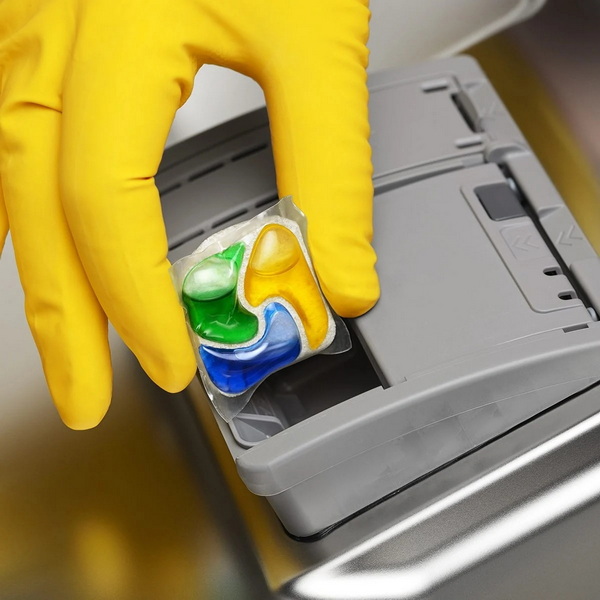
Detecting early warning signs of clogging can save you the cost and hassle of repairs:
- Standing water: If you see water pooling inside after a wash, it signals restricted drainage.
- Bad odors: A sour or musty smell can result from trapped food or debris decomposing.
- Incomplete cleaning: Spots or film on dishes suggest detergent didn't rinse away properly.
- Gurgling sounds: Air pushed through blocked tubes creates unusual noises.
- Water backing into the sink: When the dishwasher drains, watch for sink water rising briefly.
Prompt attention to these symptoms helps you correct issues before they escalate.
If you suspect your dishwasher is draining slowly or not at all, you can troubleshoot before calling a plumber:
1. Disconnect power and water. Safety should always come first.
2. Empty standing water. Use a sponge or towel to remove excess water.
3. Remove and clean the filter. Wash it under warm soapy water to remove grease.
4. Inspect the drain hose. Detach it and flush it with hot water and vinegar.
5. Clean the air gap. If your sink setup includes one, clear it of buildup.
6. Run a service cycle. Use baking soda and vinegar or a dishwasher cleaner for a maintenance wash.
If these steps don't fix the issue, the clog might be deeper in your plumbing system, requiring professional cleaning.
The dishwasher detergent market offers multiple product forms, each with unique performance traits.
| Type | Pros | Cons | Drain Clog Likelihood |
|---|---|---|---|
| Powdered pods | Balanced cleaning power, measured dosage, dissolves under high heat | May leave residue in cold water | Low |
| Liquid pods | Dissolves faster, easy for quick cycles | More prone to leaking or over-sudsing | Low to moderate |
| Gel detergents | Gentle on delicate items | Can cling to hoses, builds film | Moderate to high |
| Loose powder | Cheapest option | Easy to overpour and waste | Low if measured properly |
Powdered pods strike a balance between strength and convenience, but dissolving them correctly is essential for drain health.
Most plumbing professionals agree that dishwasher pods alone aren't responsible for drain blockages. In over 80% of reported cases, the root cause traced back to improper dishwasher maintenance, misuse, or insufficient water temperature.
Technicians commonly recommend:
- Maintaining 120°F (49°C) or higher water temperature.
- Routinely cleaning filters and inspecting hoses every two months.
- Avoiding combining pods with additional detergent boosters, as this can cause excess suds and buildup.
- Occasionally using a professional dishwasher descaler to counteract hard water effects.
Experts emphasize that prevention and maintenance save time and money compared to reactive repairs.
Aside from preventing clogs, certain habits can help your dishwasher run efficiently for years:
- Scrape, don't rinse. Remove large food chunks but don't pre-wash dishes completely—detergent needs residue to activate enzymes.
- Avoid overcrowding. Ensure spray arms can spin freely without obstruction.
- Check the door gasket. Wipe it occasionally to prevent mold buildup.
- Use rinse aid. It improves drying and reduces water spots.
- Run the dishwasher often. Infrequent use allows seals to dry out and bacteria to grow.
These small maintenance steps ensure cleanliness, energy efficiency, and improved lifespan.
So, do powdered dishwasher pods clog drains? The evidence says no—at least, not directly. These pods are engineered to dissolve and flow safely through your dishwasher and plumbing system when used properly. However, improper use such as running short cycles, using cold water, or neglecting maintenance can indirectly create conditions for clogging.
The key takeaway is balance: follow manufacturer guidelines, clean filters regularly, and keep your water hot enough to dissolve detergent completely. With consistent care, you'll enjoy spotless dishes without worrying about drain issues.
Ultimately, the pod is not the problem—maintenance is the solution.
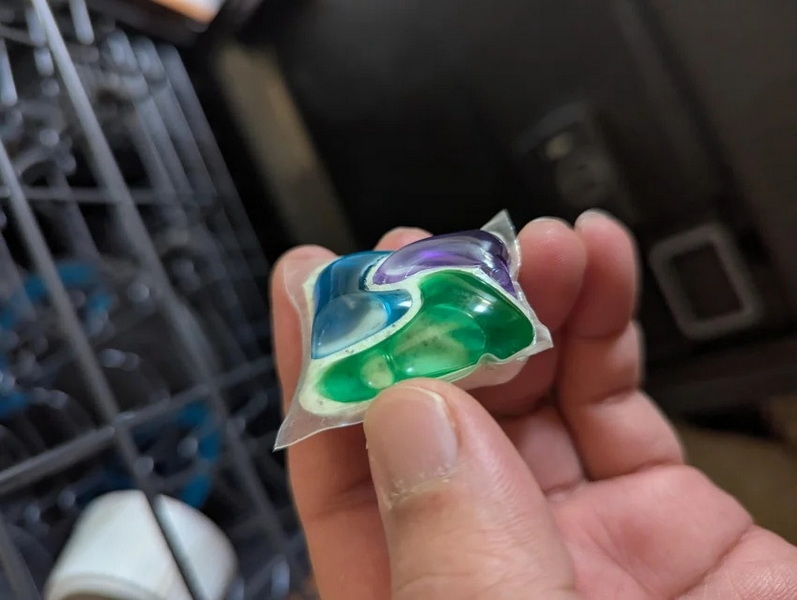
No. They dissolve best in warm to hot water. Cold water may leave behind residue, which can accumulate in filters and hoses, eventually affecting drainage.
If a pod doesn't dissolve completely, residue may clog the dispenser or spray arms, reducing cleaning performance. Regular cleaning prevents lasting damage.
Yes, most brands are designed for septic safety. Their water-soluble coatings and cleaning agents break down during wastewater processing.
No. Always place the pod in the detergent dispenser compartment. Putting it at the bottom can cause premature dissolution and ineffective cleaning.
At least once a month. Clean filters weekly and run a vinegar rinse every few weeks to remove buildup and odors.
Check the drain hose for kinks, make sure your garbage disposal is clear, and run a professional cleaning cycle. If problems persist, call a technician.
Yes. Powdered pods generally contain stronger degreasers and work better with hard water minerals, making them ideal for homes with mineral-rich water supplies.


